St Leonard's Tower
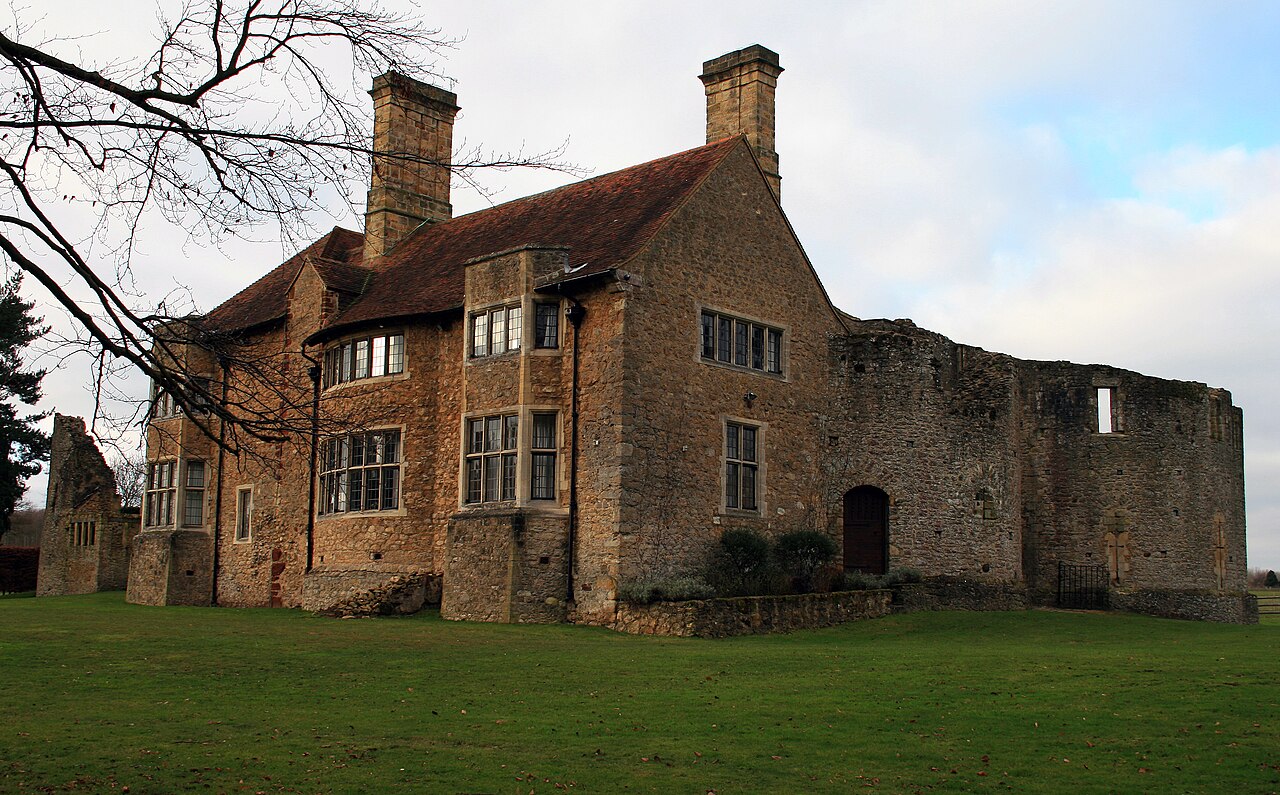
St Leonard's Tower stands just south of the historic village of West Malling in Kent, England. This remarkable structure is a rare surviving example of a Norman tower keep dating from the High Medieval period, specifically built in the late 11th or early 12th century. Its origins are closely linked to two prominent Norman figures: Gundulf, Bishop of Rochester, and Bishop Odo of Bayeux, the half-brother of William the Conqueror. The tower likely formed part of a larger castle complex, serving both defensive and possibly residential functions.
Historical context and origins
The construction of St Leonard's Tower is believed to have occurred between 1077 and 1108, a period marked by the consolidation of Norman authority in England following the 1066 Norman Conquest. Bishop Gundulf, renowned for his architectural contributions including work on Rochester Castle and the White Tower in London, is a strong candidate for the tower's builder. Alternatively, Bishop Odo of Bayeux, known for his military and political roles in Norman England, may have commissioned the tower as part of his extensive landholdings.
Originally, the tower was probably integrated within a larger castle complex or fortified manor, which has not survived in its entirety. Over subsequent centuries, the tower's role evolved, and it became associated with a nearby chapel dedicated to St Leonard. This association gave the tower its current name, although the chapel itself no longer exists.
Architectural features and structure
The tower is a square stone keep constructed primarily of coursed rubble masonry with finely cut stone dressings. It rises to a height of approximately 20 meters, making it a prominent feature in the surrounding landscape. The tower originally comprised a basement and two upper floors, each accessed by narrow stairways typical of Norman military architecture.
Attached to the tower's eastern side is a surviving section of wall dating from the 11th or 12th century. This wall fragment is likely a remnant of the original castle's defensive curtain walls or an enclosing structure, providing insight into the scale and layout of the former complex.
The tower's design reflects typical Norman military architecture with thick walls, small window openings for defense, and limited access points. Its freestanding nature as a tower keep is relatively unusual, as most Norman keeps were integrated within larger curtain walls.
Later history and current condition
Throughout the centuries, St Leonard's Tower transitioned from a defensive structure to a more symbolic or ecclesiastical role connected to the nearby chapel. Although much of the original castle has vanished, the tower remains remarkably intact.
Today, the tower stands as a well-preserved monument to Norman architecture and medieval history. It is freely accessible at the site, allowing visitors to appreciate its exterior and the adjoining ancient wall. However, the interior of the tower is not open to the public due to preservation concerns and safety.
Its status as a rare example of a small, freestanding Norman tower keep makes it an important heritage site in Kent. Visitors can explore the surrounding area of West Malling, a town with deep historical roots, enhancing the cultural experience.
Architectural significance and heritage value
St Leonard's Tower is significant for its architectural purity and survival. It exemplifies the Norman architectural style characterized by robust masonry, functional design, and defensive features. The tower's construction techniques and materials provide valuable information on medieval building practices in southeastern England.
The tower's connection to notable historical figures such as Bishop Gundulf and Bishop Odo further enhances its importance. It offers insights into the Norman strategy of fortification and ecclesiastical influence during the High Medieval period.
As a heritage asset, the tower contributes to understanding the evolution of castle architecture from early Norman keeps to later medieval fortifications. Its preservation allows historians and visitors alike to study and appreciate the complexities of medieval defensive structures.
Visiting St Leonard's Tower
The site of St Leonard's Tower is open to the public, providing an opportunity to view one of Kent's most distinctive Norman monuments. While visitors cannot enter the tower itself, the surrounding grounds and the attached ancient wall offer a tangible connection to England's Norman past.
West Malling, with its medieval streets and historic buildings, complements the experience. Visitors interested in medieval architecture and history will find the tower a valuable destination for study and exploration.
Frequently asked questions (FAQ)
- What is the historical significance of St Leonard's Tower?
- St Leonard's Tower is a 14th-century structure that served as a watchtower and a part of the medieval fortifications of West Malling. Its historical significance lies in its role in the defense of the area and its connection to the local heritage of Kent, reflecting the architectural styles of the period.
- When was St Leonard's Tower built?
- St Leonard's Tower was constructed in the early 14th century, with its origins dating back to around 1320. This makes it one of the oldest surviving structures in the region, providing a glimpse into the medieval history of West Malling.
- Can I visit St Leonard's Tower?
- Yes, St Leonard's Tower is open to visitors, allowing them to explore its historical architecture and learn more about its significance. However, it is recommended to check the visiting schedule and any potential restrictions before planning your trip.
- What are the opening hours for St Leonard's Tower?
- St Leonard's Tower typically opens to the public from 10 AM to 4 PM during the tourist season, but hours may vary based on the time of year and special events. It is advisable to check the official website or contact local tourism for the most current information.
- Is it possible to access St Leonard's Tower for individuals with disabilities?
- Accessibility at St Leonard's Tower may be limited due to the historical nature of the site. Visitors are encouraged to inquire ahead of their visit regarding specific accessibility options and any assistance that may be available.
- When is the best time to visit St Leonard's Tower?
- The best time to visit St Leonard's Tower is during the spring and summer months when the weather is pleasant, and the surrounding gardens are in full bloom. Additionally, this period often coincides with local events and guided tours, enhancing the visitor experience.
- What are the ticket prices for visiting St Leonard's Tower?
- Ticket prices for St Leonard's Tower are generally modest, with discounts available for children, students, and seniors. It's best to check the official website for the latest pricing information and any special offers.
- Are there any nearby attractions to visit along with St Leonard's Tower?
- Yes, visitors to St Leonard's Tower can explore nearby attractions such as the historic town of West Malling, with its charming shops and cafes, as well as the beautiful St Mary's Church. The area also offers scenic walks and other historical sites that make for a full day of exploration.
Information
Loading map...
Visitor reviews
No reviews yet. Been here? Write the first review and help other travelers!
Write the first reviewVisited this castle? Share your experience
Your review helps other travelers and adds first-hand knowledge to our encyclopedia.