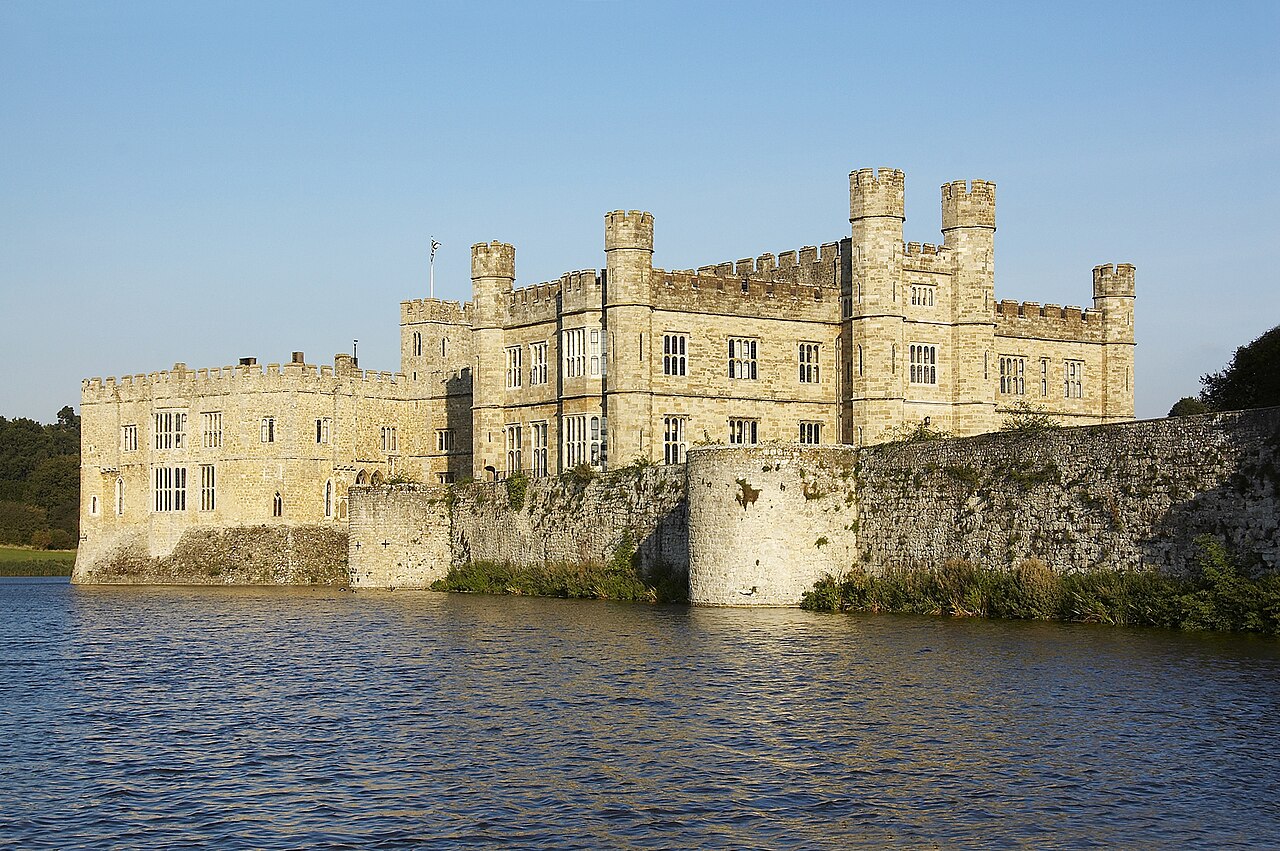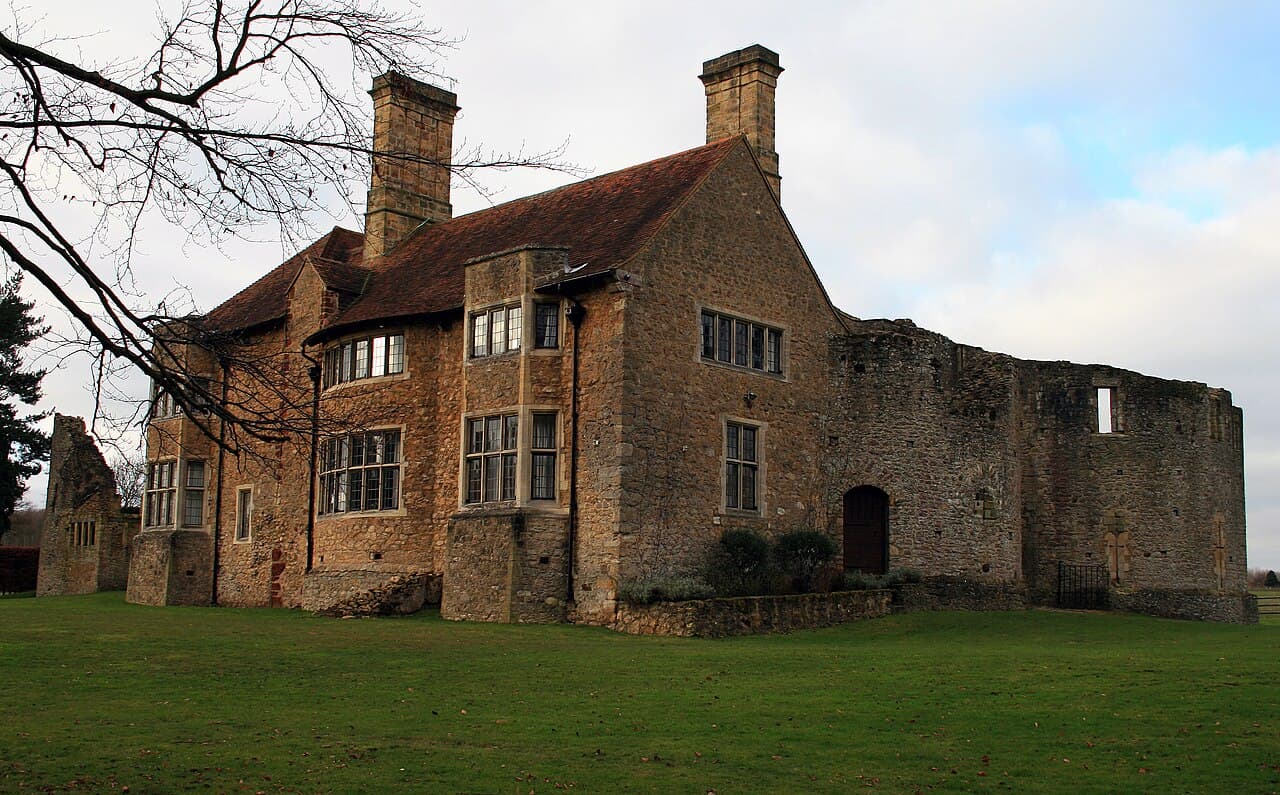
Leybourne Castle
Leybourne Castle is a notable example of a 13th-century hill castle located in the parish of Leybourne, in Kent, England. Constructed during the High Medieval period, this castle exemplifies the typical defensive architecture of its time, strategically positioned on elevated ground to oversee the surrounding landscape and control access routes.
Historical context and origins
The castle was established in the early 1200s, a period marked by the consolidation of feudal power and the need for fortified residences by the English nobility. Its location in Kent, a historically significant county due to its proximity to the continent and important trade routes, made Leybourne Castle an important stronghold for regional defense and administration.
Throughout the medieval period, Leybourne Castle served as the seat of the Leybourne family, who were influential local lords. The castle's history is intertwined with the broader political and military developments of medieval England, including the turbulent times of baronial conflicts and royal power struggles.
Architectural features and layout
Leybourne Castle is classified as a hill castle, characterized by its elevated position which provided natural defensive advantages. The castle's design follows typical medieval fortification principles, featuring a strong curtain wall enclosing the inner bailey and defensive towers placed at strategic points to oversee the approaches.
The castle originally included a keep or fortified residence, which would have served as the last line of defense and the living quarters for the lord and his family. Remnants of the curtain walls and foundations of various buildings within the castle grounds can still be identified, offering insight into the castle's original layout and function.
While much of the castle is now in ruins, archaeological studies have revealed the presence of a moat or ditch surrounding parts of the castle, enhancing its defensive capabilities. The use of local stone and medieval masonry techniques is evident in the surviving structures.
Role in regional defense and administration
During its active use, Leybourne Castle functioned both as a military fortification and a center of local governance. The castle's strategic location allowed its occupants to monitor and control movement along key routes in Kent, contributing to the security of the region.
As a lordly residence, the castle was also a hub for managing estates and local justice, reflecting the feudal system's administrative needs. The castle's presence symbolized the authority and power of the Leybourne family within the county.
Current condition and preservation
Today, Leybourne Castle exists primarily as archaeological ruins, with parts of its walls and foundations visible to visitors. While it no longer functions as a defensive structure or residence, the site remains an important cultural heritage landmark in Kent.
Preservation efforts focus on stabilizing the remaining structures and facilitating public access for educational and historical appreciation. The castle's ruins provide valuable information about medieval castle construction and the social history of the region.
Visiting Leybourne Castle
Visitors to Leybourne Castle can explore the remains and enjoy the surrounding landscape that once formed part of the castle's defensive setting. The site offers a glimpse into medieval life and architecture, making it a point of interest for history enthusiasts and tourists exploring Kent's rich heritage.
Accessibility and visitor information
The castle is accessible via local roads in Leybourne parish, with nearby parking and walking paths leading to the ruins. While the site is open to the public, facilities may be limited due to its status as an archaeological site.
Nearby attractions
Kent is home to several other medieval castles and historic sites, including Rochester Castle and Leeds Castle, which complement a visit to Leybourne Castle with broader insights into English medieval fortifications and noble residences.
Frequently asked questions (FAQ)
- How do I get to Leybourne Castle?
- Leybourne Castle is located in Leybourne, near West Malling in Kent. It is easily accessible by car via the M20 motorway and is situated close to local bus routes. For those using public transport, the nearest train station is West Malling, which is a short taxi ride away from the castle.
- What is the historical significance of Leybourne Castle?
- Leybourne Castle dates back to the 13th century and has a rich history involving various noble families, including the de Leyburn family. It played a strategic role during the medieval period, serving as a defensive stronghold. Today, the castle is recognized for its historical architecture and remains a fascinating site for history enthusiasts.
- When was Leybourne Castle built?
- Leybourne Castle was originally constructed in the late 13th century, with significant modifications made over the years. The castle showcases elements of medieval architecture that reflect its long-standing historical importance. Much of what remains today gives insight into its past and the architectural styles of the era.
- Can I visit Leybourne Castle?
- Yes, Leybourne Castle is open to the public, allowing visitors to explore its grounds and learn about its history. However, it is advisable to check the official website for specific visiting hours and any potential restrictions. Guided tours may also be available to enhance your experience.
- Why is Leybourne Castle considered an important architectural site?
- Leybourne Castle is considered an important architectural site due to its well-preserved medieval structures and unique design. The castle features a blend of defensive architecture, including walls, towers, and a moat, which illustrate the military significance of castles during the medieval period. Its historical context makes it a valuable resource for understanding the architectural evolution in England.
- Is it possible to host events at Leybourne Castle?
- Yes, Leybourne Castle offers facilities for hosting private events, including weddings and corporate functions. The picturesque setting and historical ambiance make it a popular choice for special occasions. It is recommended to contact the castle's management for details on availability, services, and catering options.
- What are the best times to visit Leybourne Castle?
- The best times to visit Leybourne Castle are during the spring and summer months when the weather is pleasant and the gardens are in full bloom. Additionally, special events and festivals often take place during this period, enhancing your visit. Early weekdays tend to be less crowded, providing a more intimate experience.
- What are the ticket prices for Leybourne Castle?
- Ticket prices for Leybourne Castle can vary based on age and group size, with discounts often available for children, seniors, and families. It's advisable to check the official website for the latest pricing information and any special offers. Purchasing tickets in advance may also save you time upon arrival.
- What are the opening hours for Leybourne Castle?
- Leybourne Castle typically opens to visitors from 10 AM to 5 PM, but hours may vary seasonally. It is recommended to verify current opening times on the castle's website before planning your visit. Special events or holidays may also affect regular hours, so checking in advance is always a good idea.

Information
Loading map...
Visitor reviews
No reviews yet. Been here? Write the first review and help other travelers!
Write the first reviewVisited this castle? Share your experience
Your review helps other travelers and adds first-hand knowledge to our encyclopedia.