Spandau Citadel
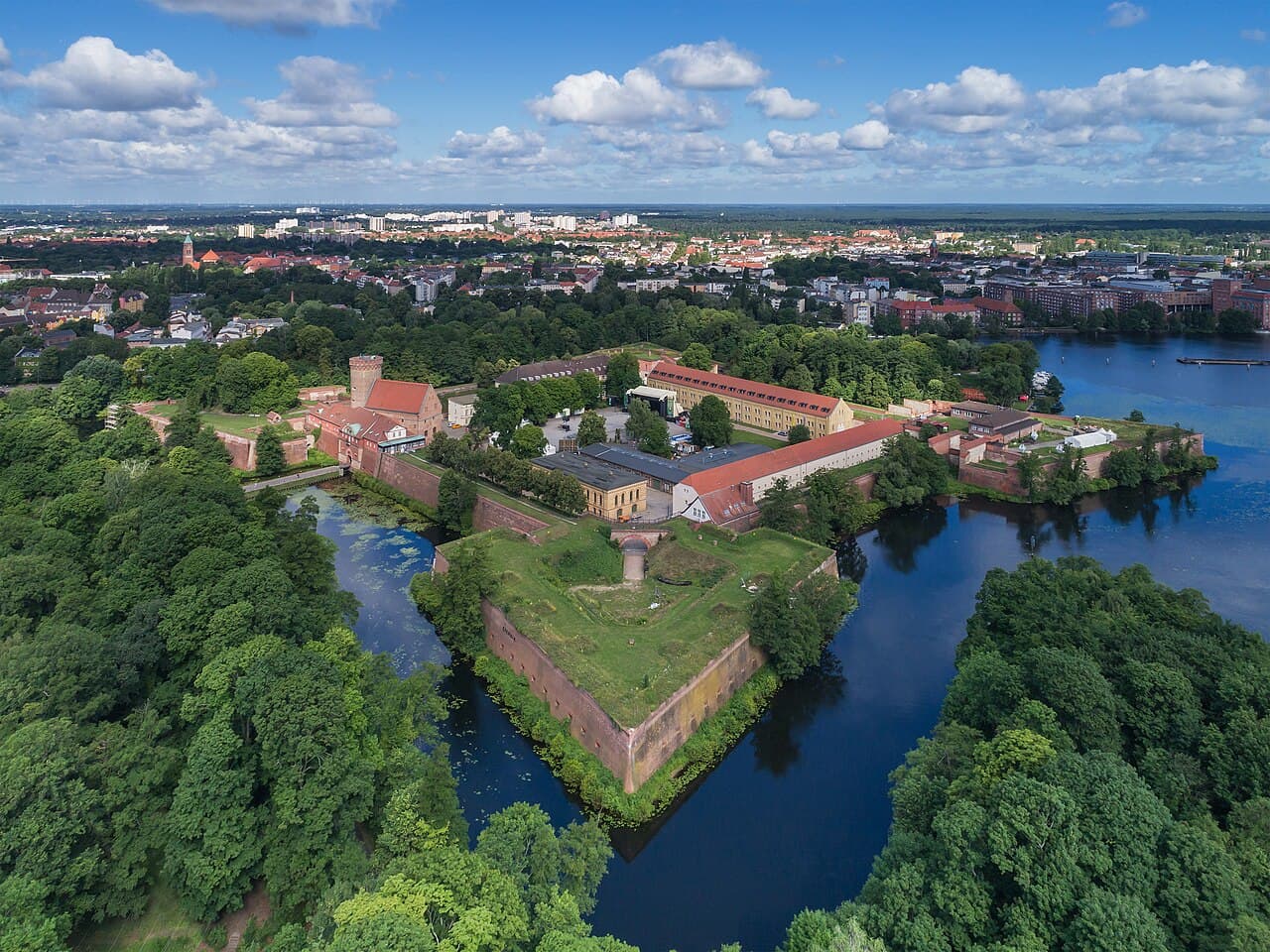
Spandau Citadel stands as one of the most remarkable and well-preserved Renaissance military fortresses in Europe. Situated in the western district of Berlin, this imposing fortress was constructed between 1559 and 1594 on the site of an earlier medieval fortification. Its strategic location on an island formed by the confluence of the Havel and Spree rivers was carefully chosen to defend the town of Spandau, which later became part of Berlin. The citadel exemplifies the military architectural innovations of the Renaissance period, designed to withstand the evolving artillery technology of the 16th century.
Historical context and strategic importance
The origins of the Spandau Citadel trace back to a medieval fortress that guarded the town of Spandau, a key trading and military hub due to its river junction. During the mid-16th century, advances in siege warfare and cannon technology necessitated a new style of fortification. The existing medieval structures were inadequate against artillery bombardment, prompting the Elector of Brandenburg to commission a modern fortress.
Construction began in 1559 under the direction of Italian military engineer Francesco Chiaramella de Gandino, who brought Renaissance fortification principles to the project. The citadel was built to serve as a defensive stronghold protecting the approaches to Berlin from the west, as well as a garrison and administrative center.
Architectural features and design
Renaissance bastion fort design
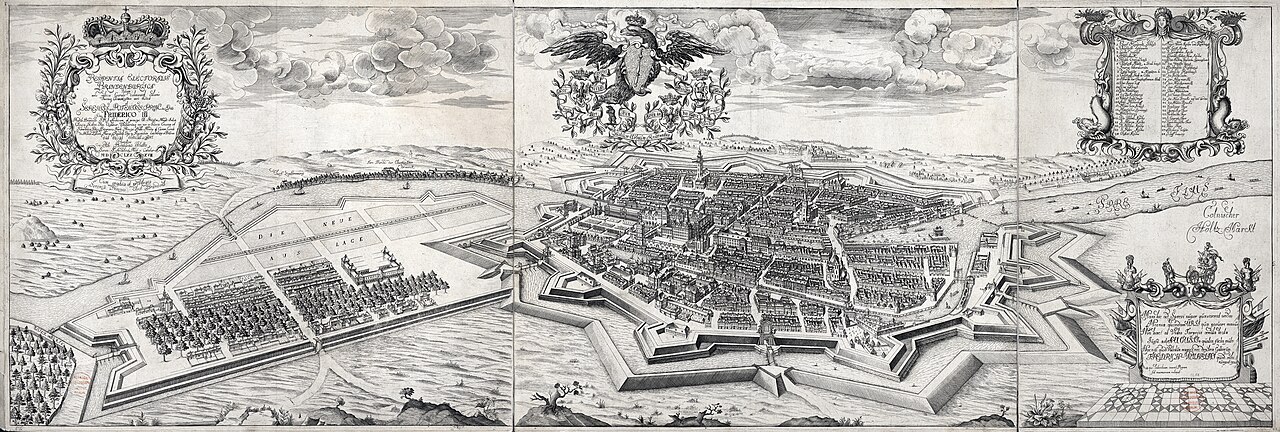
The Spandau Citadel is a quintessential example of a Renaissance bastion fortress, characterized by its star-shaped layout with angular bastions designed to eliminate blind spots and provide overlapping fields of fire. The fortress is surrounded by a wide moat fed by the adjacent rivers, enhancing its defensive capabilities.
The walls are constructed of robust brick masonry, typical of northern German fortifications, and the bastions are equipped with artillery platforms. The fortress includes a main gatehouse with a drawbridge, multiple defensive towers, and thick curtain walls designed to absorb cannon fire.
Interior structures and functional spaces
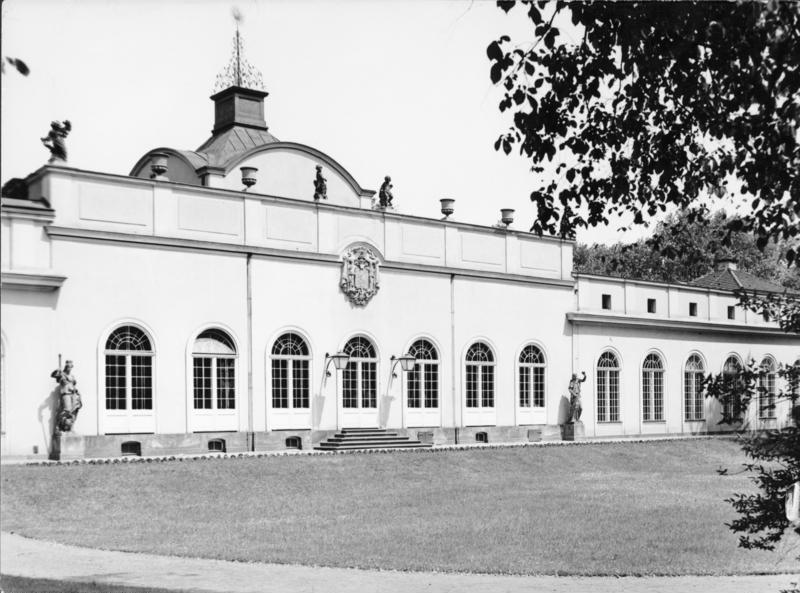
Inside the citadel, there are several buildings including barracks, storage facilities, and administrative offices. The casemates—vaulted chambers within the walls—were used for housing troops and storing munitions safely. The central courtyard served as a parade ground and gathering space for the garrison.
Role through history
Throughout its history, the Spandau Citadel has played various military and administrative roles. It was a key defensive site during the Thirty Years' War and later conflicts. In the 19th and early 20th centuries, the fortress was adapted for use as a prison and military depot.
During World War II, the citadel suffered some damage but remained largely intact. After the war, it was preserved as a cultural monument and converted into a museum. Today, it hosts exhibitions on military history and Renaissance architecture, attracting numerous visitors annually.
Current status and visitor experience
The Spandau Citadel is managed as a museum and cultural venue, offering guided tours that highlight its architectural features and historical significance. Visitors can explore the extensive ramparts, bastions, and interior buildings, gaining insight into Renaissance military engineering.
The site also hosts concerts, festivals, and educational programs, making it a vibrant cultural hub in Berlin. Its well-preserved condition and picturesque riverside setting contribute to its popularity among tourists and locals alike.
Architectural legacy and cultural significance
The Spandau Citadel remains a prime example of Renaissance military architecture in northern Europe. Its design reflects the transition from medieval fortifications to modern bastioned defenses, incorporating Italian innovations adapted for German conditions.
As one of the best-preserved fortresses of its kind, it provides valuable insights into 16th-century military strategy, engineering, and urban defense. The citadel's preservation allows scholars and visitors alike to appreciate the complexity and ingenuity of Renaissance fortification design.
Frequently asked questions (FAQ)
- How do I get to Spandau Citadel?
- You can reach Spandau Citadel via public transportation by taking the S-Bahn to Spandau station, which is about a 15-minute walk from the castle. Additionally, there are buses that stop nearby and provide easy access to the site.
- What is the historical significance of Spandau Citadel?
- Spandau Citadel, built in the 16th century, is one of the best-preserved Renaissance fortresses in Europe. It played a crucial role in the defense of Berlin and has served various purposes over the centuries, including a military prison.
- When was Spandau Citadel constructed?
- Construction of Spandau Citadel began in 1559 and was completed in 1594. The fortress was designed to protect the important trade routes and has witnessed many historical events over the years.
- Can I take a guided tour of Spandau Citadel?
- Yes, guided tours are available for visitors who wish to learn more about the history and architecture of Spandau Citadel. These tours are conducted in multiple languages and provide in-depth insights into the fortress's significance.
- Why is the architecture of Spandau Citadel notable?
- The architecture of Spandau Citadel is notable for its well-preserved Renaissance style, featuring impressive bastions and a unique layout. The fortress reflects the military architectural techniques of its time, making it a fascinating site for history and architecture enthusiasts.
- Is it possible to access Spandau Citadel with a wheelchair?
- Yes, Spandau Citadel is accessible for visitors with mobility challenges. The site offers wheelchair ramps and accessible paths, ensuring that everyone can enjoy the fortress and its exhibits.
- What are the opening hours of Spandau Citadel?
- Spandau Citadel is open to visitors from 10 AM to 6 PM daily, with extended hours during the summer months. It is advisable to check the official website for any seasonal changes or special events that may affect visiting hours.
- What are the ticket prices for Spandau Citadel?
- Tickets for Spandau Citadel are reasonably priced, with discounts available for students and seniors. Children under a certain age can enter for free, making it an affordable option for families.
- What nearby attractions can I visit while at Spandau Citadel?
- Nearby attractions include the historic old town of Spandau, the St. Nicholas Church, and the Spandau Arcaden shopping center. Exploring these sites can enhance your visit and provide a fuller experience of the area.

Information
Website
Visit websiteSources & official resources
Verify the information above using these authoritative references.
Loading map...
Visitor reviews
No reviews yet. Been here? Write the first review and help other travelers!
Write the first reviewVisited this castle? Share your experience
Your review helps other travelers and adds first-hand knowledge to our encyclopedia.