Softa Castle
Softa Castle, locally known as Softa Kalesi, is a historic hill fortress situated near the village of Kaledibi in the province of Mersin, Turkey. This castle stands prominently on a hill overlooking the surrounding landscape, offering strategic views that have underscored its military importance since antiquity. Its origins trace back to the late Roman period, when it was initially constructed to oversee the ancient Greek city of Arsinoe. Throughout its history, Softa Castle has witnessed a succession of rulers and cultural influences, reflecting the complex political and military dynamics of the region.
During the Byzantine era, the castle was known by names such as Sycae, Syke, or Sechin. The current remains are believed to have been built or significantly modified by Armenian masons on top of earlier foundations. This aligns with the period of the Armenian Kingdom of Cilicia (1198–1375), during which Softa Castle served as a vital fortress protecting the kingdom's western borders against the Seljuk Turks. The castle's role as a defensive stronghold during this era highlights its strategic importance in controlling regional access routes and providing military security.
Historical transitions and military significance
In the early 13th century, specifically around 1225, the castle changed hands when the Seljuks captured it from the Armenian king Leo I. This event marked a significant shift in regional power, as the Seljuks expanded their influence across Anatolia. Subsequently, the castle came under the control of the Karamanids, a powerful Turkish principality that played a key role in the region during the late medieval period. The Karamanids maintained control until the 1470s, when Gedik Ahmet Pasha, an Ottoman vizier, incorporated Softa Castle into the Ottoman Empire. After this integration, the castle gradually lost its military importance and eventually faded from historical prominence.
Architectural features and layout
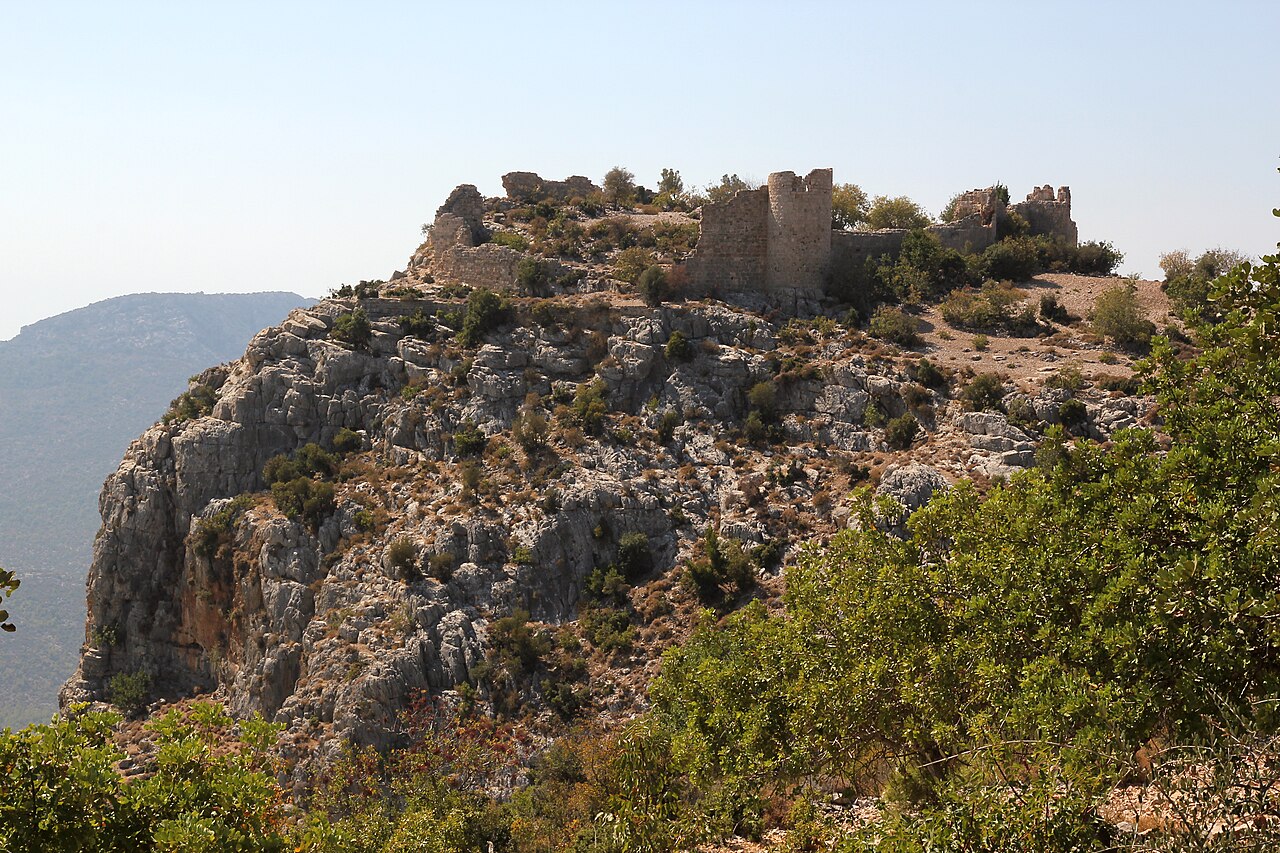
Softa Castle is characterized by an irregular, oval-shaped ground plan that measures approximately 80 meters across at its narrowest point. It is classified as a hill castle, situated on a hill rising about 140 meters above the surrounding plain. The terrain slopes downward to the west, influencing the castle's defensive design. The fortress comprises an inner and outer bailey, with the main gate located on the western side, providing the primary access point to the castle's interior.
Within the castle walls, visitors can find the remains of several important structures that illustrate the castle's multifaceted role. These include the ruins of a palace, which indicates that the castle functioned not only as a military installation but also as a residence for rulers or commanders. The presence of multiple cisterns highlights the critical importance of water storage for sustaining the castle's inhabitants during sieges or dry periods.
A notable feature is the Roman bathhouse located inside the fortress, reflecting the site's long occupation and adaptation through different historical periods. Additionally, the remains of a mosque provide evidence of the castle's Islamic period usage, signifying the religious and cultural shifts that occurred over time.
Defensive elements and construction techniques
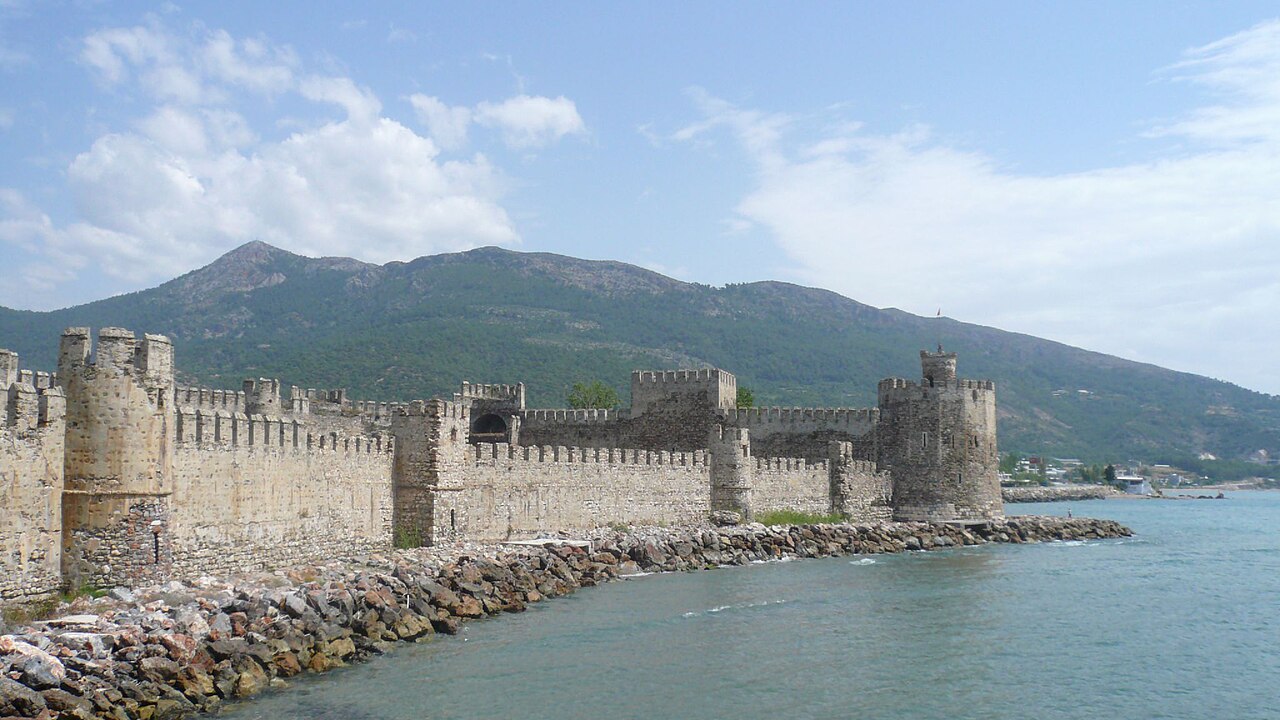
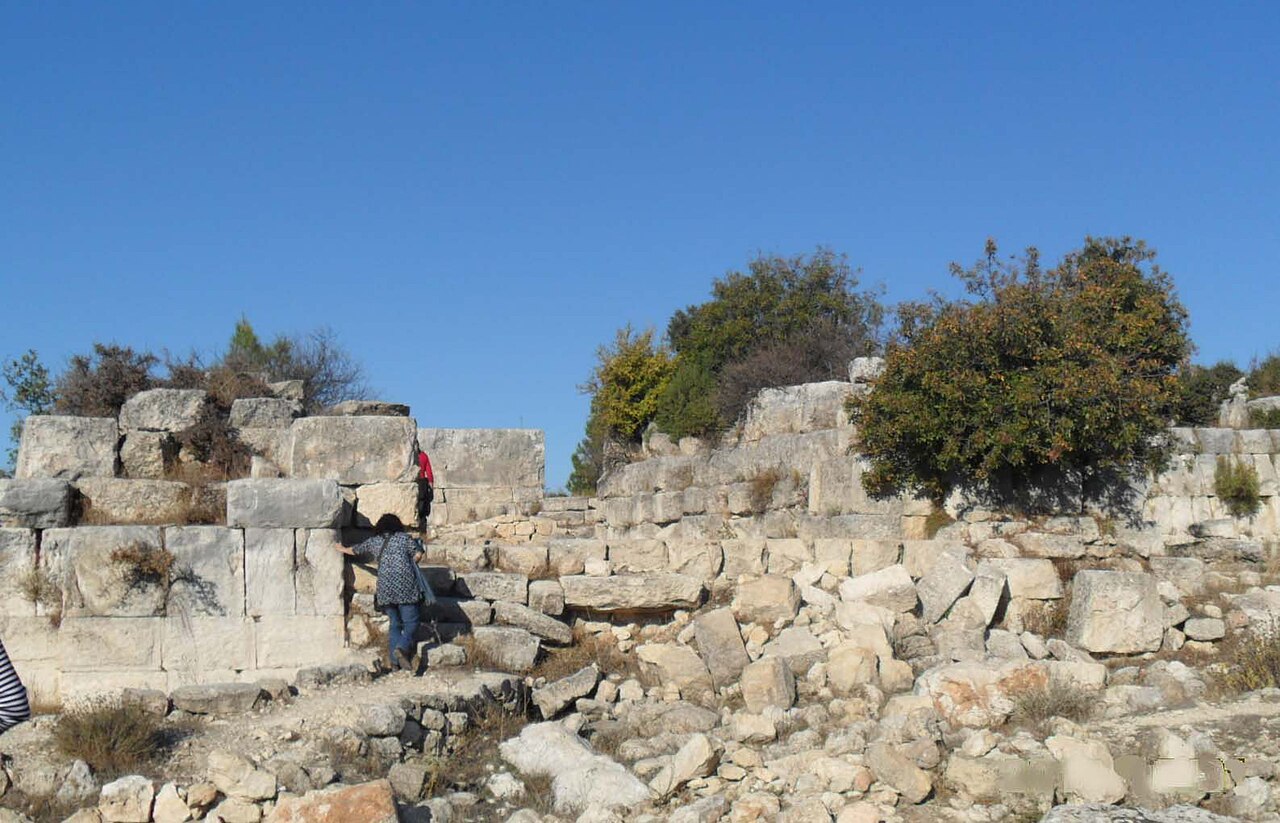
The castle's fortifications were constructed primarily from stone, employing building techniques typical of the late Roman and medieval periods. The walls are reinforced by towers and battlements designed to provide defensive advantages against attackers. The irregular shape of the castle follows the natural contours of the hill, maximizing defensive capabilities while adapting to the challenging terrain.
Archaeological remains and surrounding landscape
Outside the castle walls, particularly on the southern slopes of the hill, numerous graves have been discovered. These burial sites suggest the area served as a community hub with associated cemeteries, linking the fortress to its surrounding population. The graves provide valuable archaeological insights into the cultural and social practices of the castle's inhabitants over the centuries.
While no inscriptions or dedicatory artifacts have been found on site, the combination of architectural remains offers a rich narrative of Softa Castle's long and varied history. Restoration efforts have been undertaken to preserve the existing structures, although much of the site remains in a fragmentary condition due to the passage of time and natural decay.
Accessibility and visitor experience
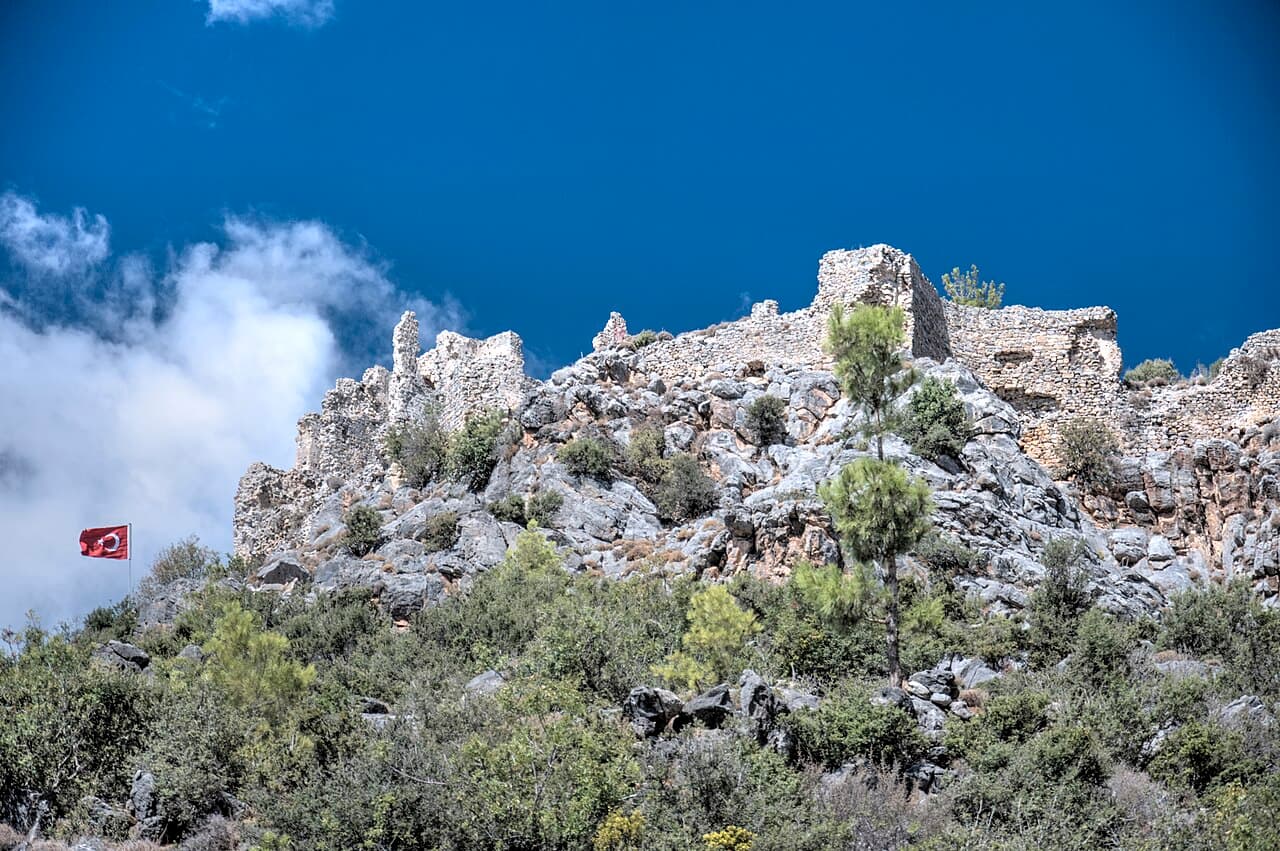
Despite its historical significance, Softa Castle is relatively difficult to access. The hill on which it stands is surrounded by residential areas, but there is no clearly marked or maintained path leading to the castle. Visitors must navigate through dense trees, prickly shrubs, and steep, rocky terrain to reach the ruins. The ascent can take up to an hour, depending on the chosen route and visitor fitness.
Once inside, the castle's interior can be challenging to traverse due to abundant vegetation growth and uneven surfaces. However, the effort is rewarded with a unique glimpse into a fortress that encapsulates centuries of history and architectural evolution. The castle's elevated position offers panoramic views of the surrounding landscape, enhancing the visitor experience.
Local legends and cultural significance
A popular local legend claims that an underground tunnel connects Softa Castle to Mamure Castle, located approximately 10 kilometers to the west. While this story adds an element of mystery and intrigue, historical and archaeological evidence does not support the existence of such a tunnel. Nonetheless, the legend remains an important part of the cultural heritage and oral traditions of the region.
Today, Softa Castle stands as a testament to the layered history of southern Anatolia, reflecting the influences of Roman, Byzantine, Armenian, Seljuk, Karamanid, and Ottoman civilizations. Its ruins offer valuable insights into medieval military architecture and the complex history of border fortifications in this strategically significant region.
Frequently asked questions (FAQ)
- How do I get to Softa Castle?
- Softa Castle is located on a hill near Bozkurt Cd. in Mersin Province, Turkey. There is no marked path, so visitors should be prepared for a challenging hike through dense vegetation and steep terrain.
- What historical periods does Softa Castle represent?
- Softa Castle reflects multiple historical periods, including the late Roman era, Byzantine times, the Armenian Kingdom of Cilicia, the Seljuk period, the Karamanid Beylik, and the Ottoman Empire.
- Is Softa Castle accessible for visitors?
- While Softa Castle is freely accessible, the lack of established paths and the rugged hillside make visiting physically demanding. Proper footwear and caution are recommended.
- What are the notable architectural features of Softa Castle?
- Notable features include an irregular oval layout with inner and outer baileys, remains of a palace, a Roman bathhouse, several cisterns, and a mosque, reflecting its long-term occupation and adaptations.
- Are there any legends associated with Softa Castle?
- Local legend speaks of a tunnel connecting Softa Castle to Mamure Castle, about 10 kilometers away, though no archaeological evidence supports this story.
Photo gallery

Information
Sources & official resources
Verify the information above using these authoritative references.
Loading map...
Visitor reviews
No reviews yet. Been here? Write the first review and help other travelers!
Write the first reviewVisited this castle? Share your experience
Your review helps other travelers and adds first-hand knowledge to our encyclopedia.