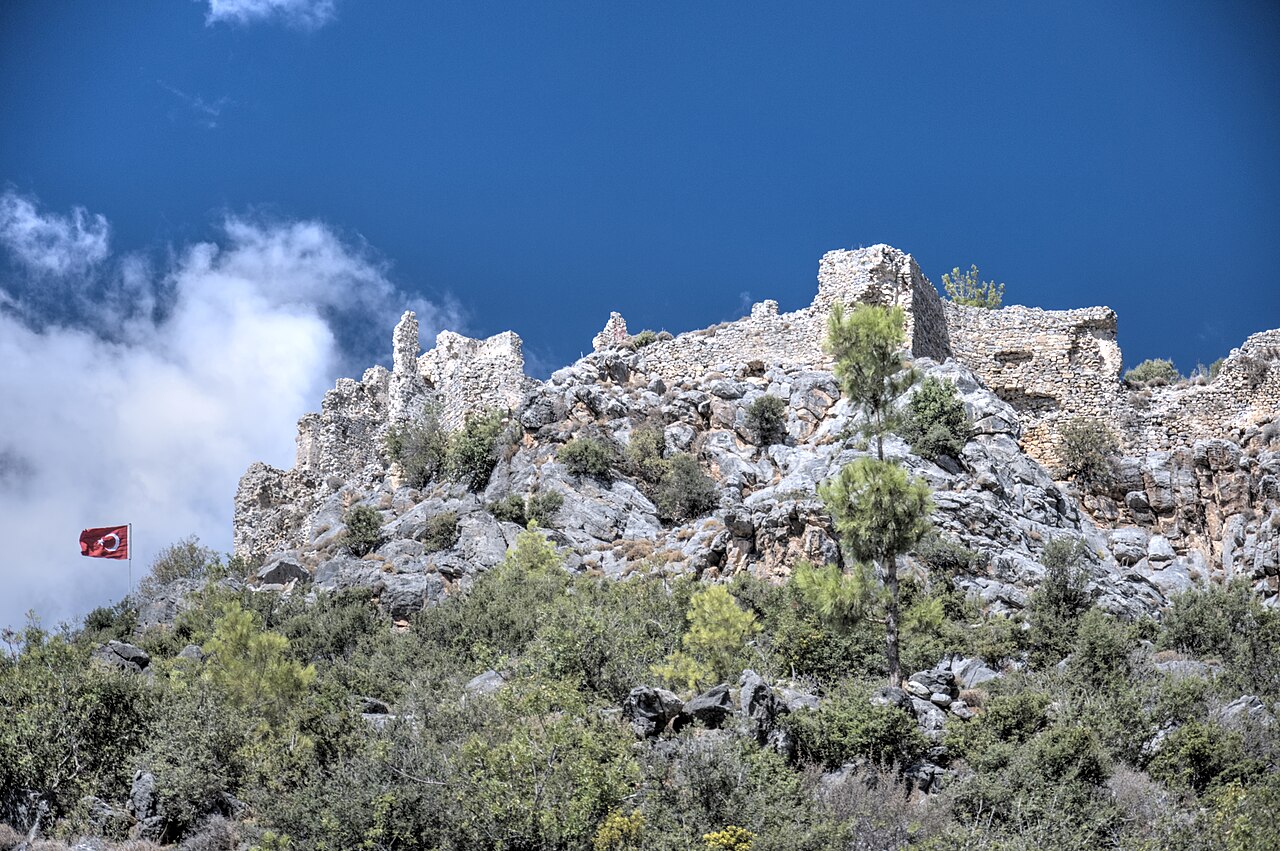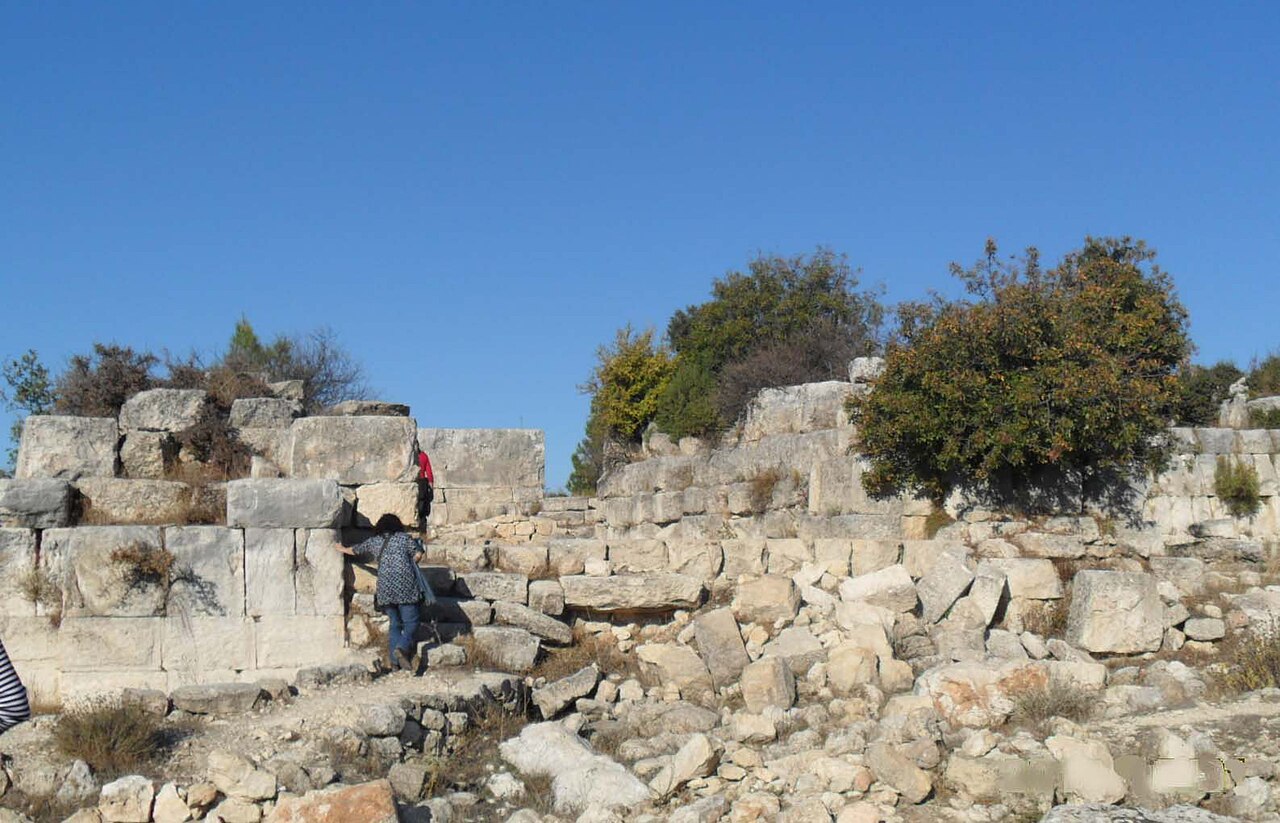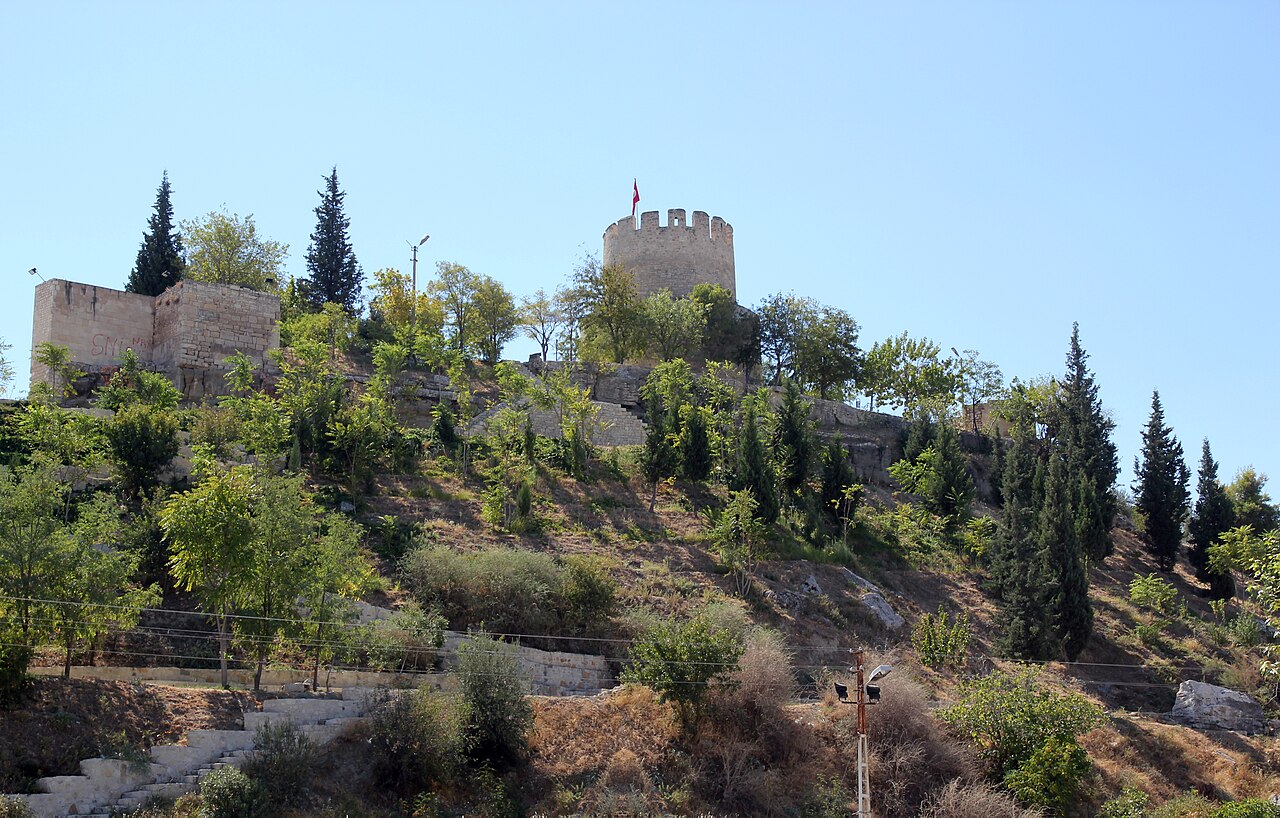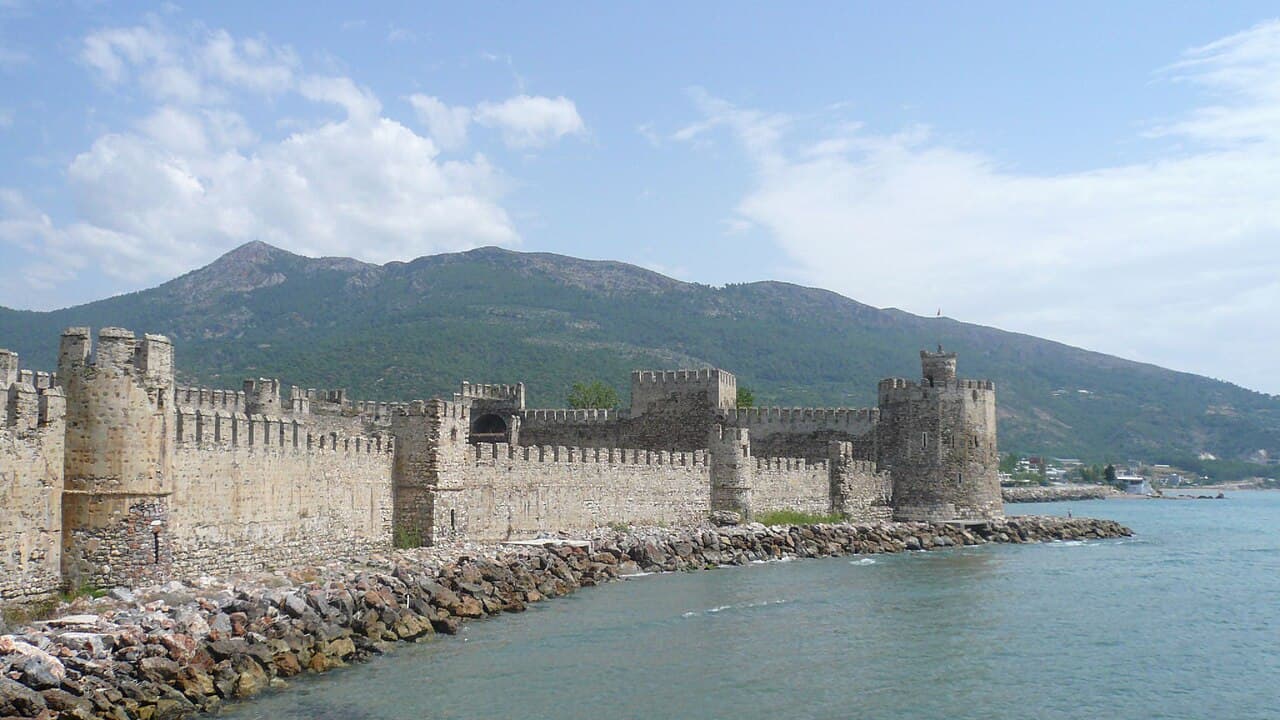
Mamure Castle
Mamure Castle, known locally as Mamure Kalesi, is a striking example of a historic coastal fortress located near the town of Anamur in the Mersin province of Turkey. Positioned strategically along the Mediterranean coastline, the castle has a rich history spanning from its Roman origins in the 4th century through its medieval reconstructions and Ottoman restorations. Its enduring presence offers valuable insights into the military architecture and regional power struggles that shaped the history of Cilicia and the eastern Mediterranean.
The site of Mamure Castle was originally established as a Roman fortification in the 4th century AD, constructed primarily to defend the coastline against pirate raids and other maritime threats. Archaeological evidence confirms a 3rd-century Roman settlement at the location, underscoring its long-standing strategic importance. The castle's proximity to the ancient city of Anemurium, which flourished from the 4th century BC until its abandonment in the 7th century due to Arab incursions, further emphasizes the area's historical significance as a hub of trade and defense.
Historical evolution and strategic importance
Throughout its history, Mamure Castle witnessed numerous changes in control and underwent multiple phases of construction and renovation. During the medieval period, the fortress was held by the Armenian Kingdom of Cilicia, who reinforced and expanded the existing structures to bolster their military presence in the region. The castle's role as a key defensive stronghold continued through the Byzantine era and the Crusades, reflecting the turbulent political landscape of the time.
In 1225, the Seljuk Turks under Alaaddin Keykubad I captured the castle from the Armenians. The Seljuks integrated the earlier fortifications into a larger, more formidable fortress, which served as a vital base for controlling the surrounding territory. Later, the Karamanid dynasty, led by Bedreddin Mahmud Bey, seized the castle between 1300 and 1308. Under Karamanid rule, the castle was extensively rebuilt and modernized, including the addition of a small mosque within its walls. The name "Mamure," meaning "prosperous," was bestowed during this period to reflect the castle's renewed strength and significance.
The Lusignan kingdom of Cyprus intermittently controlled Mamure Castle in the late 13th and mid-14th centuries, using it as a foothold on the Anatolian mainland. In 1496, the castle was absorbed into the expanding Ottoman Empire. The Ottomans carried out various restorations during the 15th and 16th centuries to maintain its defensive capabilities. In the late 19th century, following British occupation of Cyprus, the Ottomans reinforced the castle once more, and it remained garrisoned until the end of World War I.
Architectural features and layout
Mamure Castle is notable for its impressive scale and complex defensive design. The fortress covers approximately 23,500 square meters and is encircled by a deep moat, a classic feature of medieval military architecture intended to impede attackers. The outer walls stretch about 580 meters in length and are punctuated by 39 towers and bastions, which are interconnected by broad ramparts that provided defenders with extensive vantage points and mobility.
The castle's layout is divided into three main fortified sections: the inner castle or citadel to the west, the outer castle to the north, and the inner courtyard to the east. This tripartite division created multiple layers of defense, making the fortress difficult to capture. The inner castle served as the last refuge during sieges, housing the most critical facilities and personnel.
Within the western courtyard, visitors can find the remains of a small mosque, reflecting the Islamic influence introduced during the Karamanid and Ottoman periods. Adjacent to this religious structure are the ruins of a Turkish bathhouse or hammam, which provided hygiene and relaxation amenities for the castle's inhabitants. These features highlight the castle's dual role as both a military stronghold and a self-sustaining community.
The southern courtyard contains the remains of a lighthouse atop the main southeastern tower. This lighthouse was an essential navigational aid for ships sailing along the Mediterranean coast, underscoring the castle's maritime significance. Its coastal location near the modern D400 highway, about six kilometers east of Anamur, allowed it to function as both a watchtower and a guardian of sea routes.
Cultural and historical significance
Mamure Castle stands as a testament to the complex history of Cilicia and the eastern Mediterranean. Its layered construction reflects the diverse cultural influences of Roman, Byzantine, Armenian, Seljuk, Karamanid, Lusignan, and Ottoman powers. Each phase of occupation left architectural and archaeological marks that provide valuable insights into medieval military engineering and regional geopolitics.
The castle's preservation allows visitors to experience a tangible connection to centuries of history. Its extensive fortifications, towers, and internal structures illustrate the evolution of defensive strategies over time. Additionally, the presence of religious and communal buildings within the walls highlights the castle's role beyond mere military functions.
Visitor experience and accessibility
Today, Mamure Castle is accessible to the public for a modest entrance fee. Visitors can explore its numerous halls, stairways, and courtyards, gaining a comprehensive understanding of medieval fortress life. The castle's well-preserved walls and towers offer panoramic views of the Mediterranean Sea and the surrounding landscape, making it a popular destination for history enthusiasts and tourists alike.
The castle's location near the D400 highway ensures easy access by road, and its proximity to Anamur allows for convenient accommodation and amenities. Guided tours and informational signage enhance the visitor experience by providing context and highlighting key features of the fortress.
Architectural details worth noting
- The extensive use of stone masonry in the walls and towers demonstrates advanced medieval construction techniques.
- The moat surrounding the castle was a critical defensive element against siege warfare.
- The 39 towers and bastions vary in shape and size, designed to cover all approaches and provide overlapping fields of fire.
- The presence of a mosque and hammam within the castle indicates the integration of daily life and religious practice within the fortress.
- The lighthouse ruins emphasize the castle's role in maritime navigation and coastal defense.
Historical events linked to mamure castle
- The castle's use by Philip II of France during the Third Crusade in 1191 highlights its strategic importance in medieval military campaigns.
- The frequent changes of control between Armenians, Seljuks, Karamanids, Lusignans, and Ottomans reflect the contested nature of Cilicia throughout the Middle Ages.
- The Ottoman reinforcement of the castle in 1878, after the British occupation of Cyprus, underscores its continued military relevance into the modern era.
Frequently asked questions (FAQ)
- How do I get to Mamure Castle?
- Mamure Castle is located near the D400 highway, approximately 6 kilometers east of Anamur in Mersin province, Turkey. It is easily accessible by car or local transport from Anamur.
- What are the opening hours of Mamure Castle?
- Mamure Castle is generally open to visitors daily during daylight hours, but specific opening times can vary seasonally. It is advisable to check locally before planning your visit.
- Is there an entrance fee to visit Mamure Castle?
- Yes, visitors are required to pay a small entrance fee to explore Mamure Castle. The fee helps support the maintenance and preservation of the site.
- What architectural styles are visible at Mamure Castle?
- Mamure Castle exhibits a blend of architectural styles, including Roman military engineering, medieval Armenian fortifications, and Seljuk and Ottoman modifications, reflecting its complex history.
- Can I explore the interior of Mamure Castle?
- Visitors can explore many parts of Mamure Castle, including its halls, staircases, courtyards, and towers. The castle offers a comprehensive experience of medieval fortress architecture.
- Why is Mamure Castle historically significant?
- Mamure Castle is significant due to its continuous use and adaptation from the Roman period through the Ottoman era, showcasing centuries of military and cultural history in Cilicia.
Photo gallery

Information
Sources & official resources
Verify the information above using these authoritative references.
Loading map...
Visitor reviews
No reviews yet. Been here? Write the first review and help other travelers!
Write the first reviewVisited this castle? Share your experience
Your review helps other travelers and adds first-hand knowledge to our encyclopedia.