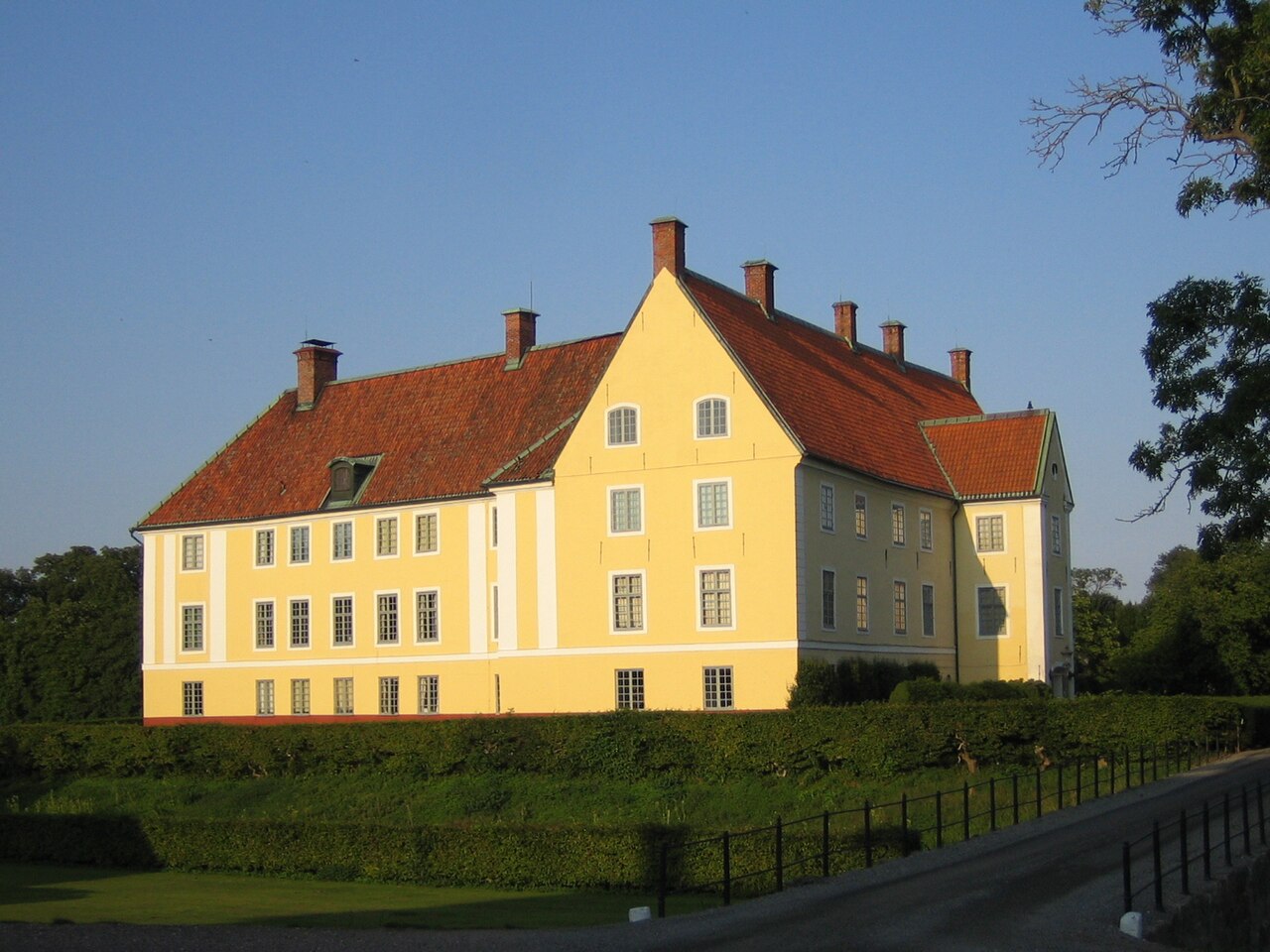
Snogeholm Castle

Snogeholm Castle in Sjöbo, Sweden
Sjöbo, Sweden
Modern (19th–20th c.)
Well Preserved

Snogeholm Castle stands as a notable example of 19th-century French Rococo architecture in the Swedish region of Sjöbo. Constructed in 1870 by Erik Claes Piper, the castle replaced earlier structures on the site of the historic Snogeholm farm, which dates back to the 16th century. The estate has a rich lineage of ownership, including prominent noble families such as the Thott, Brahe, Marsvin, and Bille families, reflecting the region's aristocratic history.

Historical background and ownership

The original Snogeholm farm was established in the 16th century and passed through several noble hands over the centuries. In the 1690s, Christian Bille undertook significant construction, erecting a new main building flanked by two detached wings, marking a notable architectural evolution of the estate. This structure, however, was later replaced by the current castle, reflecting changing tastes and the ambitions of its owners.

Architectural style and features

The present Snogeholm Castle is designed in the French Rococo style, a choice that distinguishes it within the Swedish architectural landscape. The building is characterized by its two storeys and three distinctive towers, which contribute to its elegant silhouette. The Rococo style is evident in the castle's ornate detailing, graceful proportions, and decorative elements that emphasize lightness and sophistication.

Towers and layout

The castle's three towers are key architectural features, providing both aesthetic appeal and functional space. Their placement and design reflect the Rococo emphasis on asymmetry and ornamental complexity. The overall layout of the castle, with its central main building and towers, creates a balanced yet dynamic composition.

Notable historical events

Wilhelm II, the German Emperor, visited Snogeholm Castle twice, in 1899 and 1902. These visits underscore the castle's significance as a site of aristocratic hospitality and international connections during the late 19th and early 20th centuries.

Surrounding estate and nearby historical sites

The castle is situated near a small island called Hägerholmen, which holds its own historical interest. On this island once stood the medieval castle Heireholm, which was destroyed by fire in the 1500s. Today, only fragments of Heireholm remain, providing a glimpse into the medieval history of the area and its strategic importance.

Current use and visitor information

Today, Snogeholm Castle functions as a hotel and restaurant, offering visitors a chance to experience its historic ambiance alongside modern hospitality. The preservation of the castle and its adaptation to contemporary use allow guests to appreciate both its architectural beauty and its historical context.

Architectural preservation

The castle is well preserved, maintaining much of its original Rococo style charm and structural integrity. Its continued use and maintenance ensure that it remains a significant cultural and architectural landmark in the Sjöbo region.

Frequently asked questions (FAQ)

What is the historical significance of Snogeholm Castle?
Snogeholm Castle is a notable example of Renaissance architecture in Sweden, built in the late 16th century. It has served various purposes throughout its history, including as a noble residence and an agricultural estate, reflecting the region's rich cultural heritage.
When was Snogeholm Castle built?
Snogeholm Castle was constructed between 1560 and 1570, making it one of the oldest castles in the Skåne region. Its construction marked the transition of Scandinavian architecture towards the Renaissance style, characterized by its elegant design and fortifications.
How do I visit Snogeholm Castle?
Visitors can access Snogeholm Castle by car or public transportation, with nearby parking available for those driving. It is advisable to check the castle's official website for any tours or special events that may require advance booking.
What are the opening hours for Snogeholm Castle?
The opening hours for Snogeholm Castle may vary by season, typically being open from spring until autumn. Visitors should verify the current hours on the castle's website before planning their trip to ensure they can explore the grounds.
Can I take guided tours of Snogeholm Castle?
Yes, guided tours are available at Snogeholm Castle, providing insights into its rich history and architectural features. These tours are often conducted by knowledgeable guides and may require prior reservation, especially during peak tourist seasons.
Is it possible to host events at Snogeholm Castle?
Yes, Snogeholm Castle offers facilities for hosting various events, including weddings and corporate gatherings. Interested parties should contact the castle administration for detailed information on services, availability, and pricing.
When is the best time to visit Snogeholm Castle?
The best time to visit Snogeholm Castle is during the summer months, from June to August, when the weather is typically warm and sunny. This period also coincides with the castle's peak tourist season, featuring various events and activities.
What nearby attractions are there to explore?
Visitors to Snogeholm Castle can also explore the beautiful surrounding landscape, including Snogeholm Nature Reserve, which offers hiking trails and scenic views. Additionally, the charming town of Sjöbo is nearby, providing opportunities for dining and shopping.
What are the ticket prices for visiting Snogeholm Castle?
Ticket prices for Snogeholm Castle vary depending on age and group size, with discounts often available for children and seniors. It is recommended to check the official website for the most current pricing and any special offers.
Is Snogeholm Castle accessible for visitors with disabilities?
Snogeholm Castle strives to be accessible to all visitors, with efforts made to accommodate those with disabilities. However, due to the historical nature of the building, some areas may have limited access; it is best to contact the castle in advance for specific accessibility inquiries.

Information

Palace Castle

Sources & official resources

Verify the information above using these authoritative references.

Loading map...

Visitor reviews

No reviews yet. Been here? Write the first review and help other travelers!

Write the first review

Visited this castle? Share your experience

Your review helps other travelers and adds first-hand knowledge to our encyclopedia.
Write a review

(5/5)

0/2000 characters

Your review will be visible after admin approval

Nearby castles

2.6 km
Sövdeborg Castle — Sweden castle

Sövdeborg Castle

Sjöbo, Sweden

Sövdeborg Castle is a notable Renaissance hill castle located in Sjöbo Municipality, in the historical province of Scania, southern Sweden. Its origins trace back to the late 16th century when the castle was constructed between 1590 and 1597 by Frederik Lange, a nobleman who acquired the estate following the Reformation period, when the Crown of Denmark sold the land. The castle stands near the small Sövdesjön lake, strategically positioned on a slight elevation, consistent with the typical hill castle classification. Historical background and ownership The area where Sövdeborg Castle is situated originally belonged to the bishops of Lund during the Middle Ages. The ecclesiastical ownership ended with the Reformation, leading to the Crown of Denmark selling the property to Frederik Lange in 1587. Lange then initiated the construction of the current castle, which replaced earlier medieval structures that likely existed on the site. In the 19th century, the castle underwent significant changes under the ownership of Count Erik Piper, who led a major reconstruction project between 1840 and 1844. Piper's renovations adapted the castle to contemporary tastes while preserving its historical Renaissance character, adding elements that enhanced both its aesthetic appeal and functionality. Architectural features and layout Sövdeborg Castle was originally designed with a moat encircling the structure, a common defensive feature of castles from the Renaissance period. The layout includes a central section flanked by two wings, with a prominent tower that historically served both defensive and residential purposes. One of the castle's most remarkable interior features is the stone hall located in the southeast corner of the ground floor. This hall is distinguished by its unique stucco ceiling combined with an oak ceiling carved in the cartilage baroque style, an ornate decorative technique characterized by curved, cartilage-like shapes in wood carving. This feature exemplifies the artistic craftsmanship of the period and adds significant cultural value to the castle's interior. Surrounding landscape and gardens To the west of the castle lies a transformed area that was once part of the Sövdesjön lake. This partially drained section has been converted into an English park featuring scenic waterways. These channels are fed by water from the lake and the old mansion house’s channels, creating a harmonious blend of natural and designed landscapes that complement the castle's historic ambiance. Public access and cultural significance Sövdeborg Castle is among the approximately 25 castles in Scania that are open to the public, out of about 200 castles in the region. Visitors can explore the castle's interiors, appreciating the stucco decorations and the intricately carved oak ceilings. The castle's accessibility offers a valuable opportunity to experience a well-preserved example of Renaissance architecture and interior design in southern Sweden. The castle's historical and architectural significance, combined with its picturesque setting by the lake and the English park, make it a noteworthy destination for those interested in Swedish history, Renaissance architecture, and landscape design. Architectural style and preservation The castle exemplifies the Renaissance architectural style prevalent in northern Europe during the late 16th century. Its design reflects the transition from medieval fortifications to more comfortable noble residences, integrating defensive features like the moat and tower with elegant living spaces. Today, Sövdeborg Castle is in a well-preserved condition, maintaining much of its original structure and decorative elements. The renovations by Count Erik Piper in the 19th century helped preserve the castle’s integrity while adapting it for continued use. Notable architectural elements Moat: Originally surrounded the castle, providing defense and aesthetic appeal. Tower: Served as a lookout and symbol of power. Central section and wings: Form the main residential and functional spaces. Stone hall: Featuring a unique stucco and cartilage baroque oak ceiling. English park: Landscape design integrating water channels from the nearby lake.

Renaissance (15th–17th c.)
Details
3.6 km

Bellinga Castle

Ystad, Sweden

Bellinga Castle, located near the town of Ystad in Sweden, is a historic estate with origins dating back to the 14th century. The castle was first documented in 1346, marking it as a site with a long-standing presence in the region's history. During the 16th century, it served as a seat farm for the nearby Sövdeborg Castle, indicating its role within the local feudal and agricultural landscape. Historical background and ownership The estate underwent significant transformation in the 1860s when it came under the ownership of the Piper family. Elizabeth Piper and her husband, Carl Fredrik Hochschild, were responsible for constructing the current main building. This structure reflects the architectural trends of its time, designed in a manor house style rather than a traditional medieval fortress. Architectural features and style The present building at Bellinga Castle is characterized by its 19th-century manor architecture, which typically includes a symmetrical facade, large windows, and a pitched roof, designed more for residential comfort and aesthetic appeal than for defensive purposes. The castle does not retain medieval fortifications such as battlements or moats, which aligns with its function as a manor rather than a military stronghold. Main building and estate layout The main building, constructed in the 1860s, serves as the centerpiece of the estate. It likely features formal reception rooms, private chambers, and service areas typical of manor houses of that period. The surrounding grounds would traditionally include gardens, parkland, and agricultural land, supporting the estate's role as a seat farm historically. Current status and accessibility Today, Bellinga Castle remains in private ownership and is not open to the public. Its private status means that the estate is preserved as a residence rather than a tourist site, limiting access but also protecting its historical integrity. Significance in regional history While not a fortress in the medieval sense, Bellinga Castle represents the evolution of noble estates in southern Sweden from feudal agricultural centers to stately homes reflecting 19th-century tastes and lifestyles. Its continuous ownership by prominent families like the Pipers and Hochschilds ties it to the social history of the region. Despite the limited public access, Bellinga Castle contributes to the cultural landscape of Skåne County and offers insight into the architectural and social developments of Swedish manor houses in the 19th century.

Post-Renaissance (17th–18th c.)
Details
8.2 km
Krageholm Castle — Sweden castle

Krageholm Castle

Ystad, Sweden

Krageholm Castle, located in Ystad Municipality in the province of Scania, Sweden, is a prominent example of a Renaissance hill castle with a rich history spanning several centuries. The estate's origins trace back to the 14th century when it was owned by the noble Due family. Over the following centuries, ownership passed through notable Scandinavian noble families including the Tott and Brahe families, reflecting the shifting political and social landscape of medieval and early modern Sweden. Early history and noble ownership The estate first gained prominence during the Middle Ages as a significant noble holding. By the 17th century, in 1642, ownership was transferred to Otto Marsvin, a distinguished nobleman of the time. The castle's strategic location and fortifications made it a target during the frequent conflicts between Sweden and Denmark, particularly during the reign of King Carl XI in the late 17th century. The estate sustained damage during these wars, which necessitated significant restoration and rebuilding efforts in the following decades. Architectural evolution and 18th-century transformation The current appearance of Krageholm Castle largely dates from the 1720s, when the estate underwent major reconstruction under the ownership of Carl Piper, who acquired it in 1704. This period saw the castle transformed into a refined residence reflecting the Renaissance architectural style with influences from the early Baroque period, characterized by symmetry, proportion, and classical details. The castle complex consists of a main building flanked by two annexes, all surrounded by a protective moat and set within a landscaped park. This layout is typical of noble estates of the period, combining defensive features with elegant residential and ceremonial spaces. St. Paul's Chapel One of the most significant architectural features of the castle is St. Paul's Chapel, located in the east wing. Designed by the renowned Swedish architect Tessin the Younger, the chapel was inaugurated in 1723. It exemplifies early 18th-century ecclesiastical architecture with refined detailing and serves as a testament to the cultural and religious importance of the estate's owners. Later ownership and preservation Following the 18th-century renovations, the estate remained in the possession of the Piper family for most of the subsequent centuries. However, between 1897 and 1930, the estate briefly returned to the hands of the Brahe family, marking a notable chapter in its ownership history. Throughout this time, the castle has been preserved as a private estate, maintaining much of its historical character and architectural integrity. Cultural and historical significance The grounds of Krageholm Castle include two Viking Age runestones located near the southern entrance in the castle park. These ancient artifacts provide a tangible link to the region's early medieval past and highlight the long-standing historical importance of the site. Today, Krageholm Castle stands as a well-preserved example of a Renaissance hill castle in southern Sweden, offering insights into the architectural styles, noble lifestyles, and historical events that shaped the region over several centuries.

Renaissance (15th–17th c.)
Details