Slangenburg Castle
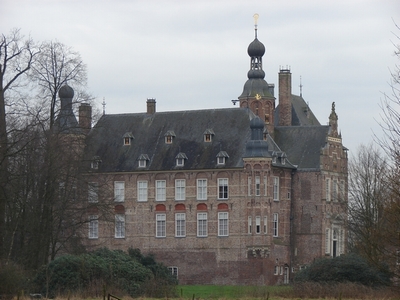
Slangenburg Castle stands as a remarkable example of a Late Medieval fortress that underwent significant transformation during the Renaissance period in the 16th century. Located near Doetinchem in the province of Gelderland, Netherlands, this castle reflects the layered history of Dutch noble estates and military residences.
Early history and construction
The origins of Slangenburg Castle date back to the Late Medieval era, when it was initially constructed as a fortified manor house. Its strategic location in the eastern Netherlands was typical for castles designed to oversee and control local territories and trade routes. While the exact date of initial construction is not precisely documented, architectural elements suggest a foundation in the 15th or early 16th century, aligning with the transition from medieval fortresses to more residential Renaissance estates.
Renaissance transformation under general van baer
In the 17th century, the castle entered a new phase of its history when it became the property of General Frederik Johan van Baer, famously known as General Slangenburg. He undertook extensive renovations to convert the castle from a purely defensive stronghold into a comfortable residential estate. This transformation included the modernization of living quarters and the adaptation of the castle's fortifications to Renaissance tastes, emphasizing aesthetic appeal alongside functionality.
Architectural features
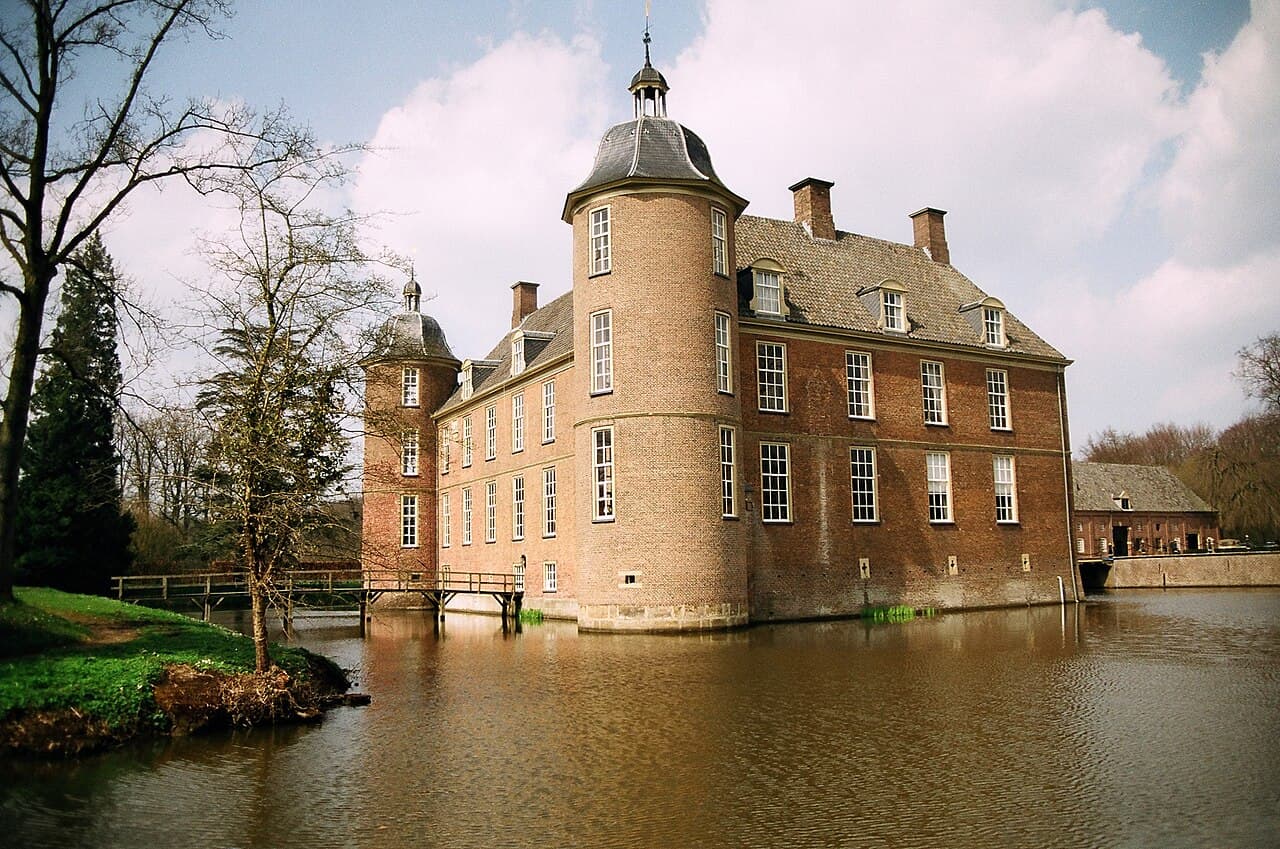
The castle's Renaissance style is evident in its symmetrical layout and the introduction of large windows and ornamental details that replaced earlier medieval austerity. The structure retains a trapezoidal estate layout, surrounded by a moat, which is characteristic of water castles in the region. The moat and outer defenses, while originally designed for protection, also contribute to the castle's picturesque setting.
Ownership and post-war history
Following its period under General van Baer, Slangenburg Castle passed into the hands of various owners, including the German family Passmann, who maintained the estate until World War II. The Passmann family is interred in a private cemetery adjacent to the castle's moat, marking their lasting connection to the property.
After World War II, the Dutch government confiscated German-owned properties, including Slangenburg Castle. It was incorporated into the holdings of the Rijksgebouwendienst (Royal Buildings Service), ensuring its preservation as a heritage site. The surrounding grounds came under the stewardship of the Staatsbosbeheer, the Dutch environmental agency responsible for natural and cultural landscapes.
Modern use and public access
Today, Slangenburg Castle serves as a guesthouse affiliated with the nearby Benedictine monastery, St. Willibrord's Abbey. This monastery, constructed in the 1950s on part of the castle's former estate, represents the post-war religious revival in the region. Initially, the monastic community from Oosterhout Abbey was housed within the castle itself, highlighting the castle's adaptive reuse.
The estate, with its historic system of lanes and trapezoidal shape, remains open to the public along with the monastery chapel. Visitors can explore the grounds, appreciating the blend of medieval fortifications and Renaissance residential architecture set within a tranquil natural environment.
Landscape and estate layout
The castle's estate is notable for its centuries-old system of lanes, which organize the landscape in a manner typical of Dutch noble estates. The trapezoidal configuration of the grounds, combined with the moat and surrounding woodlands, creates a distinctive setting that reflects both defensive needs and aesthetic landscaping traditions of the Renaissance and later periods.
Architectural significance and heritage status
Slangenburg Castle exemplifies the evolution of Dutch castle architecture from medieval fortification to Renaissance residence. Its preservation and continued use demonstrate the importance of adaptive reuse in maintaining historic properties. The castle's integration with the Benedictine monastery adds a layer of religious and cultural significance, enriching its heritage value.
Managed by the Rijksgebouwendienst and Staatsbosbeheer, the castle and its estate are protected as cultural heritage sites, ensuring their conservation for future generations. The site attracts visitors interested in military history, Renaissance architecture, and monastic heritage.
Visiting information
The estate and monastery chapel are accessible to the public, offering a unique opportunity to experience a historic castle setting combined with religious heritage. While the castle itself functions as a guesthouse and is not regularly open for tours, the surrounding grounds provide ample space for walking and exploration. Visitors are encouraged to check with local tourism offices for specific opening hours and any special events hosted at the site.
Frequently asked questions (FAQ)
- What is the historical significance of Slangenburg Castle?
- Slangenburg Castle dates back to the 15th century and has played a crucial role in the region's history. Originally built as a defensive structure, it evolved into a residence for noble families, reflecting the architectural styles and cultural influences of its time.
- When was Slangenburg Castle built?
- The construction of Slangenburg Castle began in the late 15th century, with significant renovations occurring in the following centuries. The castle's architecture showcases a blend of Gothic and Renaissance styles, making it an important historical landmark.
- Can I visit Slangenburg Castle?
- Yes, Slangenburg Castle is open to visitors, allowing you to explore its beautiful grounds and learn about its history. Guided tours are often available, providing deeper insights into the castle's architecture and historical significance.
- What are the opening hours for Slangenburg Castle?
- Slangenburg Castle typically opens its doors to visitors from 10 AM to 5 PM, but it's advisable to check the official website for any seasonal variations. Special events may also alter the usual hours, so planning ahead is recommended.
- Is it possible to access Slangenburg Castle with limited mobility?
- While Slangenburg Castle aims to be accessible, certain areas may pose challenges for visitors with limited mobility due to historical architecture. It's best to contact the castle administration in advance to inquire about specific accessibility options and support available.
- What is the best time to visit Slangenburg Castle?
- The best time to visit Slangenburg Castle is during the spring and early autumn when the weather is pleasant, and the gardens are in full bloom. Additionally, visiting during weekdays can help you avoid larger crowds.
- How much are the ticket prices for Slangenburg Castle?
- Ticket prices for Slangenburg Castle are generally affordable, with discounts available for children, students, and seniors. It's a good idea to check the official website for the most current pricing and any special offers that may be available.
- Are there any nearby attractions to Slangenburg Castle?
- Yes, there are several attractions near Slangenburg Castle, including beautiful parks, local museums, and charming villages. Exploring the surrounding area can enhance your visit and offer a fuller experience of the region's culture and history.
Photo gallery

Information
Website
Visit websiteSources & official resources
Verify the information above using these authoritative references.
Loading map...
Visitor reviews
No reviews yet. Been here? Write the first review and help other travelers!
Write the first reviewVisited this castle? Share your experience
Your review helps other travelers and adds first-hand knowledge to our encyclopedia.