Skjoldenaesholm Castle
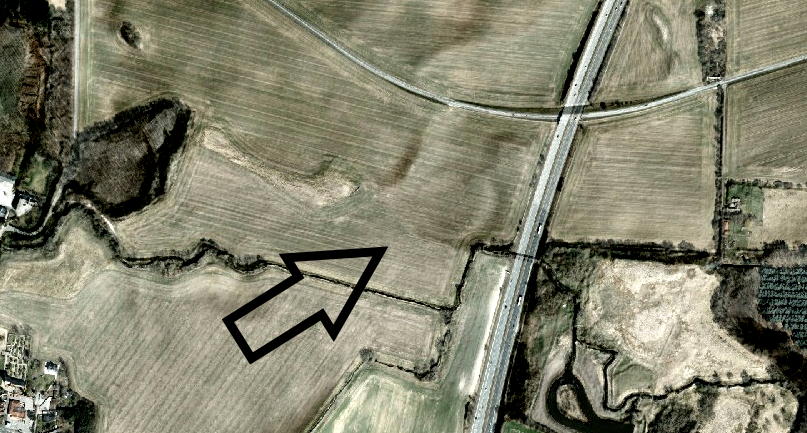
Skjoldenæsholm Castle is a historic estate located in Jystrup, Denmark, with origins tracing back to the 14th century. The original medieval castle stood approximately 1.5 km south of the current manor house and was first mentioned in the 1340s as a "castle of considerable size" under the ownership of the Danish crown. This medieval fortress played a notable role in Danish history, including a siege by King Valdemar IV in either 1346 or 1348. Despite its early prominence, the original castle was demolished in 1567, leaving behind visible remnants such as a castle bank surrounded by moats that mark the historic site today.
Medieval origins and royal connections
The estate of Skjoldenæsholm was initially crown land, held by various members of the Danish nobility over the centuries. In the early 14th century, it was mortgaged by King Christopher II to John III, Count of Holstein-Plön. The castle's significance during the medieval period is underscored by its strategic importance and royal associations. Following the demolition of the original castle, the estate continued to be a valuable asset, reflecting the shifting ownership typical of Danish noble estates during the late medieval and early modern periods.
Transition to a manor estate in the post-medieval period
In 1662, the estate was ceded to Henrik Müller, the King's rentemester, who between 1663 and 1666 constructed a new manor house on the site of the current main building. This initial manor was a modest, half-timbered, single-storey structure, marking the transition from a fortified castle to a more residential manor estate. After Müller's death in 1682, the estate returned to royal hands under King Christian V, who granted it to his half-brother Ulrik Frederik Gyldenløve. Gyldenløve was a prominent nobleman owning multiple estates in Denmark and Norway, and Skjoldenæsholm remained in his family for nearly a century.
18th-century reconstruction and architectural style
The present main wing of Skjoldenæsholm Castle was constructed in 1766 by Anna Joachimine Danneskiold-Laurvig, widow of Count Ferdinand Anton Danneskiold-Laurvig. This building replaced the earlier half-timbered manor and reflects the Neoclassical architectural style prevalent in the mid-18th century. The main wing is characterized by its washed yellow brick facade and a red hip roof. Originally, the roof extended over the three-bay median risalits on both sides of the main wing, which were later enhanced with triangular pediments during a significant renovation in 1703. This renovation also introduced a new east wing and updated the west wing's facade from half-timbered to masonry to harmonize with the courtyard's overall appearance.
Architectural details and interior features
Though the architect of the 1766 construction is not definitively known, it is speculated to be Philip de Lange, a notable figure in Danish architecture of the period. The manor's interior preserves several fine examples of 18th-century period decorations, showcasing the aesthetic preferences of the Danish nobility during the post-Renaissance era. The combination of exterior neoclassical elements with richly decorated interiors provides a comprehensive glimpse into the architectural and cultural milieu of 18th-century Denmark.
Later ownership and current use
After Anna Joachimine Danneskiold-Laurvig sold the estate in 1794, it was acquired by Anna Marie Bruun de Neergaard (née Møller). Since then, the castle has remained in the Bruun de Neergaard family. In 1971, the main building was converted into a conference centre, adapting the historic manor for modern use while preserving its architectural integrity. The estate today encompasses approximately 1,272 hectares, including the Skjoldenæsholm Tramway Museum, founded in 1978, and a golf course. The remainder of the land is primarily forested, maintaining the estate's traditional rural character.
The historic site of the medieval castle
The original medieval castle site, now an archaeological site, remains an important part of Skjoldenæsholm's heritage. Visitors can observe the castle bank and moats that delineate the former fortress's footprint. These earthworks serve as tangible links to the estate's medieval past and offer insight into the defensive architecture and feudal history of Denmark during the 14th and 15th centuries.
Cultural significance and preservation
Skjoldenæsholm Castle stands as a testament to the evolution of Danish noble estates from fortified medieval castles to elegant post-Renaissance manor houses. Its Neoclassical main wing, well-preserved interior decorations, and extensive grounds reflect the architectural and cultural transitions spanning several centuries. The estate's continuous ownership by prominent families and adaptation for contemporary uses highlight the dynamic history and ongoing preservation efforts that maintain its status as a significant cultural landmark in Denmark.
Frequently asked questions (FAQ)
- How do I get to Skjoldenaesholm Castle?
- Skjoldenaesholm Castle is located in Jystrup, Denmark, and can be easily accessed by car or public transport. If you're driving, there is parking available on-site. For public transport, you can take a train to the nearest station and then a short bus ride to the castle.
- What is the historical significance of Skjoldenaesholm Castle?
- Skjoldenaesholm Castle dates back to the 16th century and has played an important role in Danish history. It was originally built as a noble residence and has witnessed various historical events over the centuries. The castle reflects the architectural styles and social dynamics of its time.
- When was Skjoldenaesholm Castle built?
- The construction of Skjoldenaesholm Castle began in the early 1500s and was completed in the mid-16th century. Its design showcases Renaissance architecture, which was prevalent during that period. Throughout the years, the castle has undergone various renovations, preserving its historical charm.
- Can I take guided tours of Skjoldenaesholm Castle?
- Yes, guided tours are available at Skjoldenaesholm Castle, providing an in-depth look at its history and architecture. These tours typically last about an hour and offer visitors a chance to explore both the interior and the surrounding grounds. It’s recommended to book in advance, especially during peak tourist seasons.
- Why is Skjoldenaesholm Castle a popular tourist destination?
- Skjoldenaesholm Castle is popular among tourists for its stunning architecture and rich history. Visitors are drawn to its beautiful gardens, picturesque surroundings, and well-preserved interiors. Additionally, the castle often hosts cultural events and exhibitions, enhancing its appeal.
- Is it possible to hold events at Skjoldenaesholm Castle?
- Yes, Skjoldenaesholm Castle offers facilities for hosting various events, including weddings, corporate meetings, and private functions. The picturesque setting and historical ambiance make it an attractive venue for special occasions. It’s advisable to contact the castle management for specific arrangements and availability.
- What are the opening hours for Skjoldenaesholm Castle?
- Skjoldenaesholm Castle is typically open to visitors from April to October, with specific opening hours varying by season. During peak months, the castle is open daily, while in the off-season, hours may be reduced. Always check the official website for the most current information before your visit.
- What are the ticket prices for visiting Skjoldenaesholm Castle?
- Ticket prices for Skjoldenaesholm Castle vary based on age and group size. Generally, adults pay a standard entry fee, while children and seniors may receive discounts. Special rates may apply for guided tours, so it’s a good idea to check ahead for the latest pricing details.
- When is the best time to visit Skjoldenaesholm Castle?
- The best time to visit Skjoldenaesholm Castle is during the spring and summer months when the gardens are in full bloom and the weather is pleasant. This period typically offers more activities and events, enhancing the visitor experience. Additionally, the longer daylight hours allow for extended exploration of the castle and its grounds.
- Are there any nearby attractions to visit along with Skjoldenaesholm Castle?
- Yes, there are several nearby attractions worth exploring, including beautiful parks and historical sites in the surrounding area. Visitors can also enjoy local dining options and shops in Jystrup. Combining your visit to Skjoldenaesholm Castle with these nearby attractions makes for a delightful day trip.
Information
Website
Visit websiteSources & official resources
Verify the information above using these authoritative references.
Loading map...
Visitor reviews
No reviews yet. Been here? Write the first review and help other travelers!
Write the first reviewVisited this castle? Share your experience
Your review helps other travelers and adds first-hand knowledge to our encyclopedia.