Skala-Podilska Castle — Ukraine castle

Skala-Podilska Castle

Skala-Podilska Castle: historic hill fortress in Ukraine
Skala-Podilska, Ukraine
Late Medieval (14th–15th c.)
Partially Preserved

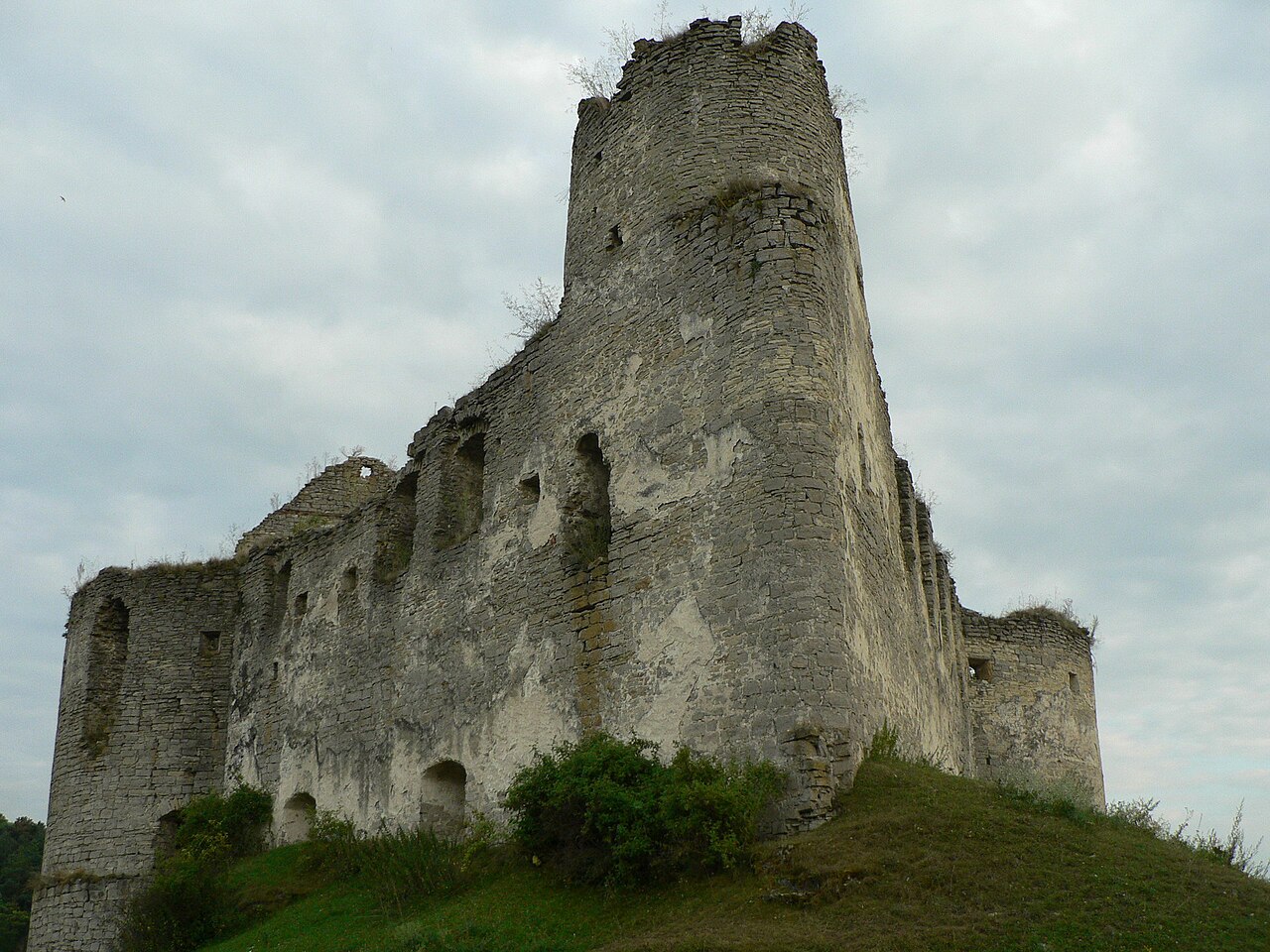
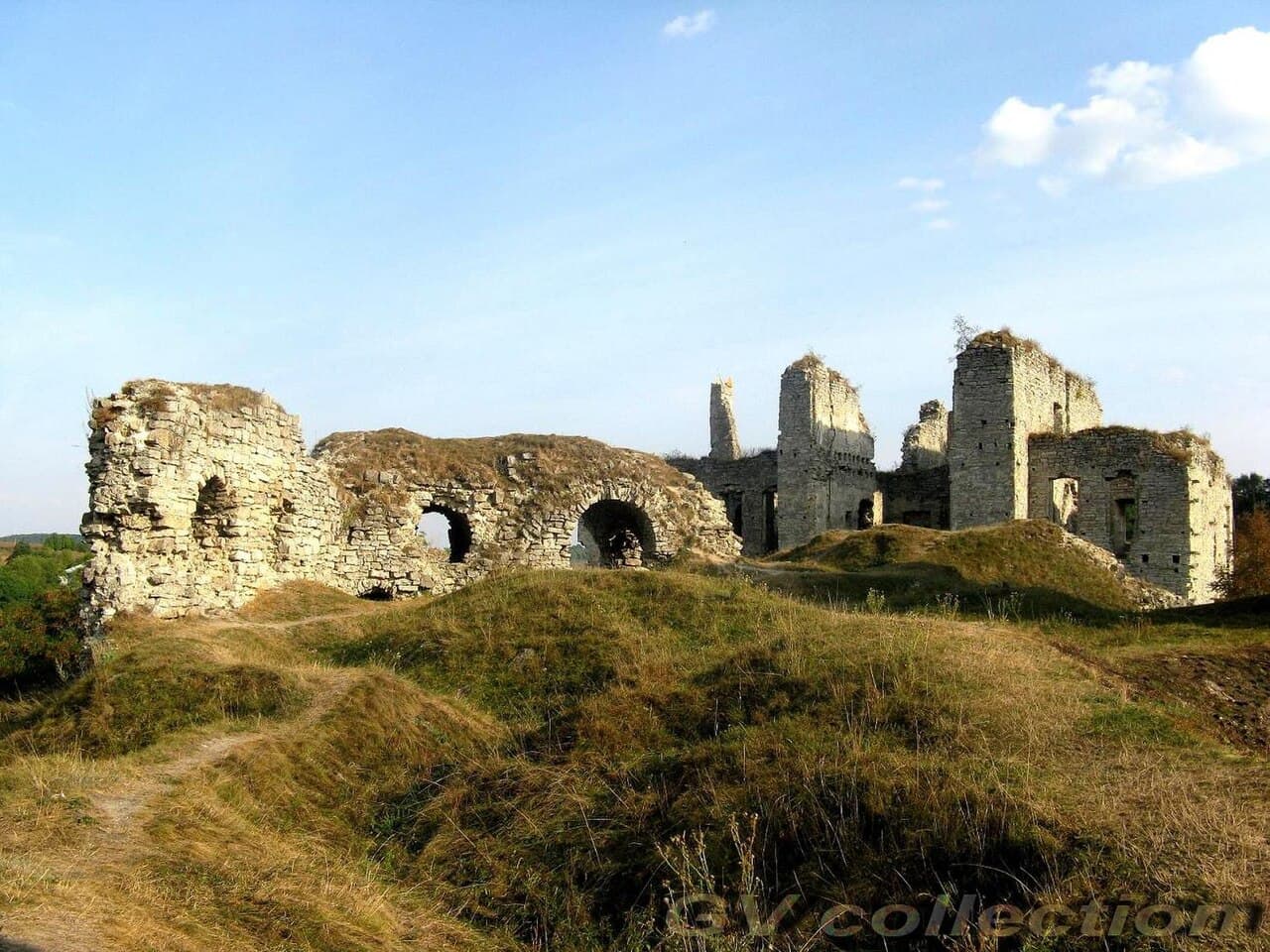
Skala-Podilska Castle is a prominent hill castle located in the village of Skala-Podilska within the Ternopil Oblast of western Ukraine. This late-medieval fortress was constructed in the 14th century on a strategic rocky promontory overlooking the deep ravine of the Zbruch River. Its position on a natural elevation provided a commanding view of the surrounding landscape and served as a formidable defensive site accessible only from the south, making it a key military stronghold in the region.

Historical background and strategic importance

The castle's origins date back to the 14th century, during a period when the region was often contested by various powers, including the Kingdom of Poland and the Grand Duchy of Lithuania. Skala-Podilska Castle was part of a network of fortifications designed to protect the southwestern borders of the Polish-Lithuanian Commonwealth and to control important trade routes along the Zbruch River valley.

Throughout its history, the castle witnessed numerous military engagements and sieges, reflecting the turbulent political landscape of Eastern Europe during the late medieval period. Its location on a rocky hilltop made it difficult for invading armies to capture, contributing to its reputation as a resilient fortress.

Architectural features and layout

The castle is an excellent example of a hill castle adapted to the natural terrain. Its defensive structures include thick stone walls that follow the contours of the rocky promontory, with battlements and towers positioned to maximize defensive coverage. The southern approach, being the only accessible route, was heavily fortified with a gatehouse and additional defensive works to repel attackers.

Within the castle grounds, remnants of residential buildings, storage facilities, and a chapel can be found, indicating the castle's role not only as a military installation but also as a center of local administration and habitation. The use of local limestone gave the castle its distinctive appearance, blending with the natural rock formations.

Defensive innovations

Skala-Podilska Castle incorporates several defensive innovations typical of the late medieval period. These include angled bastions designed to deflect artillery fire, narrow arrow slits for archers, and a deep moat fed by the nearby river to hinder enemy advances. The castle's design reflects the transition from purely medieval fortifications to adaptations necessitated by the advent of gunpowder weaponry.

Role in regional history and cultural significance

Over the centuries, Skala-Podilska Castle served as a military garrison, a noble residence, and a refuge for local populations during times of conflict. It played a significant role in the defense against Tatar raids and later Ottoman incursions, marking it as a key element in the border defenses of the Polish-Lithuanian Commonwealth.

Today, the castle is recognized as an architectural monument of national importance in Ukraine. Its ruins attract historians, archaeologists, and tourists interested in medieval military architecture and the complex history of the Podilia region.

Current condition and preservation efforts

The castle currently stands as partially preserved ruins. While some sections of the walls and towers remain intact, much of the structure has succumbed to natural decay and historical damage. Preservation efforts have been undertaken by local authorities and heritage organizations to stabilize the ruins and promote the site as a cultural and educational destination.

Visitors to Skala-Podilska Castle can explore the rugged terrain and enjoy panoramic views of the Zbruch River valley, experiencing firsthand the strategic advantages that made this fortress a formidable stronghold in the late medieval period.

Frequently asked questions (FAQ)

How do I get to Skala-Podilska Castle?
Skala-Podilska Castle is located in the village of Skala-Podilska in Ternopil Oblast, Ukraine. It is accessible by local roads, and visitors typically reach the site by car or regional transport from nearby towns.
What is the historical significance of Skala-Podilska Castle?
Built in the 14th century, Skala-Podilska Castle played a key role in defending the southwestern borders of the Polish-Lithuanian Commonwealth and protecting trade routes along the Zbruch River.
Can I explore the castle ruins?
Yes, visitors can explore the partially preserved ruins of Skala-Podilska Castle. While some areas may be restricted for safety, the site offers panoramic views and insight into medieval fortification techniques.
When is the best time to visit Skala-Podilska Castle?
The best time to visit is during late spring to early autumn when the weather is mild and the surrounding landscape is most accessible for hiking and sightseeing.
Are there guided tours available at Skala-Podilska Castle?
Guided tours may be available through local tourist organizations or heritage groups. It is recommended to check in advance with local visitor centers for current tour offerings.

Photo gallery

Skala-Podilska Castle
Click to view

Photo by Vgvg1•CC BY-SA 3.0

1 photo • Click any image to view in full screen

Information

Hill Castle

Loading map...

Visitor reviews

No reviews yet. Been here? Write the first review and help other travelers!

Write the first review

Visited this castle? Share your experience

Your review helps other travelers and adds first-hand knowledge to our encyclopedia.
Write a review

(5/5)

0/2000 characters

Your review will be visible after admin approval

Nearby castles

6.5 km
Zbryzh castle — Ukraine castle

Zbryzh castle

, Ukraine

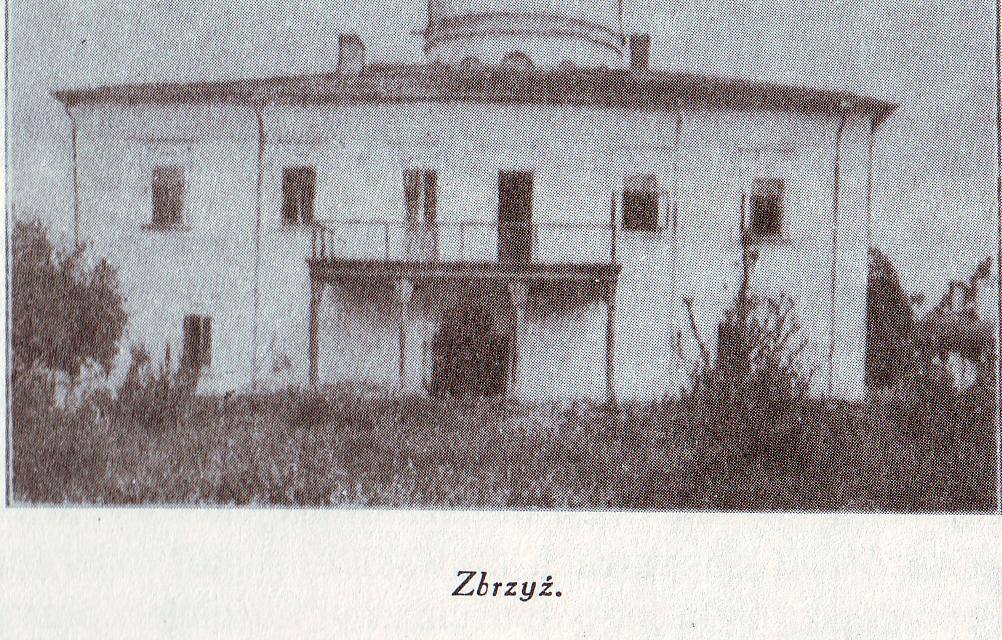
Zbryzh Castle (Ukrainian: Збризький замок, romanized: Zbryz'kyi zamok) is a historic hill castle situated in the village of Zbryzh in the Khmelnytskyi Oblast of western Ukraine. Constructed in the 17th century, this fortress was commissioned by General Adam Tarło, a notable military leader and starosta of several towns including Goszczyń, Brzegów, and Skalsk. The castle was strategically positioned on the banks of the Zbrucz River, a natural defensive barrier that enhanced its protective capabilities. Historical background and significance The origins of Zbryzh Castle trace back to the turbulent period of the 17th century when the region was part of the Polish-Lithuanian Commonwealth. This era was marked by frequent military conflicts and territorial disputes, necessitating the construction of fortified residences and defensive structures. General Adam Tarło, a prominent noble and military figure, undertook the building of the castle to serve both as a defensive stronghold and a noble residence. The castle's location near the Zbrucz River was of particular strategic importance. The river not only provided a natural moat but also marked a border region, making the castle a critical point of defense against incursions. Over time, Zbryzh Castle played a role in local military engagements and served as a symbol of feudal authority in the area. Architectural features and layout Zbryzh Castle exemplifies typical hill castle design, utilizing elevated terrain to maximize defensive advantage. The castle's layout likely included stone walls and battlements adapted to the natural contours of the hill. While detailed architectural plans are scarce, historical records suggest the presence of key defensive elements such as towers, gatehouses, and possibly a moat fed by the nearby river. The castle's construction would have incorporated local building materials, including stone and timber, reflecting the architectural practices of the 17th century in this region. The design balanced military functionality with residential needs, providing living quarters, storage facilities, and spaces for administrative functions. Later history and preservation status Through the centuries, Zbryzh Castle experienced periods of conflict and decline, common to many fortifications in the region. The shifting political landscape, including the partitions of Poland and changing borders, affected the castle's ownership and maintenance. Today, the castle stands in a state that can be described as ruins, with remnants of walls and foundations visible. Efforts to preserve and study the site have been limited but underscore its cultural and historical value as part of Ukraine's architectural heritage. Visitors to the site can observe the remains that hint at the castle's former defensive strength and noble stature. Geographical and cultural context The castle's placement along the Zbrucz River situates it near a historically significant border area between Poland and Ukraine, highlighting its role in regional defense and control. The surrounding landscape features rolling hills and river valleys typical of western Ukraine, contributing to the castle's natural defensive setting. Zbryzh Castle is part of a network of fortifications that illustrate the complex history of borderlands in Eastern Europe, reflecting the cultural interactions and conflicts that shaped the region. Visiting information and accessibility While Zbryzh Castle is not a major tourist destination, it attracts visitors interested in historical architecture and Eastern European history. The site can be accessed via local roads in Khmelnytskyi Oblast, though facilities are minimal and visitors should prepare for a more rugged exploration experience. There are no formal visitor centers or guided tours currently available, so independent research and preparation are recommended for those wishing to explore the ruins.

Late Medieval (14th–15th c.)
Details
13.4 km
Borshchiv castle — Ukraine castle

Borshchiv castle

Borshchiv, Ukraine

Borshchiv Castle (Ukrainian: Борщівський замок, romanized: Borshchivs'kyi zamok) is a historic hill castle located in the town of Borshchiv, within the Ternopil Oblast of Ukraine. This castle is an example of medieval defensive architecture typical of the region, built to protect the local population and control important routes. Historical background and strategic importance The castle's origins date back to the late medieval period, with construction likely initiated in the 16th century during a time when the region was under the influence of the Polish-Lithuanian Commonwealth. Its location on a prominent hill provided a natural defensive advantage, overseeing the surrounding landscape and controlling access to the nearby trade routes and settlements. Borshchiv Castle played a significant role in the local defense system against invasions and raids, particularly during the turbulent times of the 16th and 17th centuries when the area faced threats from Tatar raids and conflicts between regional powers. The castle's fortifications were designed to withstand sieges and provide refuge to inhabitants of the surrounding area. Architectural features and layout The castle is classified as a hill castle, built atop elevated terrain to maximize its defensive capabilities. Its design includes thick stone walls, remnants of which still stand, and a complex of defensive structures such as battlements, towers, and a fortified gatehouse. The walls were constructed using local stone, providing resilience against artillery and infantry assaults common in the medieval period. The castle's layout was typical of military architecture of its time, with a central courtyard surrounded by defensive walls. The towers served as lookout points and platforms for archers or artillery. Although much of the original structure is now in ruins, archaeological studies have revealed the footprint of the castle's keep or main stronghold, which would have housed the lord's residence and key defensive positions. Defensive elements Key defensive elements included a deep moat or ditch around parts of the castle, enhancing its protection against attackers. The entrance was heavily fortified with a gatehouse equipped with defensive mechanisms such as a portcullis and murder holes. These features reflect the military architectural trends of the late medieval period in Eastern Europe. The castle's decline and current condition Over the centuries, Borshchiv Castle suffered damage from various military conflicts and changing political circumstances. By the 18th century, the castle lost its military significance and gradually fell into disrepair. Today, it exists primarily as ruins, with only partial walls and foundations visible. Despite its ruined state, the castle remains an important cultural and historical landmark in the Ternopil region. It attracts visitors interested in medieval architecture and Ukrainian history. Preservation efforts have focused on stabilizing the remaining structures and promoting archaeological research to better understand the site's past. Visiting Borshchiv castle Visitors to Borshchiv Castle can explore the ruins and enjoy panoramic views of the surrounding landscape from the hilltop. The site offers insight into the military architecture of the region and the historical context of borderland defense systems. While facilities are limited due to the castle's condition, the location is accessible to tourists interested in historical exploration. Nearby, the town of Borshchiv provides cultural amenities and opportunities to learn more about the local heritage. The castle is part of the broader historical narrative of the Ternopil Oblast and the complex history of Western Ukraine.

Late Medieval (14th–15th c.)
Details
16.4 km
Sydoriv Castle — Ukraine castle

Sydoriv Castle

, Ukraine

Sydoriv Castle (Ukrainian: Сидорівський замок; Polish: Zamek w Sidorowie) stands as a significant example of a 17th-century Renaissance fortress located in the village of Sydoriv, approximately 7 km south of Husiatyn in Ukraine. This castle, now in ruins, was originally constructed by Marcin Kalinowski, a notable Polish military commander and magnate, during the 1640s. Its strategic placement atop a hilltop, surrounded on three sides by a river, provided natural defenses that were enhanced by its architectural design. Historical context and construction The construction of Sydoriv Castle took place in the midst of the turbulent Renaissance period in Eastern Europe, a time marked by frequent conflicts involving the Polish-Lithuanian Commonwealth, the Ottoman Empire, and local Cossack uprisings. Marcin Kalinowski, who was a voivode of Podolia, chose the site for its defensible position, which was typical of hill castles designed to control surrounding territories and river routes. The castle's original layout included seven towers arranged along a fortified wall stretching approximately 178 metres from north to south. These towers served both as lookout points and defensive bastions. The walls were constructed with thick masonry typical of Renaissance military architecture, combining functionality with the style of the era. Architectural features Sydoriv Castle was designed as a hill castle, utilizing the natural elevation to enhance its defensive capabilities. The river enclosing the hill on three sides acted as a natural moat, complicating any siege attempts. The castle’s walls and towers were built to withstand artillery fire, reflecting the evolving military technologies of the 17th century. The fortress included a main gate, curtain walls, and several towers of varying sizes. Its Renaissance architectural style is evident in the symmetry and proportionality of the fortifications, as well as in the decorative elements that would have adorned the castle's interiors and facades, although much of these details have been lost due to the castle's ruinous state. Siege and decline In 1672, Sydoriv Castle suffered severe damage during the invasion of the Ottoman Turks. This event was part of the larger conflict known as the Polish-Ottoman War (1672–1676), which saw many fortresses in the region besieged or destroyed. The castle's fortifications were breached, and the stronghold was significantly weakened. Following this devastation, the castle gradually fell into disuse and was eventually abandoned by its owners in the 18th century. Over the subsequent centuries, the structure deteriorated due to neglect and natural decay, leaving behind only ruins that testify to its former grandeur. Current condition and archaeological significance Today, Sydoriv Castle exists as archaeological ruins, with remnants of its walls and towers still visible. The site is important for understanding the military architecture of the Renaissance period in Ukraine and the historical conflicts that shaped the region. Archaeological studies have helped to document the castle's layout and construction techniques, providing insights into the defensive strategies employed during the 17th century. Visitors to the site can observe the remains of the fortifications and appreciate the castle's commanding position overlooking the surrounding landscape. Visiting Sydoriv Castle The castle ruins are accessible to visitors interested in history and architecture. Its location near Husiatyn makes it a notable destination for those exploring the cultural heritage of western Ukraine. While the site is in a ruinous state, it offers a glimpse into the region's past and the challenges of fortress construction in a period marked by frequent warfare.

Renaissance (15th–17th c.)
Details