Sydoriv Castle
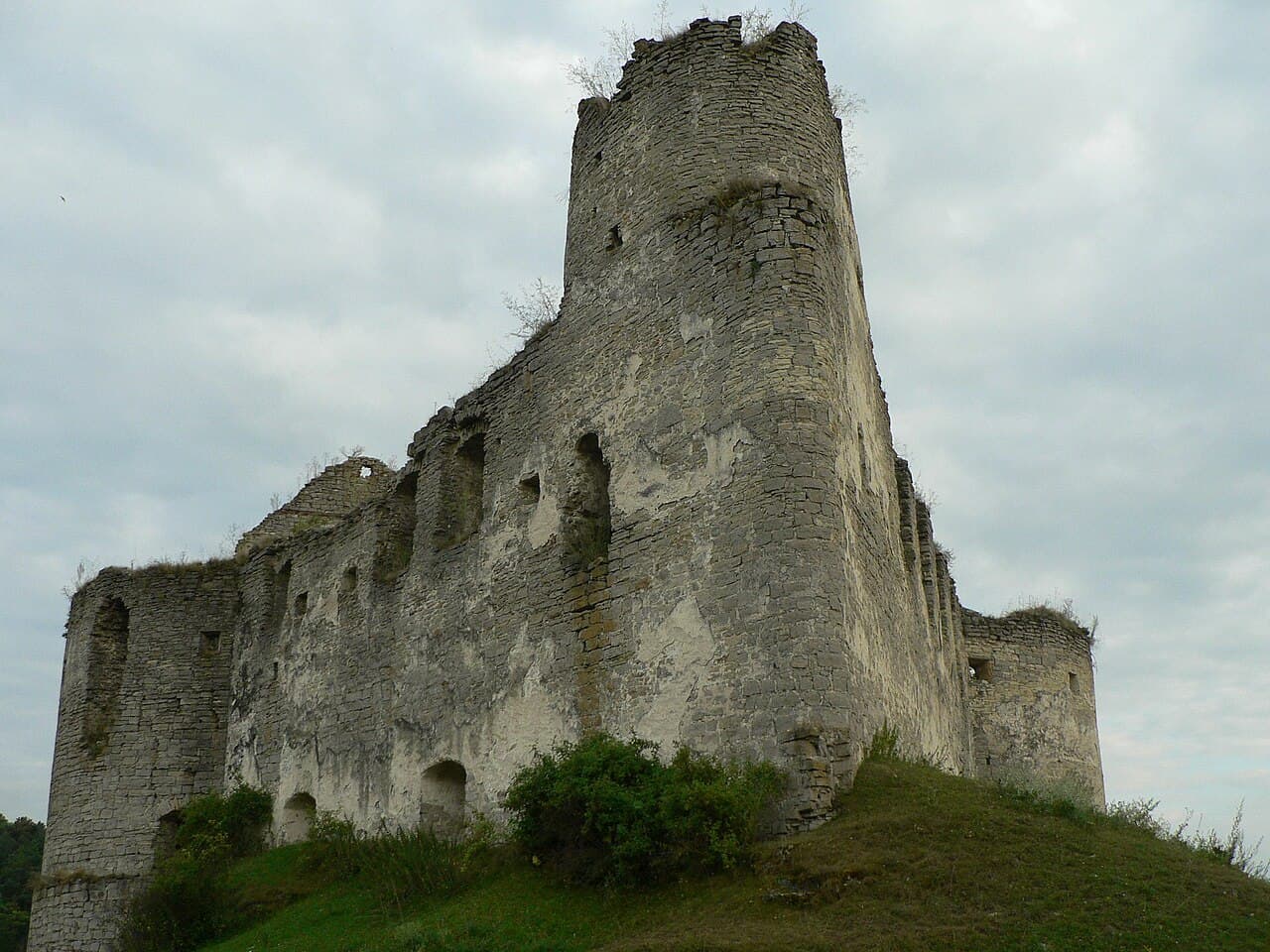
Sydoriv Castle (Ukrainian: Сидорівський замок; Polish: Zamek w Sidorowie) stands as a significant example of a 17th-century Renaissance fortress located in the village of Sydoriv, approximately 7 km south of Husiatyn in Ukraine. This castle, now in ruins, was originally constructed by Marcin Kalinowski, a notable Polish military commander and magnate, during the 1640s. Its strategic placement atop a hilltop, surrounded on three sides by a river, provided natural defenses that were enhanced by its architectural design.
Historical context and construction
The construction of Sydoriv Castle took place in the midst of the turbulent Renaissance period in Eastern Europe, a time marked by frequent conflicts involving the Polish-Lithuanian Commonwealth, the Ottoman Empire, and local Cossack uprisings. Marcin Kalinowski, who was a voivode of Podolia, chose the site for its defensible position, which was typical of hill castles designed to control surrounding territories and river routes.
The castle's original layout included seven towers arranged along a fortified wall stretching approximately 178 metres from north to south. These towers served both as lookout points and defensive bastions. The walls were constructed with thick masonry typical of Renaissance military architecture, combining functionality with the style of the era.
Architectural features
Sydoriv Castle was designed as a hill castle, utilizing the natural elevation to enhance its defensive capabilities. The river enclosing the hill on three sides acted as a natural moat, complicating any siege attempts. The castle’s walls and towers were built to withstand artillery fire, reflecting the evolving military technologies of the 17th century.
The fortress included a main gate, curtain walls, and several towers of varying sizes. Its Renaissance architectural style is evident in the symmetry and proportionality of the fortifications, as well as in the decorative elements that would have adorned the castle's interiors and facades, although much of these details have been lost due to the castle's ruinous state.
Siege and decline
In 1672, Sydoriv Castle suffered severe damage during the invasion of the Ottoman Turks. This event was part of the larger conflict known as the Polish-Ottoman War (1672–1676), which saw many fortresses in the region besieged or destroyed. The castle's fortifications were breached, and the stronghold was significantly weakened.
Following this devastation, the castle gradually fell into disuse and was eventually abandoned by its owners in the 18th century. Over the subsequent centuries, the structure deteriorated due to neglect and natural decay, leaving behind only ruins that testify to its former grandeur.
Current condition and archaeological significance
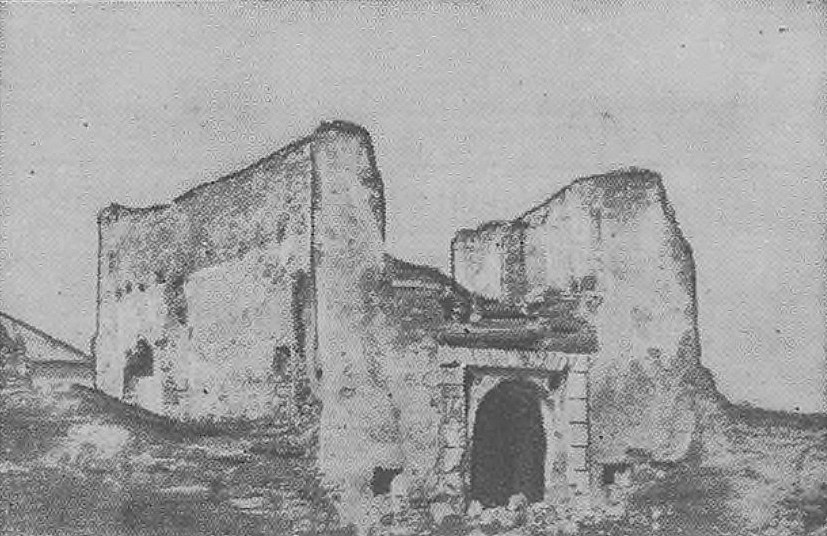
Today, Sydoriv Castle exists as archaeological ruins, with remnants of its walls and towers still visible. The site is important for understanding the military architecture of the Renaissance period in Ukraine and the historical conflicts that shaped the region.
Archaeological studies have helped to document the castle's layout and construction techniques, providing insights into the defensive strategies employed during the 17th century. Visitors to the site can observe the remains of the fortifications and appreciate the castle's commanding position overlooking the surrounding landscape.
Visiting Sydoriv Castle
The castle ruins are accessible to visitors interested in history and architecture. Its location near Husiatyn makes it a notable destination for those exploring the cultural heritage of western Ukraine. While the site is in a ruinous state, it offers a glimpse into the region's past and the challenges of fortress construction in a period marked by frequent warfare.
Photo gallery

Photo by plf16•Public domain
Information
Loading map...
Visitor reviews
No reviews yet. Been here? Write the first review and help other travelers!
Write the first reviewVisited this castle? Share your experience
Your review helps other travelers and adds first-hand knowledge to our encyclopedia.