Borshchiv castle — Ukraine castle

Borshchiv castle

Borshchiv castle in Ternopil Oblast, Ukraine
Borshchiv, Ukraine
Late Medieval (14th–15th c.)
Ruins

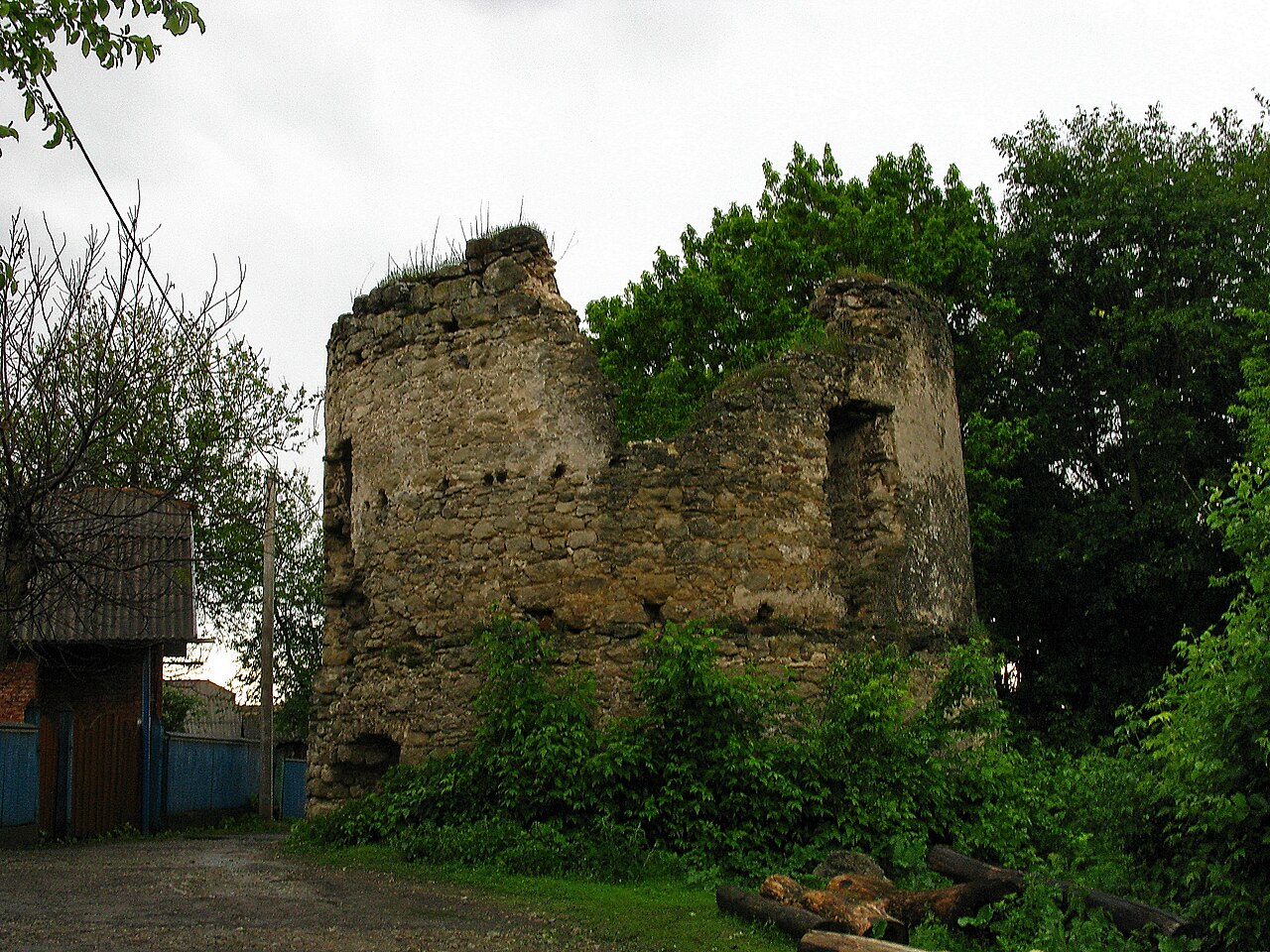
Borshchiv Castle (Ukrainian: Борщівський замок, romanized: Borshchivs'kyi zamok) is a historic hill castle located in the town of Borshchiv, within the Ternopil Oblast of Ukraine. This castle is an example of medieval defensive architecture typical of the region, built to protect the local population and control important routes.

Historical background and strategic importance

The castle's origins date back to the late medieval period, with construction likely initiated in the 16th century during a time when the region was under the influence of the Polish-Lithuanian Commonwealth. Its location on a prominent hill provided a natural defensive advantage, overseeing the surrounding landscape and controlling access to the nearby trade routes and settlements.

Borshchiv Castle played a significant role in the local defense system against invasions and raids, particularly during the turbulent times of the 16th and 17th centuries when the area faced threats from Tatar raids and conflicts between regional powers. The castle's fortifications were designed to withstand sieges and provide refuge to inhabitants of the surrounding area.

Architectural features and layout

The castle is classified as a hill castle, built atop elevated terrain to maximize its defensive capabilities. Its design includes thick stone walls, remnants of which still stand, and a complex of defensive structures such as battlements, towers, and a fortified gatehouse. The walls were constructed using local stone, providing resilience against artillery and infantry assaults common in the medieval period.

The castle's layout was typical of military architecture of its time, with a central courtyard surrounded by defensive walls. The towers served as lookout points and platforms for archers or artillery. Although much of the original structure is now in ruins, archaeological studies have revealed the footprint of the castle's keep or main stronghold, which would have housed the lord's residence and key defensive positions.

Defensive elements

Key defensive elements included a deep moat or ditch around parts of the castle, enhancing its protection against attackers. The entrance was heavily fortified with a gatehouse equipped with defensive mechanisms such as a portcullis and murder holes. These features reflect the military architectural trends of the late medieval period in Eastern Europe.

The castle's decline and current condition

Over the centuries, Borshchiv Castle suffered damage from various military conflicts and changing political circumstances. By the 18th century, the castle lost its military significance and gradually fell into disrepair. Today, it exists primarily as ruins, with only partial walls and foundations visible.

Despite its ruined state, the castle remains an important cultural and historical landmark in the Ternopil region. It attracts visitors interested in medieval architecture and Ukrainian history. Preservation efforts have focused on stabilizing the remaining structures and promoting archaeological research to better understand the site's past.

Visiting Borshchiv castle

Visitors to Borshchiv Castle can explore the ruins and enjoy panoramic views of the surrounding landscape from the hilltop. The site offers insight into the military architecture of the region and the historical context of borderland defense systems. While facilities are limited due to the castle's condition, the location is accessible to tourists interested in historical exploration.

Nearby, the town of Borshchiv provides cultural amenities and opportunities to learn more about the local heritage. The castle is part of the broader historical narrative of the Ternopil Oblast and the complex history of Western Ukraine.

Frequently asked questions (FAQ)

What is the historical significance of Borshchiv Castle?
Borshchiv Castle, built in the 16th century, served as a defensive stronghold in the region. Its strategic location allowed it to play a crucial role in protecting the surrounding territories from invasions, reflecting the turbulent history of Ukraine during this period.
When was Borshchiv Castle constructed?
The construction of Borshchiv Castle began in the late 16th century, with its primary purpose being to defend against Ottoman incursions. Over the centuries, it has witnessed numerous historical events, making it a significant landmark in Ukrainian history.
Is it possible to visit Borshchiv Castle?
Yes, Borshchiv Castle is open to visitors, allowing you to explore its ancient ruins and learn about its history. Make sure to check local guidelines and any specific visiting hours or requirements before planning your trip.
What are the opening hours of Borshchiv Castle?
Borshchiv Castle typically opens to visitors during daylight hours, but specific opening times may vary by season. It is advisable to check local tourism websites or contact the local tourism office for the most accurate and up-to-date information.
Can I take photographs inside Borshchiv Castle?
Yes, visitors are generally allowed to take photographs within the castle grounds. However, it’s best to be respectful of the site and its history while capturing your memories.
What is the best time to visit Borshchiv Castle?
The ideal time to visit Borshchiv Castle is during spring and early autumn when the weather is pleasant, and the surrounding scenery is vibrant. These seasons also tend to attract fewer tourists, allowing for a more peaceful experience.
Are there any nearby attractions to visit while in Borshchiv?
Yes, visitors to Borshchiv can explore nearby attractions such as the picturesque landscapes of the Ternopil region, local museums, and charming villages. These sites offer a deeper insight into the culture and history of the area.
What are the ticket prices for visiting Borshchiv Castle?
Ticket prices for Borshchiv Castle are generally affordable, making it accessible for most visitors. Be sure to check for any group discounts or special rates for students and seniors when planning your visit.
How do I get to Borshchiv Castle?
Borshchiv Castle is accessible by car and public transport, with local buses connecting from nearby cities. Once you arrive in Borshchiv, the castle is within walking distance, making it easy to explore the area on foot.

Photo gallery

Borshchiv castle
Click to view

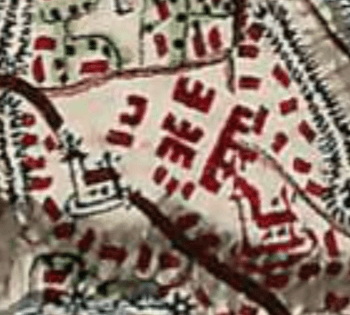
Photo by Military survey Habsburg Empire.•Public domain

1 photo • Click any image to view in full screen

Information

Hill Castle

Loading map...

Visitor reviews

No reviews yet. Been here? Write the first review and help other travelers!

Write the first review

Visited this castle? Share your experience

Your review helps other travelers and adds first-hand knowledge to our encyclopedia.
Write a review

(5/5)

0/2000 characters

Your review will be visible after admin approval

Nearby castles

4 km
Vysichka Castle — Ukraine castle

Vysichka Castle

, Ukraine

Vysichka Castle (Ukrainian: Висічанський замок, romanized: Vysichans'kyi zamok) stands as a significant Renaissance hill castle located in Ternopil Oblast, Ukraine. Constructed in the early 17th century, this fortress occupies a strategic position on a small plateau perched on a steep and lofty bank at the confluence of the Drapaka and Nichlava rivers. Its placement reflects typical defensive considerations of the period, utilizing natural topography to enhance protection and surveillance.Historical context and strategic importanceThe castle was built during a time of frequent military conflicts and territorial disputes in the region, which was part of the Polish–Lithuanian Commonwealth during the 17th century. The location near river mouths was chosen to control important waterways and trade routes, as well as to serve as a defensive stronghold against incursions. Vysichka Castle played a role in the local defense system, guarding the approaches to settlements in the area.Its construction reflects the military architecture trends of the Renaissance period in Eastern Europe, where fortifications began to incorporate more advanced defensive features in response to the development of artillery and changing warfare tactics.Architectural features and designVysichka Castle is classified as a hill castle, built on elevated terrain to maximize defensive advantages. The castle's design includes remnants of thick stone walls adapted to the uneven terrain of the plateau. The steep slopes on several sides provided natural defense, reducing the need for extensive fortifications on those faces.While much of the castle now lies in ruins, archaeological studies and remaining structures indicate the presence of typical Renaissance fortification elements such as bastions or angled walls designed to deflect cannon fire. The castle likely included a central courtyard, surrounded by residential and defensive buildings, though detailed plans are limited.Construction materials and techniquesThe builders used locally sourced stone and brick, common materials for the period and region. The masonry work shows a combination of rough stone foundations with more refined brickwork in the upper sections, typical of Renaissance fortresses in Ukraine. The castle's walls were thick enough to withstand artillery bombardment, a necessity given the military threats of the era.Current condition and preservationToday, Vysichka Castle is classified as partially preserved, with significant portions of its walls and foundations still visible. The site is recognized as an architectural monument of national importance in Ukraine, reflecting its cultural and historical value.Despite its ruined state, the castle remains a point of interest for historians and tourists alike. Efforts to preserve and study the site continue, aiming to protect its legacy and provide educational opportunities about the region's military architecture and history.Visiting Vysichka Castle and surrounding areaVisitors to Vysichka Castle can explore the ruins and enjoy the scenic views of the Drapaka and Nichlava rivers. The castle's elevated position offers panoramic vistas of the surrounding landscape, which is characterized by rolling hills and river valleys.The site is accessible by local roads from nearby towns in Ternopil Oblast, though specific visitor facilities may be limited due to the castle's partial preservation status. It is recommended to visit during daylight hours for safety and to fully appreciate the site's historical context.Nearby attractionsThe region around Vysichka Castle features several other historical and natural attractions, including other castles, churches, and nature reserves, making it a worthwhile destination for those interested in Ukrainian history and heritage.

Renaissance (15th–17th c.)
Details
12.2 km
Kryvche Castle — Ukraine castle

Kryvche Castle

Kryvche, Ukraine

Kryvche Castle (Ukrainian: Кривченський замок, romanized: Kryvchen'skyi zamok) is a historic hill castle located in the village of Kryvche, within the Ternopil Oblast of western Ukraine. Constructed in the first half of the 17th century, this castle is an important example of Renaissance military architecture in the region. It was built by the noble Kątski family, who were influential landowners during this period. Historical context and significance The construction of Kryvche Castle took place during a turbulent era marked by frequent conflicts in Eastern Europe, including the struggles between the Polish-Lithuanian Commonwealth and the Ottoman Empire, as well as various Cossack uprisings. The castle's strategic position on a hill provided a defensive advantage, overseeing the surrounding landscape and controlling important local routes. This location was typical for hill castles, which were favored for their natural defensive benefits. As a Renaissance fortress, Kryvche Castle reflects the transition in military architecture from medieval fortifications to early modern designs that incorporated artillery defense. Although it was not a large fortress, its design included features adapted to the evolving warfare technology of the time. Architectural features and layout Kryvche Castle was built primarily of stone, utilizing the natural rocky terrain to enhance its defenses. The castle's walls were thick and robust, designed to withstand sieges and artillery fire. The structure included a main keep or donjon, which served as the last line of defense and a residence for the lord and his family. The castle complex likely included battlements, towers for observation and defense, and a courtyard that would have housed auxiliary buildings such as stables, workshops, and storage facilities. A moat or ditch may have been incorporated to add an additional barrier against attackers, although specific details on this are limited. Renaissance influences The Renaissance style of Kryvche Castle is evident in its balanced proportions and some decorative elements, which distinguish it from purely medieval fortresses. This style often combined functionality with aesthetic considerations, reflecting the cultural influences spreading through Europe at the time. Current condition and preservation Today, Kryvche Castle is considered an architectural monument of national importance in Ukraine. However, it exists mostly in a state of ruins. The remaining structures provide valuable insights into the castle's original layout and construction techniques. Efforts have been made to preserve the site, but the castle faces challenges typical of many historic ruins, including weathering, vegetation overgrowth, and limited funding for restoration. Visitors to the site can explore the ruins and appreciate the castle's historical significance and commanding hilltop views. Visiting Kryvche Castle The castle is accessible to the public, although facilities are minimal due to its ruinous condition. It attracts history enthusiasts, hikers, and those interested in Renaissance military architecture. The surrounding landscape of Ternopil Oblast offers additional cultural and natural attractions, making Kryvche Castle a noteworthy destination for regional tourism. Nearby attractions Visitors to Kryvche Castle can also explore the rich cultural heritage of Ternopil Oblast, including nearby historic churches, traditional villages, and natural reserves. The region's blend of history and nature provides a comprehensive experience for travelers. Legacy and cultural importance Kryvche Castle stands as a testament to the region's complex history during the Renaissance period. Its remains are a valuable resource for understanding the evolution of fortification architecture in Ukraine and Eastern Europe. The castle's connection to the Kątski family highlights the role of noble families in shaping the political and military landscape of the time. Preserving Kryvche Castle contributes to the broader effort to maintain Ukraine's cultural heritage and promote awareness of its historical landmarks.

Renaissance (15th–17th c.)
Details
12.8 km
Novosilka Castle — Ukraine castle

Novosilka Castle

, Ukraine

Novosilka Castle (Ukrainian: Новосілківський замок, romanized: Novosilkivs'kyi zamok) is a historic hill castle located in the village of Novosilka, within the Ternopil Oblast of western Ukraine. This castle is an important architectural monument of local significance, reflecting the defensive and residential styles of the 16th century in this region of Eastern Europe. The origins and historical context The castle was constructed by the noble Kostjuków-Wołodyjowski family, who held ownership of the village of Novosilka from 1547. This period corresponds to the High to Late Medieval era transitioning into the Renaissance in Eastern Europe. The family's status as knights and landowners necessitated the construction of a fortified residence that could serve both as a defensive stronghold and a symbol of their local power. During this time, the region was characterized by frequent conflicts and shifting political allegiances, which made fortified structures essential for protection against raids and invasions. The castle's location on a hill provided a strategic vantage point over the surrounding landscape, enhancing its defensive capabilities. Architectural features and style The architecture of Novosilka Castle is typical of a hill castle, constructed with local materials suited to the terrain and defensive needs. While detailed records of its original design are limited, the castle likely featured stone walls and towers that allowed for surveillance and defense. The elevated position would have been complemented by natural slopes and possibly man-made fortifications such as ditches or embankments. The style of the castle reflects a blend of late medieval military architecture with early Renaissance influences, seen in the adaptation of more comfortable living quarters alongside defensive elements. The castle's structure was designed not only for military purposes but also to accommodate the residential needs of the noble family and their retinue. Historical significance and ownership Novosilka Castle stands as a testament to the local nobility's role in the socio-political landscape of western Ukraine during the 16th century. The Kostjuków-Wołodyjowski family, as landowners and knights, played a part in regional defense and administration. The castle served as their stronghold and administrative center for the village and surrounding lands. Throughout its history, the castle witnessed various regional conflicts, including incursions by neighboring powers and local uprisings. Although it was not a major fortress in the broader geopolitical struggles of Eastern Europe, it held considerable local importance. Current condition and preservation Today, Novosilka Castle is recognized as an architectural monument of local importance. Its current condition is classified as partially preserved, with some structural elements remaining visible, though much of the original fabric has suffered from neglect and the passage of time. Efforts to preserve and study the castle contribute to the understanding of regional history and medieval fortifications in Ukraine. The site attracts visitors interested in medieval architecture and Ukrainian heritage, although it is less known internationally compared to larger castles in the region. Preservation initiatives focus on maintaining the ruins and preventing further deterioration. Visiting Novosilka Castle Visitors to Novosilka Castle can explore the remains of the fortifications and enjoy panoramic views from the hilltop location. The castle's setting in the Ternopil Oblast offers opportunities to experience the rural landscape and cultural heritage of western Ukraine. While facilities at the site may be limited, the castle remains a point of interest for history enthusiasts and those studying medieval fortifications. Nearby attractions The region surrounding Novosilka includes other historical sites and natural landmarks, making it a worthwhile destination for cultural tourism. Nearby towns and villages offer insight into traditional Ukrainian life and architecture.

Late Medieval (14th–15th c.)
Details