Sis Castle
Sis Castle, also known as Kozan Castle, is a historic fortress located near the city of Kozan in the Adana Province of Turkey. Perched on a high rocky ridge of the Taurus Mountains, the castle occupies a strategic position on a narrow, elongated spur that extends for nearly 700 meters, spanning two peaks. This elevated location provided commanding views and clear intervisibility with other significant fortifications such as Anavarza Castle, Andil, Tumlu, and Yilan Castles, underscoring its military importance in controlling the surrounding region.
The origins of Sis Castle date back to the early medieval period, specifically the 9th century, although there is no evidence of fortifications at the site prior to the Byzantine era. The earliest historical record involving Sis is from 704-705 AD when a small Greek settlement at the foot of the mountain successfully repelled an Arab attack with the assistance of the Byzantine emperor's brother, Heraclius. This settlement was likely protected by a fortified acropolis atop the ridge, which evolved into the castle structure known today.
Byzantine and Abbasid control
In the early 9th century, Sis became part of the fortified frontier zone of the Abbasid Caliphate. The Caliph Al-Mutawakkil undertook reconstruction of the existing Byzantine defenses in the mid-9th century, reinforcing the site's military capabilities. The castle changed hands several times; in 962 AD, the Byzantine army led by Nikephoros II Phokas recaptured Sis, reasserting Byzantine authority over the region.
The Armenian kingdom and Sis as a royal capital
In 1113, the castle and town were seized by Rubenid Baron Thoros I, marking the beginning of Armenian control. Shortly thereafter, the area suffered a devastating earthquake in 1114. Byzantine forces under Emperor John II Komnenos briefly retook Sis in 1137, but the Armenians reoccupied the castle before 1172. From 1177, Sis Castle became the royal residence of the Armenian Kingdom of Cilicia and the seat of the Armenian patriarchs.
Between approximately 1180 and 1190, the administrative capital of the Armenian kingdom was transferred from Anavarza to Sis, elevating the castle's political significance. During the reigns of King Leo I and Hethum I (1187–1270), the castle underwent extensive military and ecclesiastical construction. Notably, Hethum I's wife, Zapel, founded a hospital within the castle grounds in 1241, reflecting the site's role as a center of governance and care.
Architecture and fortifications
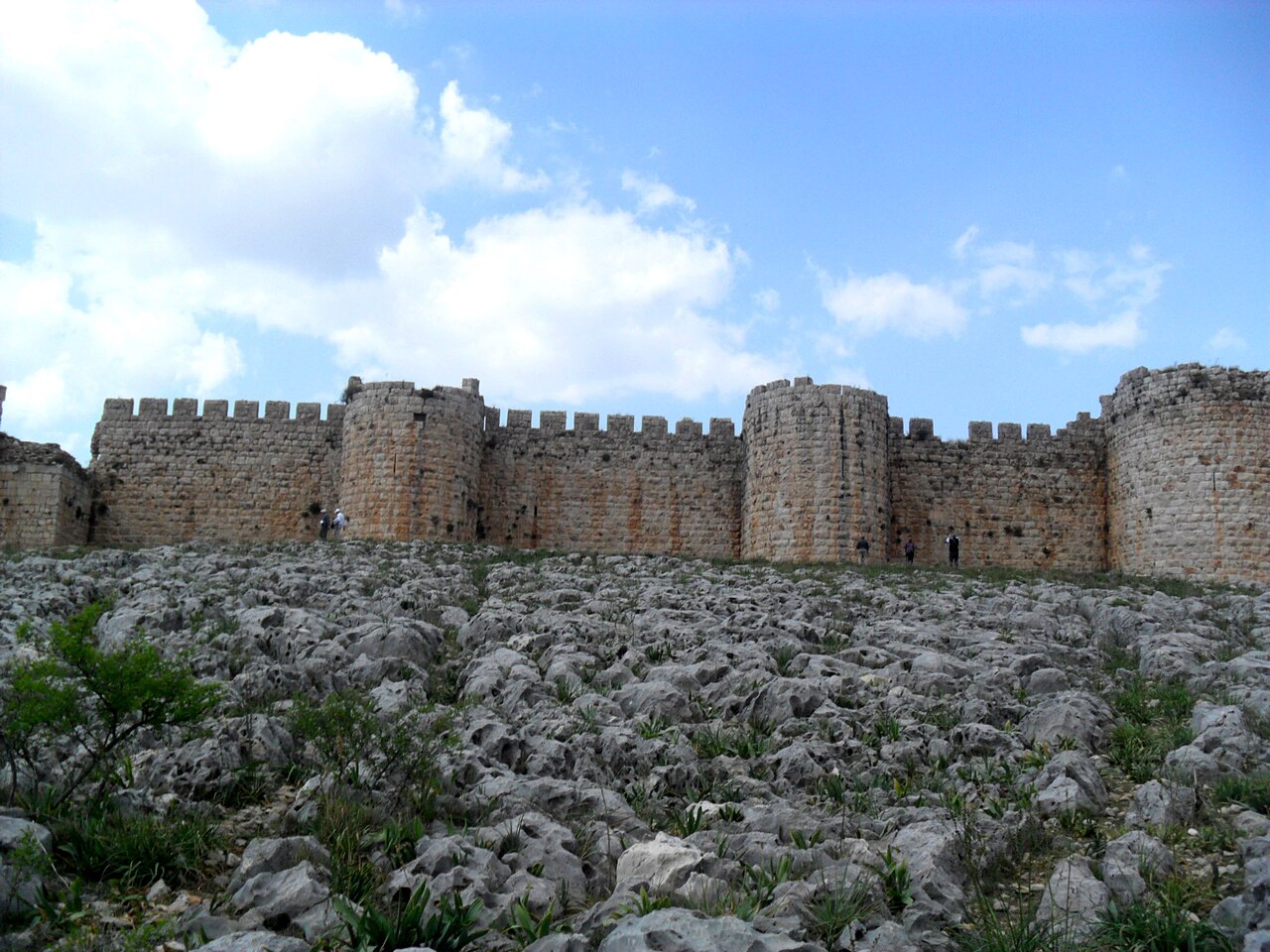
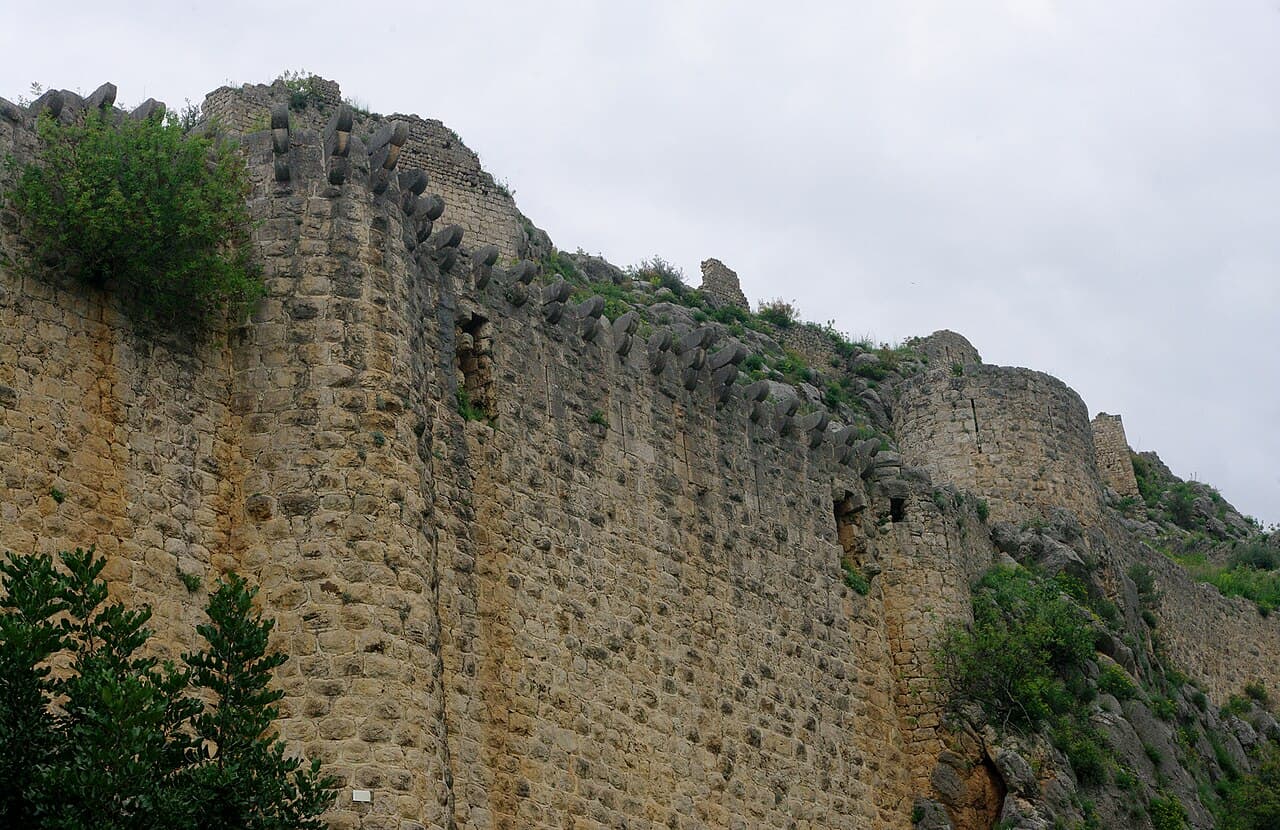
The castle's layout follows the natural contours of the rocky spur, with an outer rampart enclosing two main sections and a total of 44 bastions. The inner castle is situated in the southern section, providing a final defensive stronghold. The fortress includes numerous vaulted utility chambers used for storage, reflecting its role as a self-sustaining military complex.
Within the castle are the ruins of two Armenian chapels, likely dating from the 13th century. One chapel is located on the central spur, while the other is inside a semicircular tower on the east wall of the southeast bailey. These religious structures emphasize the castle's importance as a spiritual as well as political center.
The main entrance features a vaulted corridor that may date from the Mamluk period (post-1375), bearing an Arabic inscription. Behind this is a simpler gateway, possibly the original Byzantine entrance. This layering of architectural elements illustrates the castle's complex history of occupation and reconstruction.
Later history and decline
From 1266 to 1375, Sis Castle and the Armenian capital endured repeated raids by the Mamluks and their Egyptian allies, suffering at least ten successful attacks. The city was further devastated by the bubonic plague in 1348. The last Armenian king, Leo V, was captured in the castle, marking the decline of Armenian rule.
Despite the political turmoil, Sis remained the seat of the Armenian patriarchs from 1292 until 1873. However, the patriarch resided there permanently only from the 17th century, with a dedicated monastery established in 1734. The royal palace, once located just below the castle, was destroyed during the Mamluk siege of 1375; only two corner towers of its donjon survive.
Visiting Sis Castle today
Today, Sis Castle is freely accessible to visitors. While the ruins themselves may not be extensively preserved, the site offers spectacular views over the surrounding countryside and the city of Kozan below. The castle's strategic position and layered history make it a significant cultural and historical landmark in the region.
Frequently asked questions (FAQ)
- What is the historical significance of Sis Castle?
- Sis Castle, located in Kozan, Turkey, dates back to the medieval period and played a crucial role in the region's defense against invasions. It was also an important center for trade and cultural exchange, reflecting the architectural styles of various civilizations that occupied it throughout history.
- When was Sis Castle built?
- Sis Castle was originally constructed in the 11th century, with various modifications and expansions made over the centuries. Its strategic location made it a vital fortification during the Byzantine and Seljuk periods.
- Can I visit Sis Castle year-round?
- Yes, Sis Castle is open to visitors throughout the year. However, it is advisable to check for any seasonal events or maintenance closures that may affect accessibility.
- What are the opening hours for Sis Castle?
- The opening hours for Sis Castle typically range from 9 AM to 6 PM, but these hours may vary depending on the season. It’s recommended to check the official site or local tourism information for the most current hours before planning your visit.
- Is there an entrance fee for Sis Castle?
- Yes, there is a nominal entrance fee to visit Sis Castle, which helps maintain the site and support its preservation. The ticket prices are usually affordable, making it accessible for most visitors.
- What is the best time to visit Sis Castle?
- The best time to visit Sis Castle is during the spring (April to June) and fall (September to October) when the weather is mild and comfortable for exploring. Summers can be quite hot, while winters may bring cooler temperatures.
- Are there nearby attractions to Sis Castle?
- Yes, visitors to Sis Castle can explore nearby attractions such as the ancient city of Anavarza and the beautiful landscapes of the Taurus Mountains. These sites offer additional historical and natural experiences that complement a visit to the castle.
- How do I get to Sis Castle?
- Sis Castle is easily accessible by car or public transportation from Kozan. It is recommended to use a GPS or a local map for the best route, as the castle is located on a hilltop with scenic views of the surrounding area.
- Is it possible to explore the architecture of Sis Castle?
- Absolutely! Visitors can explore the impressive architectural features of Sis Castle, including its massive stone walls, towers, and gates. Guided tours are often available, providing insights into the castle's historical context and architectural significance.
Photo gallery

Information
Loading map...
Visitor reviews
No reviews yet. Been here? Write the first review and help other travelers!
Write the first reviewVisited this castle? Share your experience
Your review helps other travelers and adds first-hand knowledge to our encyclopedia.