Lampron Castle
Lampron Castle, also known locally as Namrun Kalesi, is a remarkable medieval fortress located on a limestone outcrop in the Taurus Mountains near the village of Çamlıyayla, in the province of Mersin, Turkey. This hill castle dates back to the 11th century and stands as a testament to the complex history and architectural ingenuity of the Armenian Kingdom of Cilicia and its noble families.
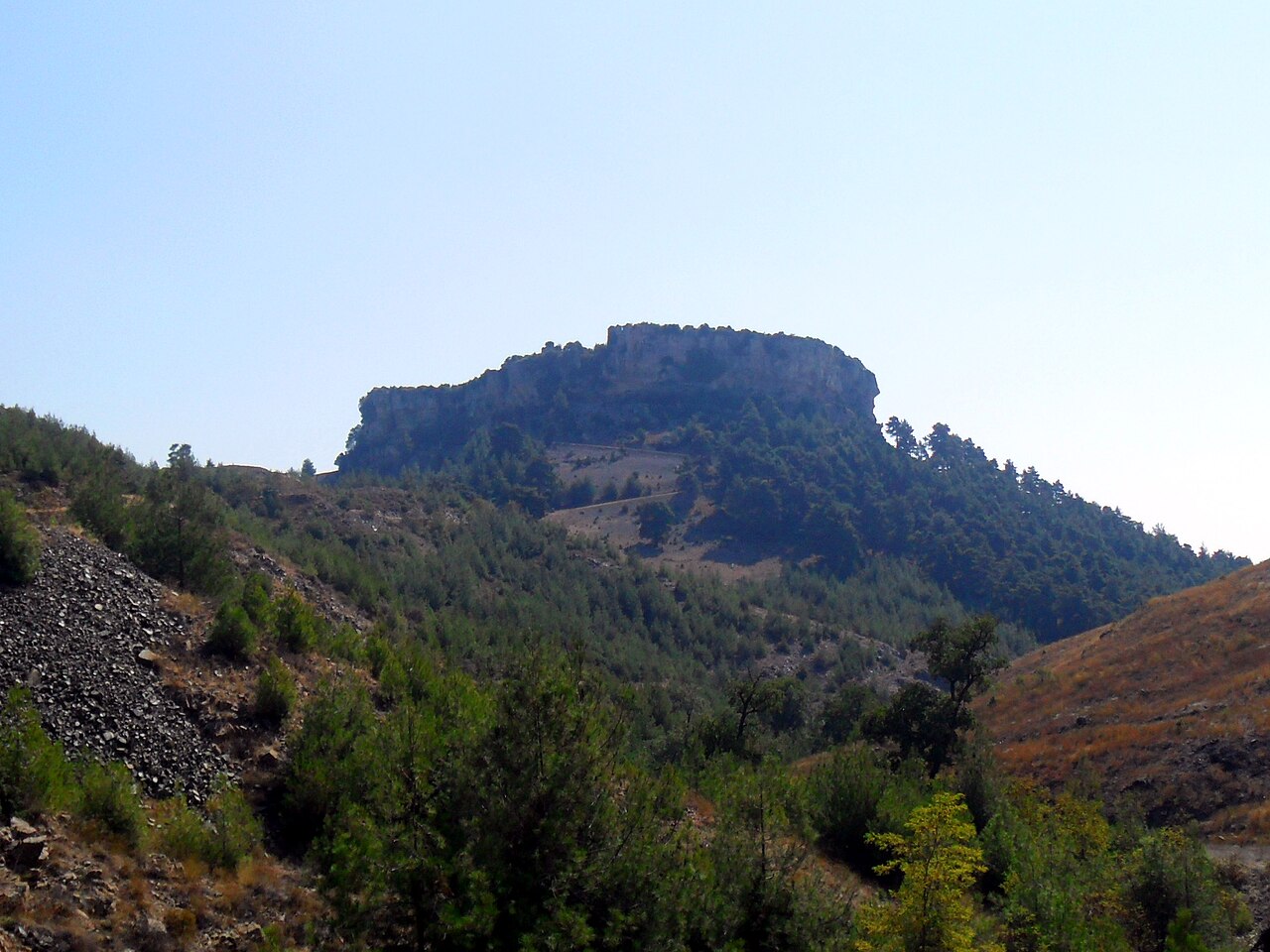
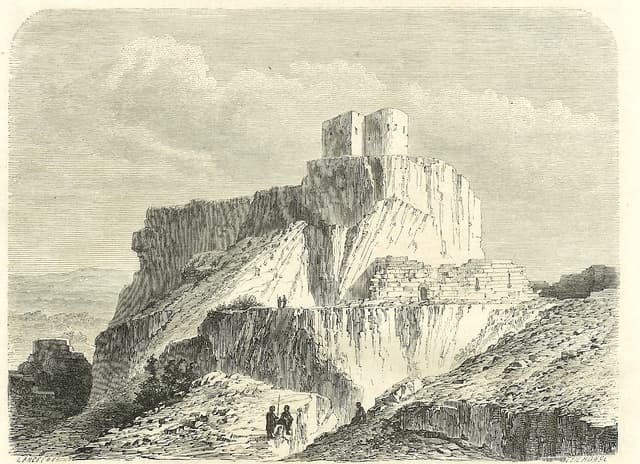
Strategically perched on a mountain spur projecting from the southern tip of Bulgar Dağı, Lampron Castle covers an area approximately 330 by 150 meters. Its position commands sweeping views over three intersecting highland valleys with precipitous drops of over 50 meters to the river valleys below, making it a formidable defensive site. The castle’s location allowed it to control key mountain passes leading toward Tarsus and the Cilician Gates, vital routes for trade and military movements.
Architectural layout and defensive features
The castle is divided into two main sections: the upper ward and the lower bailey. The upper ward, accessible only by steep rock-cut stairs and a narrow, twisting entrance passage, served as the primary stronghold. It is situated on the highest part of the limestone outcrop, maximizing natural defenses. The lower bailey extends south and west, featuring additional fortifications and domestic buildings.
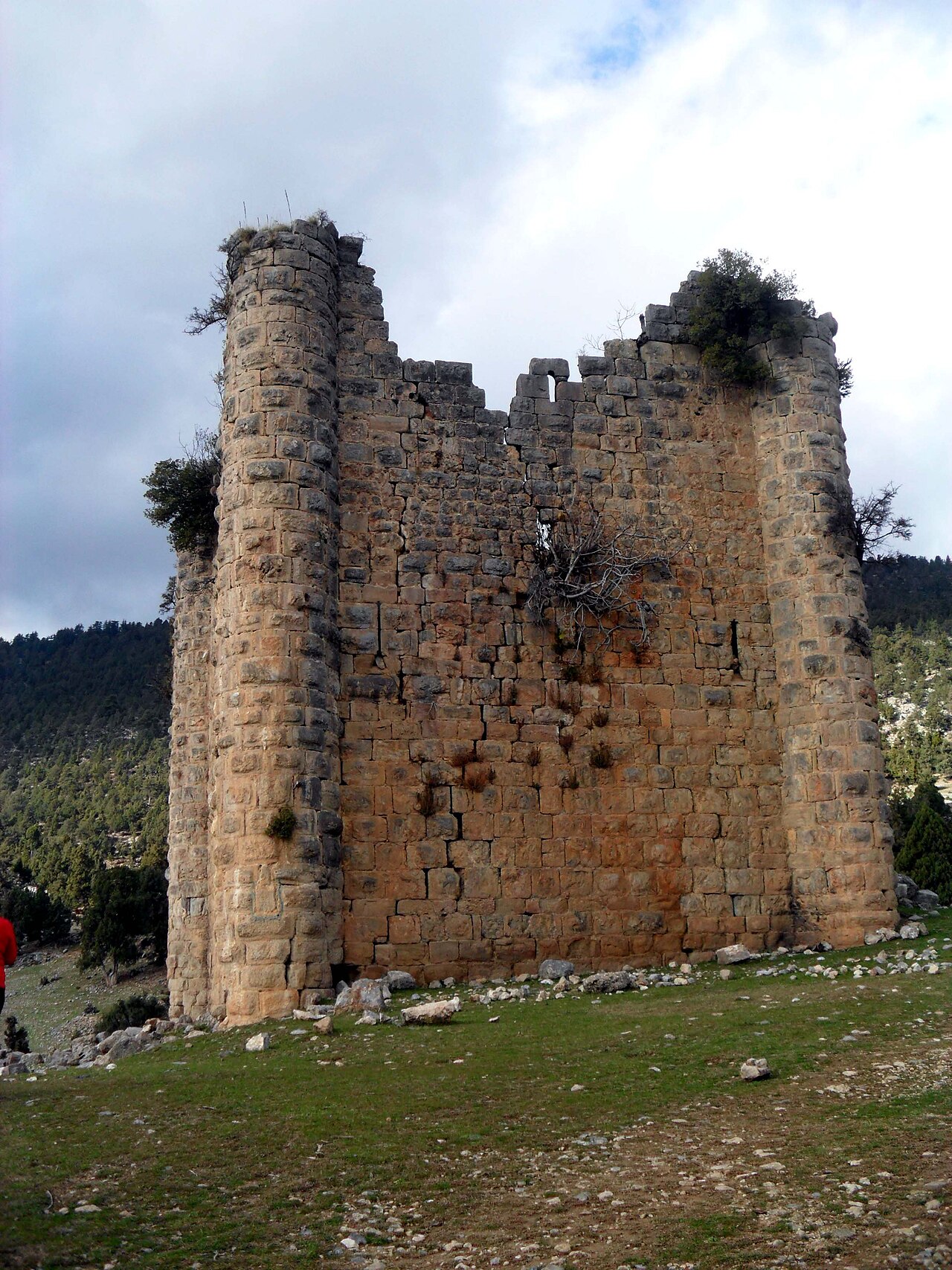
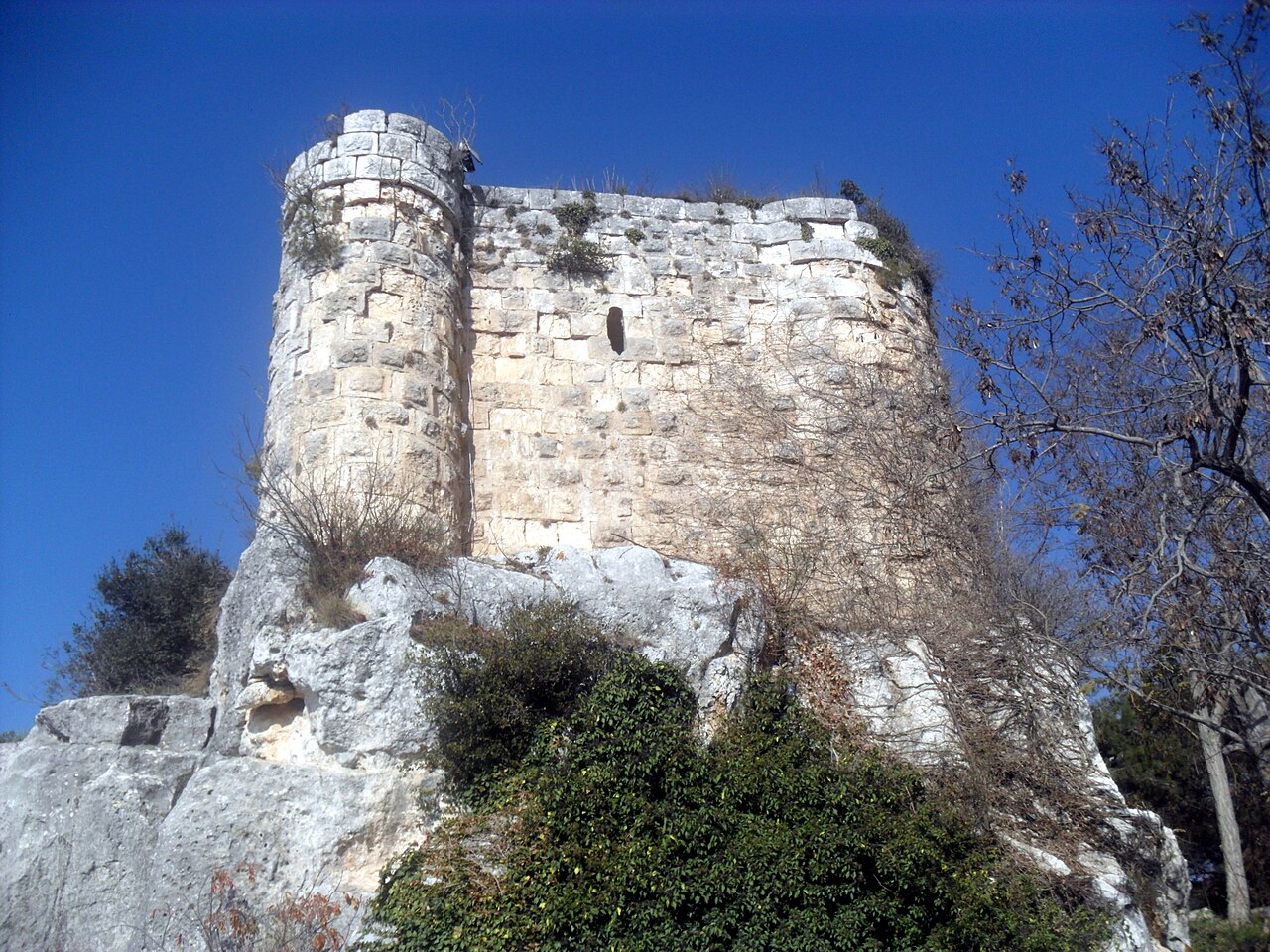
Within the upper ward, the remains of several buildings are carved directly into the bedrock, demonstrating advanced medieval stone masonry. Notably, six vaulted chambers stand side-by-side at the northern end, with two equipped with battlements and narrow arrow slits designed for archers, highlighting the castle’s military function. A vaulted hall, likely used as a chapel or gathering place, remains intact, offering insight into the castle’s religious and social life.
One of the castle’s remarkable features is the presence of hypocaust heating systems in parts of the upper ward and the bathhouse located in the lower bailey. This ancient Roman heating technology, circulating hot air beneath floors, indicates a concern for comfort and hygiene unusual for fortresses of the period.
Defensive enhancements include a dry moat carved into the rock at the northwest tip of the upper ward, which further isolated the castle from the surrounding plateau. The castle’s natural topography, combined with these man-made defenses, rendered Lampron nearly impregnable during medieval sieges.
Historical significance and noble lineage
Lampron Castle’s history is deeply intertwined with the Armenian Kingdom of Cilicia and the noble families that shaped the region’s medieval politics. Originally a Greek outpost and later an Arab-held fortress, Lampron came under Armenian control in 1073 when Aplgharib Artsruni, a Byzantine-appointed governor of Tarsus, granted it to Ōšin, an Armenian noble from Gandzak. Ōšin’s successful campaign to wrest the fortress from Arab control established Lampron as a hereditary seat for the Hetumid family, a prominent Armenian noble house.
Throughout the 12th century, Lampron withstood multiple sieges by the rival Rubenid dynasty in 1171, 1176, and 1182, underscoring its strategic importance and strong defenses. The castle’s reputation for impregnability was well-earned, as direct assaults and prolonged sieges failed to capture it.
In the early 13th century, political intrigue altered Lampron’s ownership. In 1201, King Levon I, founder of the Rubenid dynasty and crowned King of Armenia around 1198/99, orchestrated a marriage alliance that drew the Hethumid knights to a wedding feast at Tarsus. During this event, Levon’s forces seized Lampron, and he subsequently granted the castle to his mother as a summer residence, marking a significant shift in power.
The 13th century also saw internal conflict at Lampron. In the 1240s, Baron Constantine of Lampron rebelled against King Hethum I, allying with the Seljuk Sultan Kaykhusraw II of Konya. Despite this alliance, Constantine was defeated by royal forces led by Constable Smbat and executed in 1250 for treason, ending the rebellion and reaffirming royal authority over the fortress.
Lampron briefly served as a prison for King Henry II of Cyprus of the Lusignan dynasty in 1309-1310, illustrating its continued strategic use beyond Armenian rule. In the late 14th century, the castle was occupied by a Mamluk garrison, reflecting the shifting political landscape of the region. Eventually, the fortress came under the control of the Karamanid beylik and later the Ottoman Empire.
Architectural details and cultural heritage
Lampron Castle exemplifies the adaptation of medieval fortress architecture to rugged mountainous terrain. The use of natural rock formations as foundations and walls minimized construction material needs while maximizing defensive strength. The castle’s layout, with its sharply divided wards and narrow, defensible entrances, reflects military architectural principles of the High Medieval period.
The castle’s vaulted chambers and battlemented towers demonstrate the influence of Armenian and Crusader architectural styles prevalent in Cilicia. The presence of a chapel-like hall within the upper ward indicates the integration of religious functions within the fortress complex.
The hypocaust heating systems found in the castle and bathhouse are particularly noteworthy, as they reveal the inhabitants’ emphasis on comfort and advanced engineering knowledge. The bathhouse itself, located in the lower bailey, consists of five rooms arranged along east-west and north-south axes, showcasing sophisticated design and the importance of hygiene in medieval noble life.
Lampron’s strategic location also allowed it to maintain visual communication with nearby Sinap Castle, about three kilometers to the northeast, facilitating coordinated defense across the region. This network of fortresses was crucial in controlling the Cilician Gates and defending against invasions.
Present-day access and tourism
Today, Lampron Castle is freely accessible to visitors and remains a popular destination for those interested in medieval history and architecture. Its mountain-top location offers stunning panoramic views of the surrounding Taurus Mountains and valleys. The nearby village of Çamlıyayla, also known as Namrun, serves as a summer resort, attracting visitors seeking relief from the heat of the Cilician plains.
Exploring Lampron Castle provides a unique opportunity to witness the remnants of a fortress that played a pivotal role in the medieval history of Armenian Cilicia. Visitors can appreciate the blend of natural and man-made defenses, the sophisticated architectural details, and the rich historical narratives embodied in its ruins.
Frequently asked questions (FAQ)
- How do I get to Lampron Castle?
- Lampron Castle is located in Çamlıyayla, Turkey. You can reach it by car or public transportation from nearby cities such as Adana and Mersin. It is advisable to check local transport schedules for the best routes.
- What is the historical significance of Lampron Castle?
- Lampron Castle dates back to the 11th century and played a crucial role in the defense of the region during various historical conflicts. It is a significant example of medieval architecture in Turkey and reflects the influence of the Crusades in the area. Visitors can explore its rich history through the remnants of its fortifications and structures.
- When was Lampron Castle built?
- The construction of Lampron Castle is believed to have begun in the 11th century, around the time of the Crusades. It served as a stronghold for various rulers and has undergone several renovations over the centuries. Its enduring structure showcases the architectural styles of its time.
- Can I enter Lampron Castle?
- Yes, visitors can enter Lampron Castle to explore its grounds and learn about its historical significance. There may be certain areas that are restricted for safety reasons, but the majority of the castle is accessible to the public. Guided tours are often available to enhance your experience.
- Why is Lampron Castle a popular tourist destination?
- Lampron Castle is popular due to its stunning medieval architecture and breathtaking views of the surrounding landscape. It offers a unique glimpse into Turkey's rich history and appeals to both history enthusiasts and casual tourists alike. The castle's picturesque setting makes it a perfect spot for photography and exploration.
- Is it possible to visit Lampron Castle year-round?
- Yes, Lampron Castle is open to visitors year-round, although the best time to visit is during the spring and fall when the weather is mild. Summer months can be quite hot, and winter may bring rain or snow, which could affect accessibility. Always check local weather conditions before planning your visit.
- What are the opening hours for Lampron Castle?
- Lampron Castle typically opens to visitors from 9 AM to 5 PM, but hours may vary depending on the season or special events. It is recommended to verify the current opening hours before your visit to avoid any inconvenience. Checking the local tourist information can provide the most up-to-date details.
- Are there any ticket prices to visit Lampron Castle?
- Entry to Lampron Castle usually requires a small ticket fee, which helps with the maintenance and preservation of the site. Prices are generally affordable, making it accessible for most visitors. It is advisable to check for any discounts or family packages that may be available.
- What nearby attractions can I visit after Lampron Castle?
- After visiting Lampron Castle, you can explore the beautiful natural landscapes of the Çamlıyayla region, including parks and hiking trails. Additionally, nearby historical sites and local villages offer a taste of Turkish culture and tradition. Plan to spend a day in the area to fully experience its offerings.
Photo gallery

Photo by Victor Langlois•Public domain
Information
Website
Visit websiteSources & official resources
Verify the information above using these authoritative references.
Loading map...
Visitor reviews
No reviews yet. Been here? Write the first review and help other travelers!
Write the first reviewVisited this castle? Share your experience
Your review helps other travelers and adds first-hand knowledge to our encyclopedia.