Hiketa Castle (引田城, Hiketa-jō) stands as a significant Sengoku period site located in what is now the city of Higashikagawa in Kagawa Prefecture, Japan. Although the castle itself no longer stands intact, its ruins have been recognized for their historical importance and have been officially protected as a National Historic Site since 2020. The castle's remains offer valuable insights into the military architecture and regional power struggles of the late medieval period in Japan.
Historical context and significance
Constructed during the Sengoku period, a time marked by social upheaval, military conflict, and political intrigue from the mid-15th to early 17th centuries, Hiketa Castle played a role in the regional power dynamics of Shikoku Island. The castle was strategically positioned to control access to important routes and to serve as a defensive stronghold against rival clans. Although detailed records of its founding and owners are scarce, the castle is understood to have been a focal point in local conflicts during this turbulent era.
Architectural features and layout
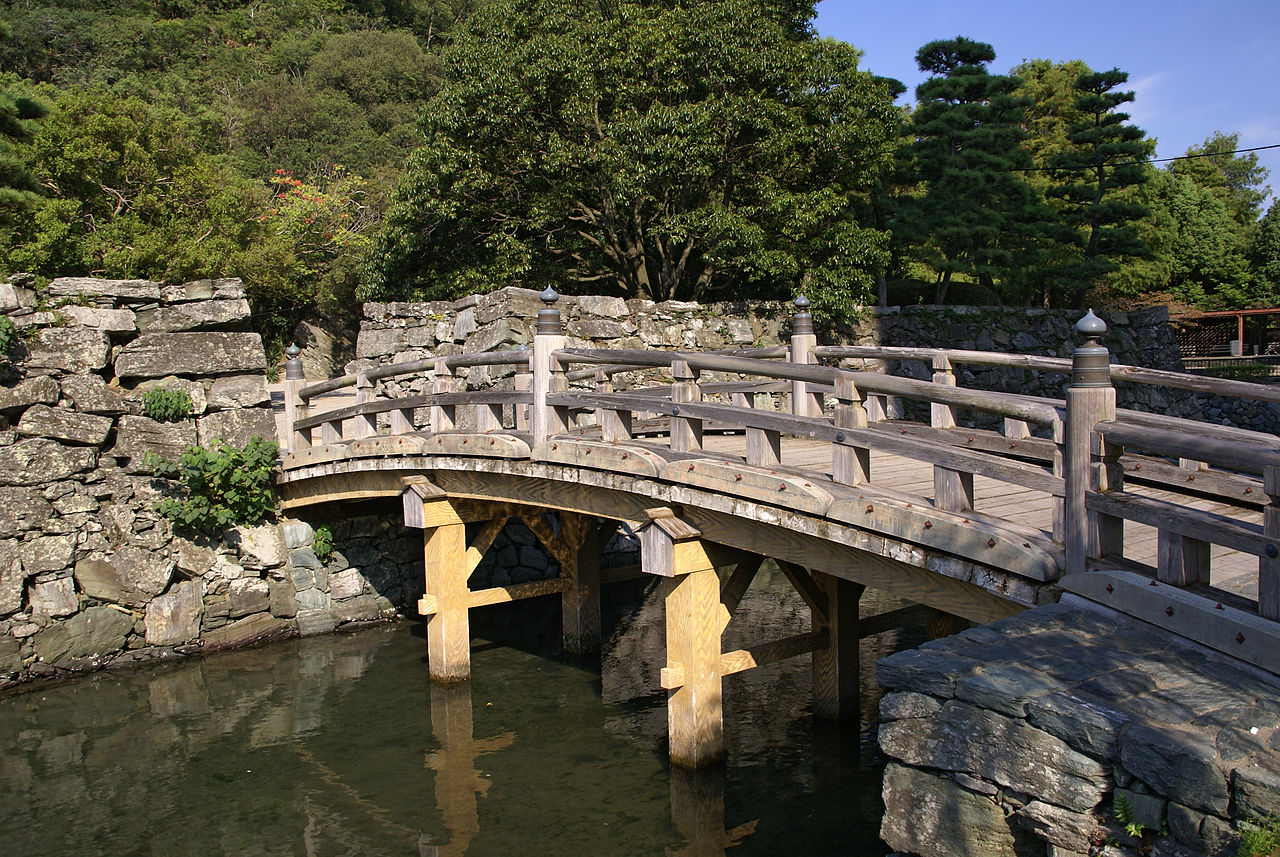
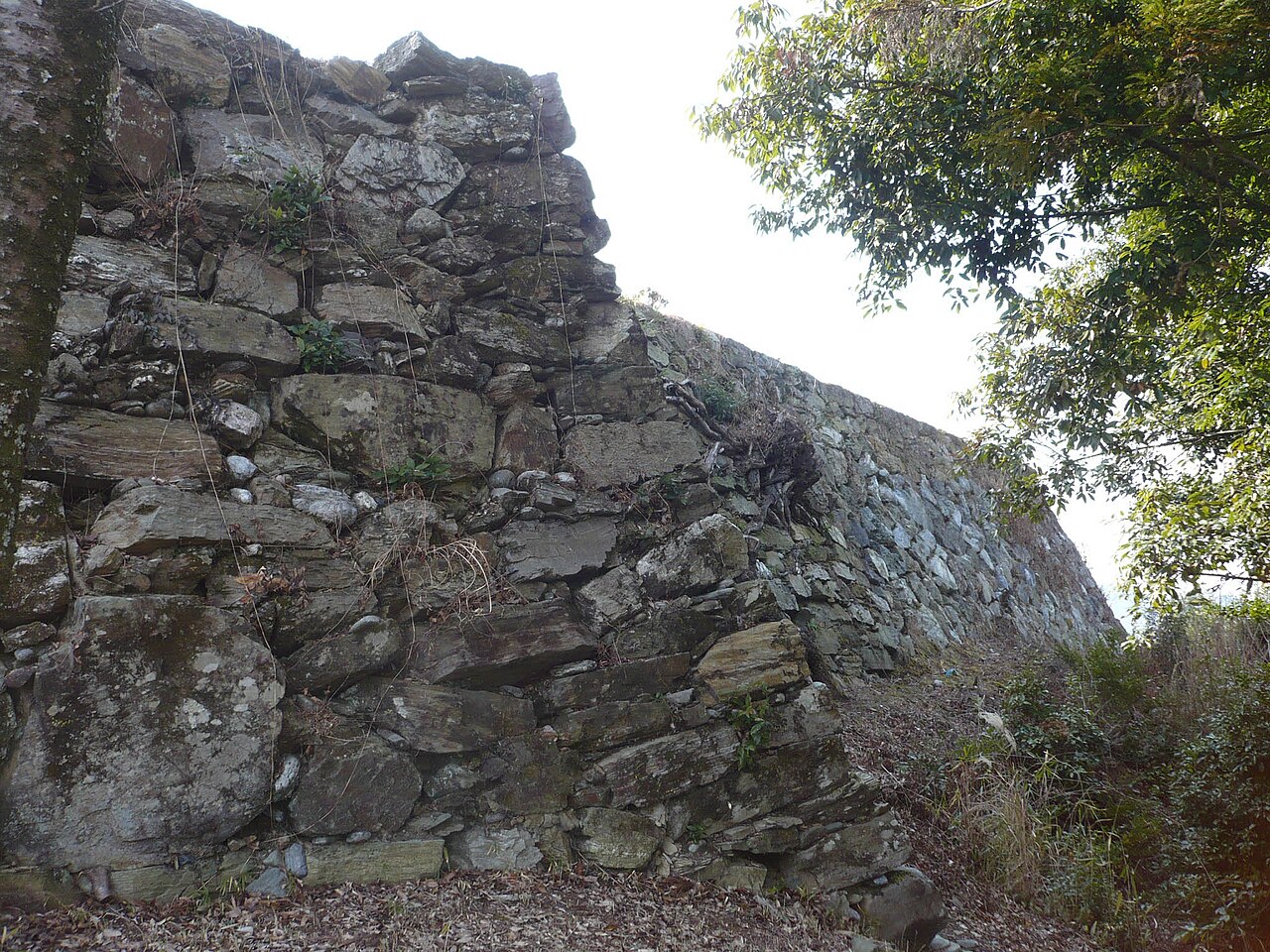
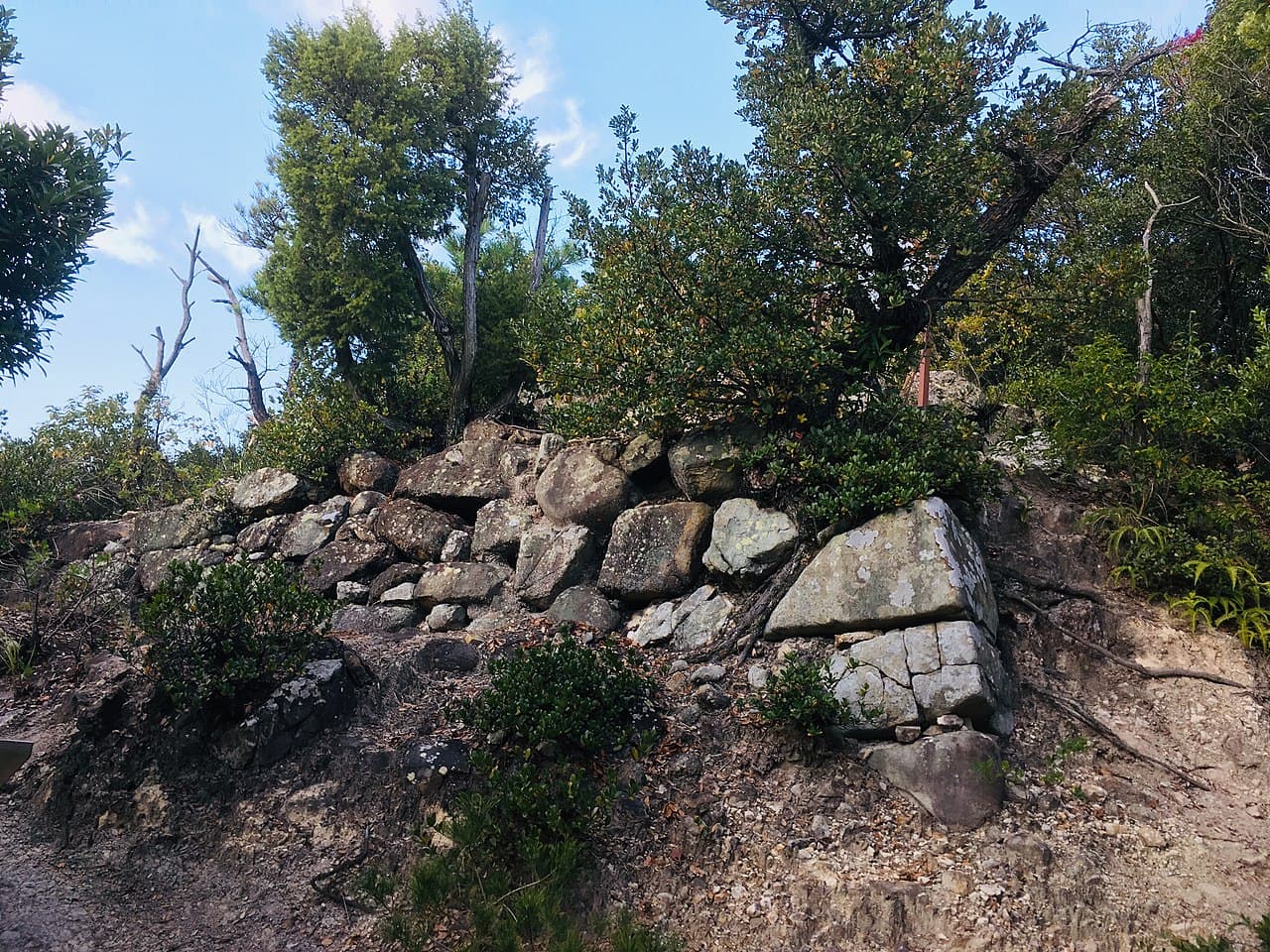
As a Sengoku period Japanese castle, Hiketa Castle would have featured typical defensive elements designed to withstand sieges and raids. These likely included earthen ramparts, stone walls, and wooden palisades, arranged to maximize defense while utilizing the natural terrain. The castle's location in the hilly terrain of Kagawa Prefecture would have provided natural fortification advantages.
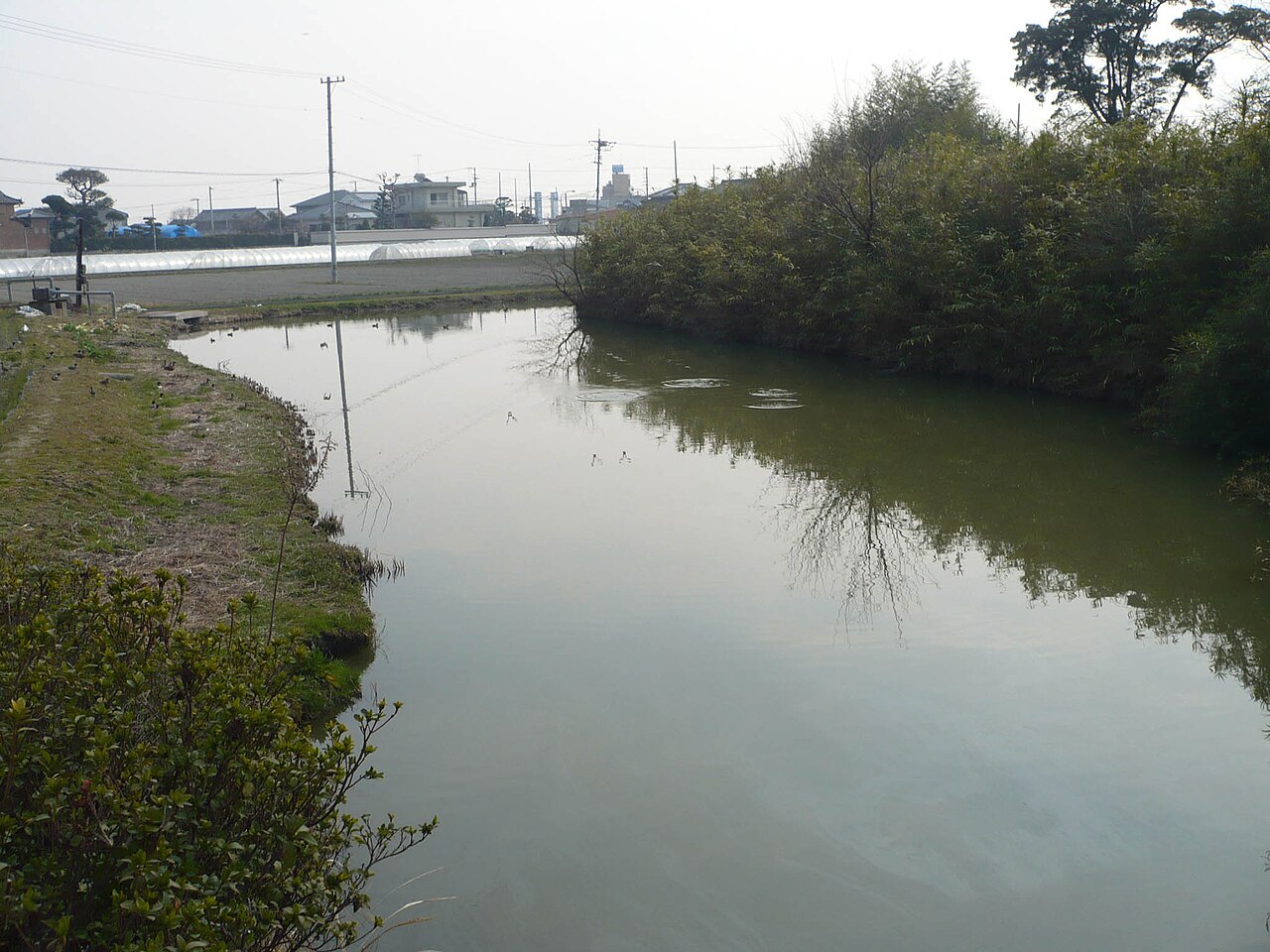
The castle site includes remnants of moats and fortified enclosures, which were common features in Japanese castles of this period. The layout would have incorporated baileys separated by defensive barriers, with the main enclosure housing the lord's residence and administrative buildings. Although the original structures have not survived, archaeological excavations have uncovered foundations and artifacts that shed light on the castle's construction and use.
Archaeological investigations and preservation
Since its designation as a National Historic Site in 2020, Hiketa Castle has been the subject of archaeological study aimed at uncovering more about its structure and historical role. Excavations have revealed building foundations, defensive works, and everyday items used by the castle's inhabitants. These findings contribute to a broader understanding of Sengoku period castle architecture and regional history.
Preservation efforts focus on maintaining the integrity of the ruins while making them accessible for educational and cultural purposes. The site serves as a valuable resource for historians, archaeologists, and visitors interested in Japan's feudal past.
Visiting Hiketa Castle ruins
Visitors to the Hiketa Castle ruins can explore the site to appreciate the layout and defensive features typical of a Sengoku period castle. Although no standing structures remain, informational signage and guided tours provide context about the castle's history and significance. The surrounding landscape offers scenic views and a tangible connection to Japan's medieval era.
The site is accessible from the city of Higashikagawa and is part of the region's cultural heritage attractions. Visitors are encouraged to respect the preservation efforts and natural environment while exploring the ruins.
Frequently asked questions (FAQ)
- How do I get to Hiketa Castle?
- Hiketa Castle is located in Higashikagawa, Japan, and can be accessed by car or public transport. If you are traveling by train, the nearest station is Takamatsu Station, from where you can take a local bus or taxi to reach the castle.
- What is the historical significance of Hiketa Castle?
- Hiketa Castle, built in the late 16th century, played an important role during the Sengoku period as a strategic military site. It served as a base for various samurai clans, reflecting the turbulent history of feudal Japan.
- When was Hiketa Castle constructed?
- Hiketa Castle was constructed in 1588 by the feudal lord Ikoma Chikamasa. It was established during a time of great political upheaval and was intended to serve as a defensive stronghold.
- Can I visit Hiketa Castle year-round?
- Yes, Hiketa Castle is open to visitors throughout the year. However, it's advisable to check for any seasonal events or closures that may affect your visit.
- Why is Hiketa Castle considered an architectural gem?
- Hiketa Castle is considered an architectural gem due to its unique design that blends natural landscapes with military fortifications. The castle's stone walls and layout showcase the ingenuity of Japanese castle construction during its era.
- Is it possible to tour the castle grounds?
- Yes, visitors can tour the castle grounds, which include well-preserved ruins and scenic views of the surrounding area. Guided tours are also available for those interested in learning more about the castle's history and architecture.
- What are the opening hours for Hiketa Castle?
- Hiketa Castle is typically open from 9 AM to 5 PM, with extended hours during the peak tourist season. It is recommended to check the official website for the most current information on opening hours.
- What are the ticket prices for visiting Hiketa Castle?
- Entry to Hiketa Castle is usually free, allowing visitors to explore the grounds without any charge. However, certain guided tours or special events may have associated fees, so be sure to check in advance.
- When is the best time to visit Hiketa Castle?
- The best time to visit Hiketa Castle is during the cherry blossom season in spring or the colorful foliage in autumn. These seasons not only enhance the beauty of the castle grounds but also provide a more pleasant climate for exploring.
- What nearby attractions are there to see?
- Near Hiketa Castle, visitors can explore the beautiful landscapes of the Seto Inland Sea, as well as the historic sites of Higashikagawa City. Additionally, you can enjoy local Japanese cuisine and visit traditional craft shops in the area.

Information
Current owner
Municipality
Loading map...
Visitor reviews
No reviews yet. Been here? Write the first review and help other travelers!
Write the first reviewVisited this castle? Share your experience
Your review helps other travelers and adds first-hand knowledge to our encyclopedia.