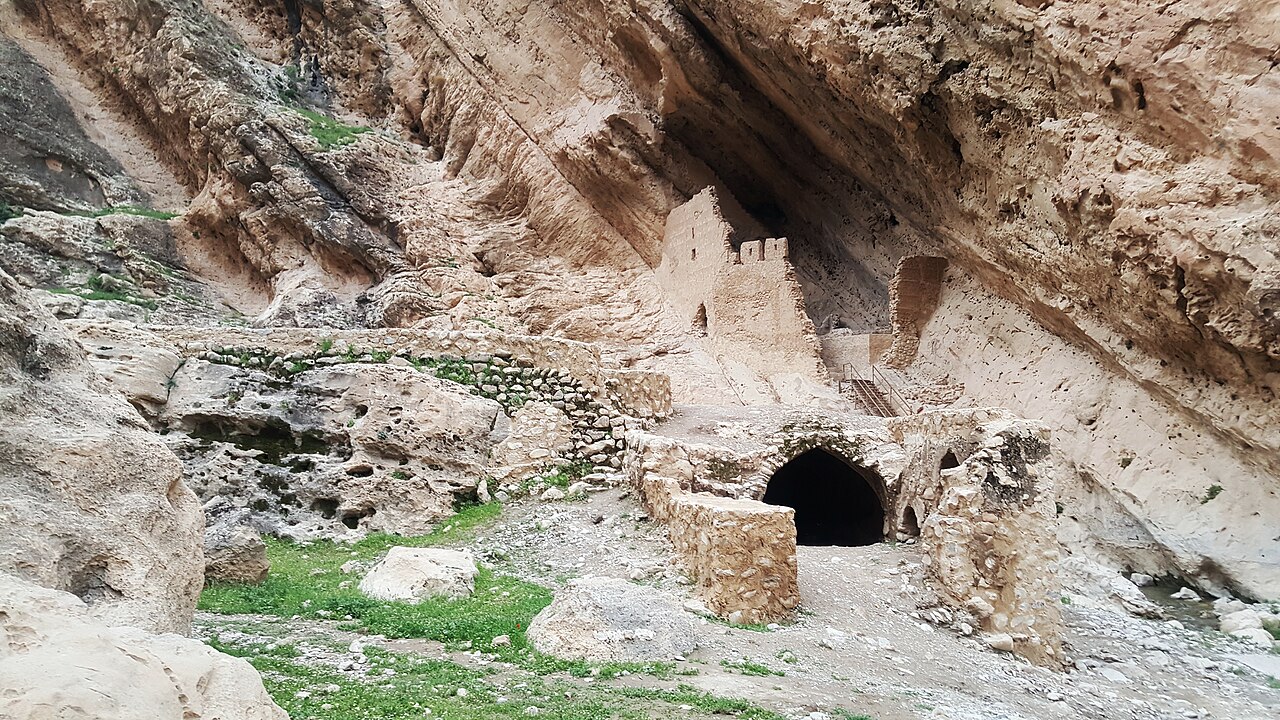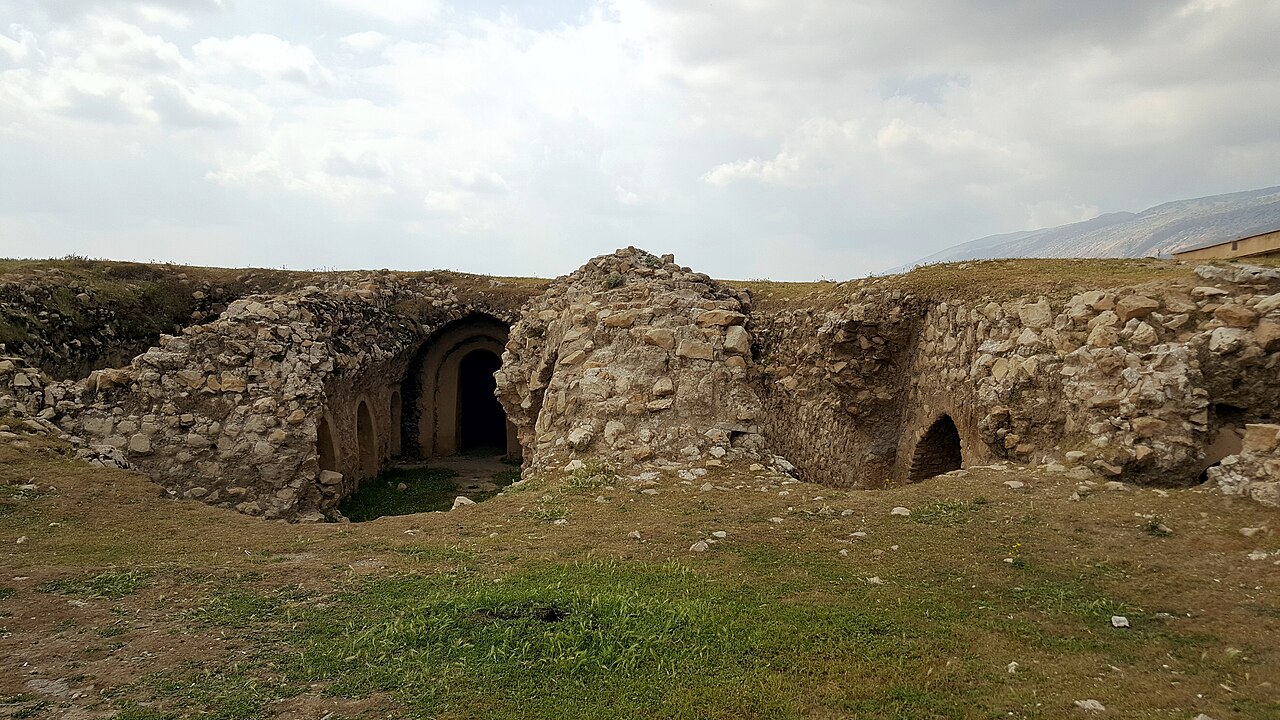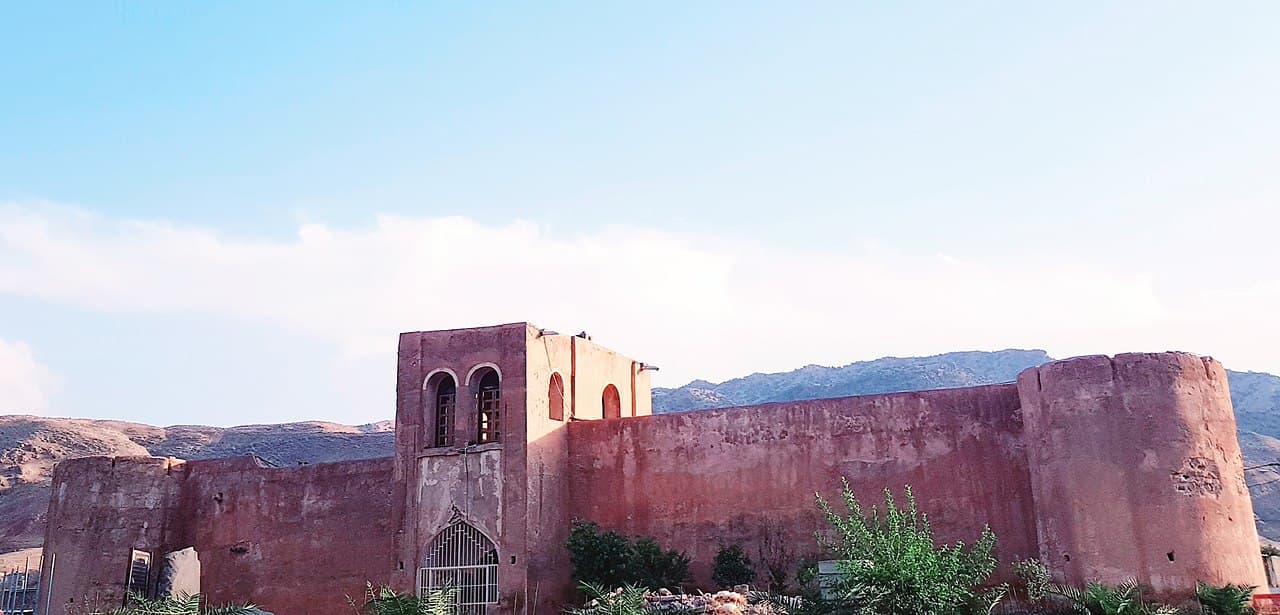
Mir Gholam Hashemi Castle
Mir Gholam Hashemi castle (Persian: قلعه میرغلام هاشمی) is a notable historical fortress situated in Darreh Shahr County within Ilam Province, Iran. This hill castle traces its origins to the Pahlavi dynasty, marking it as a relatively recent yet culturally significant structure in Iranian architectural heritage. Its enduring presence offers insight into the transitional period of Iranian fortifications during the 20th century.
Historical background and significance
The castle was constructed during the Pahlavi era, a time marked by modernization efforts across Iran, yet the castle retained traditional defensive architectural elements. It served as a residential fortress and a symbol of local power and authority. The castle was continuously inhabited until 1975, reflecting its functional importance beyond mere military use.
The last family to reside in the castle was the Eskandari family. Among them, Jahangeer Eskandari was a prominent figure, known as the half-brother of Agha Sultan Hashemi. Jahangeer was the heir to Mir Gholam Hashemi, the castle's namesake. She passed away in 2007, marking the end of an era for the castle's direct familial lineage.
Architectural features and layout
As a hill castle, Mir Gholam Hashemi castle is strategically positioned on elevated terrain, providing natural defense advantages. The construction reflects typical fortress elements of the period, including robust walls designed to withstand attacks and environmental wear. Although detailed architectural plans are scarce, the castle likely includes defensive walls, battlements, and possibly watchtowers to oversee the surrounding landscape.
The castle's design merges traditional Persian fortification techniques with adaptations suitable for the 20th century, indicating a blend of historical styles and modern needs. This fusion underscores the transitional nature of Iranian castle architecture during the Pahlavi dynasty.
Cultural and regional context
Located in Ilam Province, an area rich in history and diverse cultural influences, the castle reflects the local heritage and the social dynamics of the region during the 20th century. The fortress stands as a testament to the region's strategic importance and the prominence of the Hashemi family within local society.
The castle's continuous habitation until the late 20th century highlights its role not only as a military structure but also as a family home and a center of local governance. This dual function is characteristic of many Iranian castles that evolved to accommodate changing social and political landscapes.
Preservation and current status
Today, Mir Gholam Hashemi castle remains a significant cultural landmark within Ilam Province. While specific details about its current condition are limited, it is recognized for its historical value and connection to the Pahlavi period. Efforts to preserve such sites contribute to understanding Iran's architectural evolution and regional history.
The castle's legacy continues through local memory and the historical records associated with the Hashemi and Eskandari families, offering avenues for further research and heritage tourism development.
Visiting Mir Gholam Hashemi castle
Visitors interested in Iranian history and architecture may find the castle a compelling site due to its unique position bridging traditional and modern eras. Although detailed visitor information is not widely available, exploring the castle within the context of Ilam Province's rich cultural landscape provides valuable insights into the region's past.
Travelers are encouraged to consider the broader historical and geographical setting of Darreh Shahr County when planning a visit, as the area offers additional archaeological and cultural attractions.
Frequently asked questions (FAQ)
- What is the historical significance of Mir Gholam Hashemi Castle?
- Mir Gholam Hashemi Castle is an important historical site in Darreh Shahr, Iran, showcasing the architectural style and cultural heritage of the region. Built during the Safavid era, it reflects the strategic military and residential functions of castles in the 17th century. The castle serves as a testament to the craftsmanship and historical narratives of its time.
- When was Mir Gholam Hashemi Castle built?
- The construction of Mir Gholam Hashemi Castle dates back to the Safavid period, specifically in the 17th century. This period was marked by significant advancements in Persian architecture and urban development. The castle has since stood as a symbol of the era's architectural innovation and cultural importance.
- Can I visit Mir Gholam Hashemi Castle?
- Yes, visitors are welcome to explore Mir Gholam Hashemi Castle. It offers a unique glimpse into Iran's rich history and architecture. Make sure to check local guidelines and any visitor requirements before your trip.
- What are the opening hours for Mir Gholam Hashemi Castle?
- Mir Gholam Hashemi Castle typically opens to visitors from 9 AM to 5 PM. However, hours may vary based on the season and local holidays. It is advisable to verify the current hours before planning your visit.
- Is it possible to access Mir Gholam Hashemi Castle by public transportation?
- Yes, public transportation options are available to reach Mir Gholam Hashemi Castle. Local buses and taxis can take you close to the castle, making it accessible for visitors. Be sure to inquire about the best routes and schedules when you arrive in Darreh Shahr.
- What is the best time to visit Mir Gholam Hashemi Castle?
- The best time to visit Mir Gholam Hashemi Castle is during the spring and autumn months when the weather is mild and pleasant. These seasons provide ideal conditions for exploring the site comfortably. Summer can be quite hot, while winter may bring cooler temperatures.
- Are there any nearby attractions to visit after exploring the castle?
- Yes, there are several attractions near Mir Gholam Hashemi Castle, including local museums and historic sites that highlight the culture of Darreh Shahr. Visitors can also enjoy the beautiful natural landscapes surrounding the area. Consider allocating additional time to explore these nearby points of interest.
- What are the ticket prices for visiting Mir Gholam Hashemi Castle?
- Ticket prices for Mir Gholam Hashemi Castle are generally affordable, making it accessible for most visitors. Prices may vary for locals and international tourists, so it's best to check at the entrance or on official websites for the latest information. Discounts may also be available for students and groups.
Photo gallery

Information
Loading map...
Visitor reviews
No reviews yet. Been here? Write the first review and help other travelers!
Write the first reviewVisited this castle? Share your experience
Your review helps other travelers and adds first-hand knowledge to our encyclopedia.