Shagan Castle
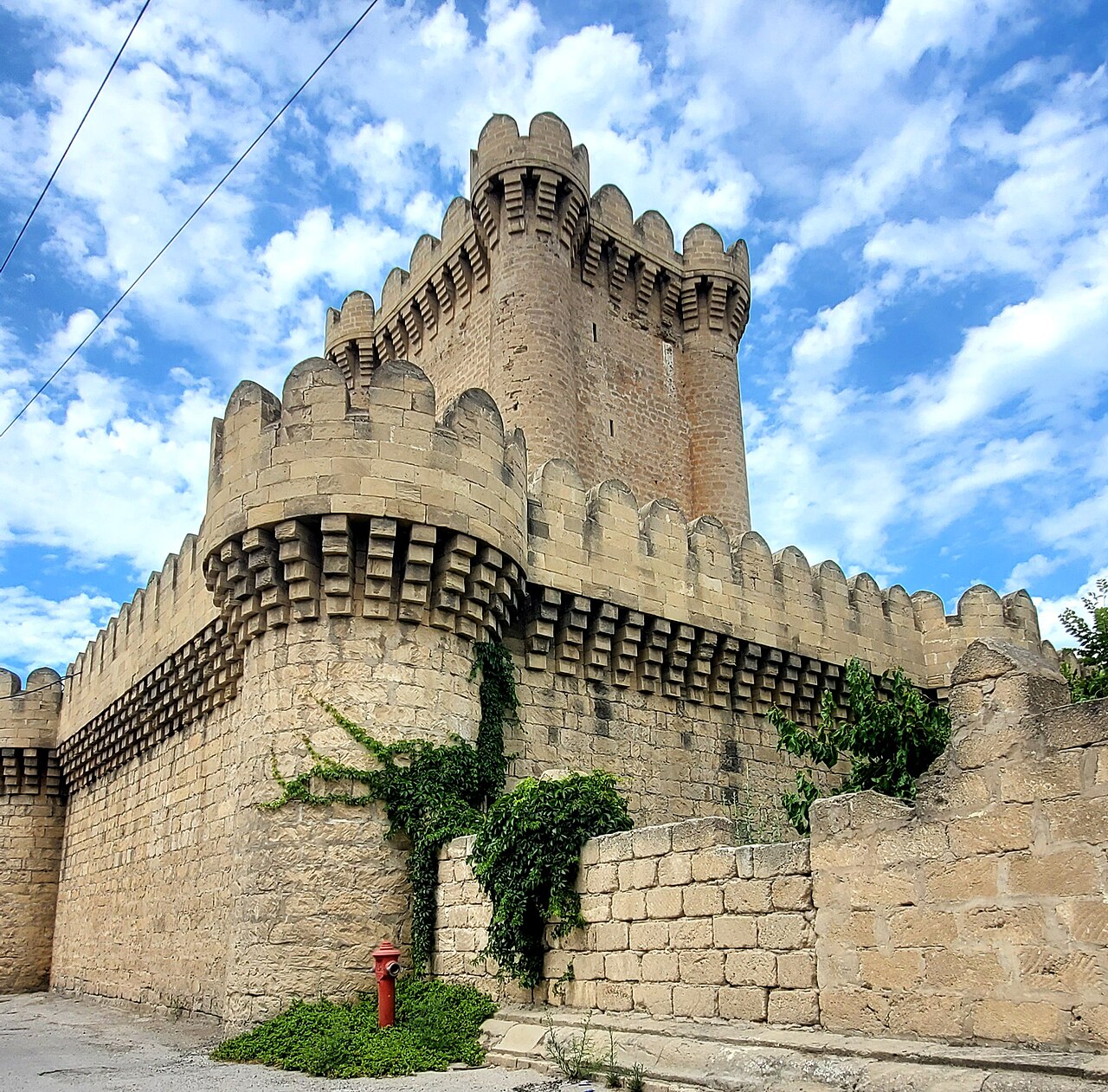
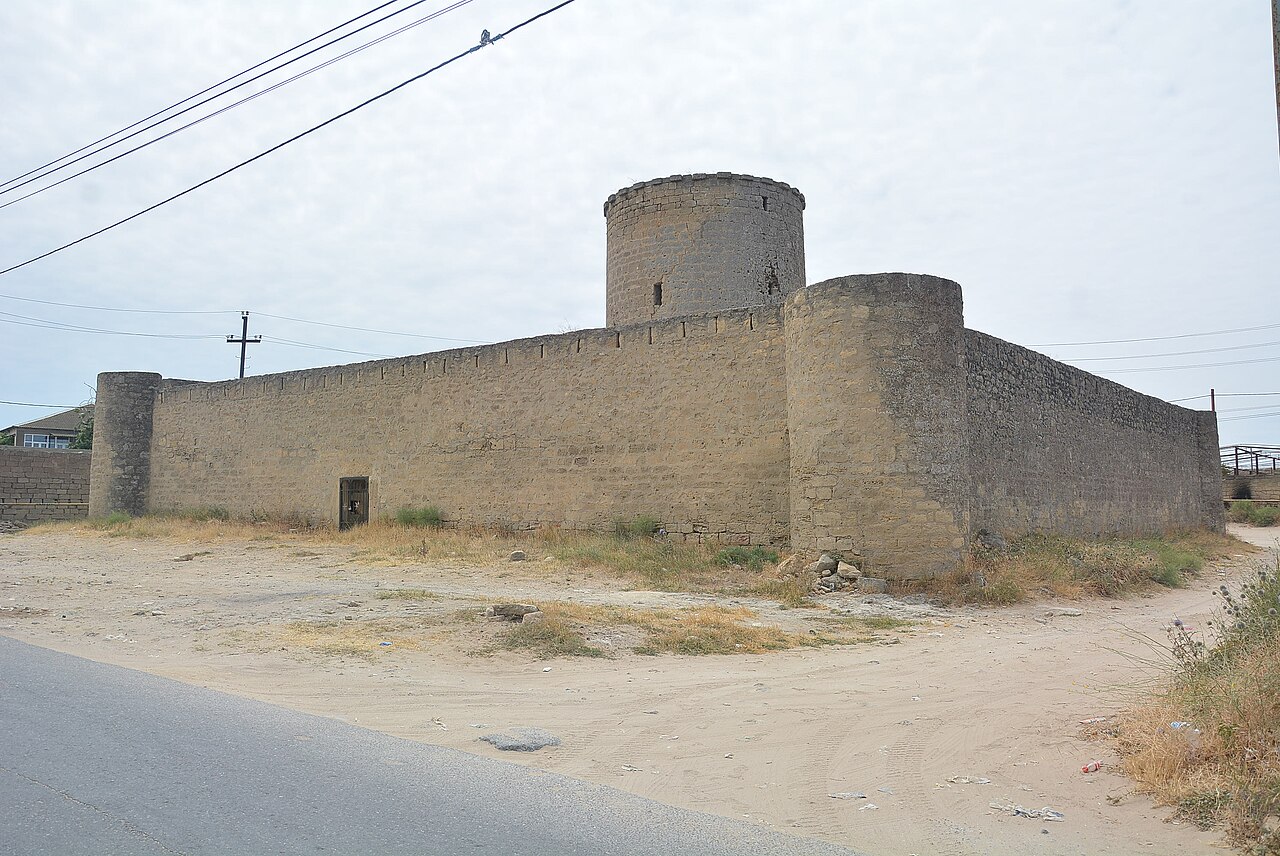
Shaghan Castle is a historic fortress dating back to the 12th and 13th centuries, situated in the Shaghan settlement on the Absheron Peninsula of Azerbaijan. This castle is part of a network of medieval fortifications built along the Caspian Sea coast to protect the region from invasions and to control trade routes. It originally featured multiple defensive structures, including walls and towers, characteristic of the military architecture of the period.
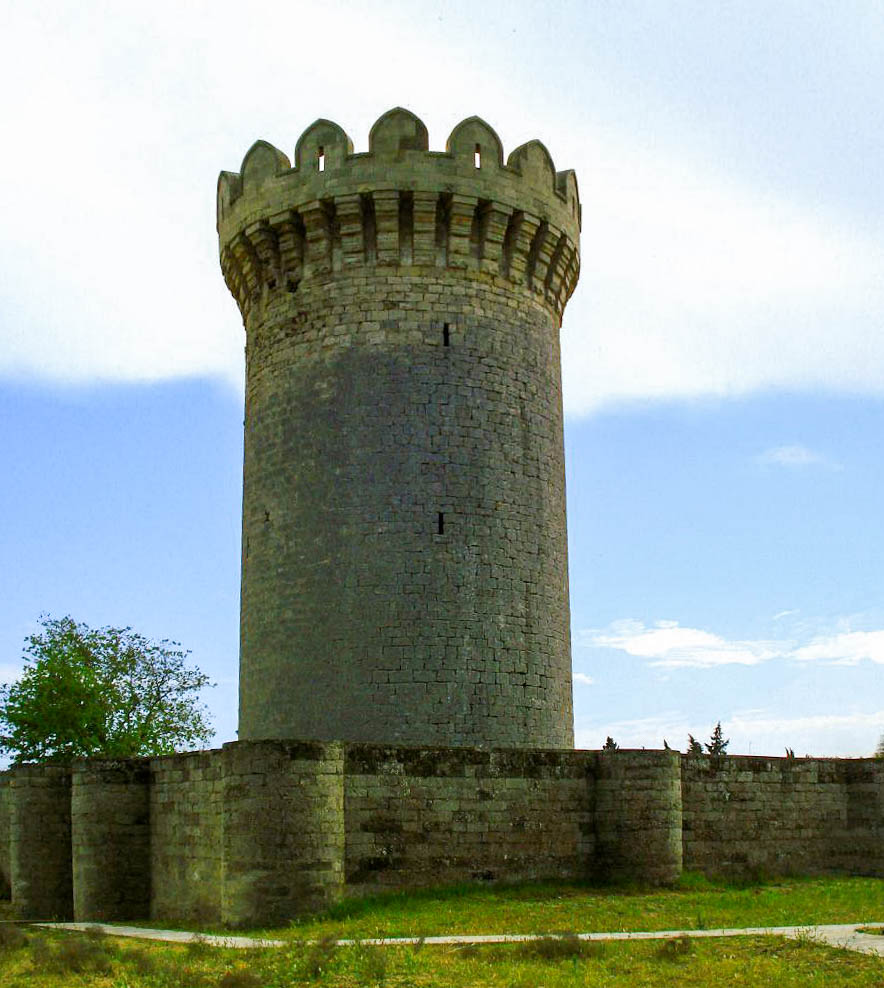
The castle's strategic position allowed it to serve as a stronghold and lookout point. The construction techniques used in Shaghan Castle reflect the medieval fortification styles common in the Caucasus region, with thick stone walls designed to withstand sieges and attacks. The surviving architecture includes a solitary tower, which stands as a silent witness to the castle's former extent and significance.
Historical context and significance
Shaghan Castle was built during a time when the Absheron Peninsula was a contested area due to its valuable location near the Caspian Sea. The fortress was part of a defensive system that included 12th and 13th-century castles, which collectively guarded the coastline and inland approaches. These castles played a crucial role in regional defense against nomadic incursions and rival powers.
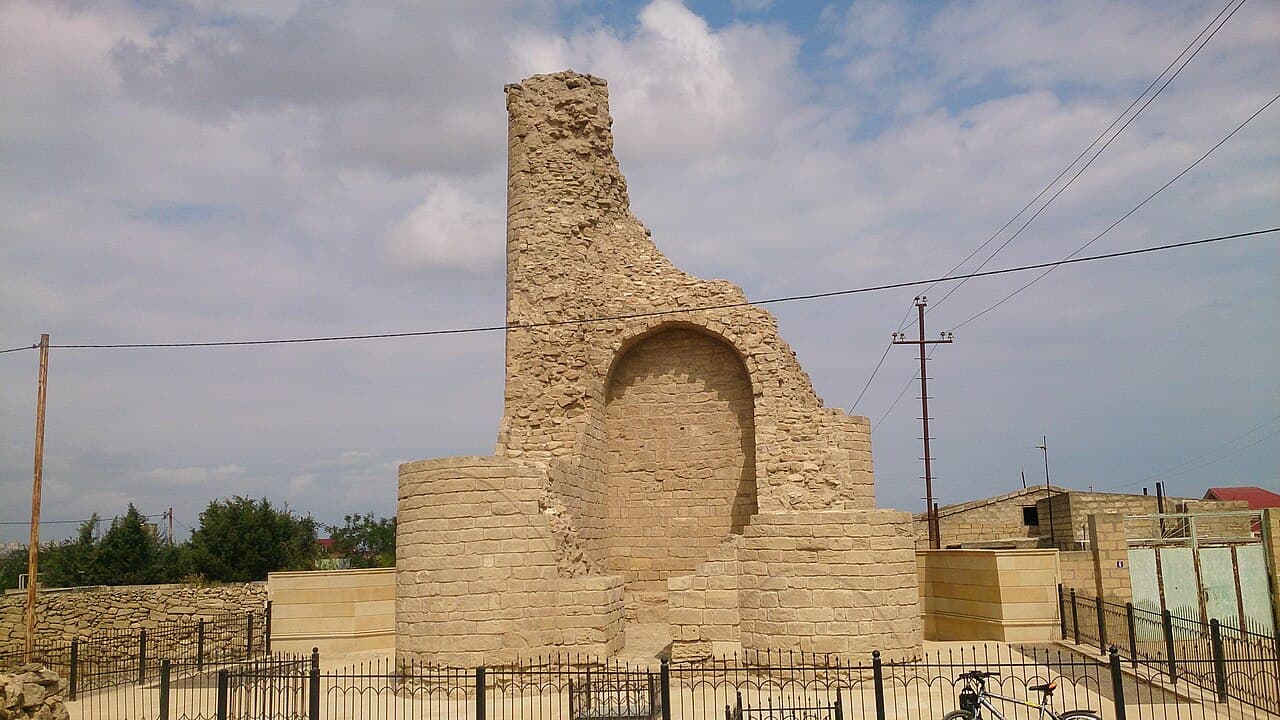
The castle suffered extensive damage from a powerful earthquake in 1841, which led to the destruction of most of its structures. Today, only one tower remains standing, offering valuable insight into the castle's original design and construction methods. Despite its ruined state, Shaghan Castle remains an important cultural and historical monument.
Architectural features
The surviving tower of Shaghan Castle is constructed from local stone and exhibits the robust masonry typical of medieval military architecture. The tower likely served as a watchtower and a last defensive refuge during attacks. Its walls are thick and built to resist both artillery and natural wear over centuries.
While most of the castle's walls and other towers have not survived, archaeological studies have revealed the layout of the fortress, including its perimeter defenses and internal courtyards. The castle's design reflects a blend of local building traditions and broader medieval fortification techniques.
Earthquake impact and preservation
The earthquake of 1841 was a significant event that led to the castle's partial collapse. The seismic activity caused irreparable damage to the structural integrity of the fortress, leading to the loss of many of its key features. Since then, the site has remained largely in ruins, with preservation efforts focusing on stabilizing the remaining tower and protecting the site from further deterioration.
Modern recognition and protection
In recognition of its historical and cultural value, Shaghan Castle was officially listed as an immovable historical and cultural monument of national importance by the Cabinet of Ministers of the Republic of Azerbaijan on August 2, 2001 (decision No. 132). This designation helps ensure legal protection and encourages conservation efforts.
Additionally, in 2001, Shaghan Castle was included in the UNESCO Reserve list along with other Caspian coastal fortifications. This inclusion highlights the castle's significance within the broader context of regional heritage and the importance of preserving medieval coastal defenses.
Visiting shaghan castle
Today, visitors to Shaghan Castle can explore the ruins and the remaining tower, gaining a glimpse into the medieval history of the Absheron Peninsula. While the site is largely in ruins, its location and surviving structures provide a tangible connection to Azerbaijan's past defensive architecture.
Access to the site allows for appreciation of the castle's strategic coastal position and the natural landscape that influenced its construction. Visitors interested in medieval architecture and Azerbaijani history find Shaghan Castle a noteworthy destination despite its ruined condition.
Frequently asked questions (FAQ)
- How do I get to Shagan Castle?
- Shagan Castle is located in the picturesque region of Azerbaijan, easily accessible by car or public transport. Visitors can take a bus from Baku to the nearby town of Shagan and then hire a taxi to reach the castle. It's recommended to check local transport schedules for the most convenient routes.
- What is the historical significance of Shagan Castle?
- Shagan Castle dates back to the medieval period and is known for its strategic importance in defending the region against invasions. The castle reflects the rich history of Azerbaijan and showcases the architectural styles of the time. Its walls have witnessed numerous battles and have stories to tell about the ancient Azerbaijani civilization.
- When was Shagan Castle built?
- Shagan Castle was constructed in the 12th century, during a time when various kingdoms in the region were consolidating their power. Its robust structure has withstood the test of time, allowing visitors to appreciate its original design and functionality. The castle is a testament to the engineering capabilities of its era.
- Can I take guided tours of Shagan Castle?
- Yes, guided tours are available for visitors interested in learning more about the castle's history and architecture. Local guides provide insights into the castle's significance and share fascinating stories from its past. It's advisable to book a tour in advance, especially during peak tourist seasons.
- Why is Shagan Castle a popular attraction?
- Shagan Castle is popular due to its stunning panoramic views and rich historical background. Visitors are drawn to the beautiful landscape surrounding the castle, making it an ideal spot for photography and exploration. Its unique architectural features also attract history enthusiasts and tourists alike.
- Is it possible to visit Shagan Castle year-round?
- Yes, Shagan Castle is open to visitors year-round, although certain times of the year may be more favorable for sightseeing. The spring and autumn months offer pleasant weather, making outdoor exploration enjoyable. Winter visits can be charming as well, but it's essential to dress warmly.
- What are the opening hours for Shagan Castle?
- Shagan Castle is typically open to visitors from 9 AM to 6 PM, but hours may vary depending on the season. It's advisable to check the official website or local tourist information for the most current opening times. Arriving early in the day can help avoid crowds and enhance your experience.
- What are the ticket prices for visiting Shagan Castle?
- Ticket prices for Shagan Castle are generally affordable, with discounts available for students and seniors. A small fee is charged for entry, which contributes to the maintenance and preservation of the site. It's best to carry cash, as card payments may not be accepted on-site.
- Are there any nearby attractions to visit after Shagan Castle?
- Yes, there are several nearby attractions, including historical sites and natural parks that offer a glimpse into Azerbaijan's rich heritage. The surrounding areas provide opportunities for hiking and exploring local flora and fauna. Visitors can also enjoy traditional Azerbaijani cuisine at nearby restaurants, making for a full day of adventure.
Photo gallery

Information
Loading map...
Visitor reviews
No reviews yet. Been here? Write the first review and help other travelers!
Write the first reviewVisited this castle? Share your experience
Your review helps other travelers and adds first-hand knowledge to our encyclopedia.