Quadrangular castle
The Quadrangular Mardakan Fortress, also known as the Great Mardakan Castle, stands as a prominent example of medieval military architecture in Azerbaijan. Located in the Mardakan settlement within the Khazar district of Baku, this fortress is a significant cultural monument recognized for its historical and architectural value. It has been officially listed by the Ministry of Culture of Azerbaijan as a monument of world importance and was included in the UNESCO World Heritage Reserve List in 2001 alongside other Caspian Sea coastal defense structures.
Constructed in the 12th century during the reign of Akhsitan I, the son of Shirvanshah Minuchihr III, the fortress exemplifies the strategic military design of the High Medieval period. It was built as a hill castle with a distinctive quadrangular layout, a design choice that provided both defensive strength and efficient use of space. The fortress's location on elevated terrain allowed for extensive visibility over the surrounding landscape and the Caspian coastline, a crucial factor for early warning against invaders.
Architectural design and features
Layout and structure
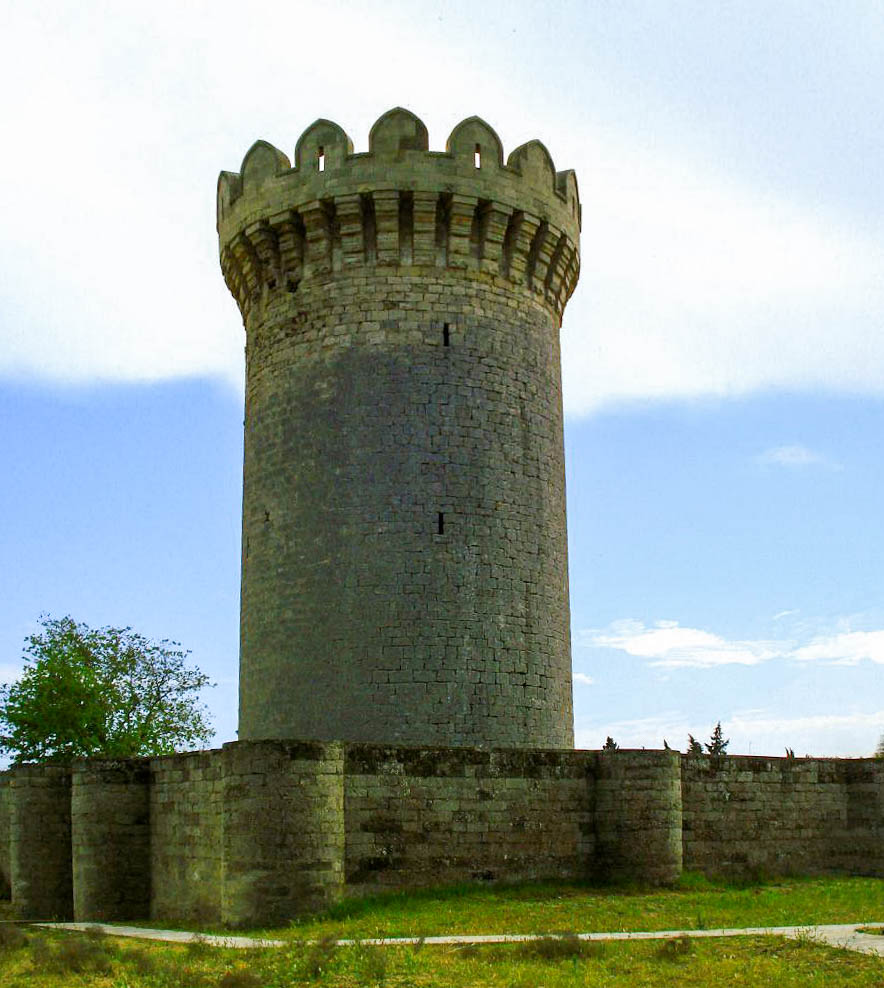
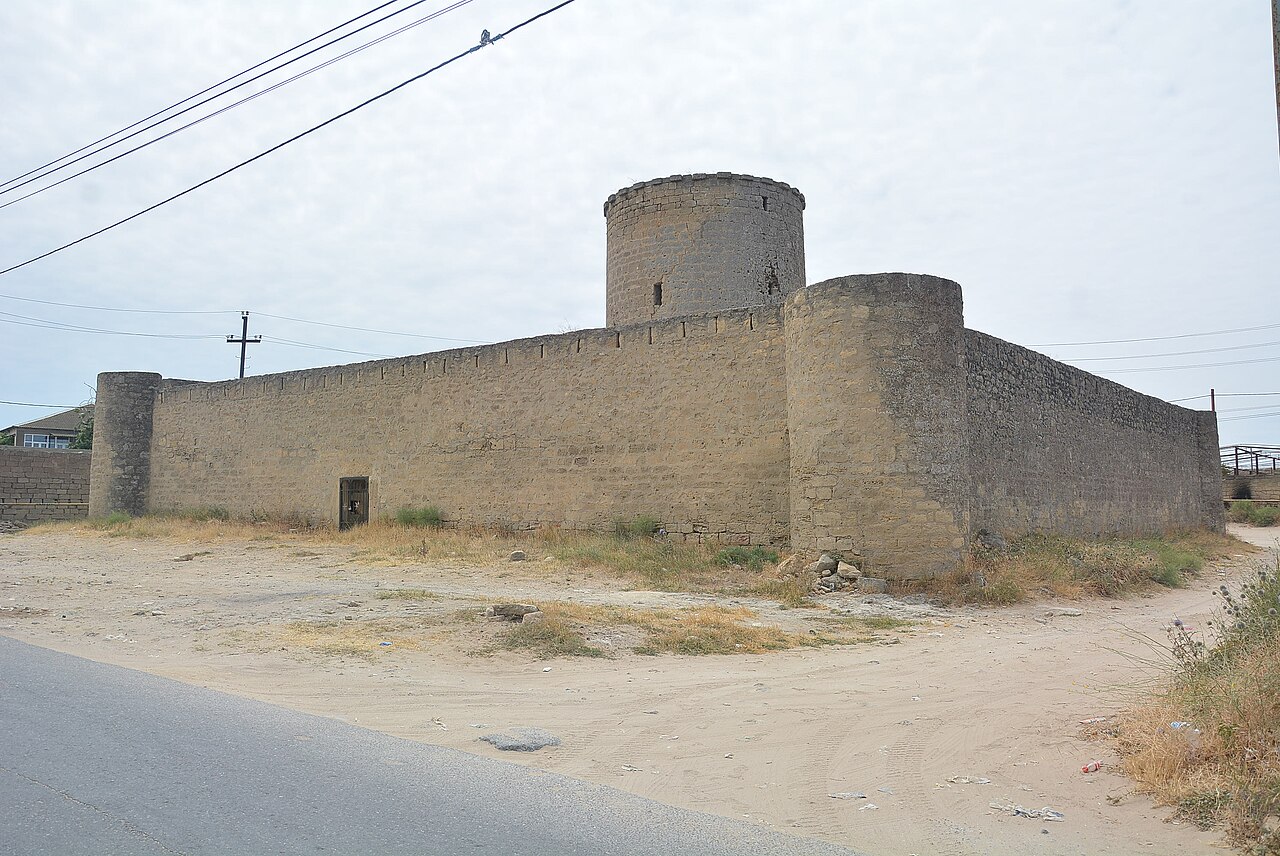
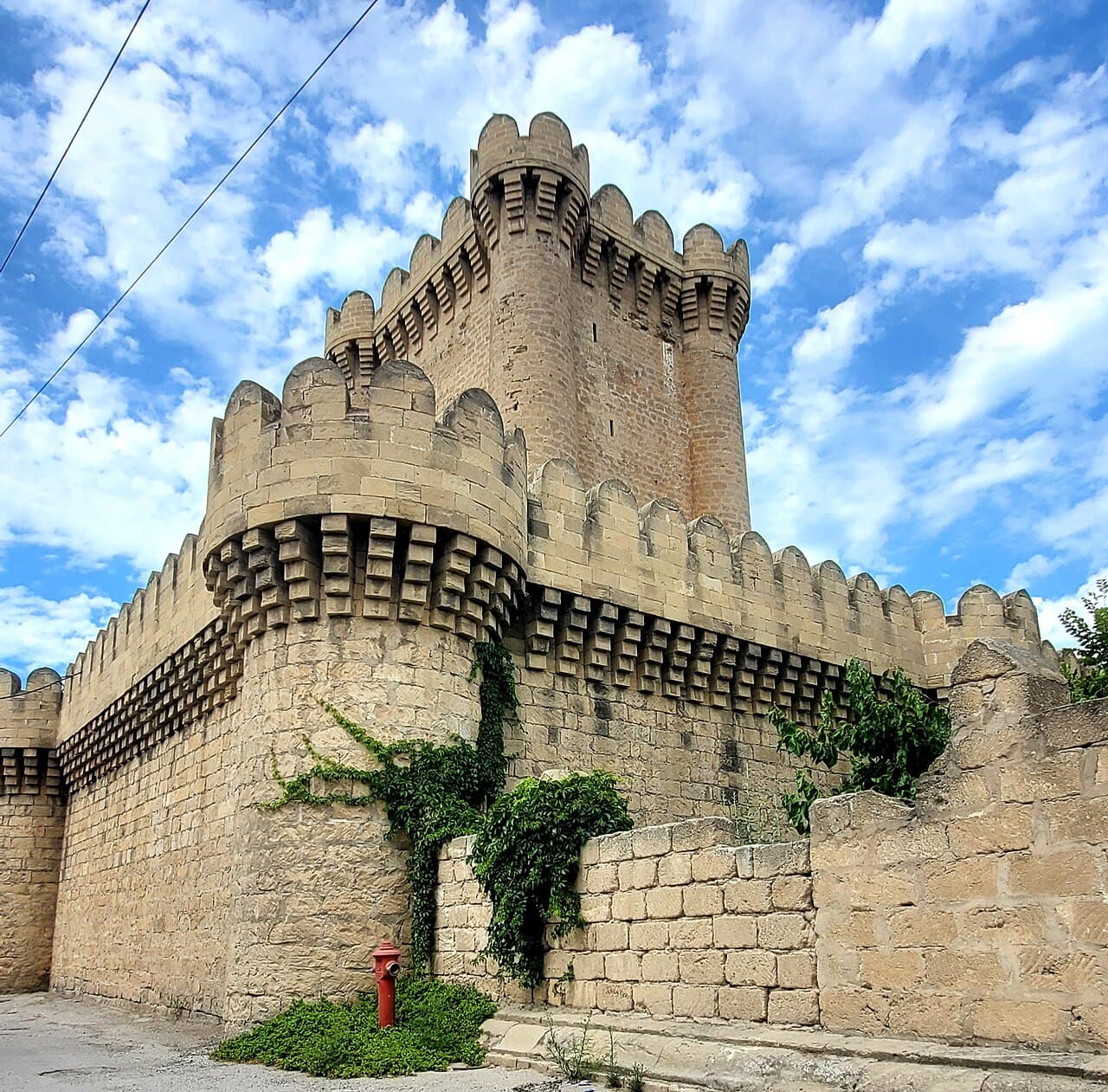
The fortress is characterized by its rectangular courtyard measuring approximately 24 by 20 meters. At the center of the courtyard rises a prominent donjon tower reaching a height of 22 meters. This central tower served as the main defensive stronghold and a last refuge during sieges. The quadrangular shape of the fortress walls is reinforced by semi-circular blind towers positioned strategically at the corners and along the curtain walls, enhancing its defensive capabilities by allowing defenders to cover all approaches effectively.
Construction materials and techniques
The fortress was constructed primarily from locally sourced stone, carefully cut and laid to form thick, durable walls capable of withstanding prolonged attacks. The use of semi-circular towers instead of square ones was an advanced defensive feature at the time, as it better deflected projectiles and reduced blind spots. The architectural style reflects the military engineering knowledge of the Shirvanshah dynasty and their adaptation to the region's specific topography and threats.
Historical significance and context
The shirvanshah dynasty and regional defense
The fortress was built under the patronage of the Shirvanshah dynasty, which ruled parts of modern-day Azerbaijan during the medieval period. Akhsitan I, the builder of the Quadrangular Mardakan Fortress, was a key figure in maintaining the security of the Shirvan region against external threats, particularly from northern invaders and pirates operating in the Caspian Sea. The castle formed part of a network of fortifications designed to protect the coastline and important trade routes.
Comparison with round mardakan castle
Compared to the nearby Round Mardakan Castle, the Quadrangular Fortress exhibits more complex architectural features and a more developed defensive design. While the Round Castle is noted for its circular plan and simpler fortifications, the Quadrangular Castle's layout allowed for better internal organization and more effective defense strategies. This makes the fortress an important study subject for understanding the evolution of military architecture in the region.
Preservation and cultural heritage
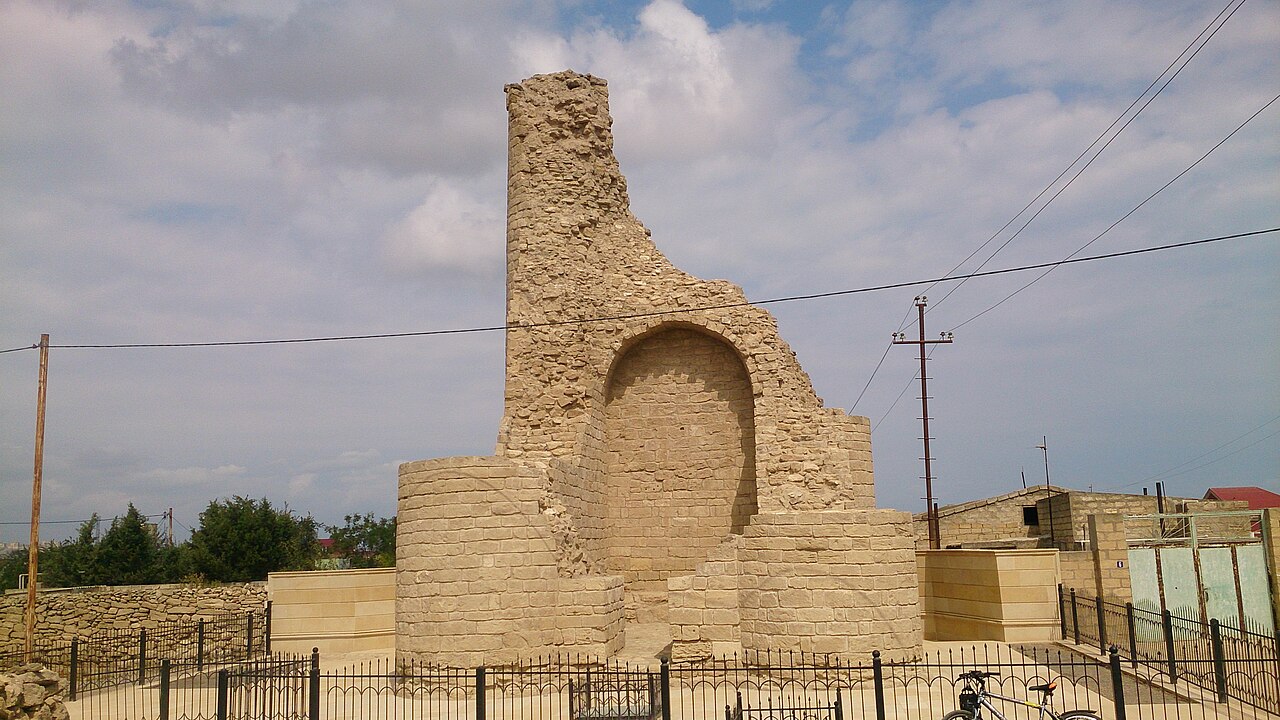
Today, the Quadrangular Mardakan Fortress remains well-preserved and accessible to visitors interested in medieval architecture and Azerbaijani history. Its inclusion in the UNESCO World Heritage Reserve List underscores its value as a cultural landmark. The fortress not only attracts tourists but also serves as a symbol of the region's historical resilience and architectural ingenuity.
Efforts by the Azerbaijani government and cultural organizations continue to focus on the maintenance and restoration of the fortress to ensure its survival for future generations. The castle's robust construction has helped it withstand centuries of natural and human-induced challenges.
Visiting information and accessibility
The fortress is located in the Khazar district of Baku, making it relatively accessible for visitors traveling from the city center. While specific visiting hours and ticket prices may vary, the site is generally open to the public for tours and educational visits. The surrounding area offers additional historical sites and scenic views of the Caspian Sea, enhancing the overall experience for tourists.
Frequently asked questions (FAQ)
- When was the Quadrangular Mardakan Fortress built?
- The Quadrangular Mardakan Fortress was constructed in the 12th century during the reign of Akhsitan I, son of Shirvanshah Minuchihr III.
- What architectural features distinguish the Quadrangular Mardakan Fortress?
- The fortress features a quadrangular layout with semi-circular blind towers at the corners and along the walls, and a central donjon tower reaching 22 meters in height.
- Is the fortress open to visitors?
- Yes, the Quadrangular Mardakan Fortress is generally open to the public for tours and educational visits, though visiting hours may vary.
- How does the Quadrangular Mardakan Fortress compare to the Round Mardakan Castle?
- The Quadrangular Fortress has more developed architectural features and a more complex defensive design compared to the simpler circular plan of the Round Mardakan Castle.
- Why is the Quadrangular Mardakan Fortress historically significant?
- It was built as part of a coastal defense network by the Shirvanshah dynasty to protect the Caspian Sea region from invasions and piracy during the High Medieval period.
Photo gallery

Information
Loading map...
Visitor reviews
No reviews yet. Been here? Write the first review and help other travelers!
Write the first reviewVisited this castle? Share your experience
Your review helps other travelers and adds first-hand knowledge to our encyclopedia.