Serényi Mansion, Dédes (Dédestapolcsány)
The Serényi Mansion is a notable historic residence located in Dédes, a part of the village of Dédestapolcsány in Hungary. This mansion is classified as a hill castle due to its elevated position, which provided strategic advantages and scenic views of the surrounding landscape. While primarily a residential manor, it exhibits characteristics typical of fortified hilltop estates common in the region.
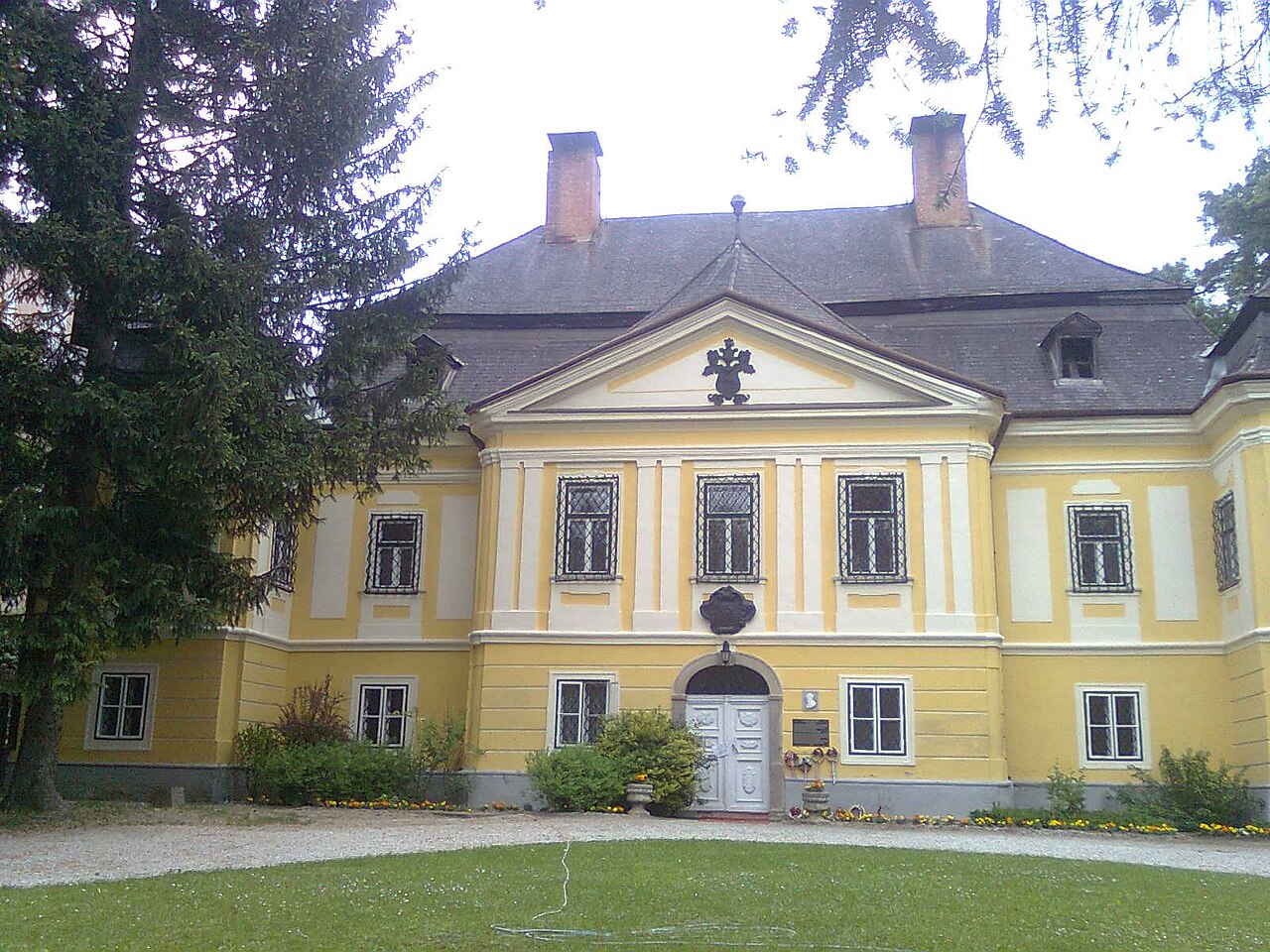
Constructed during the 19th century, the mansion reflects architectural styles prevalent in that era, combining elements of traditional Hungarian manor houses with influences from broader European trends. The building's design includes a multi-level structure with a central block and various wings, surrounded by landscaped gardens and natural woodlands that enhance its picturesque setting.
Architectural features and layout
The Serényi Mansion features a robust stone foundation supporting walls built with local materials, which contribute to its durability and historic character. The roof is steeply pitched, typical of the region's manor houses, and covered with traditional tiles. Windows are symmetrically arranged, with decorative frames that hint at the mansion's aristocratic origins.
Inside, the mansion contains several reception rooms, private chambers, and service areas arranged to accommodate the lifestyle of a noble family. The interiors, though altered over time, retain some original woodwork, plaster moldings, and period fireplaces that reflect the mansion's 19th-century heritage.
Historical context and ownership
The mansion was owned by the Serényi family, an aristocratic Hungarian lineage with ties to the region's social and political life. The family's influence extended through local governance and land management during the 19th and early 20th centuries. The estate served as a country residence and a symbol of the family's status.
Throughout its history, the mansion witnessed various social changes, including the upheavals of the 20th century that affected many noble estates in Hungary. Despite these challenges, the Serényi Mansion has remained a significant cultural landmark in Dédes.
Preservation and current status
Today, the Serényi Mansion is partially preserved and stands as a testament to Hungary's aristocratic architectural heritage. While not fully restored, efforts have been made to maintain the structure and prevent further deterioration. The mansion is privately owned, limiting public access, but it remains an important subject for heritage conservation due to its historical and architectural value.
Surrounding environment and significance
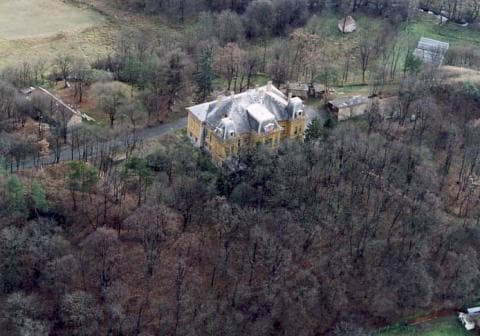
Situated on a gentle hill, the mansion overlooks the natural beauty of the Bükk Mountains region, known for its forested hills and rich biodiversity. The estate's location provided both defensive advantages and a tranquil retreat for its owners.
The Serényi Mansion contributes to the cultural landscape of Borsod-Abaúj-Zemplén County and represents the lifestyle and architectural preferences of Hungary's landed gentry in the 19th century. Its preservation offers insights into regional history, aristocratic culture, and architectural evolution.
Frequently asked questions (FAQ)
- What is the historical significance of Serényi Mansion?
- Serényi Mansion is a notable example of late Renaissance architecture in Hungary, reflecting the rich history of the region. Built in the 18th century, it served as a residence for the Serényi family, who were influential in local governance and culture.
- When was Serényi Mansion built?
- The construction of Serényi Mansion began in the late 17th century and was completed in the early 18th century. Its architectural style and design showcase the transition from Renaissance to Baroque influences in Hungary.
- What are the opening hours for visiting Serényi Mansion?
- Serényi Mansion is typically open to visitors from 10 AM to 5 PM, Tuesday through Sunday. It is advisable to check the official website or contact local tourism information for any seasonal changes in the schedule.
- Can I take guided tours of Serényi Mansion?
- Yes, guided tours are available for visitors interested in exploring the history and architecture of Serényi Mansion. These tours provide insightful information and are often conducted by knowledgeable guides who share fascinating stories about the mansion and its past.
- Is it possible to visit Serényi Mansion with children?
- Absolutely! Serényi Mansion is family-friendly and offers a unique educational experience for children. There are often interactive exhibits and activities designed to engage younger visitors while they learn about local history.
- What is the best time to visit Serényi Mansion?
- The best time to visit Serényi Mansion is during the spring and fall when the weather is mild and the surrounding landscape is picturesque. Additionally, visiting during these seasons often means fewer crowds, allowing for a more enjoyable experience.
- Are there any nearby attractions to visit when at Serényi Mansion?
- Yes, there are several nearby attractions, including the beautiful natural landscapes of the Bükk National Park and other historical sites in the region. Exploring the charming village of Dédes (Dédestapolcsány) itself can also enhance your visit.
- What are the ticket prices for visiting Serényi Mansion?
- Ticket prices for Serényi Mansion are generally affordable, with discounts available for students and seniors. It is recommended to check the official website for the most current pricing and any special offers that may be available.
- How do I get to Serényi Mansion?
- Serényi Mansion can be reached by car or public transport, with parking available nearby for visitors. Public transportation options may include local buses that connect to Dédes (Dédestapolcsány) from major cities in Hungary.
Photo gallery

Information
Loading map...
Visitor reviews
No reviews yet. Been here? Write the first review and help other travelers!
Write the first reviewVisited this castle? Share your experience
Your review helps other travelers and adds first-hand knowledge to our encyclopedia.