Septfontaines Castle
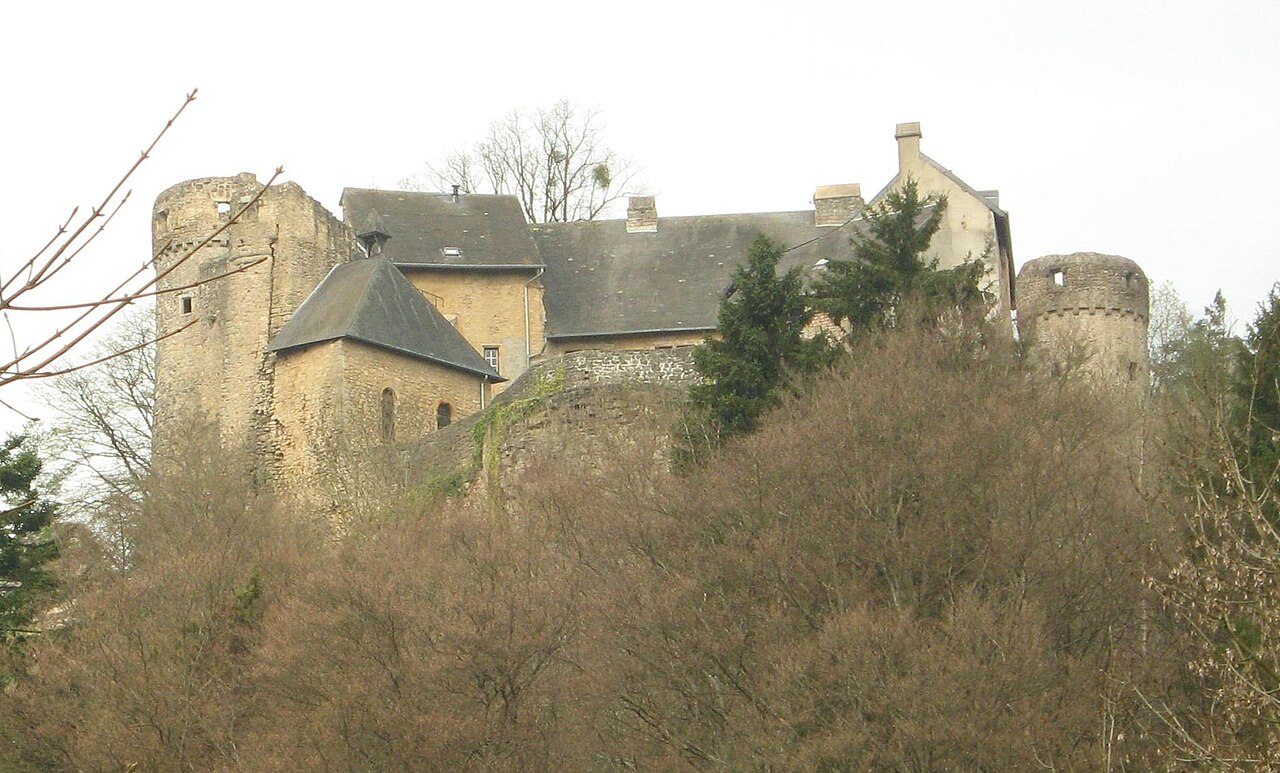
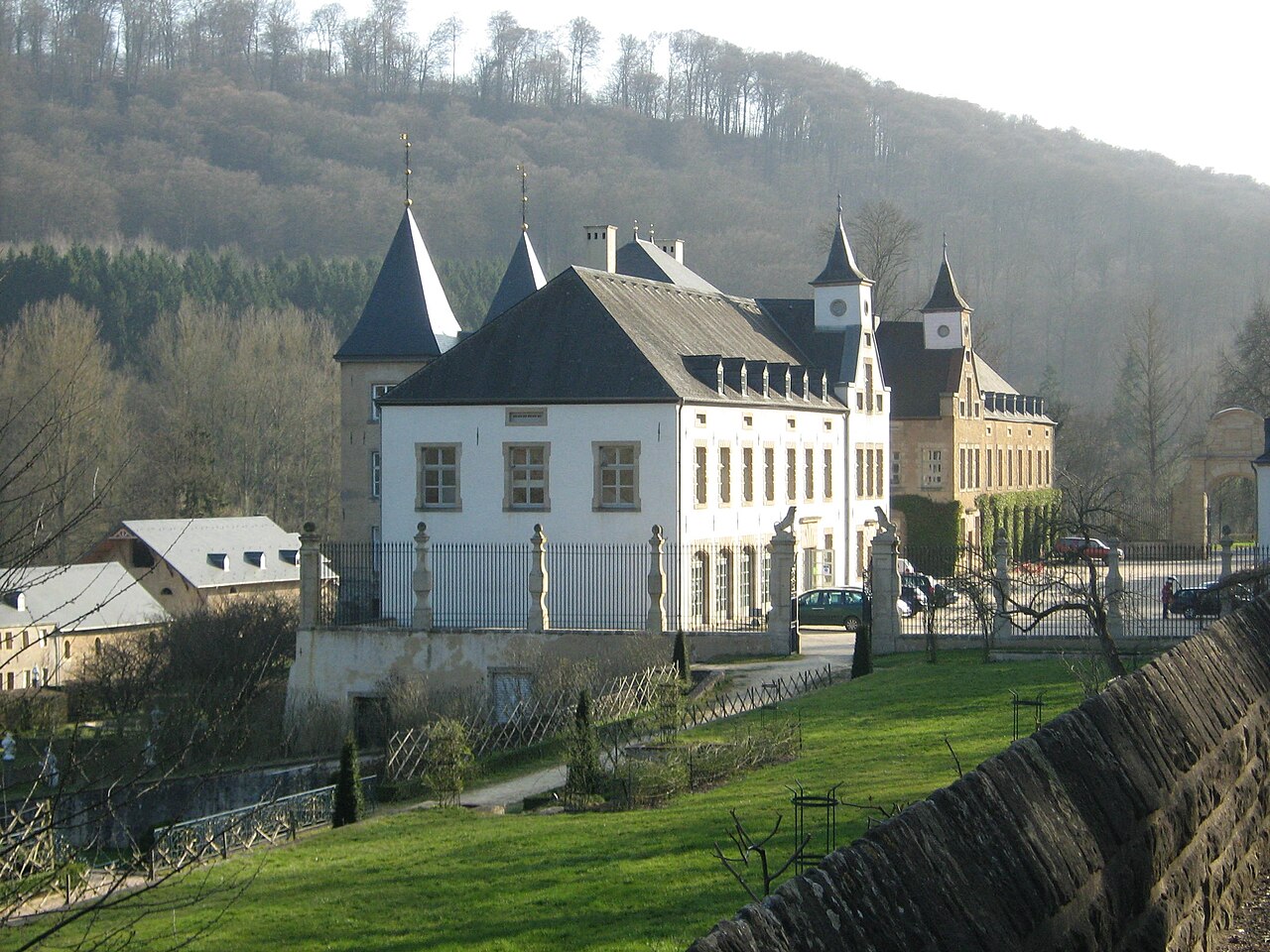
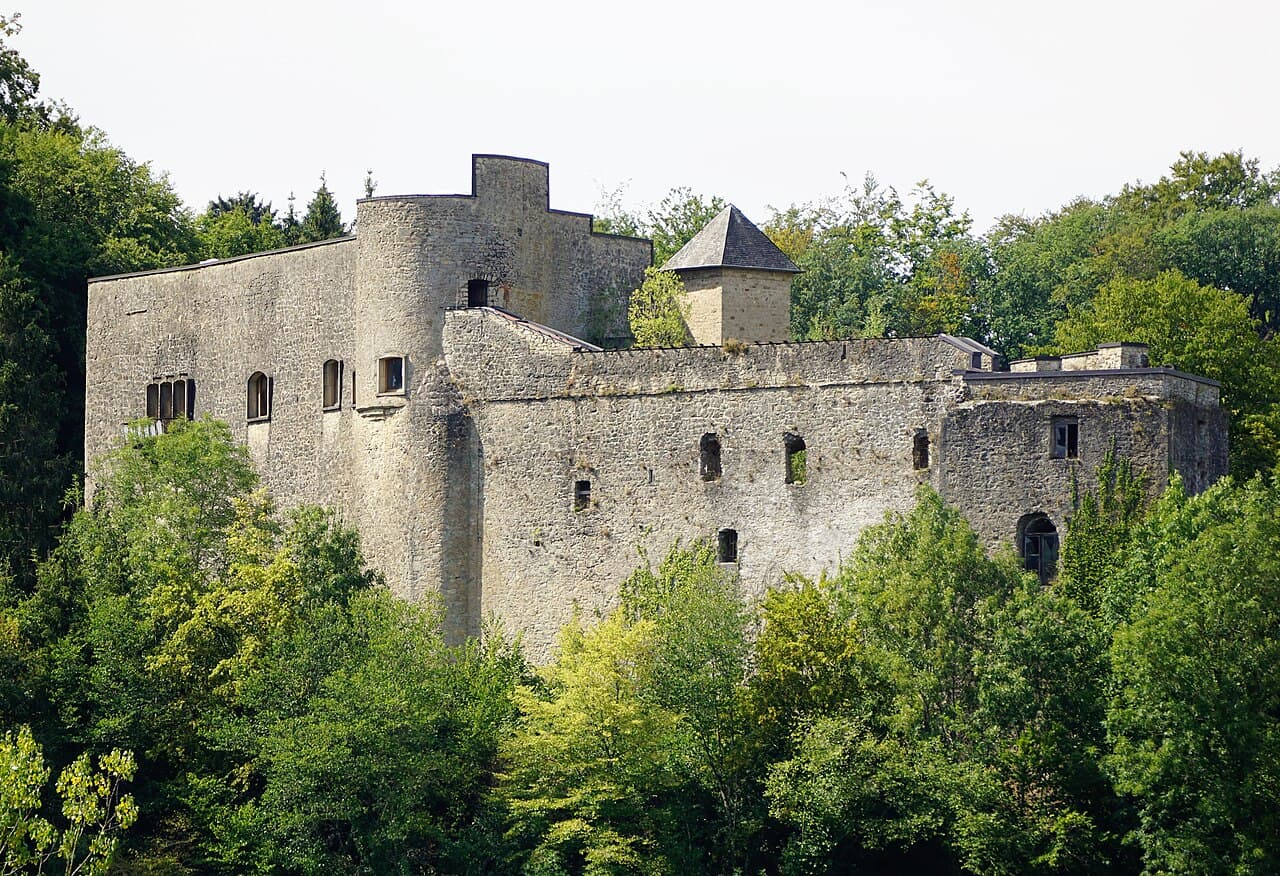
Septfontaines Castle, also known locally as Burg Simmern, is a significant medieval fortress perched above the small village of Septfontaines in Luxembourg. It occupies a strategic position in the picturesque Valley of the Seven Castles, named for the cluster of historic fortifications along the Eisch stream. This valley includes six other castles: Koerich, Ansembourg, New Ansembourg, Hollenfels, Mersch, and Schoenfels, making the region a rich repository of Luxembourg's feudal and architectural heritage.
The origins of Septfontaines Castle date back to the 12th century, placing its construction firmly within the high medieval period. While the exact date of its foundation remains uncertain, documentary evidence from 1192 mentions a lord named Tider associated with Septfontaines, indicating the presence of a fortified site at that time. By 1233, the castle and its adjoining village were granted as a fief to Johann von Simmern by Ermesinde, Countess of Luxembourg, a powerful noblewoman who played a pivotal role in consolidating the Luxembourg territory.
Medieval origins and early development
During the 13th century, Septfontaines Castle underwent its first significant enlargement and fortification phase, adapting to the evolving military and residential needs of its lords. The castle was likely constructed with typical high medieval defensive features such as thick curtain walls, a fortified gatehouse, and a central courtyard. Its location on elevated terrain above the valley provided natural defensive advantages and commanding views of the surrounding landscape.
Architectural evolution and renaissance additions
In the late medieval and early modern periods, the castle experienced various modifications reflecting changing architectural styles and the reduced military role of such fortifications. Around 1600, a prominent square keep was added in the renaissance style by Christoph von Criechingen, who enhanced the castle's northern entrance with this imposing tower. This Renaissance addition contrasted with the earlier medieval structures, featuring larger windows and more ornate stonework, signaling a shift towards residential comfort and status display rather than purely defensive purposes.
Structural features
- The castle originally featured a courtyard surrounded by defensive walls.
- The gatehouse and battlements were key defensive elements during the medieval period.
- The Renaissance keep included architectural details such as mullioned windows and decorative stone cornices.
Decline, fire, and partial ruin
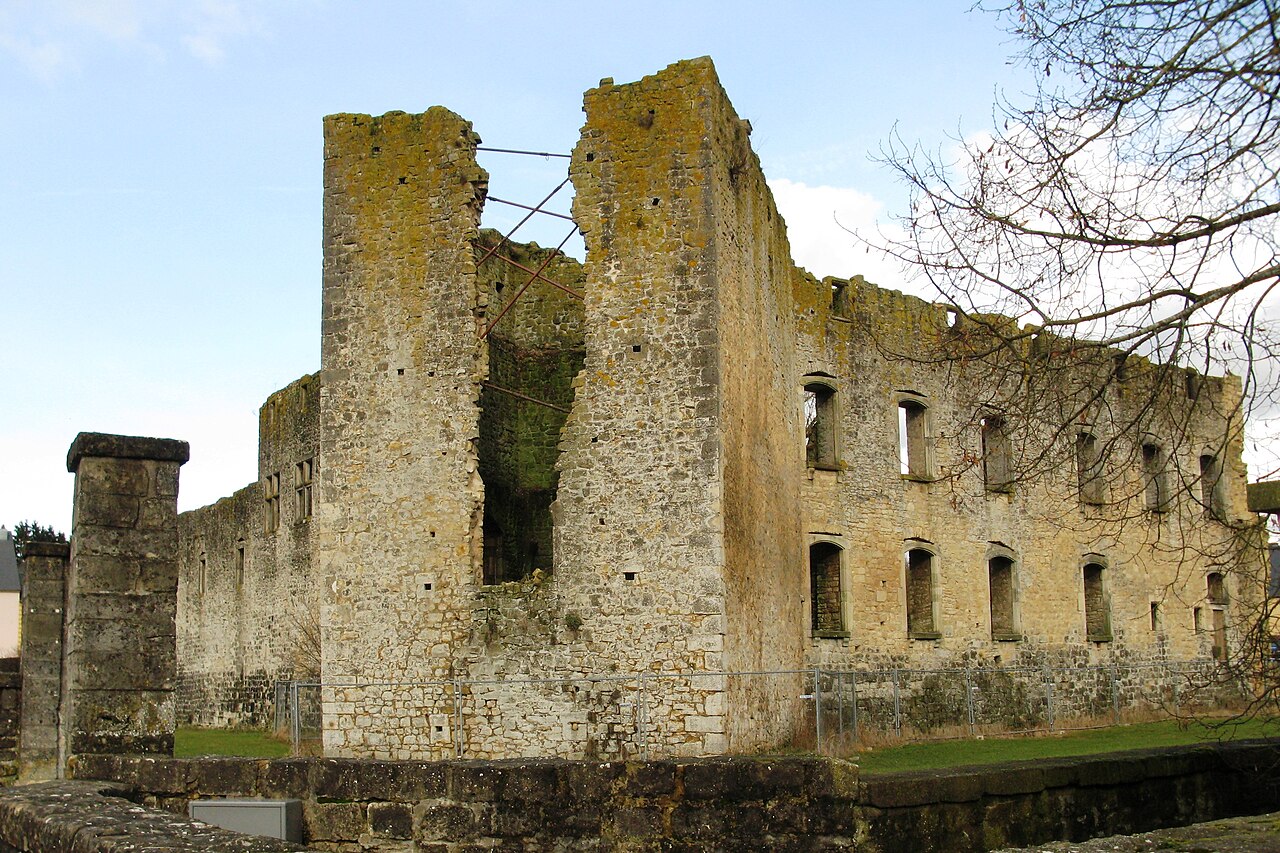
By the 18th century, parts of Septfontaines Castle had fallen into disrepair. The decline culminated in a devastating fire in 1779 that severely damaged the structure, leaving it largely in ruins. Subsequent centuries saw the castle increasingly neglected, with sections collapsing or being dismantled. In 1919, parts of the castle were demolished, reflecting the challenges of preserving such historic sites amid changing ownership and limited resources.
20th-century restoration attempts and current status
In the early 20th century, efforts were made to restore the castle, but these were often unsympathetic to the original medieval architecture, resulting in the loss of many authentic features. Modern restoration campaigns began but were halted due to financial and other difficulties, leaving the castle in a state of partial restoration and ongoing decay. Currently, Septfontaines Castle remains private property and is not open to the public. Despite its condition, it remains a striking example of Luxembourg's medieval heritage and a key landmark within the Valley of the Seven Castles.
Cultural and historical significance
Septfontaines Castle is emblematic of the feudal history of Luxembourg and the architectural evolution of medieval fortifications into Renaissance residences. Its association with notable figures such as Ermesinde, Countess of Luxembourg, and Thomas de Septfontaines, a companion of Emperor Henry VII, highlights its importance in regional politics and imperial connections during the Middle Ages. The castle's location within the Valley of the Seven Castles underscores its role in a broader defensive network that shaped the historical landscape of Luxembourg.
The valley of the seven castles
This valley is renowned for its concentration of castles built between the 10th and 17th centuries, each reflecting different periods and architectural styles. Septfontaines Castle contributes to this rich tapestry, offering insights into medieval military architecture and noble residence design.
Visiting information and accessibility
Currently, Septfontaines Castle is not accessible to visitors as it remains under private ownership and is undergoing limited maintenance. Visitors to the Valley of the Seven Castles can view the castle's exterior from public vantage points in the village of Septfontaines and enjoy the scenic surroundings. The castle's ongoing preservation challenges highlight the need for continued efforts to protect Luxembourg's cultural heritage.
Frequently asked questions (FAQ)
- When was Septfontaines Castle originally built?
- Septfontaines Castle was probably built in the 12th century during the high medieval period, with the earliest documented lord mentioned in 1192.
- Can I visit Septfontaines Castle today?
- No, Septfontaines Castle is privately owned and not open to the public. Visitors can view the castle from outside but cannot enter the grounds.
- What architectural styles are visible at Septfontaines Castle?
- The castle features high medieval defensive architecture and a prominent Renaissance square keep added around 1600, reflecting its evolution over centuries.
- What caused the decline of Septfontaines Castle?
- The castle fell into decline by the 18th century, suffered a devastating fire in 1779, and was partially demolished in the early 20th century, leading to its current ruined state.
- What is the Valley of the Seven Castles?
- The Valley of the Seven Castles is a region in Luxembourg known for its cluster of seven historic castles along the Eisch river valley, showcasing a range of medieval and Renaissance fortifications.
Photo gallery

Information
Current owner
Private owner
Address
Schlasswee, Luxembourg
Loading map...
Visitor reviews
No reviews yet. Been here? Write the first review and help other travelers!
Write the first reviewVisited this castle? Share your experience
Your review helps other travelers and adds first-hand knowledge to our encyclopedia.