Seja Fort
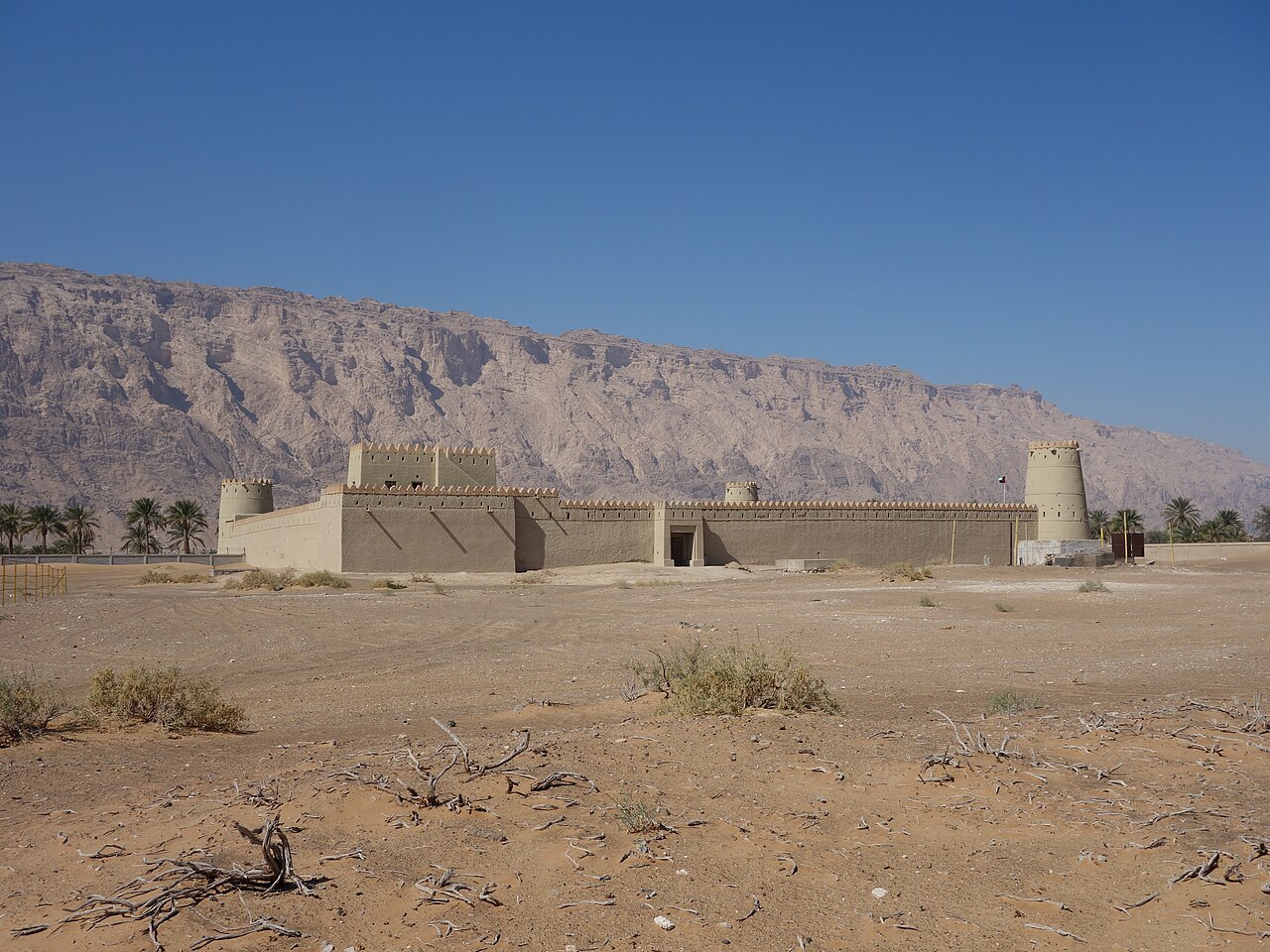
Seja Fort, also locally known as Sija, is a modest historic fortification located just south of the city of Al Ain in the emirate of Abu Dhabi, within the United Arab Emirates. Positioned a mere six meters from the border fence with Oman, it occupies a strategic yet understated location that reflects its role in regional border defense and local governance during the late 19th or early 20th century.
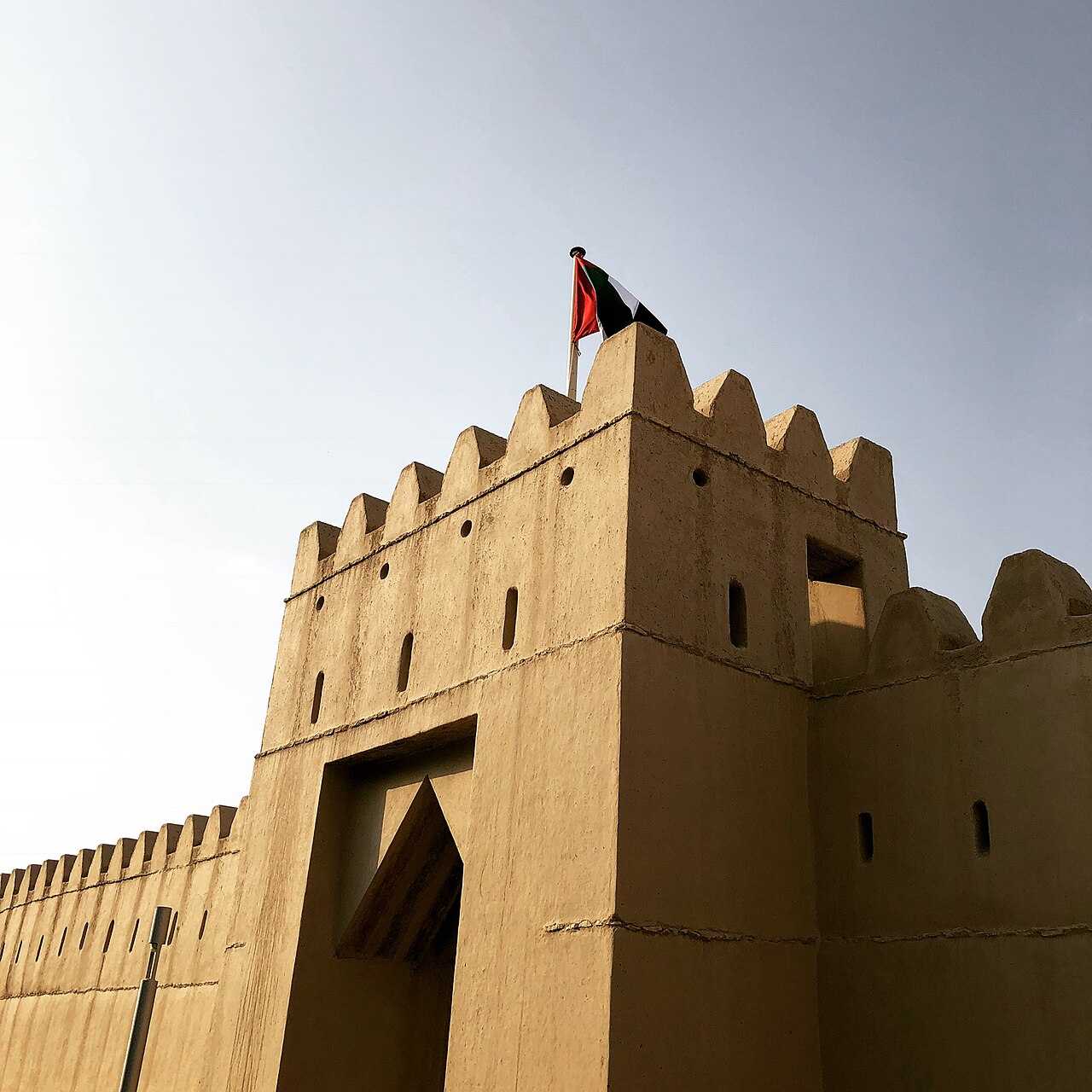
The fort is constructed primarily of mud bricks and cob, traditional materials commonly used in the architecture of the region due to their insulating properties and availability. Its walls are thick and robust, designed to withstand the harsh desert climate. The ceilings are supported by palm tree trunks, a typical feature in vernacular Arabian architecture, providing both structural support and natural ventilation.
Architectural features and layout
Seja Fort is characterized by its simple, square plan encompassing several small rooms arranged around a central courtyard. This compact design is typical of many small forts in the area, which served primarily as defensive outposts and administrative centers rather than grand residences or palatial structures. The fort's walls are relatively low compared to larger castles, reflecting its function as a local stronghold rather than a major military fortress.
The fort includes basic defensive elements such as battlements along the parapets, which would have allowed defenders to monitor and protect the surrounding area. However, there are no elaborate towers or keeps, emphasizing its modest scale and utilitarian purpose. The interior rooms are currently bare, with little remaining original furnishing or decoration, which is common for restored forts of this nature.
Historical context and significance
While detailed historical records about Seja Fort are scarce, it is consistent with many other forts in the Abu Dhabi region that date back to the late 19th century or early 20th century. These forts were typically built by local tribal leaders or rulers to assert control over territories, protect trade routes, and serve as administrative centers.
The proximity of Seja Fort to the Oman border suggests its role in monitoring and controlling cross-border movement and potential disputes. The fort's modest size indicates it was likely manned by a small garrison, sufficient for local defense and surveillance rather than large-scale military engagements.
Restoration and current condition
Seja Fort has undergone restoration in recent years to preserve its structure and prevent deterioration. The restoration efforts have focused on stabilizing the mud brick walls and repairing the palm trunk ceilings to maintain the fort's historical integrity. Despite these efforts, the fort remains simple and unadorned, reflecting its original utilitarian purpose.
Today, the fort is freely accessible to visitors and is signposted, although there is no onsite interpretive information or exhibits. The interior spaces remain empty, providing a raw glimpse into the fort's architectural form rather than a curated historical experience. Its location near Al Ain makes it a point of interest for those exploring the region's heritage sites.
Architectural significance in the UAE context
Seja Fort exemplifies the traditional defensive architecture found throughout the United Arab Emirates, particularly in the interior desert regions. Its use of natural, locally sourced materials like mud brick and palm trunks demonstrates the adaptation to environmental conditions and resource availability.
The fort's architecture reflects the modest scale of many desert forts which prioritized function over form. Unlike the grand coastal forts and palaces found in other parts of the UAE, Seja Fort offers insight into the everyday military and administrative structures that supported tribal governance and border security.
Visiting Seja Fort
Visitors to Seja Fort can explore its simple layout and appreciate the traditional construction techniques used in its walls and ceilings. The site is open without an entry fee, making it accessible for those interested in the region's architectural heritage. However, visitors should note the lack of facilities and interpretive signage, which means prior research or guided tours may enhance the understanding of the fort's historical context.
The fort's proximity to the Oman border and the city of Al Ain allows it to be included in broader cultural and historical itineraries within the emirate of Abu Dhabi. Its quiet presence offers a contrast to the more developed and tourist-oriented heritage sites in the UAE, providing a more authentic glimpse into the region's past.
Frequently asked questions (FAQ)
- How do I get to Seja Fort from Al Ain?
- Seja Fort is located just south of Al Ain, near the border with Oman. It can be reached by car via local roads branching off the E95 highway. There is signage directing visitors to the site.
- What materials were used in the construction of Seja Fort?
- The fort was built using traditional materials such as mud bricks and cob for the walls, with palm tree trunks supporting the ceilings, reflecting local building practices.
- Is there an entry fee to visit Seja Fort?
- No, Seja Fort is freely accessible to the public with no entry fee, making it an easy stop for visitors interested in regional history.
- What is the historical significance of Seja Fort?
- Seja Fort likely dates back to the late 19th or early 20th century and served as a small defensive and administrative outpost near the Oman border, reflecting local governance and security needs.
- Are there any guided tours available at Seja Fort?
- Currently, there are no official guided tours or interpretive signage at Seja Fort, so visitors may need to research beforehand or hire local guides for a more informative visit.
Information
Loading map...
Visitor reviews
No reviews yet. Been here? Write the first review and help other travelers!
Write the first reviewVisited this castle? Share your experience
Your review helps other travelers and adds first-hand knowledge to our encyclopedia.