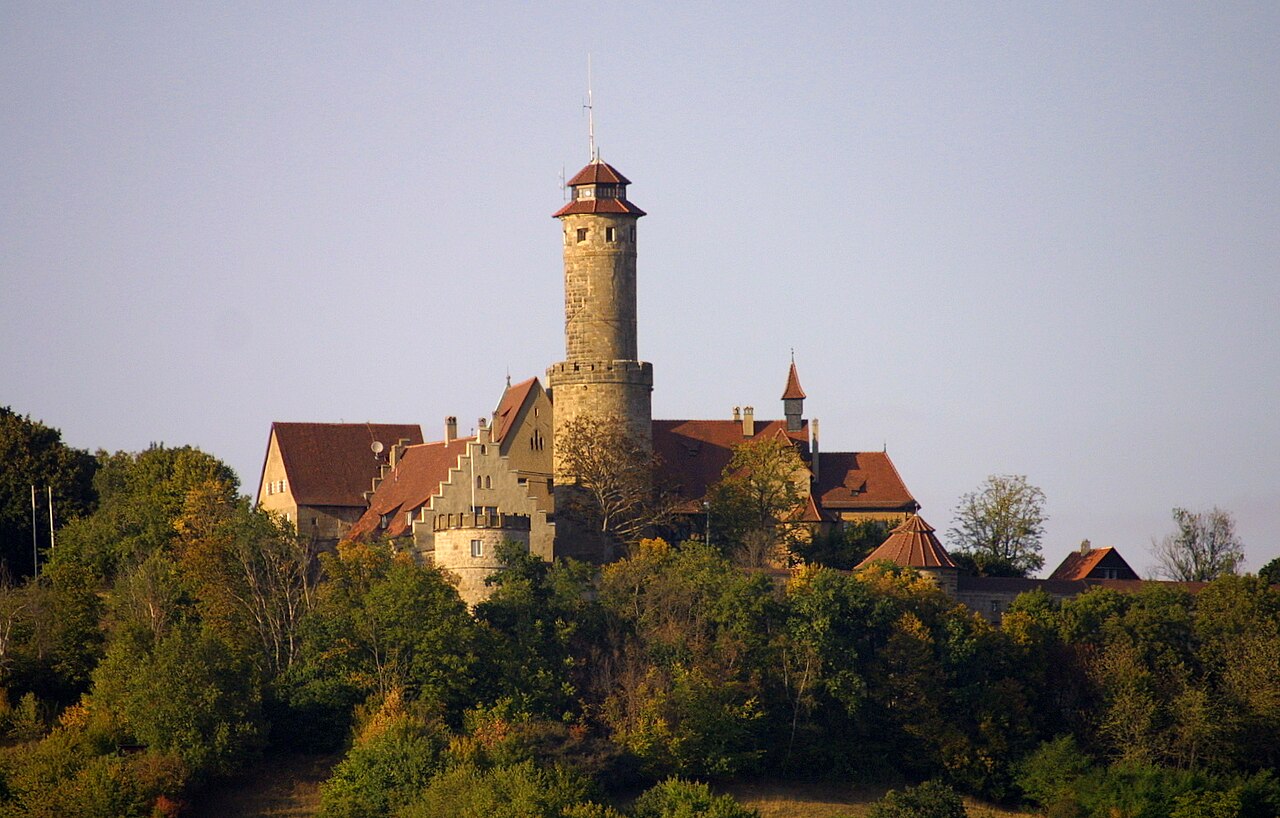
Seehof Castle
Seehof Castle is a magnificent example of Baroque architecture nestled in the picturesque region of Bavaria, Germany. Constructed in 1686 under the patronage of Marquard Schenk von Stauffenberg, the castle was designed by the renowned architect Antonio Petrini. This elegant residence is distinguished by its striking four corner towers, which prominently rise above the surrounding landscape, symbolizing the grandeur and defensive character typical of noble estates of the period.
The castle underwent extensive renovation by the Free State of Bavaria, which has allowed visitors today to explore its splendidly restored interiors. The rooms within the castle reflect the opulence of the Baroque era, featuring intricate woodwork, decorative stuccoes, and period furnishings that evoke the lifestyle of the aristocracy in the late 17th and 18th centuries. The careful restoration ensures that guests can appreciate both the architectural and artistic heritage preserved within the castle walls.
Architectural features and layout
Seehof Castle's
The castle's facades are adorned with classical Baroque elements such as pilasters, cornices, and window frames that emphasize verticality and rhythm. The interiors boast grand halls and chambers designed for both official functions and private living, with elaborate ceiling frescoes and richly decorated fireplaces.
The historic gardens and water features
One of the defining attractions of Seehof Castle is its extensive 18th-century gardens, which have been partially restored to reflect their original design. The gardens are laid out in the formal Baroque style, featuring geometric parterres, manicured lawns, and carefully arranged flower beds that create a harmonious landscape complementing the castle architecture.
A highlight of the garden is the impressive water cascade, a series of ornamental fountains and water features that operate during the summer months on the hour, providing a captivating display of Baroque garden engineering. These water elements serve both aesthetic and symbolic purposes, demonstrating the control of nature and the wealth of the castle's owners.
The orangerie and winter quarters
The Orangerieparterre has been restored to offer visitors a sensory experience with the fragrant presence of pomeranian, orange, and lemon trees. These exotic plants evoke the allure of southern climates and were a symbol of prestige and sophistication in European aristocratic gardens.
The Orangeriegebäude, originally designed as the winter quarters for these delicate southern plants, has been repurposed into an inviting excursion café. It also houses an exhibition of original works by the famous Frankish garden sculptor Ferdinand Tietz. Tietz's rococo sculptures are a distinctive feature of the castle park, adding artistic value and historical depth to the garden experience. His enchanting figures exemplify the playful elegance and intricate craftsmanship characteristic of the Rococo movement.
Historical significance and cultural heritage
Seehof Castle stands as a testament to the cultural and architectural ambitions of the Bavarian nobility during the Baroque period. Its construction under Marquard Schenk von Stauffenberg reflects the era's emphasis on grandeur, representation, and the integration of art and nature.
The castle and its gardens have witnessed centuries of history, including changes in ownership, periods of neglect, and eventual restoration efforts that have preserved its legacy. Today, it serves not only as a historical monument but also as a cultural venue, attracting visitors interested in architecture, garden design, and Baroque art.
Visiting seehof castle
Visitors to Seehof Castle can explore the restored rooms, stroll through the elegant gardens, and enjoy the seasonal water cascade displays. The orangerie café offers a pleasant spot to relax while appreciating the surrounding sculptures and botanical beauty.
The castle is accessible for day trips from major Bavarian cities, making it a popular destination for those seeking to experience authentic Baroque architecture and garden artistry in a serene setting.
Frequently asked questions (FAQ)
- When was seehof castle built and who was the architect?
- Seehof Castle was built in 1686 under Marquard Schenk von Stauffenberg, designed by architect Antonio Petrini.
- What architectural style characterizes seehof castle?
- Seehof Castle is a fine example of Baroque architecture, featuring symmetrical design and ornate decorative elements.
- What are the main attractions of the gardens at seehof castle?
- The 18th-century gardens include formal parterres, a water cascade that operates in summer, and an orangerie with fragrant citrus trees.
- Can visitors see the rococo sculptures by Ferdinand Tietz at seehof castle?
- Yes, original rococo sculptures by Ferdinand Tietz are exhibited in the orangerie buildings, enhancing the cultural experience.
- Is seehof castle open to the public for tours?
- Yes, after extensive renovations, the splendid rooms of Seehof Castle are open to visitors for tours and exploration.
Information
Architect
Antonio Petrini
Current owner
Free State of Bavaria
Loading map...
Visitor reviews
No reviews yet. Been here? Write the first review and help other travelers!
Write the first reviewVisited this castle? Share your experience
Your review helps other travelers and adds first-hand knowledge to our encyclopedia.