Sebeș
Sebeș, located in present-day Romania, is renowned for its medieval fortified church and the remnants of its defensive walls that reflect a rich history spanning several centuries. The site offers a fascinating glimpse into the architectural and cultural evolution of Transylvanian settlements from the 12th century onwards, marked by Romanesque and Gothic influences.
In the first half of the 12th century, the area now known as Sebeș was inhabited by the Székelys, a Hungarian ethnic group. Their subsequent relocation eastward opened the way for settlers from the region of modern Luxembourg to establish themselves here in the latter half of the century. This migration laid the foundation for the development of a thriving community, which by the early 13th century had constructed a notable Romanesque church.
The Romanesque church and early settlement
The original church built in the early 1200s was a towerless three-nave basilica distinguished by a square choir and a semi-circular apse. The side aisles featured cross vaults, a hallmark of Romanesque architecture. Around 1230, the church underwent expansion with the addition of chapels flanking the choir and the commencement of a two-towered western facade. However, this early phase of construction was disrupted when the church was destroyed during the Mongol invasion of 1242.
Reconstruction and Gothic transformation
By approximately 1255, the church was rebuilt in the early Gothic style. This reconstruction included raising the central nave, which enhanced the verticality and light within the interior space, aligning with Gothic architectural principles. The fortified nature of the church was further emphasized in the 13th century when it was surrounded by an oval defensive wall, signaling its dual role as a place of worship and refuge.
Medieval fortifications and urban development
The settlement of Sebeș experienced significant growth during the Middle Ages. It was first mentioned as a town in 1341, reflecting its rising importance. In 1387, King Sigismund of Luxembourg granted Sebeș the right to erect town walls, an indication of its strategic and economic significance. Construction of these walls likely began in the mid-14th century, making Sebeș the first fully walled town in Transylvania despite its modest size.
Expansion of the church and defensive walls
Between 1370 and 1382, the church saw the addition of a large Gothic choir, which necessitated alterations to the surrounding fortifications. A new rectangular defensive wall measuring approximately 88 by 52 meters was built, featuring square towers with arrow slits and machicolations at the corners. These features enhanced the defensive capabilities of the enclosure, reflecting the turbulent times.
Historical challenges and architectural changes
The early 15th century was a period of rapid development for Sebeș, which became a key center for trade and crafts. However, in 1438, the town faced a significant threat when a powerful Turkish army led by Sultan Murad II, supported by the Wallachian voivode Vlad III Dracula, laid siege to the town. After a brief resistance, Sebeș was captured, looted, and many inhabitants were taken captive, stalling its growth for many years.
Financial constraints following the siege prevented the completion of planned expansions to the church, including the originally intended two western towers. Only one tower was constructed on the western facade. Later, in 1485, King Matthias Corvinus of Hungary granted Sebeș privileges to strengthen its fortifications. The walls surrounding the church were heightened, enhancing its defensive posture.
Later modifications and preservation
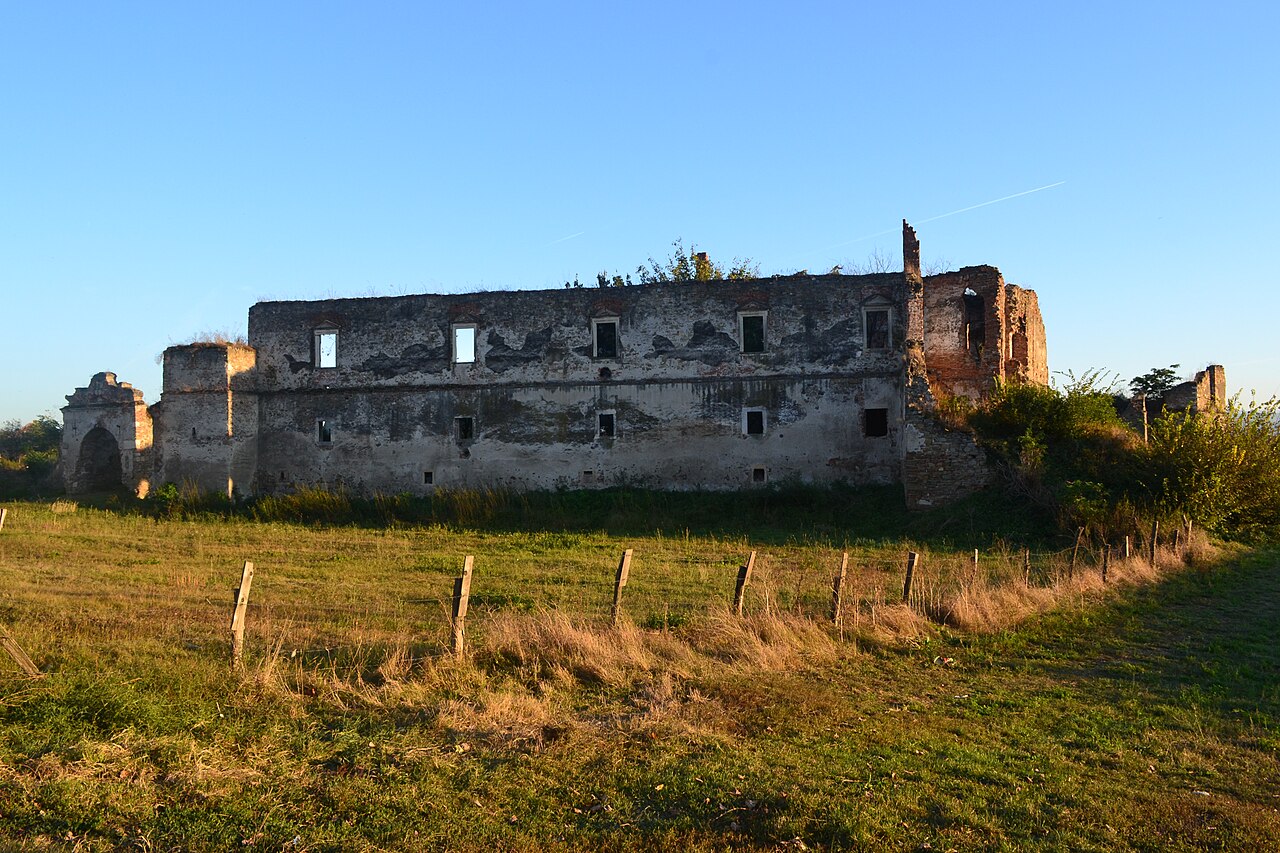
In 1661, a fire damaged the church tower's roof, leading to reconstruction and an increase in the tower's height. The 19th century brought further changes, including the replacement of the old Gothic sacristy with a smaller structure in 1837. By the mid-19th century, much of the walls encircling the church were dismantled, leaving only a southern fragment and the remains of a tower at the southeastern corner.
Architectural significance and current condition
The fortified church of Sebeș is an important example of Romanesque and Gothic architecture in Transylvania, illustrating the region's medieval religious and military architecture. Its combination of a three-nave basilica, defensive walls, and fortified towers reflects the dual needs of spiritual life and protection against invasions. Today, the church and surviving fortifications have been restored, preserving their historical and architectural value.
Visitors to Sebeș can explore the church's architectural evolution, from its Romanesque origins through Gothic enhancements, as well as the remnants of the medieval walls that once secured the town. The site stands as a testament to the resilience and adaptability of medieval communities in Transylvania.
Frequently asked questions (FAQ)
- How do I get to Sebeș Castle?
- Sebeș Castle is located in the town of Sebeș, Romania, and can be easily accessed by car or public transportation. If you're traveling by train, the Sebeș railway station is nearby, and local buses frequently connect to the castle area.
- What is the historical significance of Sebeș Castle?
- Sebeș Castle dates back to the late 14th century and played a crucial role in the defense against invasions in Transylvania. Its strategic location made it an important stronghold during various historical conflicts, reflecting the region's rich medieval heritage.
- When was Sebeș Castle built?
- Construction of Sebeș Castle began in the late 14th century, with significant expansions and modifications occurring in the following centuries. The castle showcases various architectural styles that evolved over its long history, particularly during the Renaissance period.
- Can I visit Sebeș Castle year-round?
- Yes, Sebeș Castle is open to visitors year-round, although opening hours may vary by season. It is advisable to check the official website or local resources for the most current visiting hours before planning your trip.
- Why is Sebeș Castle a popular tourist attraction?
- Sebeș Castle attracts visitors due to its stunning architecture, rich history, and picturesque setting. The castle offers guided tours that provide insight into its historical significance and architectural features, making it a must-see for history enthusiasts.
- Is it possible to take guided tours of Sebeș Castle?
- Yes, guided tours of Sebeș Castle are available, providing an in-depth look at the castle's history and architecture. Tours are led by knowledgeable guides who can answer questions and share fascinating stories about the castle's past.
- What are the ticket prices for Sebeș Castle?
- Ticket prices for Sebeș Castle are quite affordable, typically ranging from a small fee for adults to discounted rates for students and seniors. Special family packages may also be available, making it a budget-friendly option for visitors.
- What is the best time to visit Sebeș Castle?
- The best time to visit Sebeș Castle is during the spring and early autumn months when the weather is pleasant and ideal for exploring. Additionally, these seasons often see fewer crowds, allowing for a more enjoyable experience.
- Are there any nearby attractions to visit while at Sebeș Castle?
- Yes, there are several nearby attractions, including the historic town of Sebeș and the beautiful landscapes of the surrounding region. Visitors can also explore other castles and fortifications in Transylvania, making it easy to create a full day of sightseeing.
Loading map...
Visitor reviews
No reviews yet. Been here? Write the first review and help other travelers!
Write the first reviewVisited this castle? Share your experience
Your review helps other travelers and adds first-hand knowledge to our encyclopedia.