Schloss Weyer (Frohnleiten)
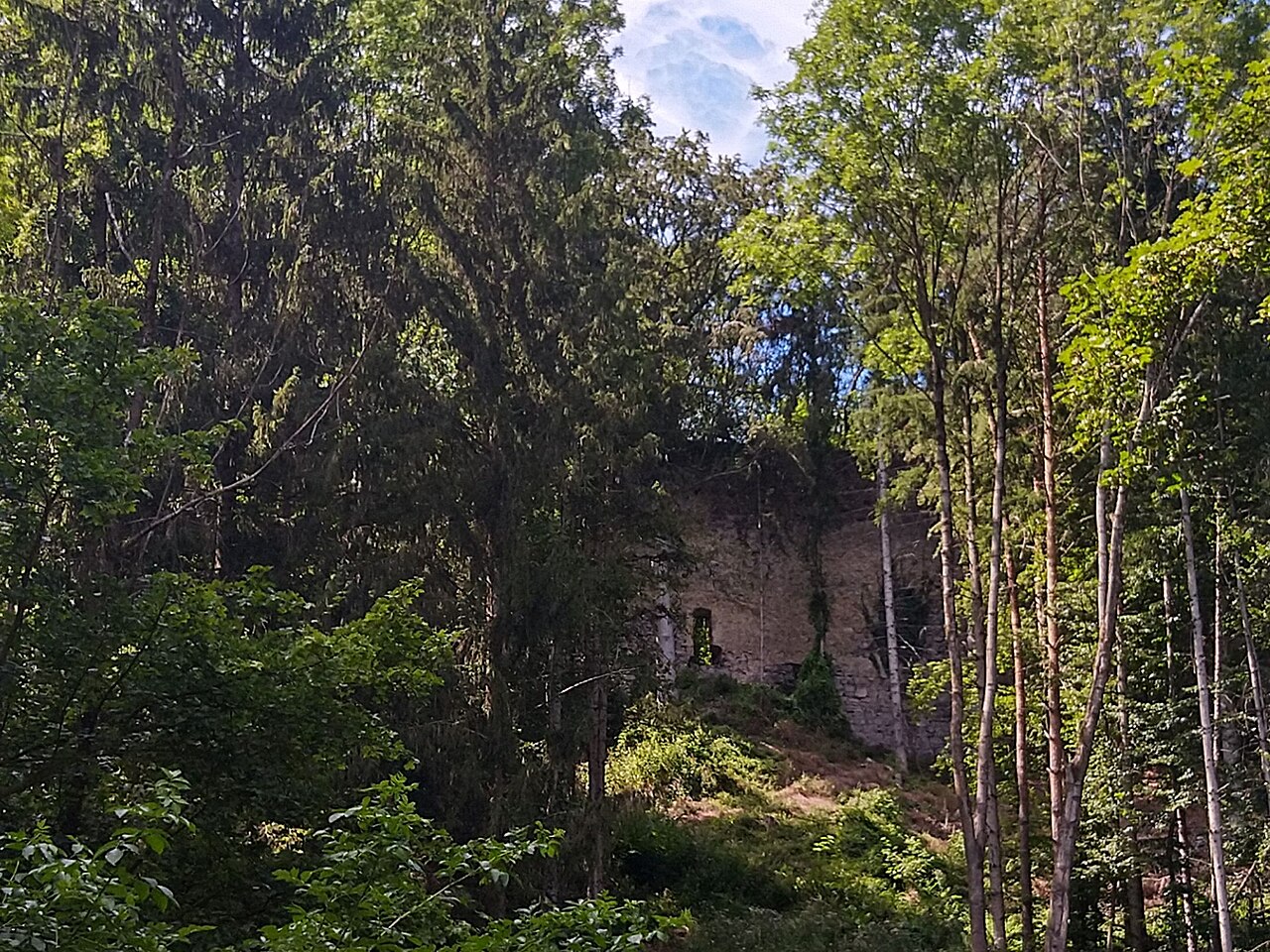
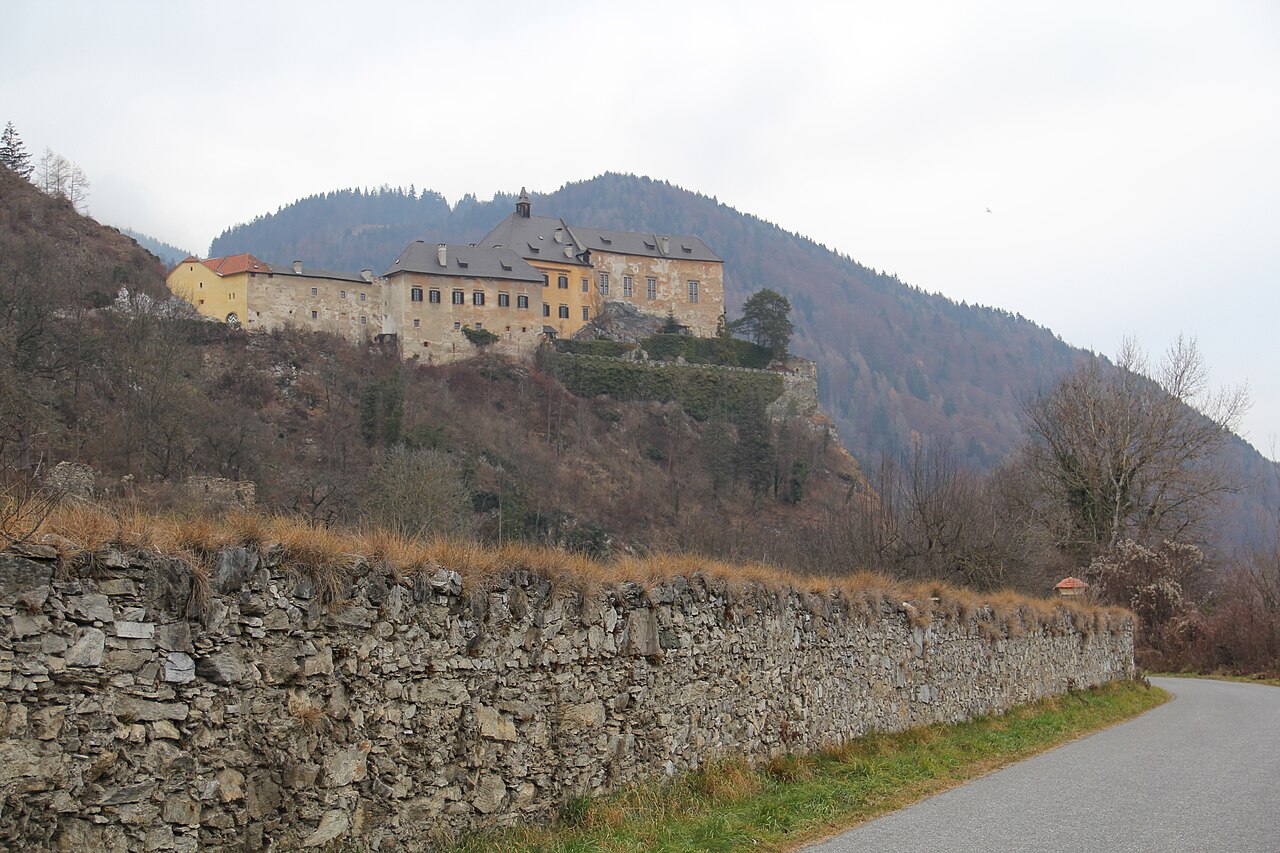
Schloss Weyer, located near Frohnleiten in Austria, is a notable example of a high medieval hill castle dating back to the 13th century. This castle stands prominently on elevated terrain, a strategic choice typical of hill castles built during this period to provide defensive advantage and surveillance over the surrounding landscape.
Historical context and significance
The construction of Schloss Weyer in the 13th century places it firmly within the high medieval period, a time characterized by the widespread establishment of fortified structures across Europe. Castles from this era served multiple purposes: military defense, administrative centers, and symbols of noble power. Schloss Weyer was likely commissioned by a regional noble family to assert control over the surrounding territory and protect trade routes and agricultural lands.
During the high medieval period, Austria experienced significant political and social changes, with the rise of feudalism and the consolidation of territories under various noble houses. Castles like Schloss Weyer played an essential role in this process, serving as local seats of power and defense.
Architectural features and layout
As a hill castle, Schloss Weyer is strategically positioned on a natural elevation, enhancing its defensive capabilities. The castle's design likely includes a combination of stone curtain walls, towers, and a keep or donjon, which were typical defensive elements of the time. These features provided strong protection against siege warfare common in the medieval period.
The castle's layout would have included a courtyard surrounded by residential and service buildings, such as a great hall, chapel, kitchens, and stables. The presence of battlements and arrow slits would have allowed defenders to repel attackers while remaining protected.
Over the centuries, Schloss Weyer may have undergone modifications reflecting changes in military technology and residential needs, but its core medieval character remains evident.
Material and construction techniques
The castle was constructed primarily from locally sourced stone, a common practice that ensured durability and strength. The masonry techniques of the 13th century involved the use of thick walls and mortar binding, designed to withstand both natural elements and military assaults.
Architectural details such as narrow windows and fortified gates reflect the dual need for defense and habitation. The use of a hilltop location also reduced the necessity for extensive outer fortifications, as the natural slope provided a significant obstacle to attackers.
Preservation and current condition
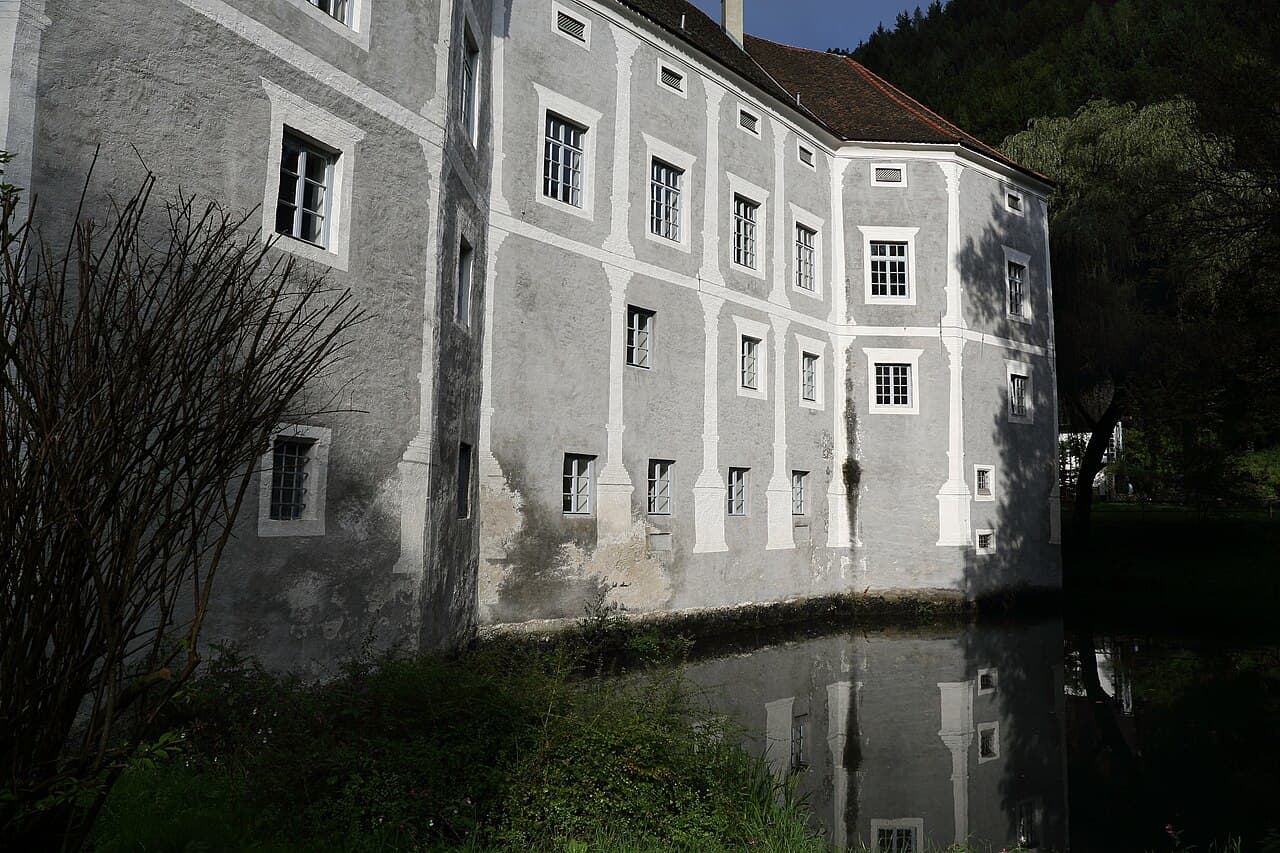
Today, Schloss Weyer remains a well-preserved example of a high medieval hill castle. Its structural elements, including walls and towers, are largely intact, allowing visitors to appreciate the castle's original defensive design and architectural style.
The castle serves as a cultural and historical landmark in the region, attracting scholars and tourists interested in medieval architecture and Austrian history. Preservation efforts have focused on maintaining the castle's stability and preventing deterioration, ensuring its legacy for future generations.
Visiting Schloss Weyer
Visitors to Schloss Weyer can explore its impressive medieval architecture and enjoy panoramic views of the surrounding Austrian landscape. The castle's location near Frohnleiten makes it accessible for day trips from nearby cities.
While specific visitor facilities and opening hours may vary, the castle often hosts guided tours that provide insight into its history and architectural features. These tours highlight the castle's role in regional defense and noble life during the high medieval period.
Architectural details worth noting
- Stone curtain walls that encircle the castle, providing formidable defense.
- Defensive towers positioned to maximize visibility and protection.
- Keep or donjon serving as the last line of defense and noble residence.
- Courtyard layout typical of high medieval castles, balancing defense with domestic needs.
- Arrow slits and battlements designed for active defense during sieges.
Historical importance in Austrian medieval heritage
Schloss Weyer is part of Austria's rich tapestry of medieval fortifications that illustrate the feudal era's social and military structures. Its preservation allows for a better understanding of the architectural innovations and strategic considerations of the 13th century.
The castle also reflects the regional history of Styria, the province in which Frohnleiten is located, showcasing the area's development under various noble families and the shifting political landscape of medieval Austria.
Frequently asked questions (FAQ)
- How do I get to Schloss Weyer?
- Schloss Weyer is located in Frohnleiten, Austria, and can be reached by car or public transportation. If you're driving, there are parking facilities nearby, and if you prefer public transport, check local bus schedules for routes that stop near the castle.
- What is the historical significance of Schloss Weyer?
- Schloss Weyer dates back to the 15th century and has played a crucial role in the region's history. Originally built as a defensive structure, it has since transformed into a cultural landmark, showcasing the rich heritage of Frohnleiten.
- When was Schloss Weyer constructed?
- The original construction of Schloss Weyer began in the late 15th century, with various renovations and expansions occurring over the centuries. This historical evolution reflects the architectural styles and influences of different eras.
- Can I visit Schloss Weyer year-round?
- Yes, Schloss Weyer is open to visitors throughout the year, though specific opening hours may vary by season. It’s advisable to check the castle's official website or contact them for the latest information on visiting times.
- Why is Schloss Weyer an architectural landmark?
- Schloss Weyer is renowned for its unique blend of Gothic and Renaissance architectural styles, which are evident in its intricate facades and elegant interiors. The castle's design not only reflects the aesthetic values of its time but also showcases the craftsmanship of historical builders.
- Is it possible to take guided tours of Schloss Weyer?
- Yes, guided tours are available at Schloss Weyer, providing visitors with in-depth knowledge about the castle's history, architecture, and significant events. These tours enhance the visitor experience, offering insights that you may not discover on your own.
- What are the ticket prices for Schloss Weyer?
- Ticket prices for Schloss Weyer are generally affordable, with discounts available for students, seniors, and children. It's a good idea to check the official website for the most current pricing and any special offers.
- What is the best time to visit Schloss Weyer?
- The best time to visit Schloss Weyer is during the spring and early autumn when the weather is mild and the surrounding landscape is particularly beautiful. Additionally, many events and cultural activities take place during these seasons, enhancing the overall experience.
- Are there any nearby attractions to Schloss Weyer?
- Yes, there are several nearby attractions worth exploring, including the scenic trails along the Mur River and the charming town of Frohnleiten. Visitors can also enjoy local dining options and shops, making for a full day of activities.
Photo gallery

Information
Loading map...
Visitor reviews
No reviews yet. Been here? Write the first review and help other travelers!
Write the first reviewVisited this castle? Share your experience
Your review helps other travelers and adds first-hand knowledge to our encyclopedia.