Burg Rabenstein
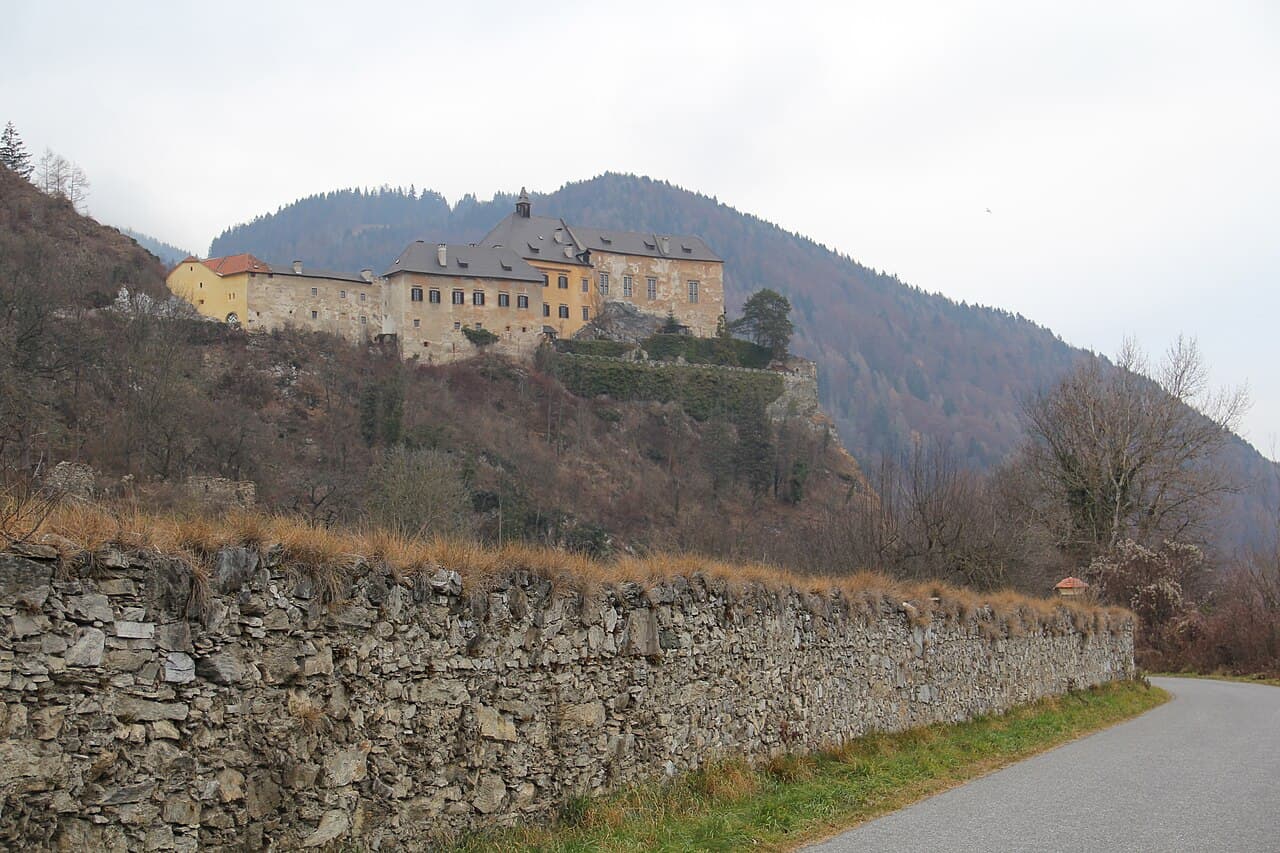
Burg Rabenstein stands as a remarkable example of a rock castle strategically perched atop a rocky promontory overlooking the Mur River valley in the municipality of Frohnleiten, Austria. Its commanding position enabled medieval occupants to control vital transportation and trade routes along the river corridor, underscoring the castle's military and administrative significance throughout its history.
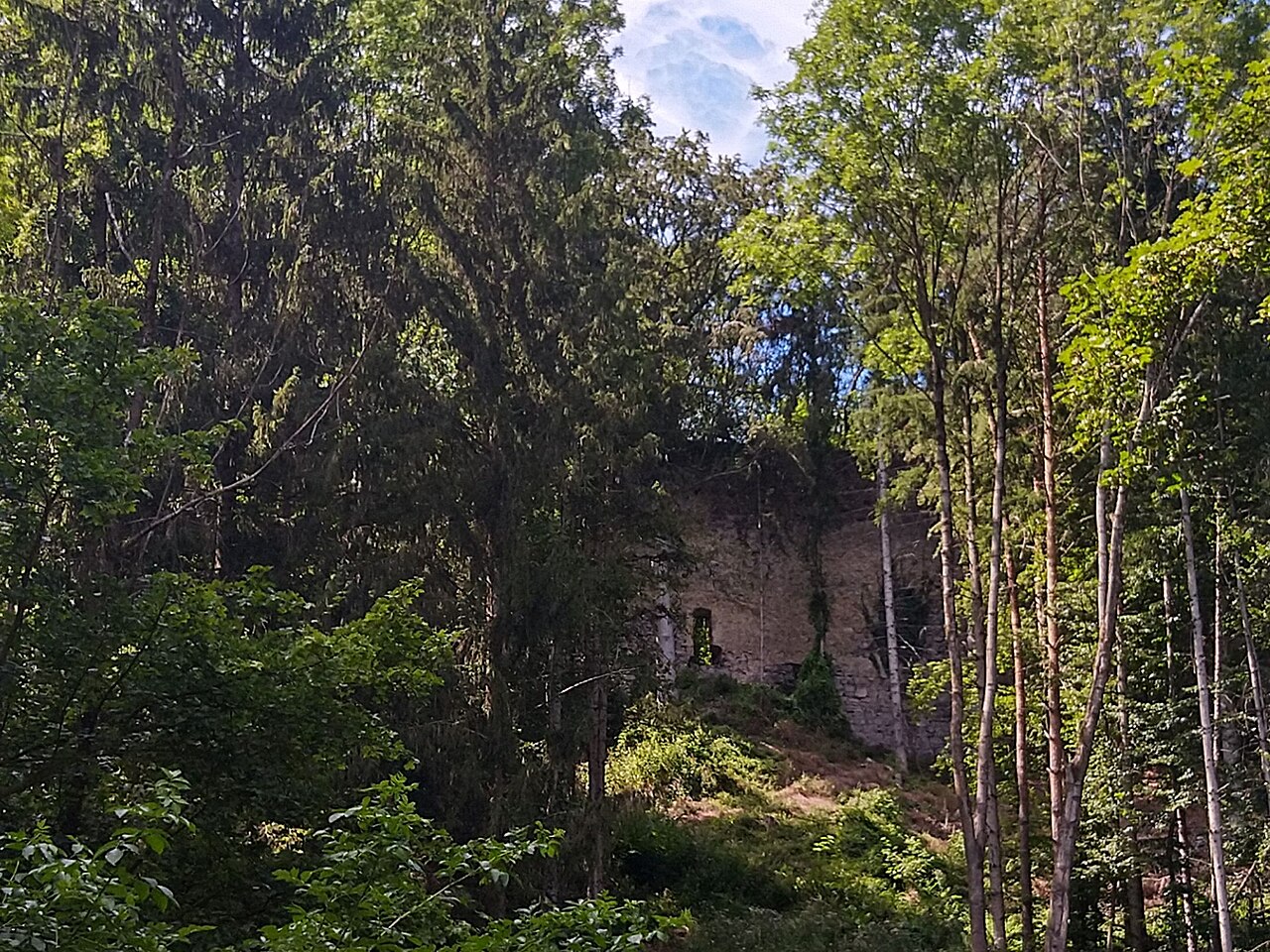
The castle's origins trace back to the High Middle Ages, with the earliest documented occupant being Hartnid Schenk von Rammenstein, who held the fortress between 1240 and 1276. Initially known as Rammenstein, the castle was established by Germanic nobility to assert dominance over the region. The original medieval structure suffered destruction by fire in the late 15th century, leaving it in ruins, yet a new castle had already been constructed in the 14th century under princely territorial authorities, reflecting the site's enduring strategic importance.
Medieval origins and early history
The castle's medieval foundation is intertwined with the complex feudal landscape of Styria during the 13th and 14th centuries. Its early owners, including the Schenk von Rammenstein family, were influential in regional politics and defense. The castle's location on a rocky outcrop provided natural fortification, complemented by man-made defensive features typical of hill castles of the era.
By the late 15th century, Burg Rabenstein had fallen into disrepair after a destructive fire. However, its significance was recognized by the Roman-German King Maximilian I, who granted the castle to the Harrach family in 1497. This transfer marked the beginning of a series of ownership changes among prominent noble families, including the Breuner, Windischgrätz, and Waldsteiner lineages.
Baroque transformation and artistic heritage
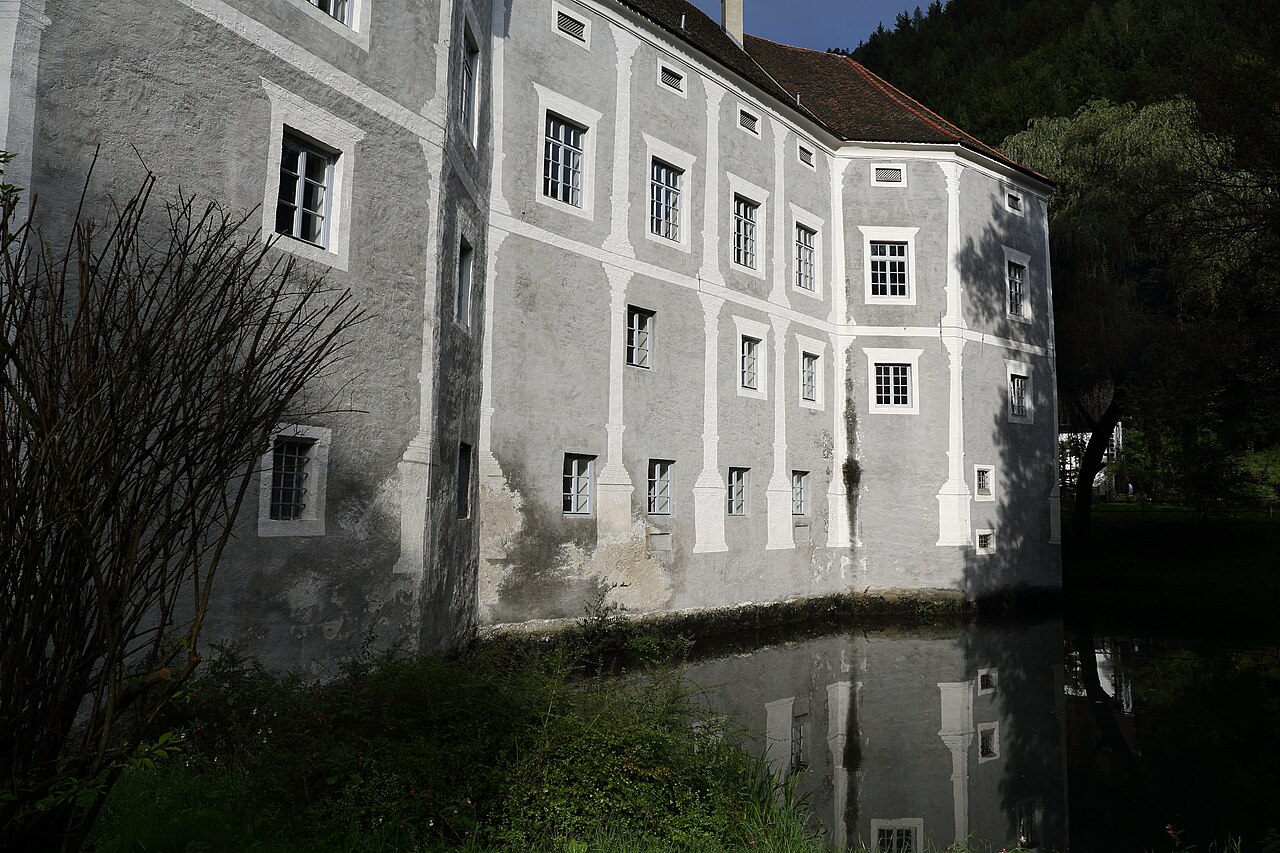
During the 17th century, the castle underwent significant renovations under the ownership of the Trauttmansdorff family. These modifications introduced Baroque architectural elements, notably the elaborate stucco work in the knights’ hall crafted by the artist Alexander Serenio. This ornate decoration was once mistakenly attributed to the renowned architect Johann Bernhard Fischer von Erlach, highlighting the high artistic quality of the work.
The Baroque renovations enhanced the castle's residential and representational functions, reflecting broader shifts in castle architecture from purely defensive structures to stately noble residences. The stucco decorations remain a significant artistic feature, preserving the castle's cultural heritage from this period.
19th and 20th century decline and restoration
By the early 19th century, Burg Rabenstein had again fallen into near ruin. Restoration efforts led by Ludwig von Montoyer reflected the 19th-century revival of interest in historic preservation and the romanticization of medieval architecture. These restorations helped stabilize the structure and adapt it for new uses.
Ownership transferred to the Reininghaus family in 1887, and following World War II, the castle was repurposed as a guesthouse. In 1981, the property was acquired by the Liechtenstein family and shortly thereafter by the Styrian Electricity Company (STEG), which transformed the site into a cultural venue hosting theatrical performances, art exhibitions, and concerts.
The establishment of the Murkraftwerk Rabenstein hydroelectric plant below the castle in 1987 demonstrated the integration of modern technology into the historic landscape, with the plant continuing to operate today.
Modern adaptations and current status
In the early 21st century, entrepreneur Werner Hochegger acquired Burg Rabenstein in 2005 and spearheaded extensive modernization efforts. These included the addition of a contemporary extension to accommodate events and lodging, infrastructure improvements such as a parking facility, and the installation of a panoramic lift connecting the castle to the valley below. These adaptations balanced preservation with modern functionality, ensuring the castle's viability as a cultural and event venue.
Following Hochegger's death in 2018, management passed to his business partner Jürgen Unterrainer, who offered the estate for sale in early 2024 for nearly 10 million euros, marking the latest chapter in the castle's long and varied history.
Architectural features and site layout
Burg Rabenstein encompasses approximately 2,700 square meters of usable space distributed among interconnected buildings adapted with several lifts to facilitate vertical movement across the steep terrain. Central to the castle is a courtyard of around 400 square meters, paved with granite cubes typical of historic regional construction, serving as a focal point linking the castle's wings.
A distinctive feature is the rock tunnel accompanied by an elevator leading to a retreat area above the main structures. This upper refuge blends natural rock formations with constructed elements, demonstrating the castle's harmonious integration with its rocky setting.
Access is provided by an asphalt road ascending to the site, supplemented by a panoramic lift installed directly on the rock face, showcasing innovative engineering solutions to the site's challenging topography.
Defensive and residential elements
The castle's original defensive design capitalized on its natural rocky promontory, with thick walls and strategic vantage points overseeing the Mur valley. Over time, the addition of Baroque residential features softened its military character, introducing more comfortable living spaces and ornate interiors.
Infrastructure and utilities
Modern infrastructure improvements include a private spring supplying water, supplemented by connections to public water and sewage systems. Heating is provided by an air-source heat pump, reflecting contemporary environmental technologies integrated into the historic fabric.
Geographical context and surroundings
Set within a predominantly mixed-forest landscape on hilly terrain, Burg Rabenstein occupies a valley at an elevation of 532 meters above sea level. Nearby terrain rises to 905 meters approximately 1.25 kilometers to the west, emphasizing the castle's commanding position. The nearest larger town is Frohnleiten, located about 4.5 kilometers to the northeast, situating the castle within a natural and strategic setting that has influenced its historical development and continued significance.
Frequently asked questions (FAQ)
- When was Burg Rabenstein originally built?
- Burg Rabenstein was originally established in the High Middle Ages, with documented occupancy beginning in the early 13th century.
- What architectural styles are evident at Burg Rabenstein?
- The castle showcases a combination of medieval defensive architecture and significant 17th-century Baroque renovations, particularly visible in the knights' hall stucco work.
- Can visitors access Burg Rabenstein today?
- Currently, Burg Rabenstein serves as a venue for cultural events and private functions, with modern amenities including a panoramic lift for easier access.
- What are some unique features of Burg Rabenstein's location?
- The castle is uniquely situated on a rocky promontory overlooking the Mur River valley, providing strategic control and commanding views of the surrounding landscape.
- How has Burg Rabenstein been used in recent history?
- In the late 20th and early 21st centuries, the castle has been adapted for cultural uses such as art exhibitions, concerts, and events, alongside hospitality functions.
Photo gallery

Information
Website
Visit websiteSources & official resources
Verify the information above using these authoritative references.
Loading map...
Visitor reviews
No reviews yet. Been here? Write the first review and help other travelers!
Write the first reviewVisited this castle? Share your experience
Your review helps other travelers and adds first-hand knowledge to our encyclopedia.