Sausenburg Castle Ruins
Sausenburg Castle is a notable medieval ruin located near Kandern, in the southwestern German state of Baden-Württemberg. Perched atop the 665-metre high Sausenberg hill, this castle once served as a strategic stronghold guarding the surrounding region at the edge of the Black Forest. Its origins trace back to the early 13th century, when the counts of Hachberg acquired the land from the Benedictine monks of St. Blaise Monastery in 1232. Construction of the castle began shortly thereafter, with the first documented habitation dating to 1246.
The foundation and early history of Sausenburg Castle
The castle was originally built by the counts of Hachberg as a defensive fortress and residence to secure their newly acquired territories. In 1306, the counts established the Sausenberg dynasty, adopting the title of margraves of Hachberg-Sausenberg, which reflected their growing regional influence. This lineage played a significant role in the political landscape of southwestern Germany during the High Medieval period.
Expansion of territorial holdings
In 1315, the last male member of the Roetteln dynasty, Liuthold II, transferred the lordship of Roetteln Castle to the margraves of Hachberg-Sausenberg. This acquisition expanded their domain considerably. Following Liuthold's death in 1316, the counts relocated their primary residence to the more defensible Rötteln Castle, appointing advocates (vogts) to administer Sausenburg. Later, in 1444, John, the last count of Freiburg, bequeathed the territory of Badenweiler to the margraves, consolidating the territories of Badenweiler, Rötteln, and Sausenburg. This unification laid the foundation for the region known as the Markgräflerland.
Architectural features and layout
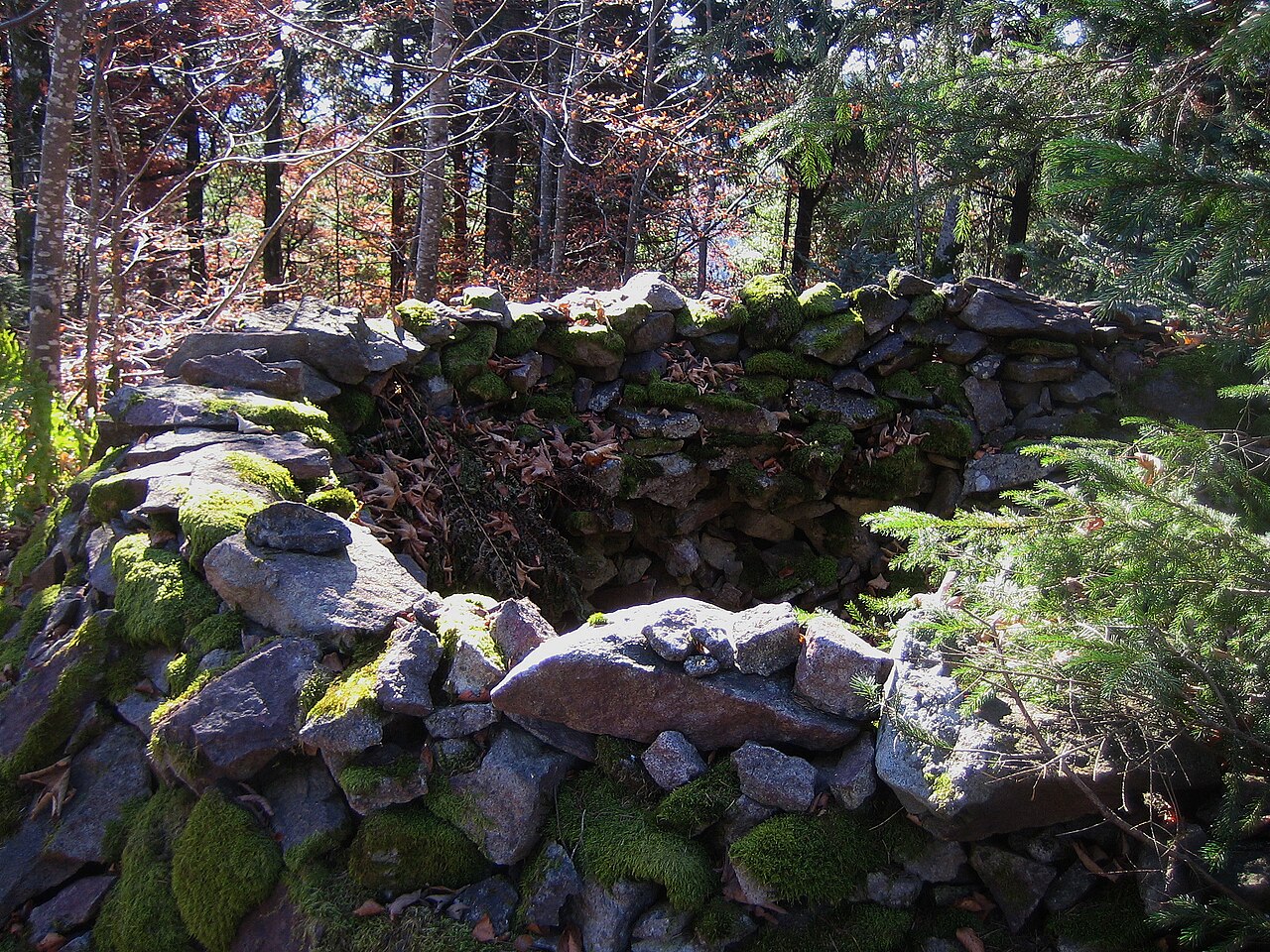
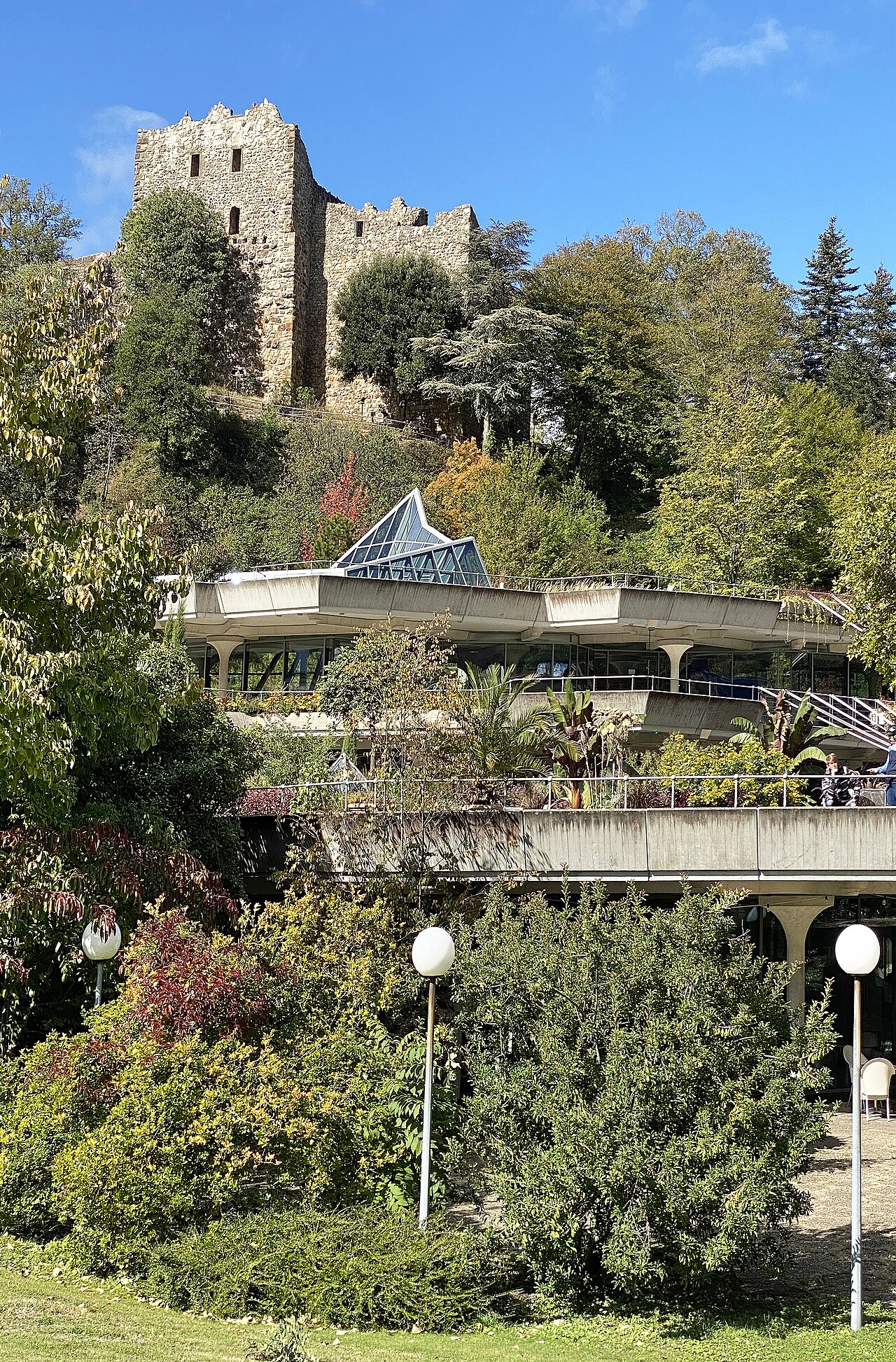
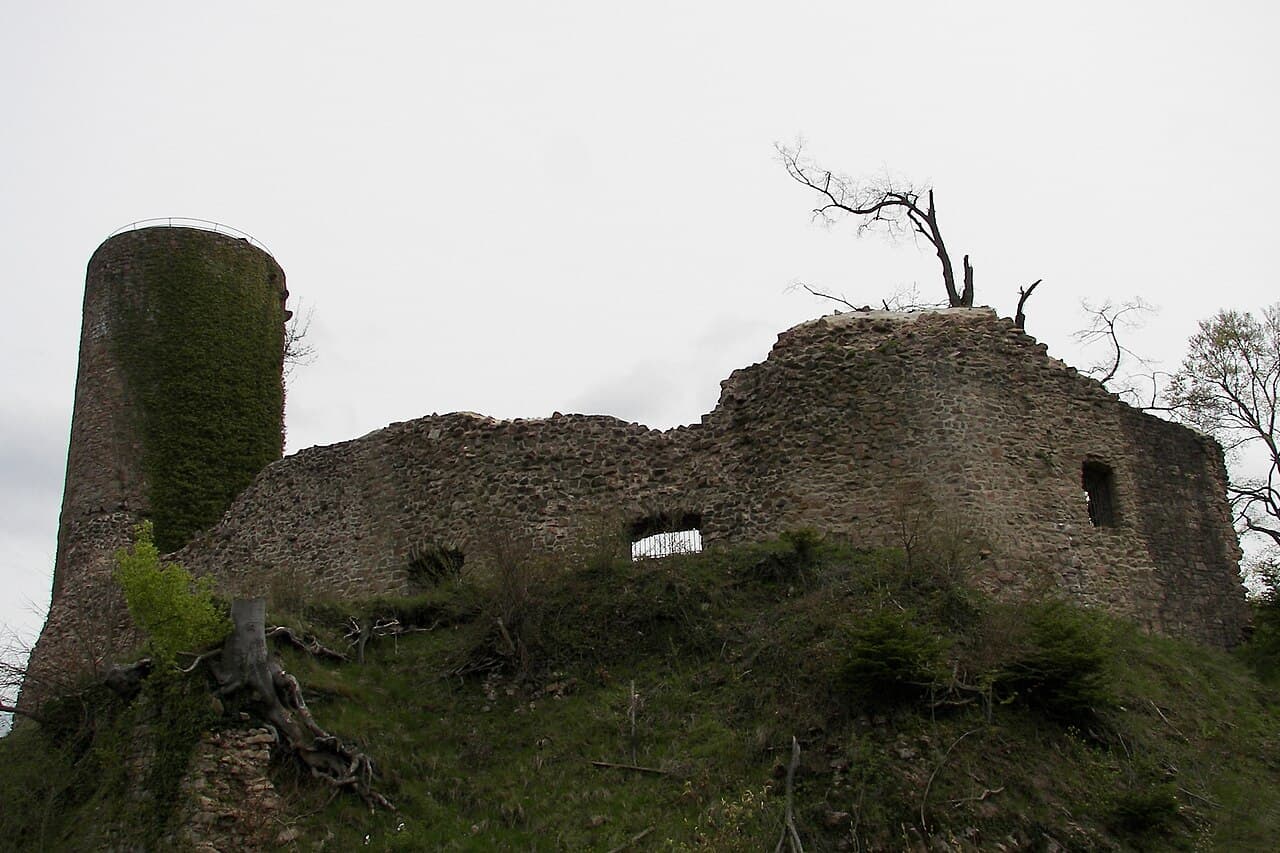
Though now largely in ruins, Sausenburg Castle originally featured typical medieval defensive structures. The castle occupied a strategic hilltop position with natural elevation advantages. Its fortifications included a circular rampart, defensive walls, and a prominent tower which served both as a lookout and stronghold. The surviving wall segments and tower remnants provide insight into the castle's original layout and defensive capabilities.
Defensive design elements
The castle's circular rampart was designed to provide comprehensive protection against attackers, complemented by thick stone walls and battlements. The elevated position allowed defenders to monitor the surrounding landscape and control key routes through the region. These features exemplify the military architecture of the High Medieval period in southwestern Germany.
Destruction and present condition
Sausenburg Castle's military relevance declined with the advent of gunpowder artillery. In 1678, during the Franco-Dutch War, the castle was destroyed by the forces of French Marshal Créquy. The siege demonstrated the vulnerability of medieval fortifications against modern siege tactics and artillery bombardment. Since then, the castle has remained in a state of ruin, with only some walls, the tower, and earthworks surviving.
Archaeological significance and tourism
Today, Sausenburg Castle is classified as an archaeological ruin and is accessible to visitors interested in medieval history and castle architecture. The site offers panoramic views of the surrounding Black Forest and the Markgräflerland region. Interpretive signage and local guides provide historical context, allowing visitors to appreciate the castle's role in regional power dynamics during the Middle Ages.
The castle's role in regional history
Sausenburg Castle was integral to the formation of the Markgräflerland, a historic cultural region in southwestern Germany. The consolidation of Sausenburg with Roetteln and Badenweiler under the margraves of Hachberg-Sausenberg marked a significant territorial and political development. The castle's history reflects the shifting alliances and inheritance patterns typical of medieval noble families in the Holy Roman Empire.
Legacy of the Hachberg-Sausenberg dynasty
The dynasty that originated at Sausenburg played a notable role in regional governance and military affairs. Their move to Rötteln Castle and administration of Sausenburg through vogts illustrates the feudal management systems of the time. The eventual integration of their lands into the Margraviate of Baden in 1503 further signifies the castle's importance in the broader territorial consolidation of southwestern Germany.
Frequently asked questions (FAQ)
- How do I get to Sausenburg Castle Ruins?
- Sausenburg Castle Ruins are located a short distance from Kandern, Germany. You can reach the ruins by car or via walking trails that lead from the town. Public transportation options are limited, so driving or hiking is recommended for the best access.
- What is the historical significance of Sausenburg Castle?
- Sausenburg Castle, dating back to the 13th century, played a vital role in the region's defense. It served as a stronghold during various conflicts and was strategically important due to its location overlooking the surrounding area. Today, it stands as a testament to medieval architecture and history.
- When was Sausenburg Castle built?
- Construction of Sausenburg Castle began in the early 1200s, with the castle being completed in the following decades. It was primarily built to serve as a watchtower and defensive structure for the local nobility. The ruins you see today reflect its long and storied past.
- Can I explore the ruins of Sausenburg Castle?
- Yes, visitors are welcome to explore the ruins of Sausenburg Castle. The site is open to the public, allowing you to walk among the remnants and enjoy the stunning views of the surrounding landscape. Be sure to wear appropriate footwear, as some areas may be uneven.
- Why is Sausenburg Castle a popular destination?
- Sausenburg Castle is popular due to its rich history and picturesque setting, making it a favorite among history enthusiasts and nature lovers alike. The ruins provide a glimpse into medieval life and architecture, while the surrounding trails offer beautiful hiking opportunities. It's a perfect spot for photography and relaxation.
- Is it possible to visit Sausenburg Castle year-round?
- Yes, Sausenburg Castle is accessible year-round, although some areas may be less accessible during inclement weather. It's advisable to check local conditions before visiting, especially during winter months. The scenic views and fresh air make it a pleasant destination in any season.
- What are the opening hours for Sausenburg Castle Ruins?
- Sausenburg Castle Ruins are generally open during daylight hours, allowing visitors to explore at their convenience. However, it's always a good idea to check local resources for any seasonal variations in access. Enjoying the ruins at sunrise or sunset can provide a particularly enchanting experience.
- Are there any nearby attractions to visit?
- Yes, there are several attractions near Sausenburg Castle, including the charming town of Kandern and the picturesque Black Forest region. You can also explore other historical sites and enjoy outdoor activities like hiking and cycling in the area. It makes for an excellent day trip combining history and nature.
- What are the ticket prices for visiting Sausenburg Castle?
- Visiting Sausenburg Castle Ruins is free of charge, making it an accessible option for all visitors. Donations to support the preservation of the site are appreciated but not required. This allows everyone to enjoy the rich history without any financial barriers.
Photo gallery

Photo by Self•Public domain
Information
Loading map...
Visitor reviews
No reviews yet. Been here? Write the first review and help other travelers!
Write the first reviewVisited this castle? Share your experience
Your review helps other travelers and adds first-hand knowledge to our encyclopedia.