Burg Badenweiler
Burg Badenweiler stands as a striking example of a hilltop castle ruin with a rich history spanning from the Roman period through the Middle Ages to its partial destruction in the 17th century. Located in the spa town of Badenweiler in southwestern Germany, the castle occupies a strategic position approximately 455 meters above sea level, overlooking the Black Forest, the Rhine Valley, and the Vosges Mountains. This vantage point not only provided defensive advantages but also controlled important regional resources and trade routes.
The castle's origins can be traced back to a Roman fortification constructed to protect a nearby water facility known as the Aqua Villa. This early military installation laid the groundwork for subsequent fortifications by the Alamanni, a Germanic tribe who established a hill castle on the site. Later, the Franks took control, embedding the location further into the fabric of medieval power struggles in the region.
Medieval ownership and strategic importance
The first documented mention of Burg Badenweiler dates to 1122, when it was under the possession of the influential Zähringen family. The Zähringens leveraged the castle to protect their valuable silver mining operations nearby, underscoring the castle's economic as well as military significance. Over the centuries, the castle's ownership shifted among several prominent noble families, reflecting the complex political landscape of the region.
In 1147, the castle became part of the Welf dynasty through a dowry, illustrating the common medieval practice of using marriage to secure territorial control. By 1157, the castle came under the influence of the Staufer dynasty, a powerful ruling house in the Holy Roman Empire. The castle's lineage continued with the Counts of Freiburg inheriting it in 1268, followed by acquisition by the Counts of Strassberg in 1303 through marriage, and later the princely house of Fürstenberg in 1363. The castle also experienced periods of control by the Habsburgs, highlighting its ongoing strategic and symbolic importance.
Military conflicts and decline
Burg Badenweiler was not immune to the turbulence of medieval warfare. In 1409, it suffered an attack by troops under Bishop Humbert of Neuenburg from Basel, which caused significant damage. The castle was repaired and continued to function as an administrative center, housing local bailiffs who represented the ruling lords.
The castle's military role was revived during the Dutch War in the late 17th century. After the fall of nearby Freiburg in November 1677, French forces under General Joseph de Montclar occupied Burg Badenweiler. However, on April 6, 1678, the retreating French army led by Marshal Créqui deliberately set fire to the castle, causing extensive destruction. This act marked the beginning of the castle's decline, as it was never rebuilt and gradually fell into ruin.
Architectural features and ruins
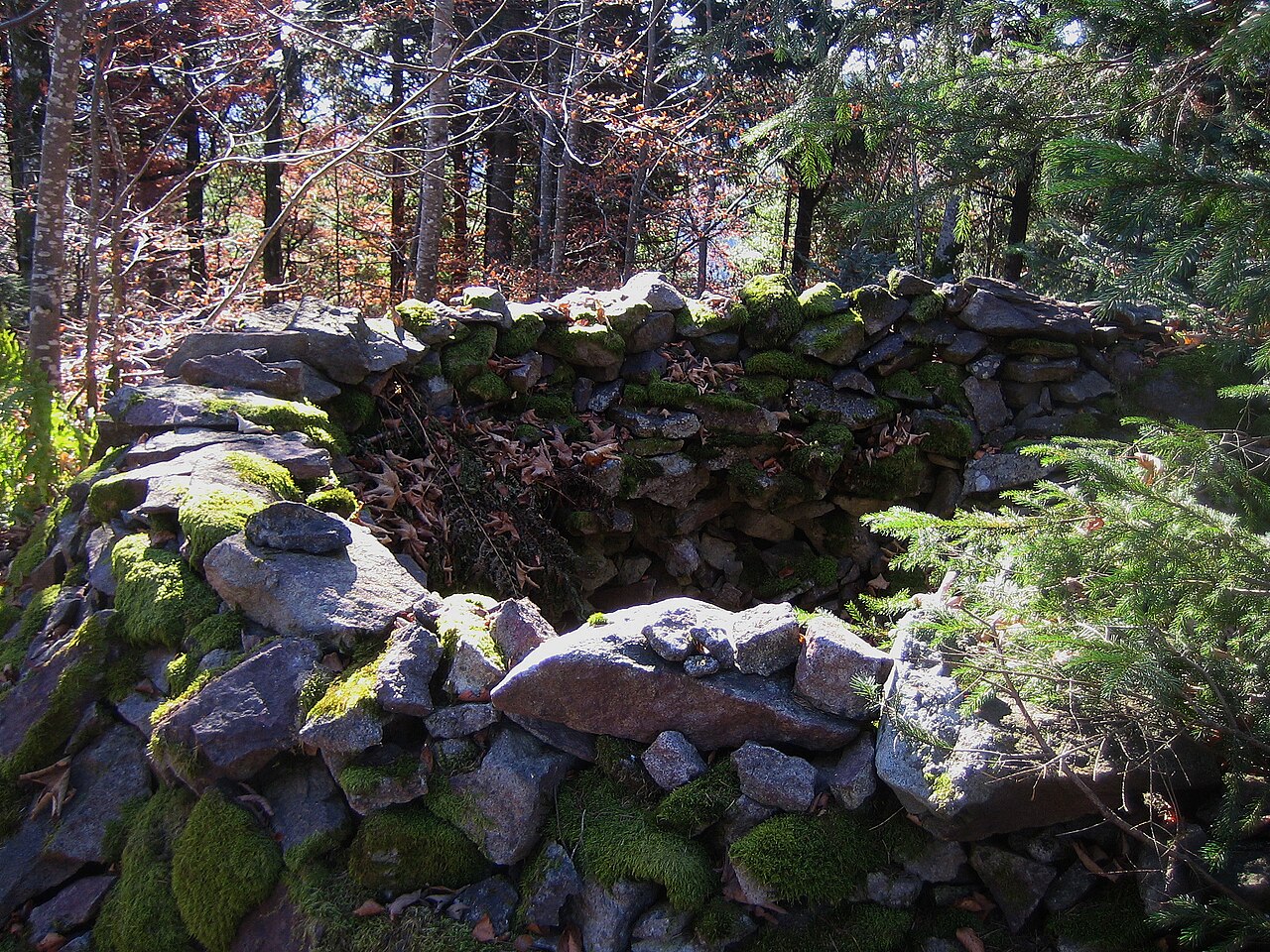
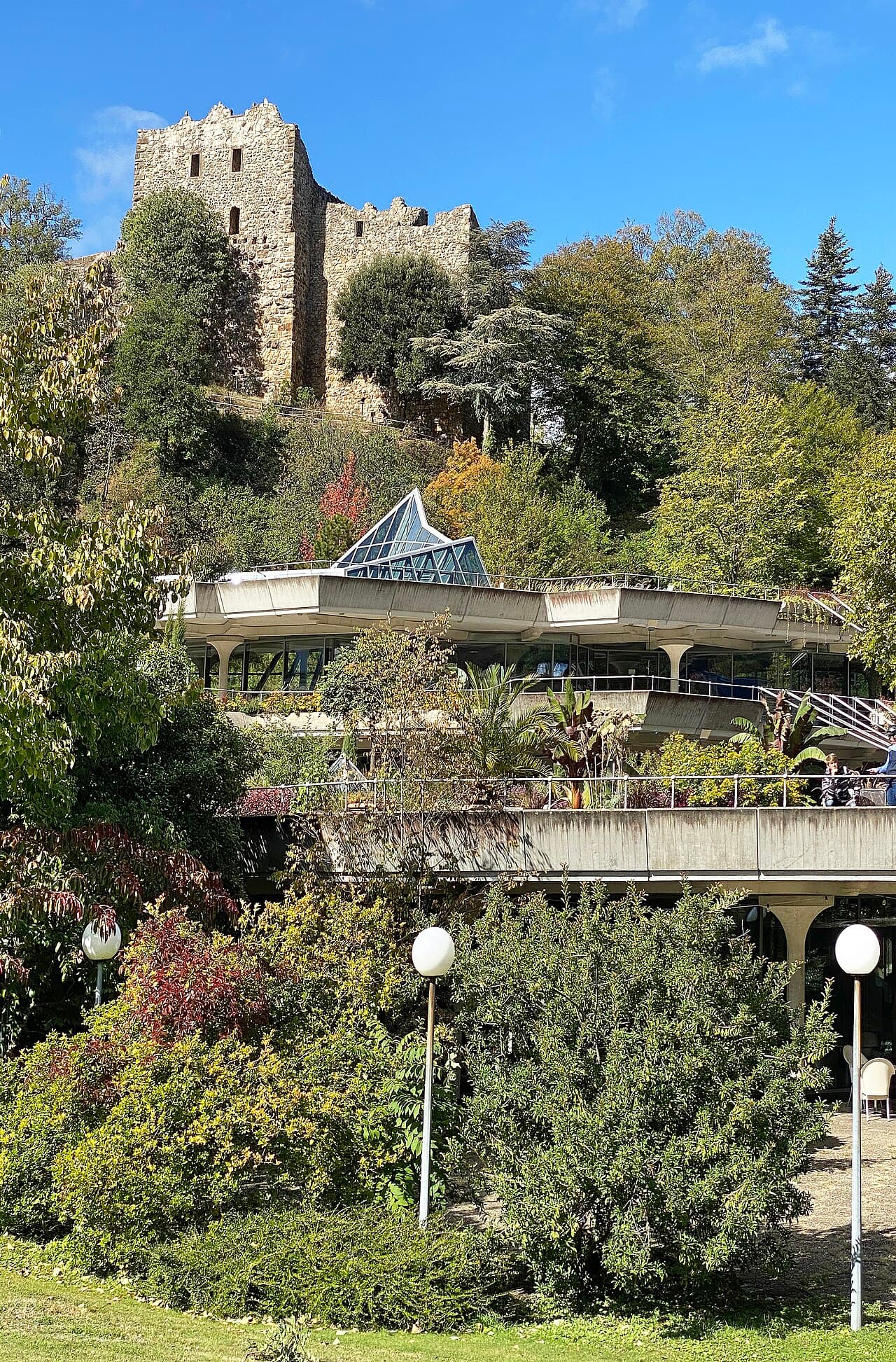
The remains of Burg Badenweiler today primarily consist of the stone masonry walls of the castle's palas, the main residential building. This multi-storey structure was divided internally into three sections, with surviving window outlines revealing the complexity of its original interior design. The castle's bergfried, a circular defensive tower, remains a prominent feature. This tower served as a stronghold and observation post, providing commanding views over the surrounding landscape.
The castle's outer defenses were expanded in the 14th century to address frequent border conflicts. These fortifications include robust stone walls that protected the inhabitants and the valuable resources within. Access to the ruins is via a steep path lined with retaining walls, enhancing the site's defensibility.
Preservation and cultural significance
Following its destruction, local residents salvaged building materials from the ruins for other constructions, contributing to the castle's gradual deterioration. In the 20th century, preservation efforts began to stabilize the remaining structures and improve access for visitors. The castle hill is now integrated into the Kurpark spa area, which includes cultural landmarks such as a monument to the renowned Russian author Anton Chekhov, who died in Badenweiler in 1904.
Burg Badenweiler remains an important cultural and historical site, offering insights into the region's Roman roots, medieval power struggles, and military history. Its ruins provide a tangible connection to the past, attracting visitors interested in castle architecture, medieval history, and the scenic beauty of the Black Forest region.
Frequently asked questions (FAQ)
- What is the historical significance of Burg Badenweiler?
- Burg Badenweiler is a medieval castle that dates back to the 12th century, showcasing the region's rich history. It played a pivotal role in the defense of the area and has witnessed numerous historical events, making it a key landmark in Badenweiler.
- When was Burg Badenweiler constructed?
- Burg Badenweiler was constructed around the year 1100, making it one of the oldest castles in the region. Over the centuries, it has undergone various renovations, reflecting different architectural styles.
- Can I visit Burg Badenweiler?
- Yes, Burg Badenweiler is open to the public, allowing visitors to explore its ruins and enjoy panoramic views of the surrounding landscape. Guided tours are also available, providing insights into the castle's history and architecture.
- What are the opening hours for Burg Badenweiler?
- Burg Badenweiler is typically open to visitors from 9 AM to 6 PM during the summer months and from 9 AM to 5 PM in winter. It's advisable to check the official website for any seasonal changes or special opening events.
- Is it possible to access Burg Badenweiler with a wheelchair?
- The castle grounds have some accessibility options, but due to its historical nature, certain areas may be challenging for wheelchair users. It's best to contact the castle administration in advance to inquire about specific accessibility accommodations.
- When is the best time to visit Burg Badenweiler?
- The best time to visit Burg Badenweiler is during the spring and early autumn when the weather is mild, and the surrounding nature is in full bloom. Additionally, the castle can be less crowded during these seasons, allowing for a more enjoyable experience.
- What are the ticket prices for visiting Burg Badenweiler?
- Admission to Burg Badenweiler is generally free, making it an accessible destination for all visitors. However, guided tours may have a small fee, which contributes to the preservation of the site.
- Are there any nearby attractions to visit along with Burg Badenweiler?
- Yes, nearby attractions include the Roman ruins of Badenweiler and the beautiful spa gardens, which provide a great opportunity to relax and enjoy the natural surroundings. The picturesque town of Badenweiler also offers charming cafes and shops to explore.
Photo gallery

Information
Website
Visit websiteSources & official resources
Verify the information above using these authoritative references.
Loading map...
Visitor reviews
No reviews yet. Been here? Write the first review and help other travelers!
Write the first reviewVisited this castle? Share your experience
Your review helps other travelers and adds first-hand knowledge to our encyclopedia.