Lychkivtsi Castle
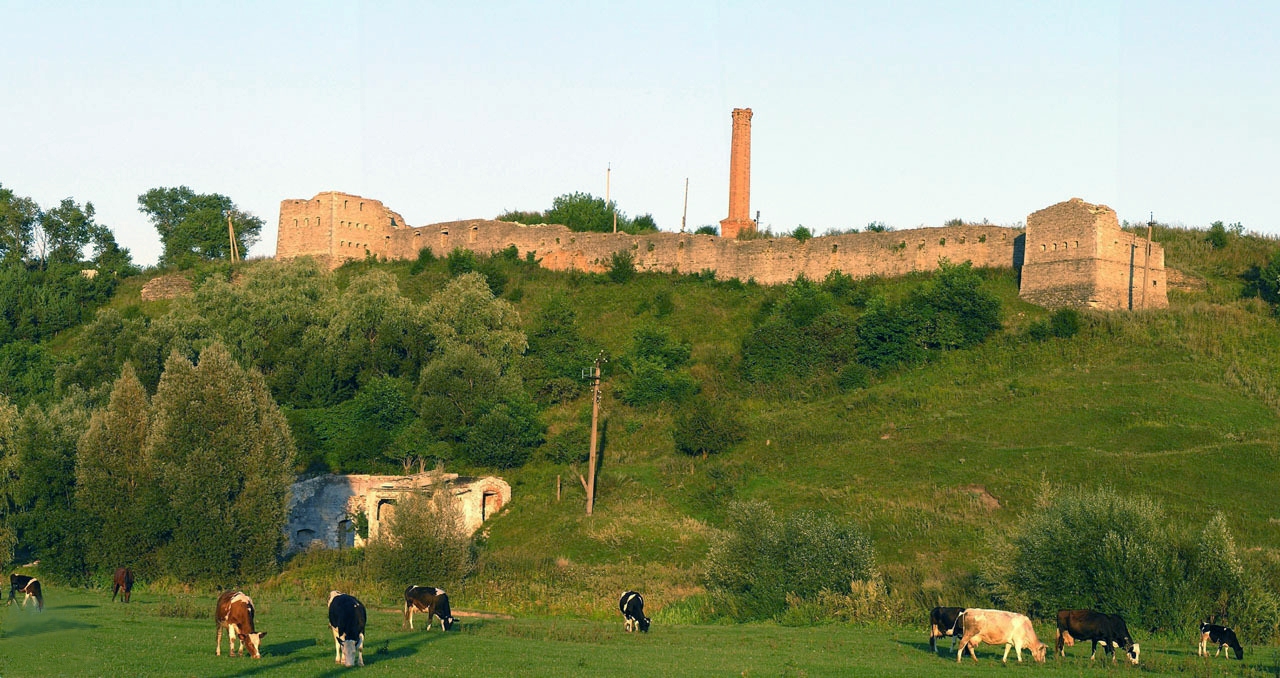
Lychkivtsi Castle, known in Ukrainian as Личковецький замок, is a historic hill castle situated in the village of Lychkivtsi within the Ternopil Oblast of western Ukraine. This fortress was constructed by the noble Kalinowski family, an influential lineage in the region, during the early modern period. The castle's strategic location atop a hill provided natural defensive advantages, typical of many fortifications designed to oversee and control the surrounding landscape.
Historical background and construction
The exact date of Lychkivtsi Castle's construction remains uncertain, but it is generally attributed to the 16th or 17th century, a time when the region was part of the Polish-Lithuanian Commonwealth. The Kalinowski family, known for their military and political roles, established the castle as a fortified residence and defensive stronghold. The castle's primary purpose was to protect the local population and assert control over trade routes and territorial boundaries.
Throughout its history, Lychkivtsi Castle witnessed various military conflicts and changes in ownership, reflecting the turbulent history of western Ukraine. The castle's fortifications were adapted over time in response to evolving military technology and threats, including the introduction of artillery.
Architectural features and layout
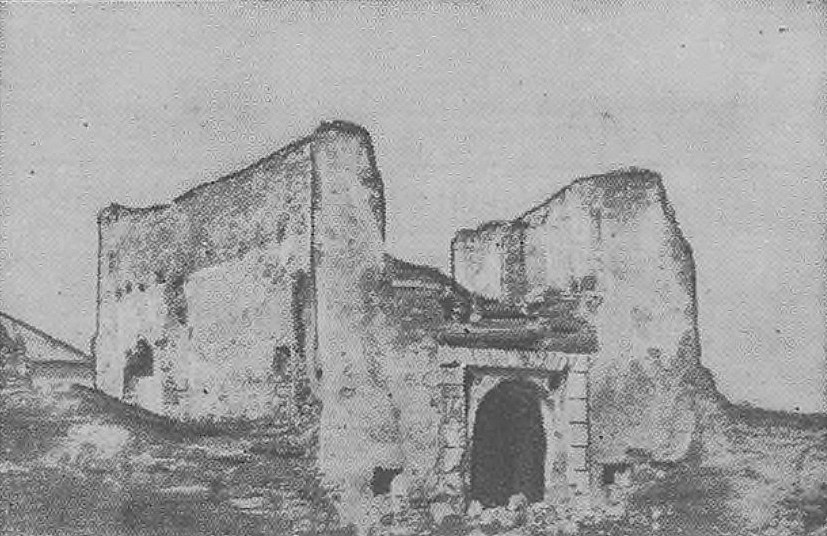
Lychkivtsi Castle exemplifies the characteristics of hill castles with its elevated position and defensive structures. The castle complex originally included robust stone walls, towers for surveillance and defense, and a gatehouse controlling access. The walls were likely equipped with battlements and arrow slits, allowing defenders to repel attackers effectively.
The castle's internal layout featured residential quarters, storerooms, and possibly a chapel, arranged around a central courtyard. The design balanced defensive needs with the requirements of noble habitation, combining military architecture with elements of Renaissance influence common in the region's noble residences.
Defensive adaptations
As military technology advanced, particularly with the use of cannons, Lychkivtsi Castle underwent modifications to strengthen its defenses. These may have included the thickening of walls, the addition of bastions or earthworks, and the reinforcement of towers. Such adaptations were typical of castles transitioning from medieval fortresses to early modern strongholds.
Current condition and cultural significance
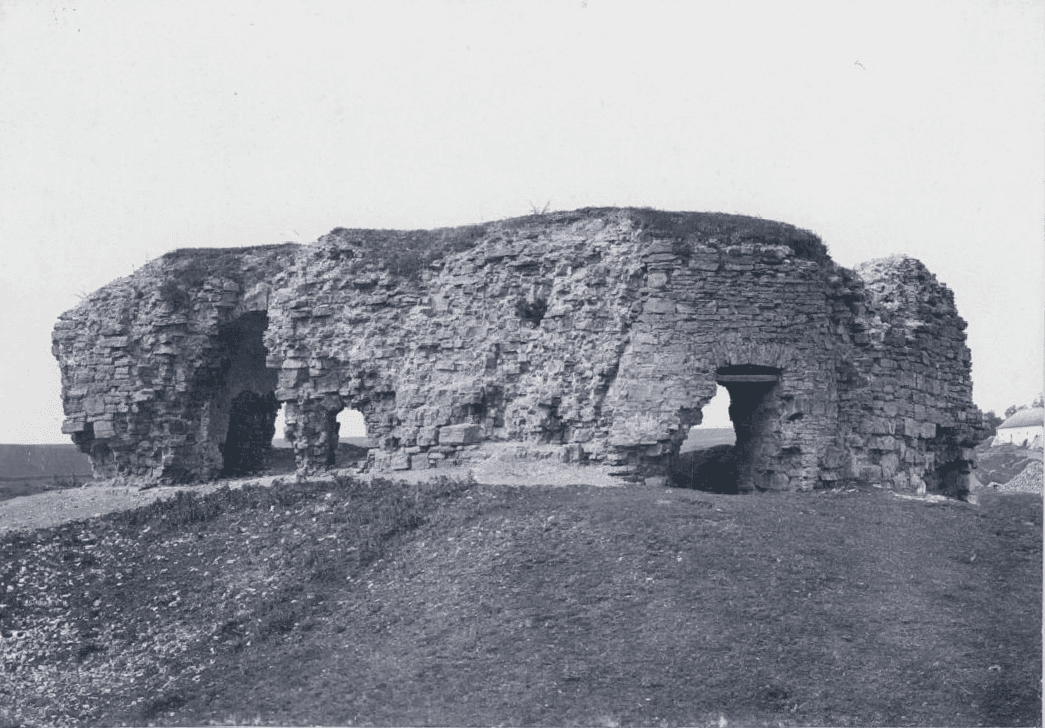
Today, Lychkivtsi Castle stands as a partially preserved monument reflecting the architectural and historical heritage of the Ternopil region. While some structures remain intact, others have fallen into ruin due to centuries of neglect and the impact of warfare.
The castle is an important cultural landmark for Ukraine, attracting historians, archaeologists, and visitors interested in the region's medieval and early modern history. Efforts to preserve and study the site contribute to a deeper understanding of the area's past and the role of noble families like the Kalinowskis in shaping local history.
Visiting Lychkivtsi Castle
Visitors to Lychkivtsi Castle can explore the surviving fortifications and enjoy panoramic views of the surrounding countryside. The site offers insight into the defensive strategies and residential life of a noble family during a formative period in Ukrainian history. While facilities may be limited, the castle's historical ambiance provides a compelling experience for those interested in architecture and heritage.
Frequently asked questions (FAQ)
- What is the historical significance of Lychkivtsi Castle?
- Lychkivtsi Castle is a remarkable example of medieval architecture in Ukraine, dating back to the 14th century. It served as a defensive stronghold and residence for noble families, reflecting the region's rich history and cultural heritage.
- When was Lychkivtsi Castle built?
- The construction of Lychkivtsi Castle began in the 14th century, during a period of significant political and military development in the area. Over the years, it underwent various renovations and expansions, showcasing different architectural styles.
- Can I visit Lychkivtsi Castle?
- Yes, Lychkivtsi Castle is open to visitors, allowing them to explore its historical grounds and learn about its fascinating past. Guided tours are available, providing insights into the castle's architecture and history.
- What are the opening hours of Lychkivtsi Castle?
- Lychkivtsi Castle typically opens to visitors from 9 AM to 5 PM, Tuesday through Sunday. It is advisable to check for any seasonal changes in hours or special events before planning your visit.
- Is it possible to access Lychkivtsi Castle with mobility challenges?
- Lychkivtsi Castle has some accessibility features, but due to its historical nature, certain areas may pose challenges for visitors with mobility impairments. It's recommended to contact the castle staff in advance to inquire about specific accessibility options.
- What is the best time to visit Lychkivtsi Castle?
- The best time to visit Lychkivtsi Castle is during the late spring and early autumn months when the weather is pleasant. These seasons offer beautiful scenery and a more enjoyable experience for exploring the castle grounds.
- Are there any nearby attractions to Lychkivtsi Castle?
- Yes, nearby attractions include the picturesque landscapes of the surrounding countryside and other historical sites in Lychkivtsi. Visitors can explore local museums and enjoy the natural beauty of the region.
- What are the ticket prices for Lychkivtsi Castle?
- Ticket prices for Lychkivtsi Castle are generally affordable, with discounts available for students and seniors. It's best to check the official website or contact the castle directly for the most current pricing information.
Photo gallery

Photo by Albin Friedrich•Public domain
Information
Loading map...
Visitor reviews
No reviews yet. Been here? Write the first review and help other travelers!
Write the first reviewVisited this castle? Share your experience
Your review helps other travelers and adds first-hand knowledge to our encyclopedia.