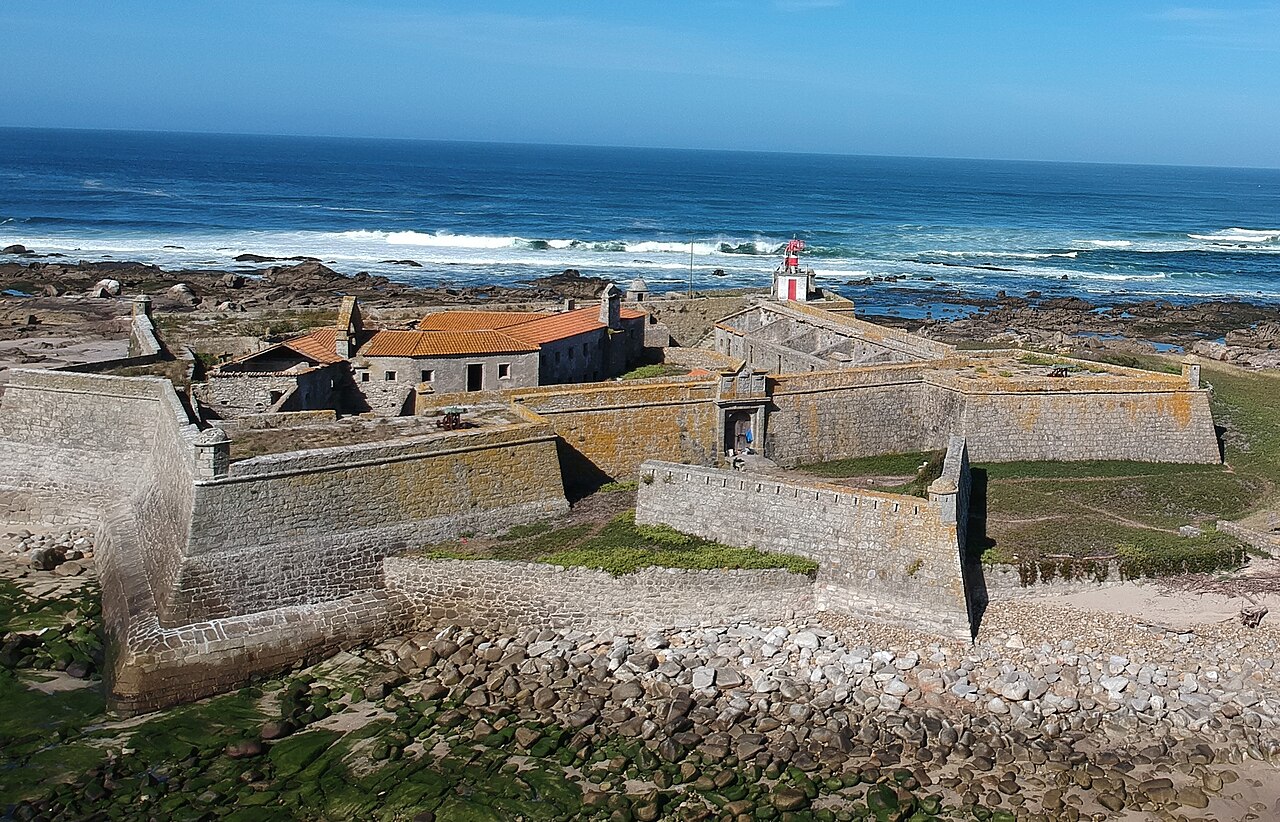
Santa Cruz Fortress

Santa Cruz Fortress in La Guardia, Spain
La Guardia, Galicia, Spain
Renaissance (15th–17th c.)
Partially Restored

Santa Cruz Fortress is a historic military structure located in La Guardia, Spain, built in 1664 during the Portuguese Restoration War. Its primary purpose was to defend the strategic town of La Guardia against incursions by the Portuguese army. The fortress was constructed as part of a broader effort to secure Spanish territories during a turbulent period marked by conflict between Spain and Portugal.

Historical context and construction

The fortress was erected in the midst of the 17th century conflicts, specifically during the Portuguese Restoration War (1640-1668), which aimed to restore Portuguese independence from Spanish rule. Santa Cruz Fortress was designed as a Renaissance military fortification, reflecting the architectural and defensive principles of the period. Its construction in 1664 was a direct response to the ongoing military threats posed by Portuguese forces in the region.

Strategic importance

Situated in La Guardia, the fortress was strategically positioned to control access routes and protect the town from Portuguese advances. The location allowed Spanish forces to monitor movements and maintain a defensive stronghold in this contested border area. The fortress's placement underscores its role as a vital military asset during the war.

Architectural features and design

Santa Cruz Fortress was built following the Renaissance style, characterized by geometric layouts and bastioned fortifications designed to withstand artillery attacks. The design likely included thick walls, bastions, and defensive ramparts typical of the era's military architecture. These features were intended to provide overlapping fields of fire and resist siege tactics common in 17th-century warfare.

Fortress layout

The fortress's layout probably incorporated a bastioned trace, a star-shaped plan common in Renaissance fortifications, allowing defenders to cover all approaches with cannon and musket fire. This design minimized blind spots and increased the fortress's defensive capabilities against attackers.

Military history and fate

Despite its robust design, Santa Cruz Fortress was captured by Portuguese troops just a year after its completion, in 1665. The Portuguese held the fortress until the end of the war in 1668. The capture and occupation highlight the intense military contest in the region during this period.

Demolition and abandonment

Following the Treaty of Lisbon in 1668, which ended the Portuguese Restoration War and recognized Portuguese independence, the fortress was demolished as part of the peace terms. This demolition marked the end of its military use and led to a long period of abandonment.

Restoration and current status

After centuries of neglect, Santa Cruz Fortress underwent restoration in 2013. The restoration aimed to preserve the remaining structures and highlight the historical significance of the site. Today, the fortress stands as a partially restored monument, offering insight into the military architecture and historical conflicts of the 17th century in this border region of Spain.

Visitor experience

Visitors to Santa Cruz Fortress can explore the restored sections and learn about its role in the Portuguese Restoration War. The site serves as a cultural and historical landmark, reflecting the turbulent history between Spain and Portugal and the evolution of military fortifications during the Renaissance period.

Frequently asked questions (FAQ)

What is the historical significance of Santa Cruz Fortress?
Santa Cruz Fortress, built in the 17th century, played a crucial role in defending the region from maritime attacks. It served as a strategic military installation during various conflicts, showcasing the military architecture of its time.
When was Santa Cruz Fortress constructed?
Construction of Santa Cruz Fortress began in 1624 and was completed in 1660. It was designed to protect the coast of La Guardia from pirates and enemy fleets, reflecting the military needs of the period.
What are the opening hours for Santa Cruz Fortress?
Santa Cruz Fortress is open to visitors from 10:00 AM to 6:00 PM during the peak season, which runs from April to September. In the off-season, the hours may vary, so it's advisable to check the official website before planning your visit.
Can I access Santa Cruz Fortress with a wheelchair?
Yes, Santa Cruz Fortress is accessible for visitors with mobility challenges. The site has made efforts to provide pathways and facilities that accommodate wheelchair users, ensuring an enjoyable experience for all.
What is the best time to visit Santa Cruz Fortress?
The best time to visit Santa Cruz Fortress is during the spring and early autumn months when the weather is mild and pleasant. These seasons also tend to have fewer tourists, allowing for a more relaxed exploration of the fortress.
Are there any nearby attractions to visit after exploring Santa Cruz Fortress?
Yes, after visiting Santa Cruz Fortress, you can explore the beautiful coastal town of La Guardia and its stunning beaches. Additionally, the nearby Monte de San Pedro offers breathtaking views and walking trails for nature enthusiasts.
How much do tickets cost for Santa Cruz Fortress?
Admission to Santa Cruz Fortress is typically free, but there may be guided tour options available for a small fee. It's best to check for any special events or exhibitions that may have associated costs.

Information

Lowland Castle

Loading map...

Visitor reviews

No reviews yet. Been here? Write the first review and help other travelers!

Write the first review

Visited this castle? Share your experience

Your review helps other travelers and adds first-hand knowledge to our encyclopedia.
Write a review

(5/5)

0/2000 characters

Your review will be visible after admin approval

Nearby castles

1.3 km
Castro of Santa Trega — Spain castle

Castro of Santa Trega

A Guarda, Spain

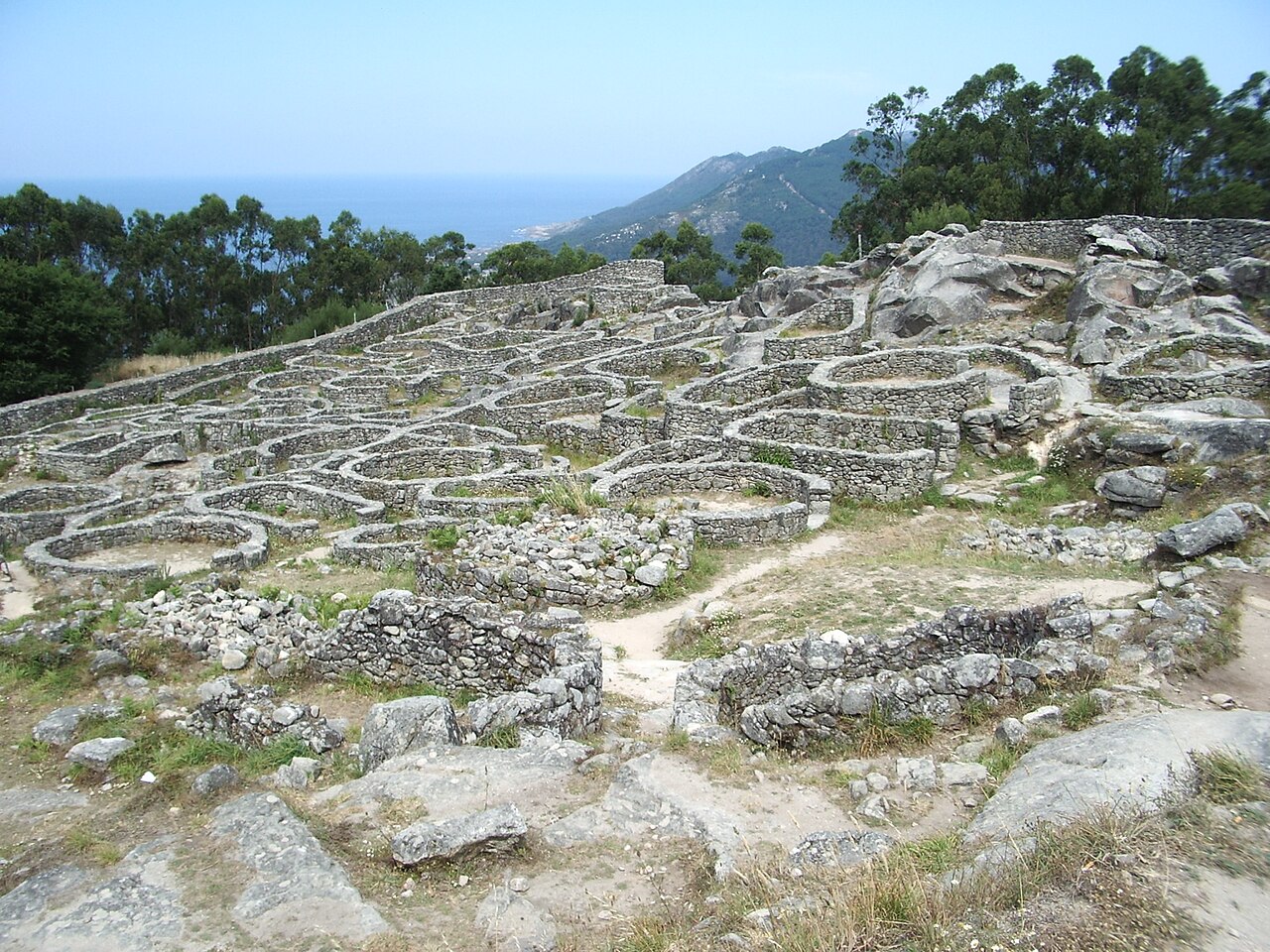
The Castro of Santa Trega is a significant archaeological site located on the slopes of Mount Santa Trega in the municipality of A Guarda, in the southwestern part of Galicia, Spain. This ancient fortified settlement stands at an altitude of 341 meters (1118 feet) above sea level, commanding a strategic vantage point overlooking the mouth of the river Miño. It represents one of the most emblematic and well-preserved examples of the Castro culture, a distinctive Iron Age culture prevalent in northwestern Iberia during the Late Bronze Age and Early Iron Age. Historical context and cultural significance The Castro culture flourished in the northwestern Iberian Peninsula from approximately the 9th century BCE until the Roman conquest in the 1st century BCE. The inhabitants of the Castro of Santa Trega were part of this cultural tradition characterized by hilltop fortified settlements known as "castros." These sites served as defensive strongholds and community centers for the local Celtic tribes. The Castro of Santa Trega is particularly notable for its size and preservation, making it a key reference for understanding the social, economic, and defensive strategies of the era. Declared a National Historical and Artistic Monument in 1931 and recognized as a Bien de Interés Cultural (BIC), the site is protected for its archaeological and cultural value. It is one of the most visited archaeological sites in Galicia, reflecting its importance in regional heritage and identity. Architectural features and site layout The site comprises the remains of a fortified hilltop settlement enclosed by multiple concentric stone walls and ramparts, designed to protect the inhabitants from external threats. The defensive structures include circular and oval stone houses typical of the Castro culture, arranged along narrow, winding streets that adapt to the natural topography of the hill. The walls are constructed with local granite, showcasing the dry stone masonry technique without mortar. The fortifications include gates and towers positioned at strategic points to control access and provide lookout positions. The settlement also features communal spaces such as plazas and workshops, indicating a complex social organization. Residential structures The dwellings within the Castro of Santa Trega are predominantly circular or oval, with stone foundations and walls that once supported wooden roofs. Excavations have revealed hearths and storage pits, suggesting domestic activities and food preservation methods. The houses vary in size, reflecting different social statuses or family units. Defensive elements The fortifications include up to three concentric walls in some areas, demonstrating the importance of defense. The positioning of the site on a hill with steep slopes provided natural protection, augmented by man-made walls and ditches. The main entrance is fortified and designed to slow down attackers. Archaeological discoveries and research Extensive archaeological excavations have uncovered a wealth of artifacts, including pottery, tools, weapons, and jewelry, which provide insight into the daily life, trade, and craftsmanship of the Castro inhabitants. The material culture reflects both local traditions and external influences, possibly through trade with Mediterranean cultures. Research at the site has also contributed to understanding the transition from the pre-Roman Iron Age societies to Roman provincial life. The Castro of Santa Trega shows signs of Roman influence in later occupation layers, illustrating the cultural changes brought by Roman conquest and assimilation. Visitor experience and cultural heritage Today, the Castro of Santa Trega is accessible to visitors who can explore the extensive ruins and enjoy panoramic views of the surrounding landscape, including the Atlantic coast and the estuary of the river Miño. Interpretive panels and guided tours help visitors appreciate the historical context and architectural features of the site. The site’s preservation as archaeological ruins allows for direct engagement with Galicia’s ancient past, making it a significant cultural and educational resource. Its designation as a Bien de Interés Cultural ensures ongoing protection and promotes awareness of the region’s rich archaeological heritage.

Details
4.2 km

Caminha Castle

Caminha, Portugal

Caminha Castle is a medieval fortress located in the town of Caminha, in northern Portugal. Its origins trace back to military foundations from the 4th and 5th centuries, indicating the site's long-standing strategic importance. The castle as it stands today was primarily constructed during the High Medieval period, particularly in the 13th century, reflecting the turbulent era of the Christian Reconquest and border conflicts with the Kingdom of Castile. Historical context and strategic significance The castle's location near the border with Castile made it a vital defensive stronghold during the Middle Ages. Throughout the reigns of King Afonso III (1248-1279), King Denis (1279-1325), and King John I (1385-1433), Caminha was fortified and its settlement encouraged to secure the kingdom's northern frontier. The castle and town played a notable role during the 1383-1385 Portuguese interregnum crisis, siding with John I, who later reinforced the castle's defenses with a second line of walls to protect against Castilian incursions. Architectural features and fortifications The castle complex originally included a quadrangular keep, which is now known as the Clock Tower (Torre do Relógio). This tower was the most robust and important structure within the fortified ensemble. It features an inscription of royal arms carved in stone, underscoring its significance as a symbol of royal authority. Since the early 17th century, the tower has housed the village clock, with a bell dating from 1610. Additionally, following the Portuguese Restoration War, a stone image of Our Lady of Conception was added, reflecting the religious and cultural influences of the period. Defensive walls and layout The castle's defenses were expanded over time, with the addition of a second line of walls during King John I's reign. These walls enclosed the settlement, providing layered protection. The fortifications included battlements and likely featured towers and gates typical of medieval military architecture, designed to withstand sieges and attacks common in border regions. Documentation and historical records The castle and town were documented in the early 16th century by Duarte de Armas in his Book of Fortresses (c. 1509). His drawings provide valuable insights into the castle's layout and defensive structures during the reign of King Manuel I (1495-1521). This documentation confirms the castle's continued military and administrative importance into the Renaissance period. Current condition and cultural importance Today, Caminha Castle remains a significant historical monument reflecting the military architecture of the High Medieval period in Portugal. The preservation of the Clock Tower and remaining walls offers visitors a glimpse into the castle's defensive role and the town's historical development. The castle is a cultural landmark within the Viana do Castelo district, contributing to the understanding of Portugal's medieval frontier history. Religious and community aspects The addition of the image of Our Lady of Conception on the Clock Tower after the Restoration War highlights the intertwining of religious devotion and community identity within the castle's history. The tower's function as a clock house since the 17th century also emphasizes its role as a civic center within the fortified town.

High Medieval (11th–13th c.)
Details
5 km
Forte da Ínsua — Portugal castle

Forte da Ínsua

Caminha, Portugal

The Fort Nossa Senhora da Ínsua, commonly known as Ínsua Fort, is a distinctive bastioned fortress situated on the small island of Ínsua de Santo Isidro in the parish of União das Freguesias de Moledo e Cristelo, within the municipality of Caminha, in the Viana do Castelo district of northern Portugal. This fortification is notable for its rare combination of a monastery complex integrated with a modern bastion fortress, making it one of only two such examples in Portugal alongside the Berlengas Fort. Historical background and strategic importance Constructed during the 17th century, the Forte da Ínsua was built primarily to defend the Minho River estuary and the northern coast of Portugal from naval incursions and pirate attacks. Its strategic location on an island at the river mouth allowed it to control maritime access and protect the important trade routes and coastal settlements nearby. The fort was established as part of a broader effort by the Portuguese crown to modernize coastal defenses following the restoration of Portuguese independence from Spain in 1640. It served both military and religious purposes, housing a monastery of the Order of Saint Benedict, which contributed to the spiritual life of the garrison and the local community. Architectural features and design Forte da Ínsua exemplifies the bastioned fortress style characteristic of the post-medieval period, incorporating angular bastions designed to deflect artillery fire and provide overlapping fields of fire for the defenders. The fort's walls are robust and thick, constructed with stone masonry, and surrounded by a moat that further enhanced its defensive capabilities. The layout includes a compact star-shaped plan typical of bastioned forts, with bastions positioned at the corners to cover all approaches. The fort also incorporates the remains of the monastic buildings, including a chapel and living quarters, which are integrated within the defensive walls. Inside the fortress, visitors can find a central courtyard, barracks, and storage facilities that supported the garrison stationed there. The architectural style reflects a blend of military engineering principles with religious architectural elements, creating a unique fusion of function and form. Cultural significance and preservation The Forte da Ínsua has been classified as a National Monument since 1910, recognizing its importance as a cultural and historical landmark. It stands as a testament to Portugal's maritime defense strategies during the 17th century and its religious heritage through the presence of the Benedictine monastery. Today, the fort is partially preserved and accessible to visitors, offering insight into the military architecture of the era and the monastic life that once thrived on the island. Conservation efforts have focused on maintaining the structural integrity of the bastions and the monastery ruins, ensuring that this rare example of a combined fortress-monastery remains a point of interest for historians, architects, and tourists alike. Visiting forte da ínsua Visitors to Forte da Ínsua can explore the island and its fortifications, enjoying panoramic views of the Minho River and the Atlantic Ocean. The site provides a unique opportunity to appreciate the integration of religious and military architecture in a coastal defense setting. Access to the island is typically by boat from the nearby town of Caminha, and visitors are advised to check local schedules and weather conditions. The fort's remote location and historical significance make it a compelling destination for those interested in Portuguese history, coastal fortifications, and monastic heritage.

Post-Renaissance (17th–18th c.)
Details