Forte da Ínsua
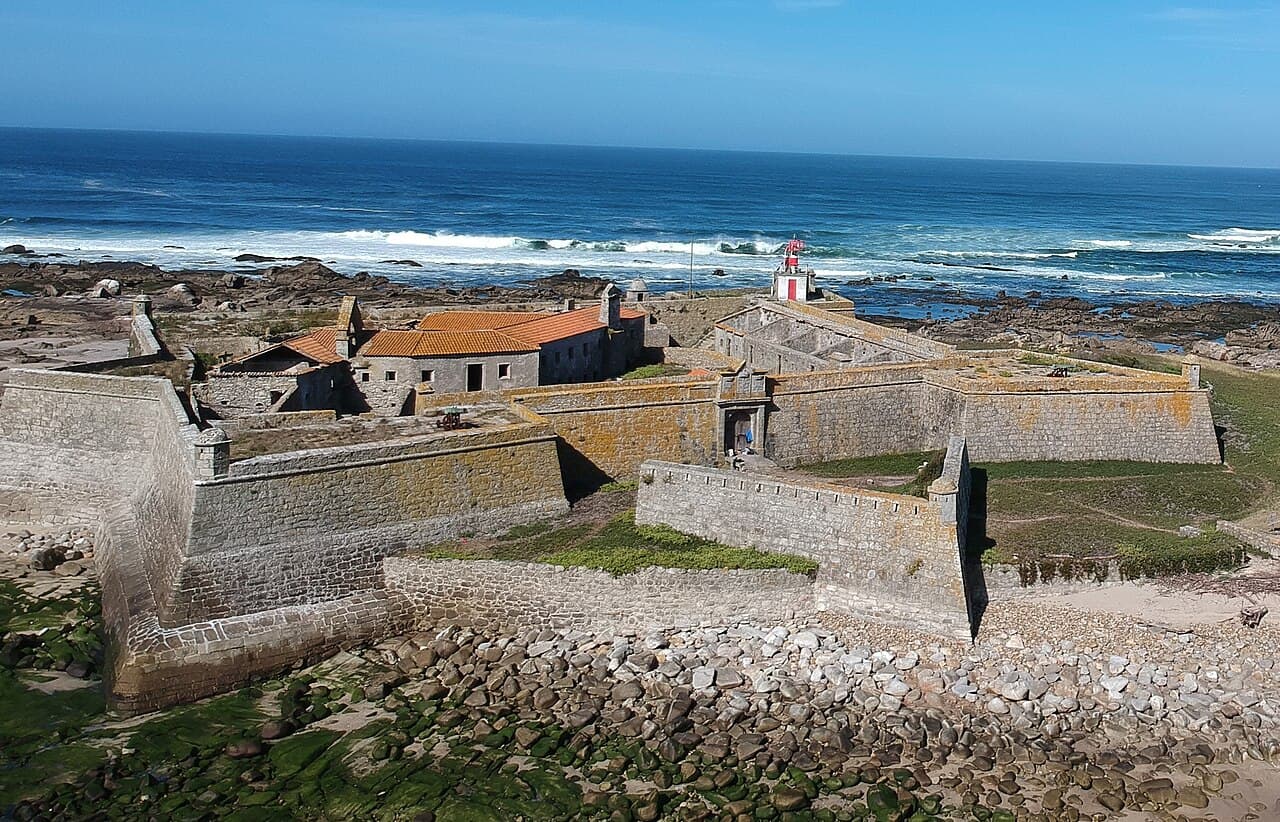
The Fort Nossa Senhora da Ínsua, commonly known as Ínsua Fort, is a distinctive bastioned fortress situated on the small island of Ínsua de Santo Isidro in the parish of União das Freguesias de Moledo e Cristelo, within the municipality of Caminha, in the Viana do Castelo district of northern Portugal. This fortification is notable for its rare combination of a monastery complex integrated with a modern bastion fortress, making it one of only two such examples in Portugal alongside the Berlengas Fort.
Historical background and strategic importance
Constructed during the 17th century, the Forte da Ínsua was built primarily to defend the Minho River estuary and the northern coast of Portugal from naval incursions and pirate attacks. Its strategic location on an island at the river mouth allowed it to control maritime access and protect the important trade routes and coastal settlements nearby.
The fort was established as part of a broader effort by the Portuguese crown to modernize coastal defenses following the restoration of Portuguese independence from Spain in 1640. It served both military and religious purposes, housing a monastery of the Order of Saint Benedict, which contributed to the spiritual life of the garrison and the local community.
Architectural features and design
Forte da Ínsua exemplifies the bastioned fortress style characteristic of the post-medieval period, incorporating angular bastions designed to deflect artillery fire and provide overlapping fields of fire for the defenders. The fort's walls are robust and thick, constructed with stone masonry, and surrounded by a moat that further enhanced its defensive capabilities.
The layout includes a compact star-shaped plan typical of bastioned forts, with bastions positioned at the corners to cover all approaches. The fort also incorporates the remains of the monastic buildings, including a chapel and living quarters, which are integrated within the defensive walls.
Inside the fortress, visitors can find a central courtyard, barracks, and storage facilities that supported the garrison stationed there. The architectural style reflects a blend of military engineering principles with religious architectural elements, creating a unique fusion of function and form.
Cultural significance and preservation
The Forte da Ínsua has been classified as a National Monument since 1910, recognizing its importance as a cultural and historical landmark. It stands as a testament to Portugal's maritime defense strategies during the 17th century and its religious heritage through the presence of the Benedictine monastery.
Today, the fort is partially preserved and accessible to visitors, offering insight into the military architecture of the era and the monastic life that once thrived on the island. Conservation efforts have focused on maintaining the structural integrity of the bastions and the monastery ruins, ensuring that this rare example of a combined fortress-monastery remains a point of interest for historians, architects, and tourists alike.
Visiting forte da ínsua
Visitors to Forte da Ínsua can explore the island and its fortifications, enjoying panoramic views of the Minho River and the Atlantic Ocean. The site provides a unique opportunity to appreciate the integration of religious and military architecture in a coastal defense setting.
Access to the island is typically by boat from the nearby town of Caminha, and visitors are advised to check local schedules and weather conditions. The fort's remote location and historical significance make it a compelling destination for those interested in Portuguese history, coastal fortifications, and monastic heritage.
Photo gallery

Information
Loading map...
Visitor reviews
No reviews yet. Been here? Write the first review and help other travelers!
Write the first reviewVisited this castle? Share your experience
Your review helps other travelers and adds first-hand knowledge to our encyclopedia.