Sanok
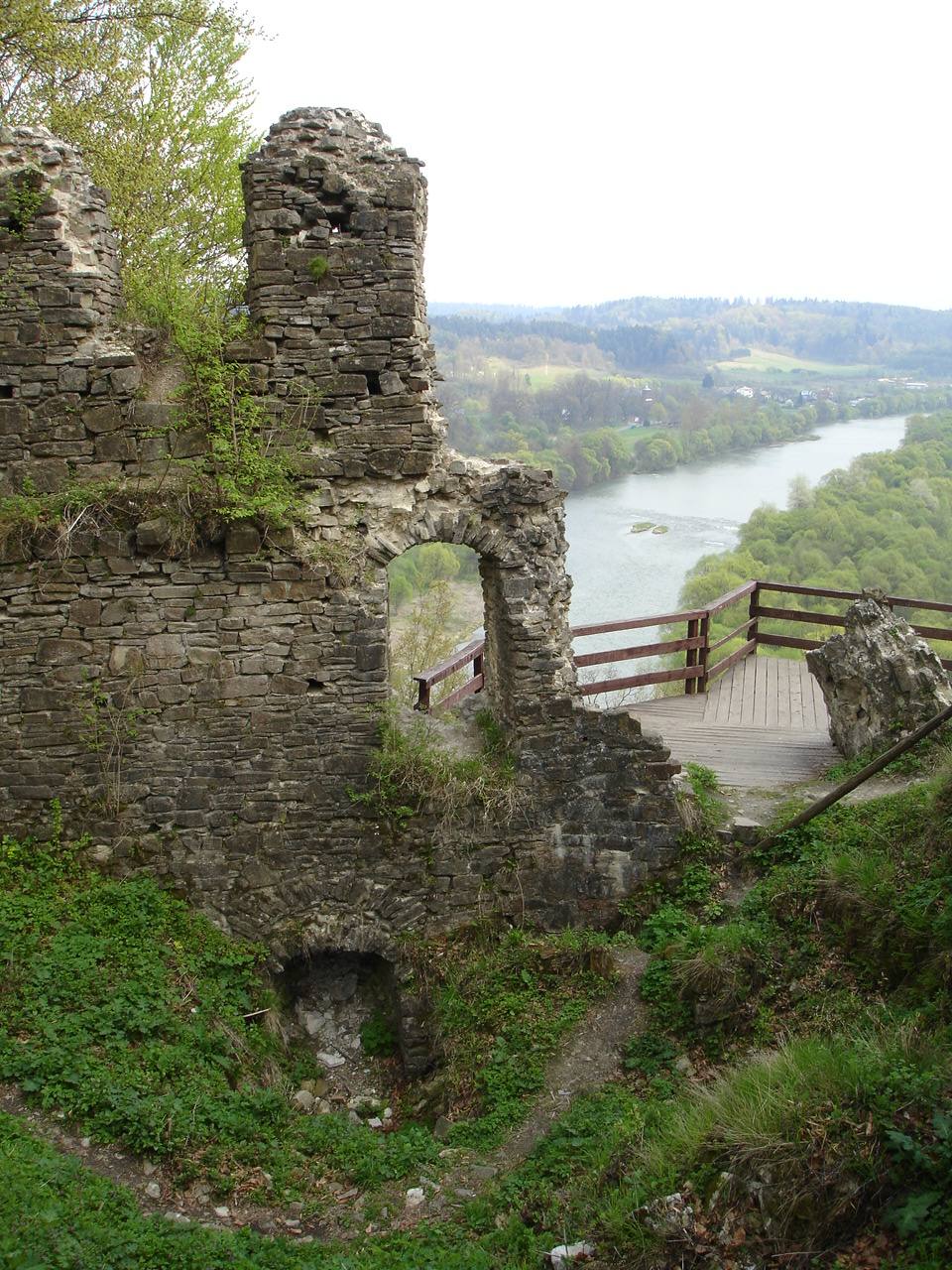
Sanok Castle stands prominently on a steep hill 317 meters above sea level in Sanok, Poland, overlooking the San River valley. This late medieval hill castle has a rich history dating back to the 12th century, with its earliest mention recorded in the Hypatian Codex around 1150. Originally a wooden stronghold of the Ruthenians, it was destroyed during the Tatar invasion of 1241. The site evolved into a significant stone fortress in the 14th century under the reign of King Casimir III the Great, marking the transition from a wooden fortification to a permanent royal residence and administrative center.
Medieval origins and early history
The earliest fortifications in the Sanok area were initially located not on the castle hill itself, but about four kilometers away at a site called Horodyszcze in the village of Trepcza. This original stronghold, mentioned in chronicles, was destroyed likely during the tatar raids of 1259-1260. After these events, the center of local power shifted to the current castle hill, which had a smaller defensive fortification during the early medieval period. The town of Sanok was granted Magdeburg city rights in 1339 by Duke Bolesław Jerzy Trojdenowicz, reflecting its growing importance.
In 1340, the region known as Red Ruthenia was incorporated into the Polish Crown by King Casimir III. Soon after, the king ordered the construction of a Gothic stone castle on the northern part of the hill. Archaeological excavations have uncovered foundations of a single-wing residential building on the eastern side and another building on the western side of the hill. A notable feature was a sandstone tower on the northern edge, with walls three meters thick, square at the base (10x10 meters) and cylindrical at the top, surrounded by a thick stone curtain wall and a defensive moat with a gatehouse and drawbridge.
Royal residence and political significance
Sanok Castle rose to prominence as a royal residence and administrative seat. On May 2, 1417, King Władysław Jagiełło celebrated his wedding with his third wife, Elżbieta Granowska, at the castle. Later, the castle became the widow's residence for the king's fourth wife, Queen Sophia of Halshany, who lived there until her death in 1461. This tradition established the castle as a residence for royal widows.
In 1425, the castle hosted the establishment of the Higher Court of German law, highlighting its judicial and administrative role. The castle was the seat of local starosts and castellans who governed the surrounding region.
Renaissance transformation and expansions
During the first half of the 16th century, the castle underwent a significant transformation under the direction of the starosta Mikołaj Wolski. This renovation, likely commissioned by Queen Bona Sforza, introduced Renaissance architectural elements, absorbing the earlier Gothic structure into a larger, more modern complex. Inventories from the period describe a building almost entirely rebuilt, incorporating new residential and utility buildings including an armory, stables, brewery, kitchen, bathhouse, and a stone gatehouse.
A nearly 20-meter deep castle well was constructed during this period. Towards the end of the 16th century, starosta Mikołaj Cikowski added a southern wing and a stone bastion tower, further expanding the castle’s footprint. The northern wing was added around the turn of the 18th century.
Military history and later decline
In 1636, part of the castle’s structure collapsed into the San River, and the castle was already in a state of neglect requiring repairs. Despite this, the fortress played a role during the Napoleonic Wars, successfully resisting Austrian forces under the leadership of General Franciszek Ksawery Krasicki, a notable figure in the anti-Austrian uprising in the Sanok region.
During the Austrian partition, many buildings within the castle courtyard were demolished, leaving only the heavily modified main building intact. The southern wing was destroyed in 1915 during the Russian invasion of World War I.
Museum establishment and modern restoration
In 1934, the castle became the home of the Museum of the Sanok Land, founded by the Society of Friends of the Sanok Region. It initially housed collections related to the history, weapons, and art of the region. The museum was renamed the Historical Museum in Sanok in 1968.
World War II brought devastation as the castle was looted by German forces in 1939 and later used as a Lemko Museum during the occupation. German military bunkers were constructed on the castle hill as part of the defensive Molotov Line. After the war, the castle was used for military purposes before comprehensive restoration began in the 1960s.
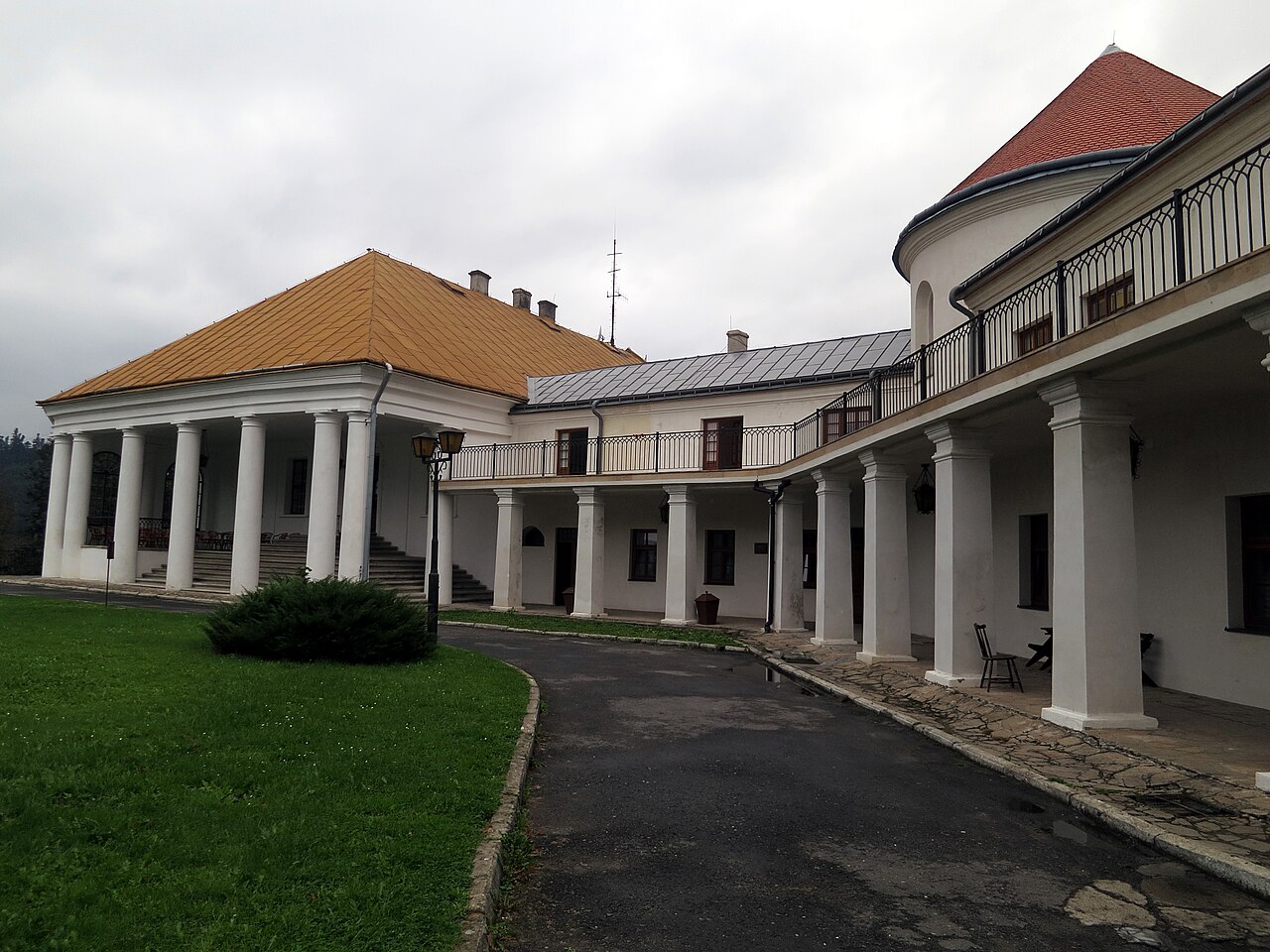
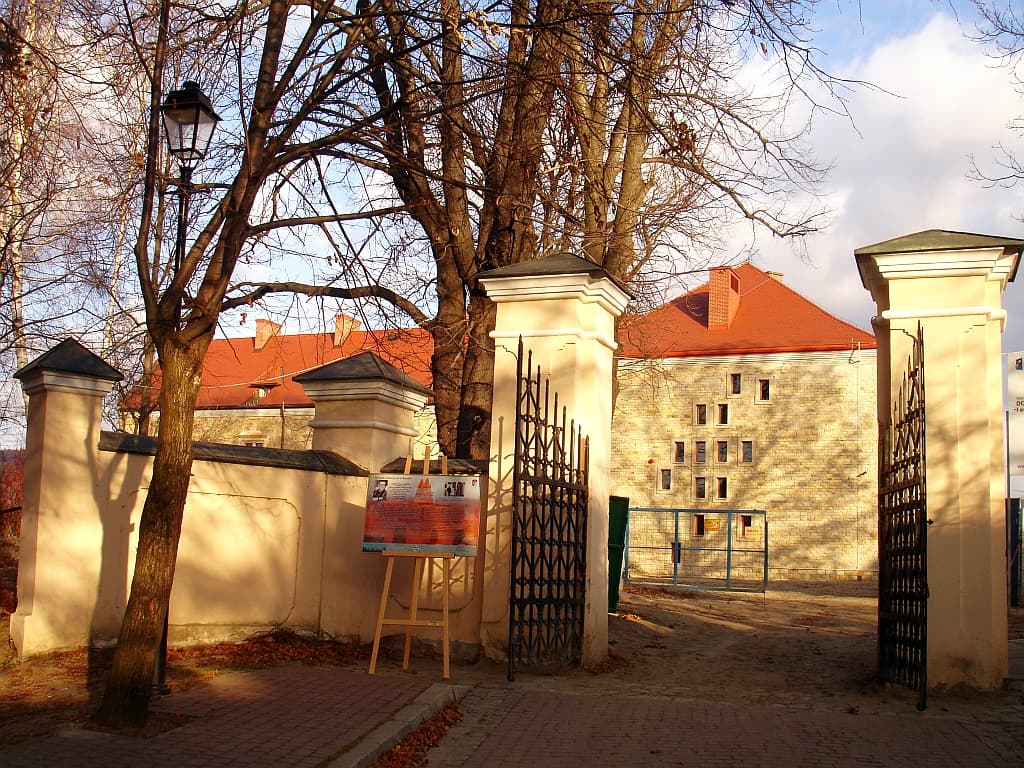
From the 1990s onwards, extensive conservation and reconstruction efforts aimed to restore the castle’s appearance to its 1558 Renaissance form. This included rebuilding Renaissance portals, stone window frames, wooden ceilings, and brick floors. The southern wing reconstruction began in 2010 and was completed in 2012, allowing the opening of the Zdzisław Beksiński Gallery, which houses the world’s largest collection of works by this surrealist artist.
The castle grounds also feature partially restored defensive walls, Renaissance gardens, and a viewing terrace adapted from the remains of a tower bastion. Beneath the courtyard, museum spaces have been created, integrating modern exhibition facilities with the historic fabric.
Architectural features and archaeological significance
The castle complex reveals layers of architectural evolution from its medieval origins to Renaissance grandeur. The original Gothic castle was characterized by a two-story residential building with vaulted cellars used for judicial purposes, a prison tower, and a surrounding stone curtain wall. The Renaissance reconstruction introduced stylistic refinements and expanded functional spaces, reflecting changing tastes and administrative needs.
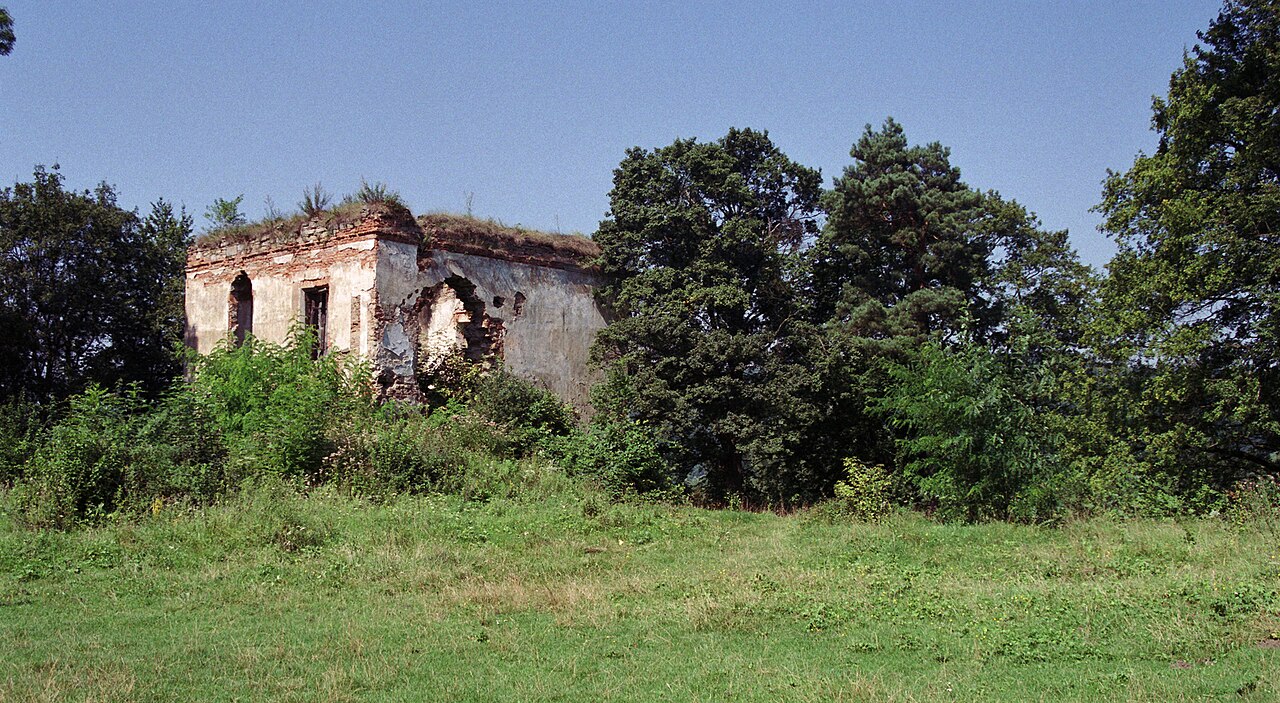
Archaeological excavations have uncovered the foundations of the Kazimierz Tower and the site of the demolished 15th-century Orthodox Church of St. Demetrius along with its cemetery, shedding light on the religious and cultural history of the site. Defensive earthworks and moats remain visible in some areas, illustrating the castle’s strategic design.
Building materials primarily include locally sourced stone for medieval structures, while later restorations sometimes utilized less historically accurate masonry, affecting the visual coherence. The castle’s silhouette today is shaped by the absence of a planned viewing tower that was never completed.
Cultural heritage and museum collections
Today, Sanok Castle serves as a vital cultural institution preserving the rich heritage of the region. Its museum collections include nearly 200 Lemko religious icons, representing the spiritual traditions of the local ethnic group. The castle’s role as a gallery for Zdzisław Beksiński’s works further enhances its cultural significance, attracting visitors interested in both history and modern art.
Sanok Castle stands as a remarkable example of a hill castle that has adapted through centuries of political change, warfare, and cultural shifts. Its restoration and ongoing archaeological research continue to reveal new insights into the complex history of this important fortification in southeastern Poland.
Frequently asked questions (FAQ)
- What is the historical significance of Sanok Castle?
- Sanok Castle, located in the picturesque town of Sanok, Poland, dates back to the 14th century and played a pivotal role in regional defense and governance. It served as a royal residence and later as a seat for the local administration, reflecting the rich history and culture of the region.
- When was Sanok Castle built?
- Sanok Castle was originally constructed in the 14th century, with its earliest records dating back to 1382. Over the centuries, it underwent various modifications and renovations, adapting to the changing needs of its occupants and the evolving architectural styles.
- What are the opening hours for visiting Sanok Castle?
- Sanok Castle is typically open to visitors from 10 AM to 6 PM during the summer months and operates on reduced hours in the winter. It's advisable to check the official website or contact the castle directly for the most current visiting hours and any seasonal changes.
- Can I buy tickets in advance for Sanok Castle?
- Yes, tickets for Sanok Castle can be purchased in advance through the official website or at the castle entrance. Buying tickets ahead of time can help you avoid long lines, especially during peak tourist seasons.
- Is it possible to explore the castle grounds without a guided tour?
- Visitors can explore the castle grounds at their own pace, although guided tours are available for those who wish to learn more about the site's history and architecture. Self-guided exploration allows for a personalized experience of the castle's various features and stunning views of the surrounding area.
- What is the best time to visit Sanok Castle?
- The best time to visit Sanok Castle is during the spring and early autumn months when the weather is mild and the surrounding landscapes are particularly beautiful. Summer also attracts many tourists, but it can be more crowded, so plan accordingly if you prefer a quieter experience.
- Are there any nearby attractions to visit after Sanok Castle?
- Yes, after visiting Sanok Castle, you can explore the nearby Sanok Ethnographic Museum, which showcases the region's folk culture and traditions. Additionally, the picturesque Bieszczady Mountains are just a short drive away, offering stunning natural scenery and outdoor activities.
- How do I access Sanok Castle if I have mobility concerns?
- Sanok Castle has made efforts to improve accessibility for visitors with mobility concerns, including ramps and designated paths. However, due to the historical nature of the site, some areas may still present challenges, so it's recommended to contact the castle in advance for specific accessibility information.
- What architectural styles can be seen at Sanok Castle?
- Sanok Castle features a blend of architectural styles, primarily Gothic and Renaissance, reflecting its long history and the various renovations it has undergone. Visitors can admire its impressive stone walls, towers, and unique design elements that tell the story of its evolution over the centuries.
Photo gallery

Information
Website
Visit websiteSources & official resources
Verify the information above using these authoritative references.
Loading map...
Visitor reviews
No reviews yet. Been here? Write the first review and help other travelers!
Write the first reviewVisited this castle? Share your experience
Your review helps other travelers and adds first-hand knowledge to our encyclopedia.