Sanlúcar de Guadiana Castle
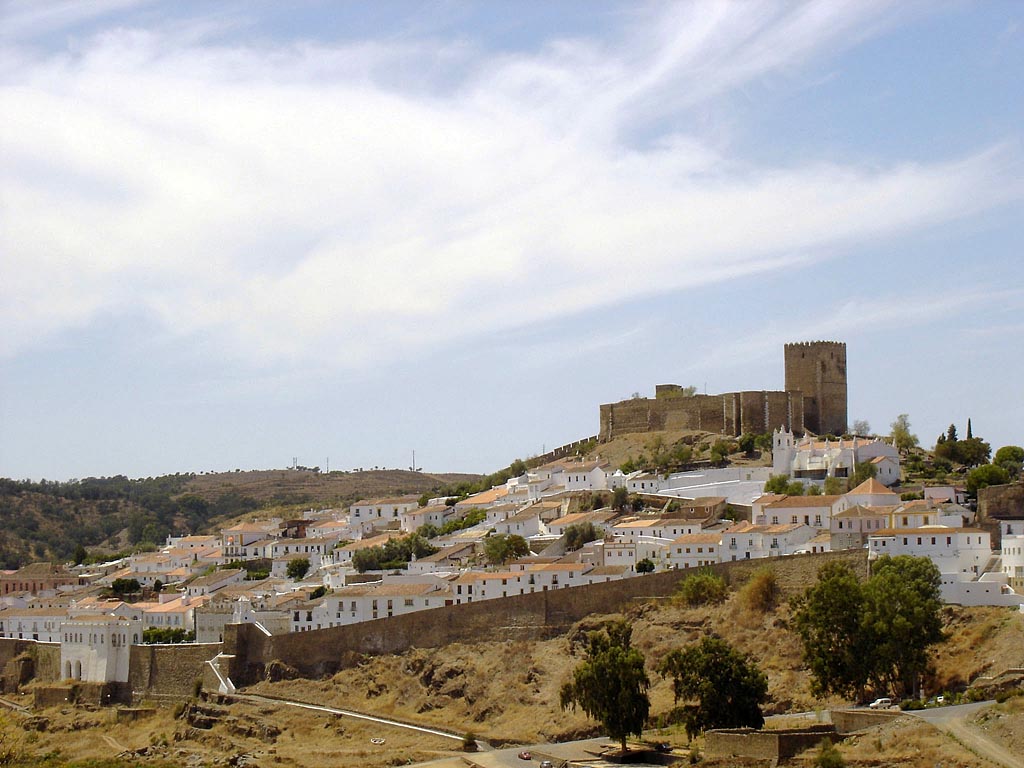
Sanlúcar de Guadiana castle is a historic fortress located in the town of Sanlúcar de Guadiana, in southwestern Spain, near the Portuguese border. This seventeenth-century castle was constructed around 1642 under the direction of Jerónimo Ró as part of efforts to fortify the village against incursions by Portuguese troops during a turbulent period of border conflicts between Spain and Portugal.
Historical context and construction
The castle's origins lie in the context of the Iberian Peninsula's complex military and political struggles during the 17th century, particularly the Portuguese Restoration War (1640–1668) when Portugal sought independence from Spanish rule. The fortification was strategically positioned to defend the village and monitor the nearby Guadiana River, a key geographic landmark and natural border between the two kingdoms.
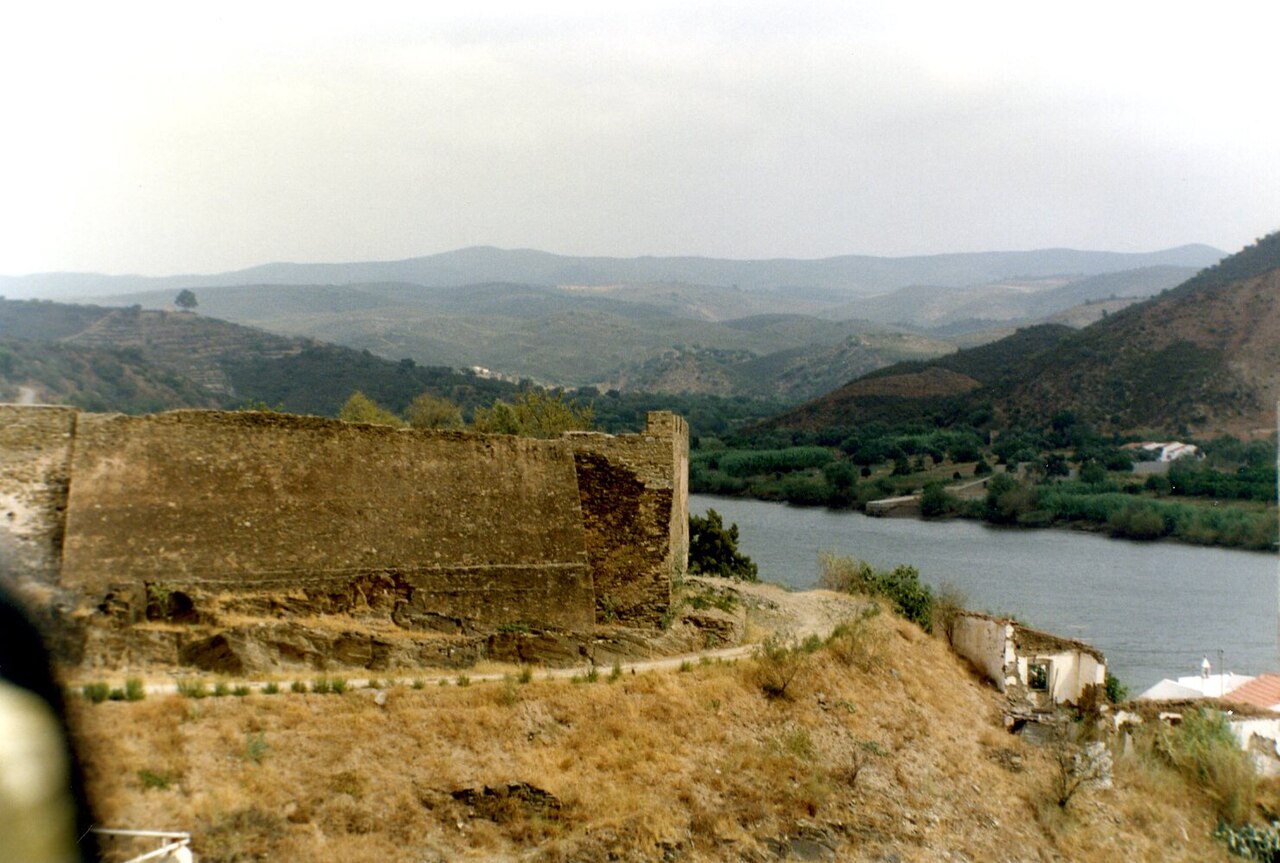
Built primarily of stone masonry, the castle exhibits a robust and functional design typical of Renaissance military architecture adapted to the needs of the era's artillery warfare. The structure's walls and defensive elements reflect the evolving military technologies and the need for strong fortifications along contested frontiers.
Architectural features and renovations
The castle is characterized by its stone construction with varied finishes that indicate different phases of renovation and repair over time. Initially built as a fortress with defensive walls and bastions, the castle underwent significant modifications in the 18th century.
In 1741, the west crescent of the castle was reformed under the supervision of Ignacio Sala, who updated the fortifications to better withstand contemporary military threats. These renovations reflect the transition in fortress design from medieval to early modern military architecture, incorporating angled bastions and improved artillery positions.
Layout and defensive elements
The castle's layout includes a crescent-shaped bastion on the west side, which was a key focus of the 18th-century reforms. The walls are thick and constructed to absorb cannon fire, with embrasures and platforms for artillery placement. The fortress also likely included a moat or natural defensive barriers given its strategic riverside location, although specific details on water defenses are limited.
Military significance and historical events
Sanlúcar de Guadiana castle played a significant role in the military history of the region. In 1666, during ongoing hostilities, the fort fell into Portuguese hands, illustrating its contested nature and strategic importance. Control of the castle changed as the border conflicts between Spain and Portugal evolved.
The castle remained a military asset through the 17th and 18th centuries, adapting to the changing nature of warfare. Its location allowed it to serve as a lookout and defensive post overseeing the Guadiana River, which was vital for controlling movement and trade between the two countries.
Current condition and preservation
Today, the castle is partially preserved, with much of its stone structure still visible. The different finishes on the stonework reveal the layers of history and renovation it has undergone. While not fully restored, the site remains an important cultural and historical landmark in the region, attracting visitors interested in military architecture and Iberian history.
The castle's preservation allows for study of its architectural evolution from the Renaissance period through its 18th-century modifications, providing insight into the military strategies and construction techniques of the time.
Visiting Sanlúcar de Guadiana castle
Visitors to Sanlúcar de Guadiana can explore the castle ruins and enjoy views of the Guadiana River and surrounding landscape. The site offers a tangible connection to the region's turbulent history and the military efforts to control the border area. While facilities may be limited due to the castle's condition, the location itself is of significant interest to history enthusiasts and those exploring the borderlands of Spain and Portugal.
Frequently asked questions (FAQ)
- When was Sanlúcar de Guadiana castle built?
- Sanlúcar de Guadiana castle was constructed around 1642 during the seventeenth century to strengthen defenses against Portuguese troops.
- What architectural style does the castle represent?
- The castle primarily reflects Renaissance military architecture with later 18th-century modifications incorporating early modern fortress design elements.
- Can visitors access the castle today?
- Yes, the castle is partially preserved and open to visitors who can explore the ruins and enjoy views of the Guadiana River and surrounding landscape.
- What significant historical events involved the castle?
- The castle was captured by Portuguese forces in 1666 during border conflicts and was later renovated in 1741 to improve its defenses.
- Where is Sanlúcar de Guadiana castle located?
- The castle is located in the town of Sanlúcar de Guadiana in Andalusia, Spain, near the border with Portugal.
Information
Loading map...
Visitor reviews
No reviews yet. Been here? Write the first review and help other travelers!
Write the first reviewVisited this castle? Share your experience
Your review helps other travelers and adds first-hand knowledge to our encyclopedia.