Salzburg Museum
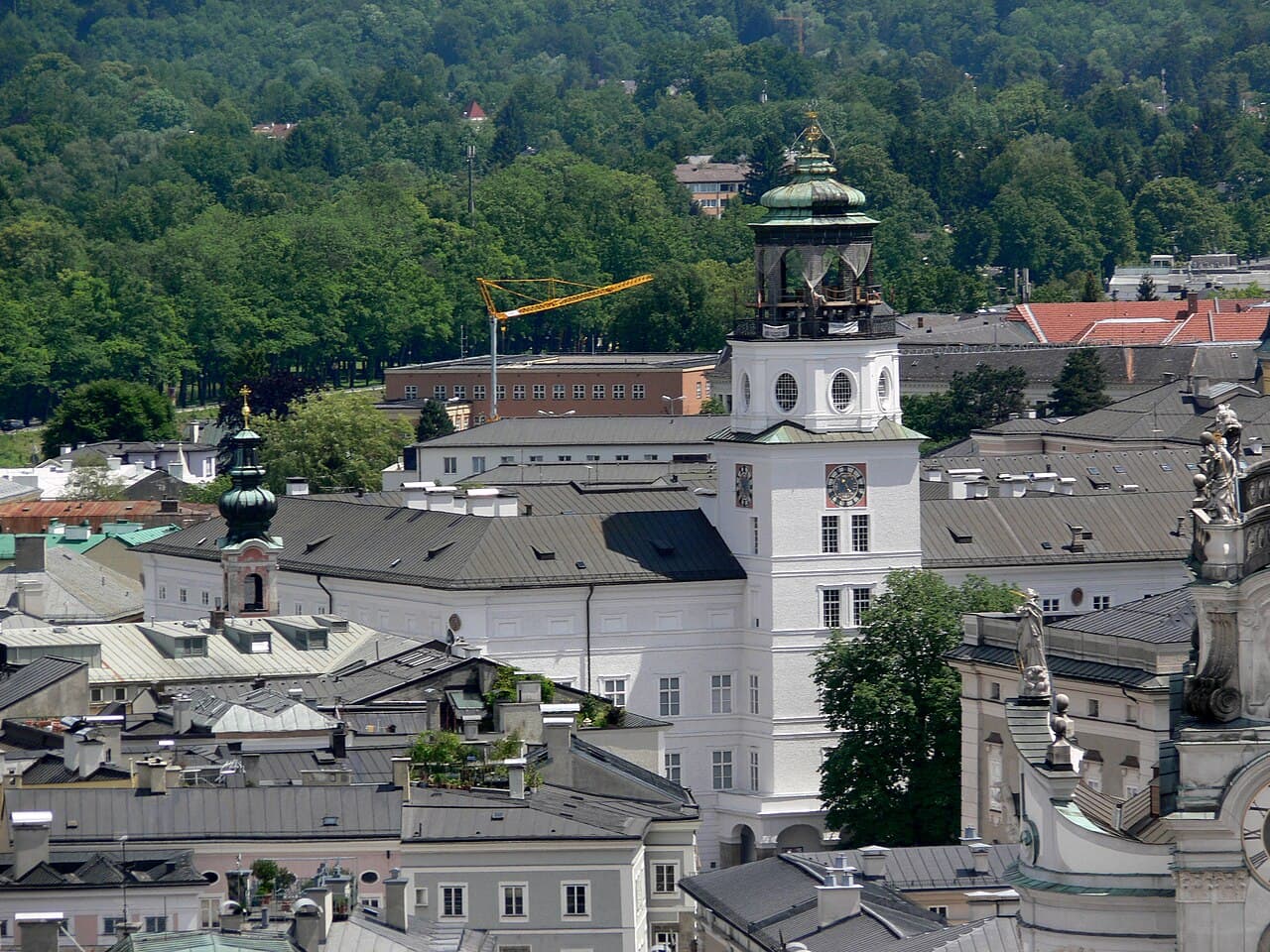
The Salzburg Museum, housed since 2007 in the magnificent New Residence (Neuen Residenz) on Mozart Square, serves as the premier museum of artistic and cultural history for the city and region of Salzburg, Austria. Established originally in 1834, the museum began as a modest collection of military memorabilia commemorating the Napoleonic wars. Over time, it evolved into the official town museum after the 1848 revolution, expanding its scope to include a rich array of artistic objects, historical artifacts, and multimedia presentations that highlight Salzburg's unique cultural heritage.
The museum's location in the New Residence situates it within the heart of Salzburg's historic center, an area renowned for its baroque architecture and profound ecclesiastical history. The museum's innovative exhibition concept blends valuable art objects, aesthetic installations, and interactive multimedia elements, creating a harmonious and engaging visitor experience that reflects Salzburg's multifaceted history.
Salzburg Residenz: the seat of ecclesiastical power
The Salzburg Residenz is a sprawling palace complex that served as the residence and administrative center for the Prince-Archbishops of Salzburg for centuries. Its origins trace back to the early 12th century, with the first documented reference around 1120 when Archbishop Conrad I relocated the bishop's official residence from St. Peter’s Abbey to its present site near the Salzburg Cathedral. This relocation marked the beginning of the Residenz's long-standing role as the political and religious hub of Salzburg.
Architectural evolution and Renaissance transformation
The Residenz underwent significant architectural transformations, most notably around 1600 under the direction of Archbishop Wolf Dietrich von Raitenau. Influenced by Renaissance ideals and possibly designed with input from the Venetian architect Vincenzo Scamozzi, who visited Salzburg in 1603 and 1604, the palace was extensively remodeled. This phase introduced key elements such as the grand marble staircase and the Carabinieri-Saal, a large ceremonial hall that connected the palace to the adjacent Franziskanerkirche and courtyard.
Subsequent Prince-Archbishops, including Markus Sittikus and Paris Lodron, continued to expand and refine the palace, adding Baroque flourishes and elaborate interior decorations. The interiors were richly adorned with frescoes, stucco work, and paintings by prominent artists such as Johann Michael Rottmayr and Martino Altomonte during the late 17th and early 18th centuries, which celebrated themes like the life of Alexander the Great and classical mythology.
Key architectural features and interior spaces
The Residenz is organized around four main courtyards: the central Haupthof (main courtyard), the Toskanatrakt courtyard, the former Dietrichsruh garden courtyard, and a smaller courtyard adjoining the Wallistrakt. The main courtyard is notable for its arcade and the Hercules fountain, as well as the grand marble staircase leading to the principal state rooms on the second floor.
Among the palace's most impressive halls is the Carabinierisaal (Carabinieri Hall), the largest hall in the complex, featuring a richly decorated stucco ceiling by Francesco and Carlo Brenno and Antonio Carabelli, along with a ceiling fresco by Rottmayr depicting the four classical elements and scenes from Virgil's Aeneid. The Rittersaal (Knights’ Hall) displays paintings illustrating episodes from Alexander the Great’s life and his horse Bucephalus, while the Konferenzsaal (Conference Hall) contains a ceiling painting by Martino Altomonte portraying Alexander at the Battle of Granicus. The Audienzsaal (Audience Hall) is adorned with gilded ceiling paintings and Brussels tapestries featuring Archbishop Wolf Dietrich’s coat of arms.
Smaller chambers include the Retirada, a private living and working room decorated with ceiling paintings by Altomonte, and a small chapel with a dome vault fresco by Rottmayr and an altar likely designed by architect Antonio Beduzzi in 1711.
Gardens and external features
The Dietrichsruh garden, created between 1605 and 1612, was a Renaissance garden complex featuring walled courtyards, water features, artificial grottos, and a garden hall or Sala terrena with open arcades and a fountain. Though much altered by the late 18th century, remnants such as a grotto with a Hercules statue remain, illustrating the garden's original grandeur.
The Wallistrakt, part of the northern section of the complex, was originally built as private apartments for Archbishop Wolf Dietrich. Its reconstruction in the 20th century preserved the exterior walls and some garden enclosures, though many interior features were lost.
Salzburg cathedral and its architectural significance
The Salzburg Cathedral stands as one of the city's most significant ecclesiastical buildings, embodying early Baroque architecture north of the Alps. Its origins date back to 767 when Bishop Virgil established the first cathedral on the site of the Roman city Juvavum. The cathedral has undergone multiple reconstructions due to fires and expansions, notably after the fire of 1598, when Archbishop Wolf Dietrich initiated a Baroque redesign.
Architect Santino Solari was commissioned by Archbishop Markus Sittikus to rebuild the cathedral, which was consecrated in 1628 by Archbishop Paris Lodron. The cathedral's impressive façade, dome, and interior elements such as the baptismal font where Wolfgang Amadeus Mozart was baptized, the grand organ, and the richly decorated portals contribute to its architectural and cultural importance.
Historical events and cultural impact
The cathedral has witnessed key historical events, including its near-destruction during World War II bombings in 1944 and subsequent restoration completed in 1959. It also played a central role in Salzburg's religious and cultural life, with Mozart composing sacred music for its services and performing in its vicinity.
Salzburg old town and UNESCO heritage
Salzburg's Old Town (Altstadt) is internationally acclaimed for its baroque architecture and was designated a UNESCO World Heritage Site in 1997. It represents an exceptionally well-preserved example of an ecclesiastical city-state from the Holy Roman Empire era. The urban fabric and monumental buildings, including the Residenz, Cathedral, Franciscan Abbey, and St. Peter's Abbey, showcase the city's historical significance and architectural richness.
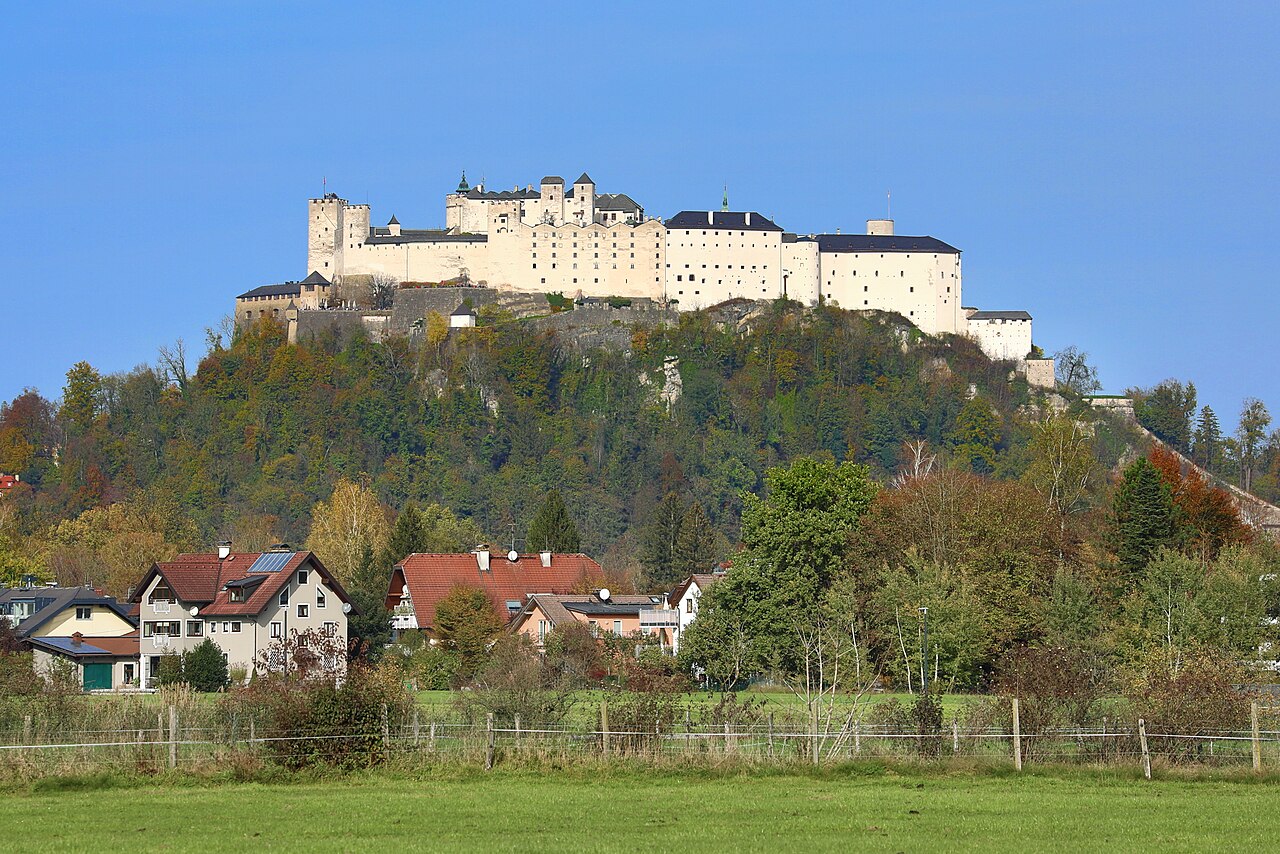
The Old Town's distinctive skyline, featuring numerous spires and domes set against a mountainous backdrop, is dominated by the HohenSalzburg Fortress. The cityscape reflects the cultural confluence of Italian and German influences, largely shaped by architects such as Vincenzo Scamozzi and Santino Solari.
Architectural and cultural legacy
The Old Town's layout reveals a clear separation between the prince-archbishops' lands, characterized by monumental buildings and open spaces like the Domplatz, and the burghers' quarters with their narrow streets and small plots. This division underscores the social and political structure of Salzburg's past. The preservation of Gothic and Baroque architecture, alongside associations with renowned figures such as Wolfgang Amadeus Mozart, enriches Salzburg's cultural heritage and attracts visitors worldwide.
Frequently asked questions (FAQ)
- How do I get to Salzburg Museum?
- You can reach the Salzburg Museum easily by public transport, with several bus and tram lines stopping nearby. If you prefer to walk, the museum is located in the heart of the Old Town, making it accessible from many of the city's major attractions.
- What is the historical significance of Salzburg Museum?
- Salzburg Museum is dedicated to showcasing the rich cultural history of Salzburg and its significance in European history. It houses a vast collection of artifacts that narrate the city's development from the Roman era to the present day.
- When was Salzburg Museum established?
- Salzburg Museum was established in 2001, although its roots trace back to earlier museum collections in the city. The current building underwent renovations to create a modern space for exhibitions and events.
- Can I visit Salzburg Museum with mobility issues?
- Yes, Salzburg Museum is accessible for visitors with mobility challenges. The facilities include ramps and elevators, ensuring that all guests can enjoy the exhibits comfortably.
- Why is the architecture of Salzburg Museum notable?
- The architecture of Salzburg Museum is a blend of historic and contemporary design, featuring a beautifully restored baroque building alongside modern extensions. This combination reflects the city's rich history while embracing modern aesthetics.
- Is it possible to take guided tours of Salzburg Museum?
- Yes, guided tours are available and can enhance your experience by providing deeper insights into the exhibits and the history of Salzburg. It's recommended to book in advance, especially during peak tourist seasons.
- What are the opening hours of Salzburg Museum?
- Salzburg Museum typically opens daily from 9 AM to 5 PM, with extended hours during the summer months. It's advisable to check their official website for any holiday hours or special events that may affect regular hours.
- What are the ticket prices for Salzburg Museum?
- Ticket prices for Salzburg Museum vary depending on age and group discounts, with standard adult tickets being reasonably priced. Children and students often receive reduced rates, and family tickets are also available for those visiting with kids.
- When is the best time to visit Salzburg Museum?
- The best time to visit Salzburg Museum is during the shoulder seasons of spring and fall, when the weather is mild and the crowds are smaller. However, if you enjoy festive atmospheres, visiting during the Christmas market season can also be delightful.
- Are there any nearby attractions to explore after visiting Salzburg Museum?
- Yes, after visiting Salzburg Museum, you can explore several nearby attractions such as the Hohensalzburg Fortress, Mirabell Palace, and the Getreidegasse shopping street. These sites are within walking distance and complement the historical experience of your visit.
Photo gallery

Information
Website
Visit websiteSources & official resources
Verify the information above using these authoritative references.
Loading map...
Visitor reviews
No reviews yet. Been here? Write the first review and help other travelers!
Write the first reviewVisited this castle? Share your experience
Your review helps other travelers and adds first-hand knowledge to our encyclopedia.