Salsta Castle
Salsta Castle stands as one of the finest examples of Baroque palaces in the Uppland region of Sweden. Located approximately 25 kilometers north of Uppsala, near the small locality of Vattholma, this estate has a rich history that dates back to the early Middle Ages. The earliest known settlement on the site was a fortified farm from the late 13th century, marking the beginning of a long tradition of noble ownership and architectural evolution.
The origins and early history of Salsta Castle
The estate of Salsta was first documented in the 1300s when it was owned by Magnus Greg Ersson. Over the centuries, the property passed through the hands of some of Sweden's most influential noble families, including the Oxenstierna, Bielke, and Brahe families. During the 1500s, the Bielke family erected a substantial three-storey Renaissance castle on the site, reflecting the architectural styles and defensive needs of the period.
Construction of the present castle: French Baroque influence
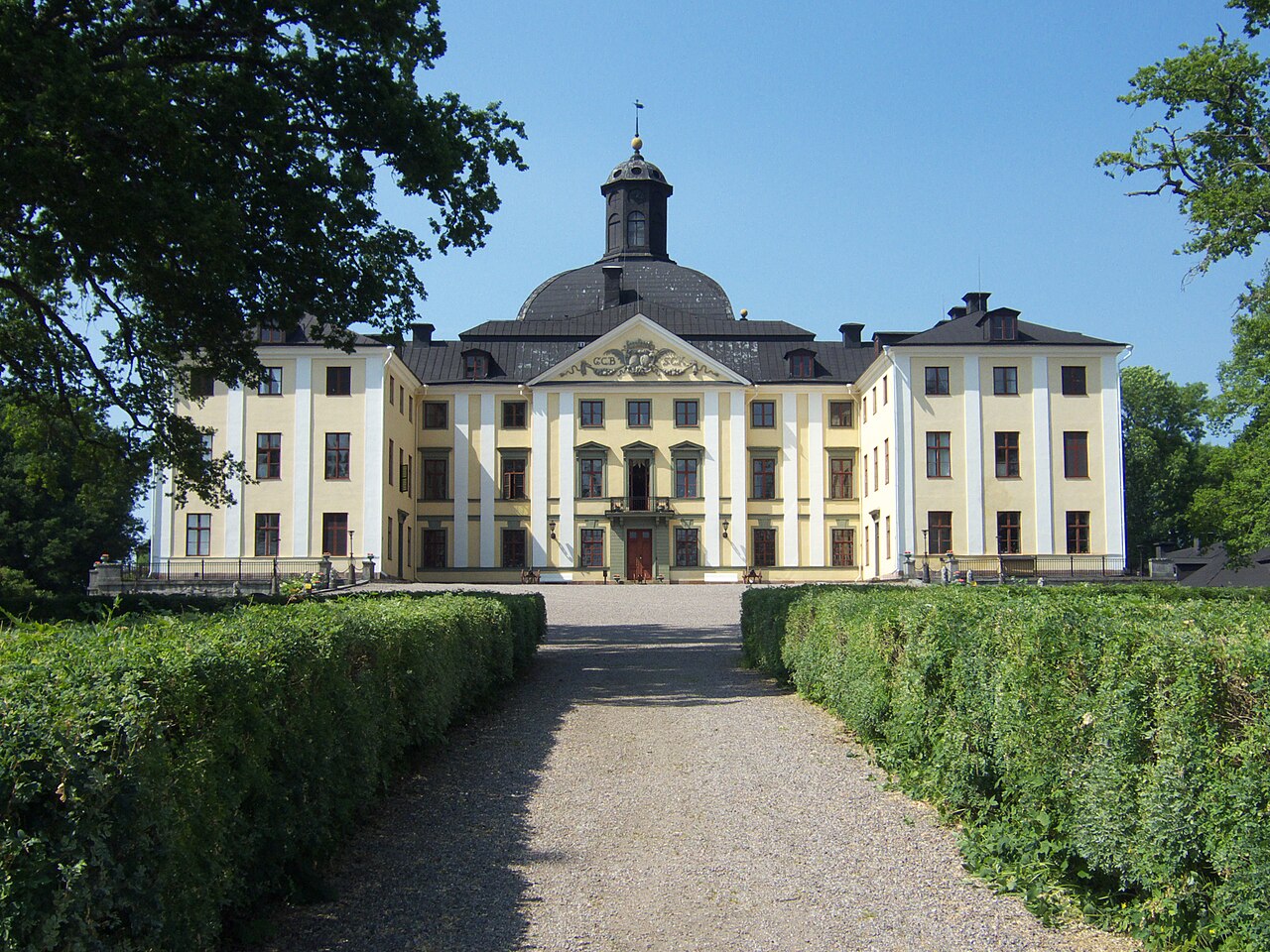
The current structure of Salsta Castle was built between 1672 and 1678 under the direction of Nils Bielke the Younger, 1st Count Bielke af Åkerö and Imperial Count of Torgelow. The building master responsible for the construction was Mathias Spihler, who worked from designs originally created by the renowned architect Nicodemus Tessin the Elder. The castle's architecture is strongly inspired by the French Baroque style, a movement characterized by grandeur, symmetry, and elaborate ornamentation.
Salsta's design was notably influenced by Vaux-le-Vicomte, a famous French chateau near Paris. This inspiration extended beyond the castle itself to the surrounding grounds, where the original Baroque garden was laid out with strict symmetry and geometric precision. Nils Bielke's visit to the Versailles park informed his vision of the garden, which originally featured formal parterres, alleys, and water features typical of the Baroque aesthetic.
The architectural features of Salsta Castle
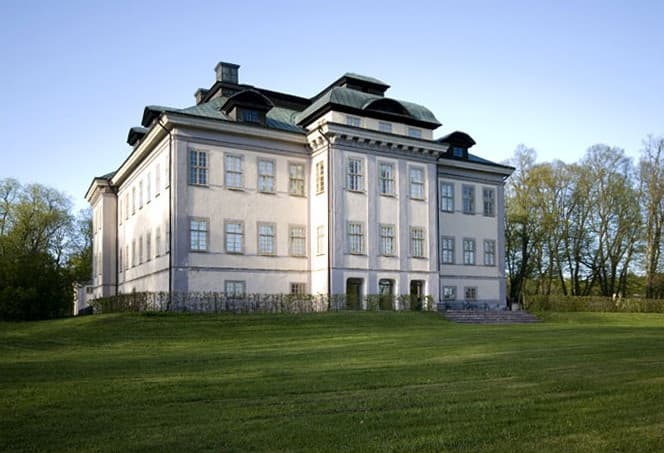
The palace is a three-storey building with a balanced and symmetrical façade, typical of the Baroque style. The use of classical elements such as pilasters, pediments, and elaborate window frames contributes to its stately appearance. The interiors, renovated extensively in the late 18th century, include richly furnished halls and modernized stoves, reflecting evolving tastes and technologies.
Gardens and landscape evolution
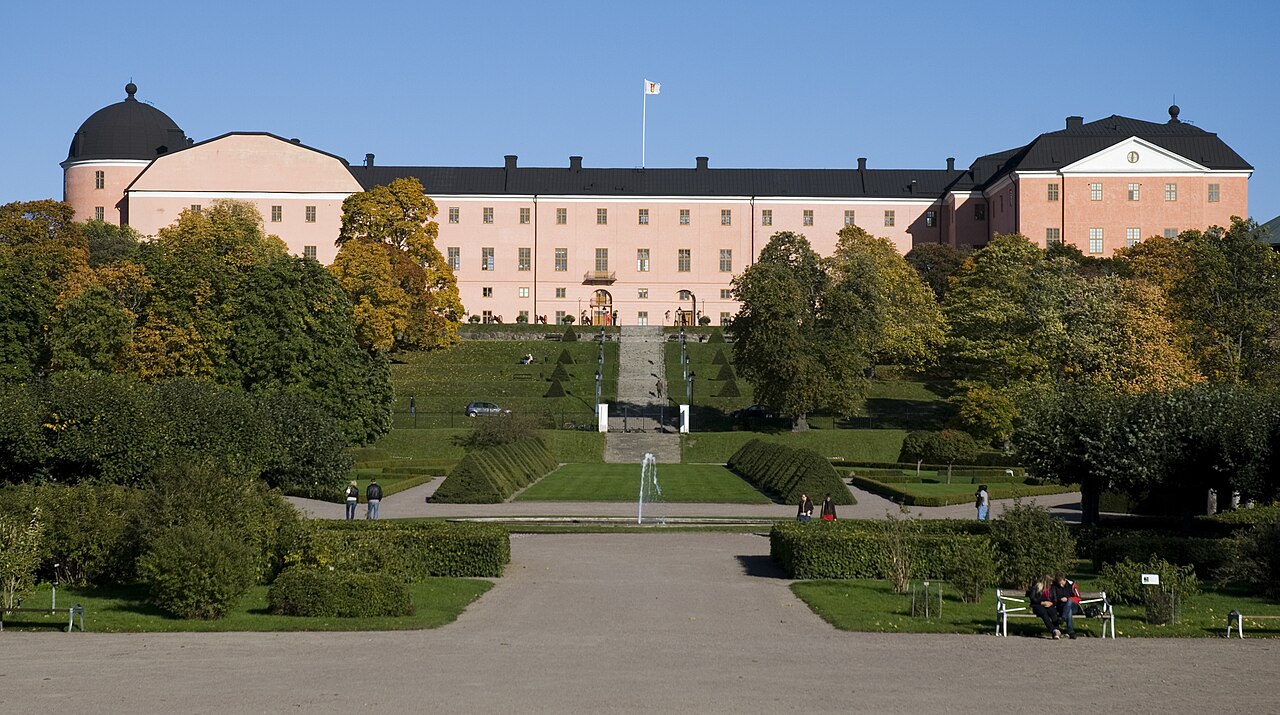
While much of the original Baroque garden has been lost, visitors can still find remnants that hint at its former grandeur. In the 19th century, the grounds were transformed into a romantic park featuring winding paths, pedestrian bridges, and a more naturalistic landscape design. This change reflected broader shifts in garden design preferences away from strict formality toward a more picturesque style.
Later history and preservation
At the end of the 18th century, Salsta Castle underwent significant renovations under the ownership of Fredrik Magnus Brahe, who also owned the nearby castles of Rydboholm and Skokloster. These renovations modernized the main floor and updated the interiors to contemporary standards.
The castle remained a private residence of the von Essen family until 1976. Since 1996, it has been managed by the National Property Board of Sweden, ensuring its preservation and public accessibility. In 1993, Salsta Castle was declared a national monument due to its well-preserved appearance and the site's long historical significance.
Significance and cultural heritage
Salsta Castle is an important example of French Baroque architecture adapted to the Swedish context. Its connection to prominent noble families, the involvement of leading architects like Nicodemus Tessin the Elder, and its carefully designed gardens make it a key site for understanding the cultural and architectural history of Sweden in the 17th and 18th centuries.
Today, the castle serves as a valuable heritage site, offering insight into aristocratic life and architectural trends of the period. Its combination of Renaissance origins and Baroque transformation illustrates the evolution of noble residences in Sweden over several centuries.
Frequently asked questions (FAQ)
- What is the best time to visit Salsta Castle?
- The best time to visit Salsta Castle is during the late spring to early autumn months when the gardens and park are most attractive. The castle grounds are ideal for leisurely walks and exploring the romantic park features.
- How do I get to Salsta Castle from Uppsala?
- Salsta Castle is located about 25 kilometers north of Uppsala. Visitors can reach it by car via local roads or by arranging for a taxi or guided tour from Uppsala.
- Is Salsta Castle open to the public?
- Yes, Salsta Castle is managed by the National Property Board and is open to visitors during specific times of the year. It is advisable to check the official website or contact the management for current opening hours and guided tour availability.
- What architectural style is Salsta Castle built in?
- Salsta Castle is built in the French Baroque style, characterized by symmetry, grandeur, and elaborate decorative elements. The design was influenced by the chateau Vaux-le-Vicomte near Paris.
- Can I visit the gardens at Salsta Castle?
- Visitors can explore the grounds of Salsta Castle, including the remnants of the original Baroque garden and the later romantic park with winding paths and pedestrian bridges.
Photo gallery

Photo by Åke Eldberg Eldberg•Public domain
Information
Current owner
National Property Board
Loading map...
Visitor reviews
No reviews yet. Been here? Write the first review and help other travelers!
Write the first reviewVisited this castle? Share your experience
Your review helps other travelers and adds first-hand knowledge to our encyclopedia.