Salnecke Castle
Salnecke Castle stands as one of the most well-preserved 17th-century castles in the historic province of Uppland, Sweden. This hill castle reflects the architectural and cultural shifts of the Renaissance period in Sweden, with construction dating back to the 1640s. Its strategic location near Örsundsbro provided both defensive advantages and control over the surrounding fertile lands.
Early history and ownership
The origins of Salnecke trace back to medieval times when it was first recorded as a farm owned by judge Karl Ingeborgasson Lejonbalk. In 1302, the property was sold to the Skokloster nunnery, marking its early connection to ecclesiastical institutions. Subsequently, ownership passed to prominent figures such as Bo Jonsson Grip, a powerful Swedish nobleman, and the monastery of St. Clare in Stockholm. The monastery retained control until 1460, when the estate transferred to archbishop Jons Bengtsson (Oxenstierna), a significant religious and political leader of the era.
Following the Reformation, which led to the dissolution of many monastic holdings, Salnecke became crown property. In 1626, King Gustav II Adolf granted the estate to councilor Filip Sadler. After Sadler's death in 1641, the property was transferred to the Grissbach family, who maintained ownership until the 1730s. Later, in the 1830s, Salnecke was acquired by Klas Samuel Jonas Gyllenadler, whose descendants continue to own the castle to this day.
Architectural features and design
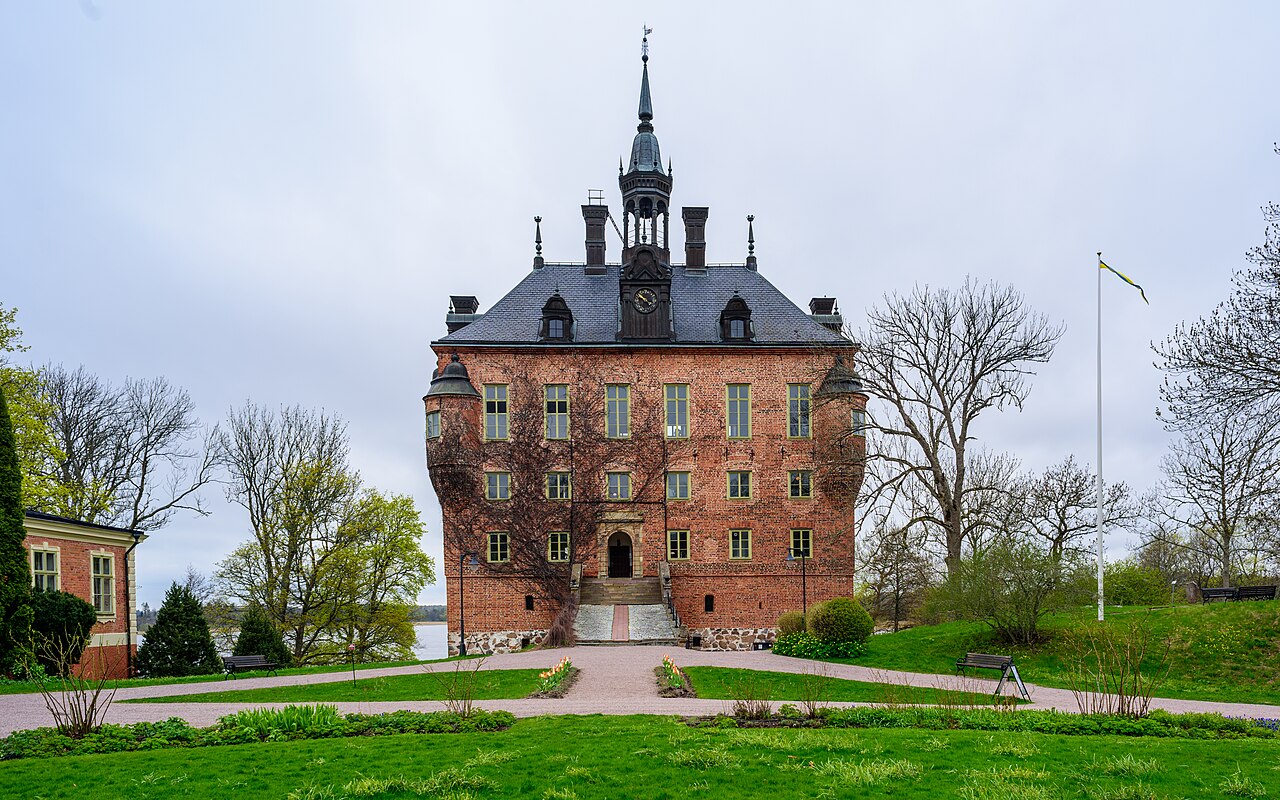
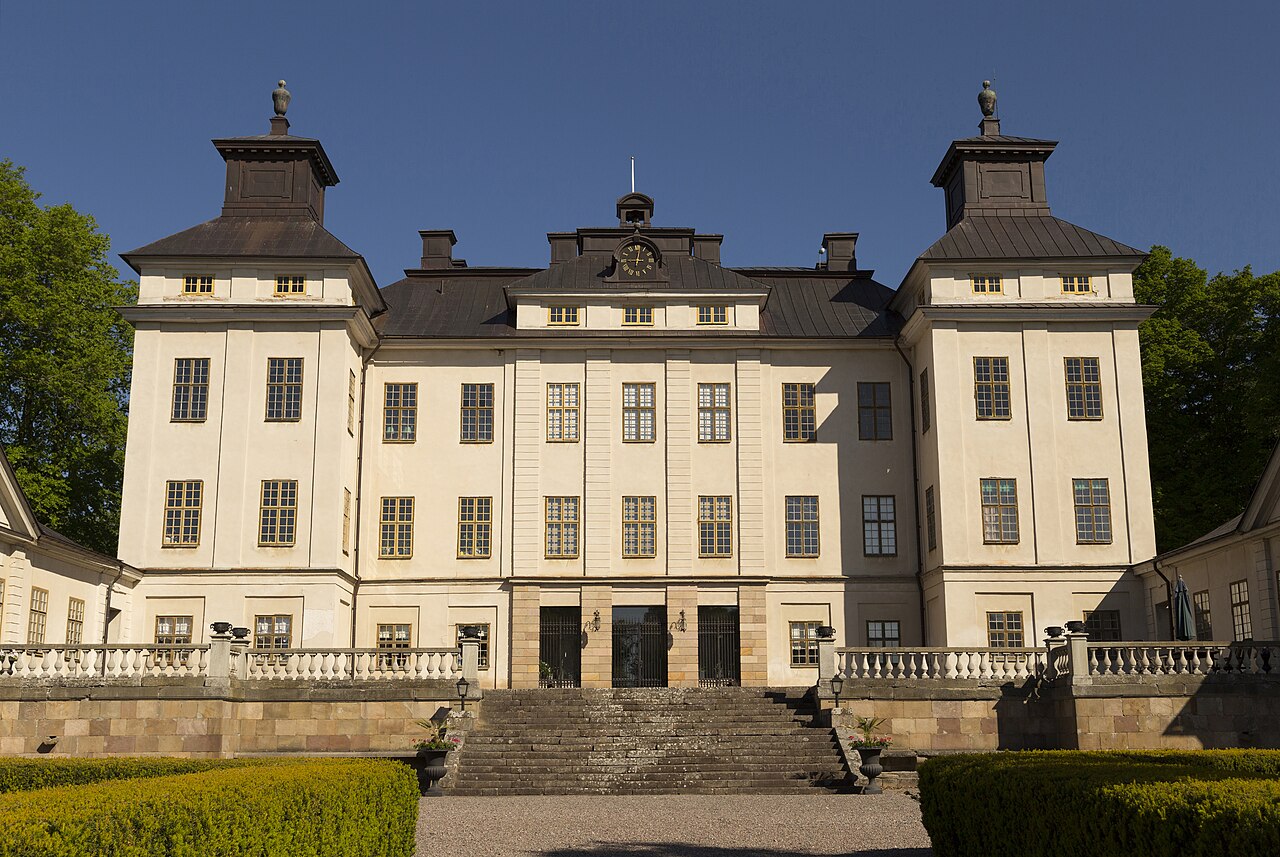
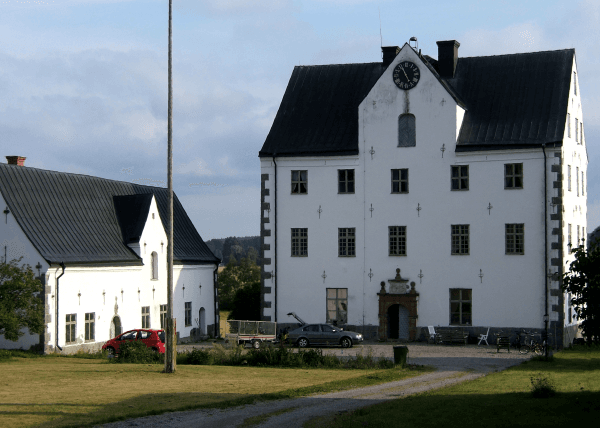
Salnecke Castle exemplifies Renaissance architecture adapted to Swedish conditions. The castle's design incorporates typical features of a hill castle, including elevated positioning for defense and visibility. Its structure includes robust stone walls, fortified towers, and a central courtyard, all characteristic of the period's military and residential architecture.
The castle layout reflects a blend of functionality and aesthetic considerations, common in Renaissance noble residences. Defensive elements such as battlements and thick walls coexist with elegant chambers and halls designed for comfort and status display. The preservation of original elements like masonry, wooden beams, and period-specific windows provides valuable insight into 17th-century construction techniques in Sweden.
Historical significance and cultural context
Salnecke Castle's history mirrors the broader political and religious transformations in Sweden from the Middle Ages through the early modern period. Its passage through ecclesiastical hands, noble families, and the crown illustrates the shifting power dynamics influenced by the Reformation and the rise of centralized monarchy under rulers like Gustav II Adolf.
The castle also reflects the social status of its owners, from medieval judges and religious institutions to influential noble families. The long-term possession by the Gyllenadler family since the 19th century underscores the continuity of Swedish aristocratic traditions and the preservation of historical estates.
Preservation and current status
Today, Salnecke Castle is recognized as a well-preserved Renaissance hill castle. Its condition allows visitors and historians to experience an authentic example of 17th-century Swedish noble architecture. The castle remains privately owned by the descendants of Klas Samuel Jonas Gyllenadler, maintaining its heritage and historical integrity.
While not broadly open to the public, Salnecke occasionally participates in cultural events and heritage programs, contributing to the appreciation of Sweden's architectural and historical legacy.
Architectural and historical legacy
Salnecke Castle stands as a testament to the architectural evolution during the Renaissance in Sweden, combining defensive features with noble residential comforts. Its continuous lineage of ownership and preservation offers a unique window into the region's history, from medieval ecclesiastical power to modern aristocratic stewardship.
The castle's enduring presence enriches the cultural landscape of Uppland and serves as a valuable resource for understanding Sweden's architectural and social history during a transformative era.
Frequently asked questions (FAQ)
- When was Salnecke Castle built?
- Salnecke Castle was constructed in the 1640s during the Renaissance period, reflecting the architectural styles of that era.
- Who were the original owners of Salnecke Castle?
- The first known owner was judge Karl Ingeborgasson Lejonbalk, followed by ecclesiastical institutions like the Skokloster nunnery and the monastery of St. Clare.
- Is Salnecke Castle open to the public?
- Salnecke Castle is privately owned and not regularly open to the public, but it participates in occasional cultural heritage events.
- What architectural style characterizes Salnecke Castle?
- The castle features Renaissance architectural elements typical of 17th-century Swedish hill castles, including fortified walls and elegant residential spaces.
- Where is Salnecke Castle located?
- Salnecke Castle is located near Örsundsbro in the historic province of Uppland, Sweden.
Photo gallery

Information
Current owner
Gyllenadler family
Loading map...
Visitor reviews
No reviews yet. Been here? Write the first review and help other travelers!
Write the first reviewVisited this castle? Share your experience
Your review helps other travelers and adds first-hand knowledge to our encyclopedia.