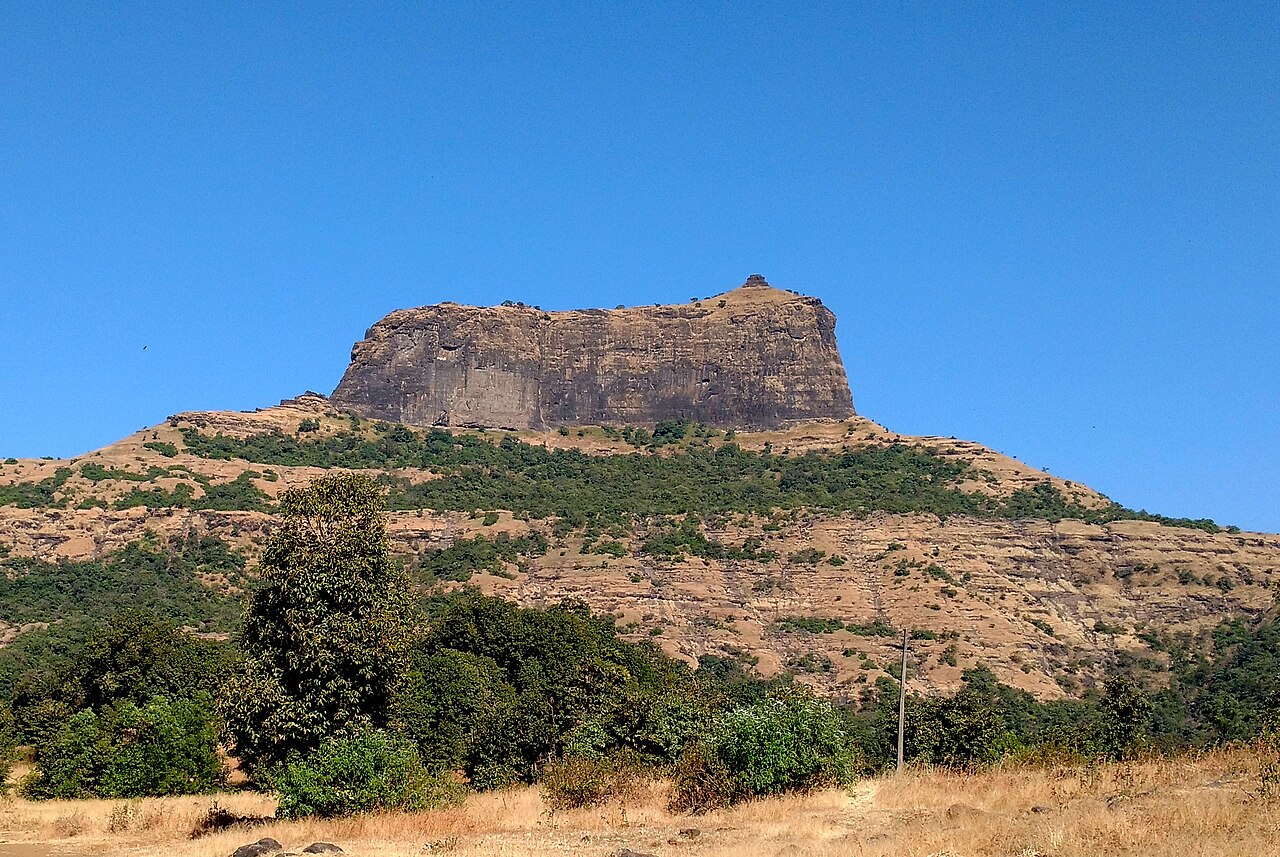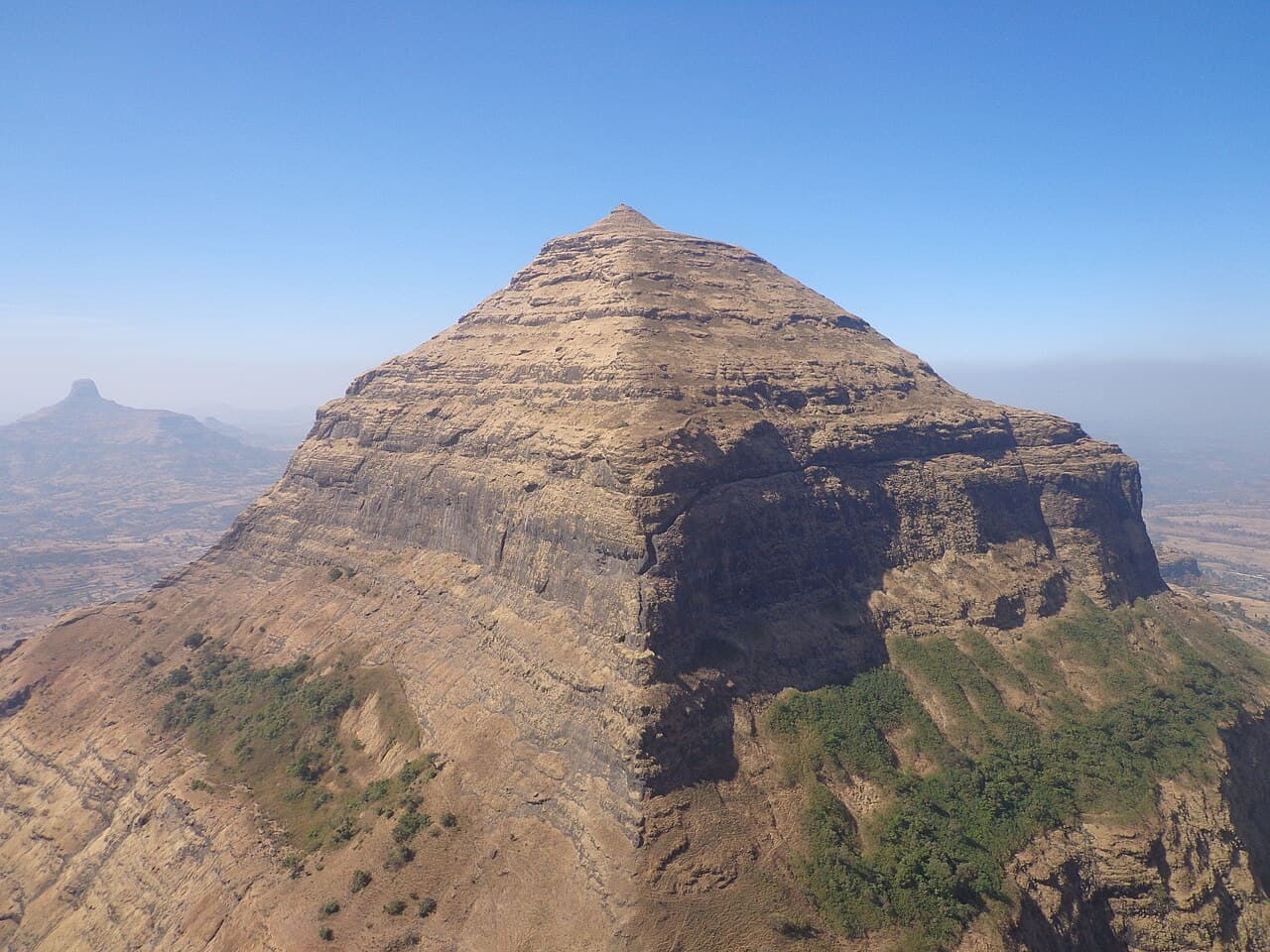
Salher fort stands as a significant bastioned fortress located near Salher Village in Satana tehsil, within the Nashik district of Maharashtra, India. Known historically as Gavalgarh, this fort occupies a strategic position at an altitude of 1,567 metres (5,141 feet), making it the highest fort in the Sahyadri mountains and the second highest peak in Maharashtra after Kalsubai. It ranks as the 32nd highest peak in the Western Ghats, emphasizing its imposing natural and military prominence.
The fort played a vital role during the Maratha Empire, serving as a key defensive outpost and a secure location for the transit of wealth. Notably, the treasure seized from the Surat raids was initially brought to Salher fort before being moved to the Maratha capital forts, underscoring its importance in the empire's logistics and military strategy.
Historical significance of Salher fort
Salher fort's history is closely tied to the rise of the Maratha Empire in the 17th and 18th centuries. It was a critical military site during the Maratha expansion and conflicts with the Mughal Empire. The fort's elevated position provided extensive views over the surrounding terrain, allowing for early detection of enemy movements and effective defense against invasions.
The fort's original name, Gavalgarh, reflects its early history before becoming a prominent Maratha stronghold. Its control was essential in securing the northern boundaries of the Maratha territory, especially against Mughal advances.
Architectural features and fortifications
Bastioned fortress design
Salher fort exemplifies the characteristics of a bastioned fortress, a style that incorporates angular bastions projecting from the curtain walls to provide overlapping fields of fire. This design was crucial in withstanding artillery attacks and improving the fort's defensive capabilities.
Defensive structures
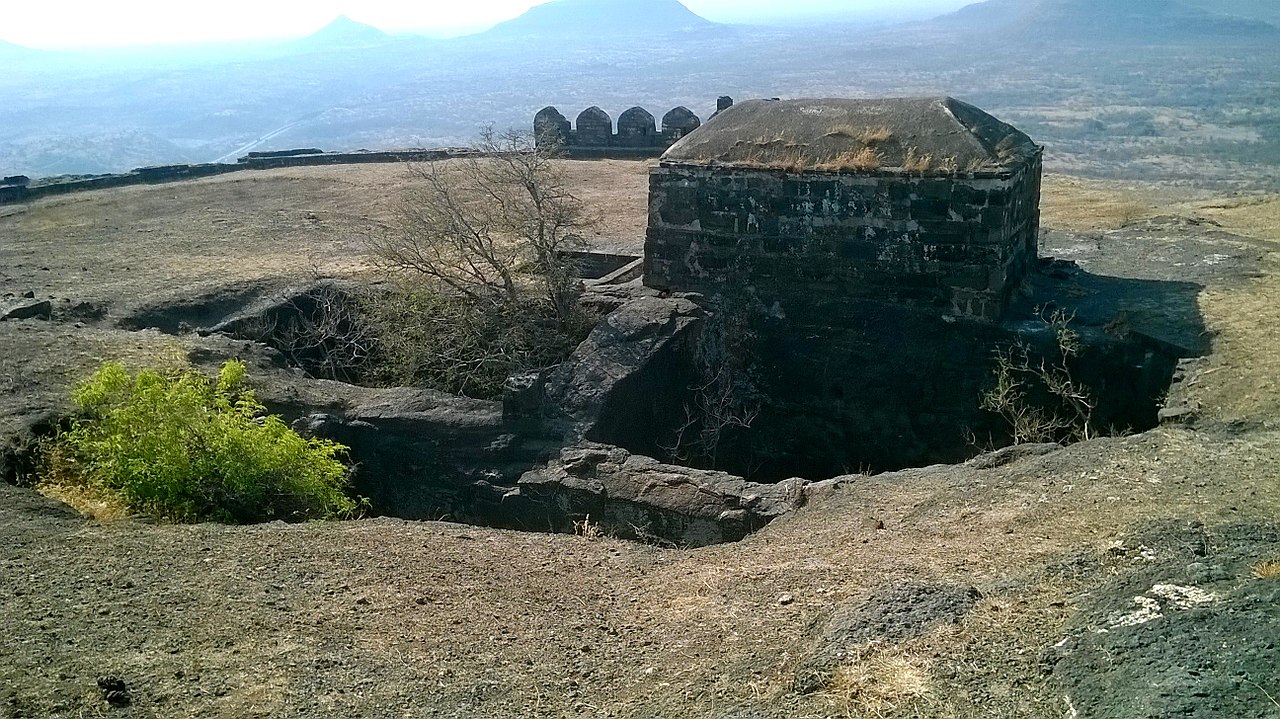
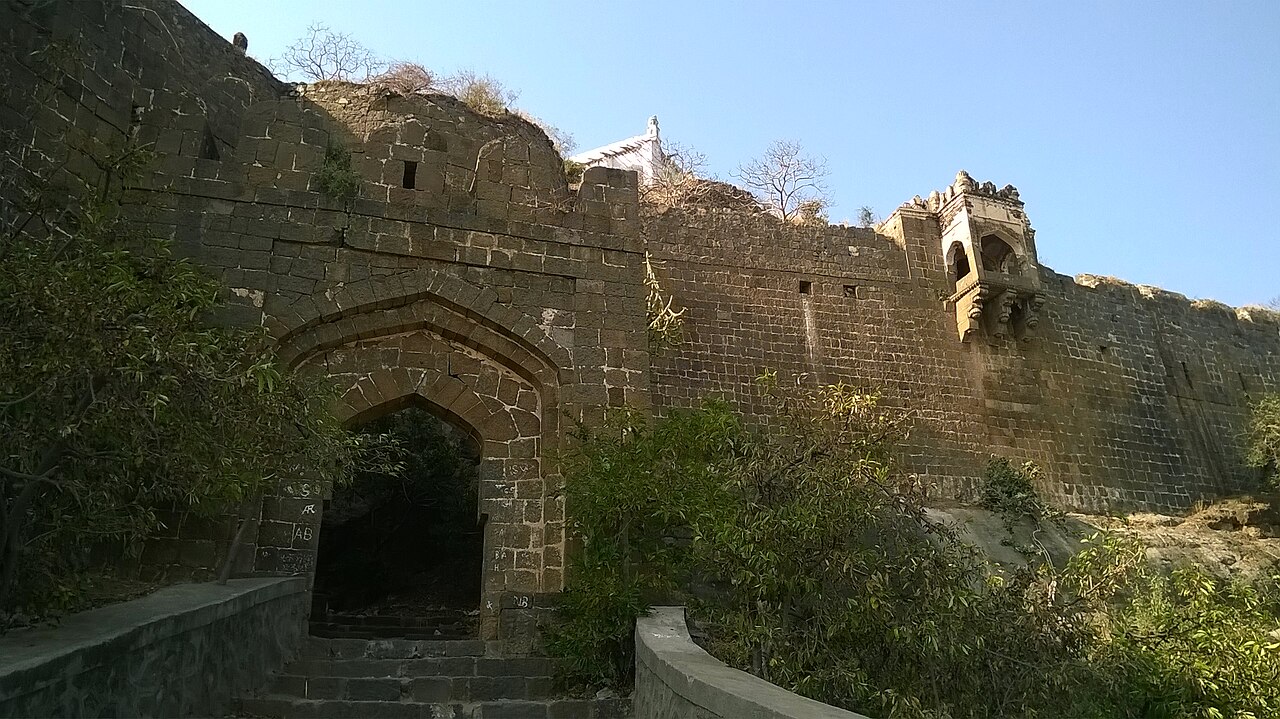
The fort includes multiple bastions, thick stone walls, and strategically placed gates that controlled access and movement within the fortification. The walls are built from locally quarried stone, crafted to endure the rugged mountain climate and potential sieges.
Natural defenses
Situated atop a high peak in the Sahyadri range, the fort benefits from natural steep slopes and rocky terrain, which act as formidable barriers against enemy forces. The elevation also allowed defenders to use gravity to their advantage when repelling attacks.
Geographical context and strategic location
Salher fort's location in the Western Ghats provides commanding views of the surrounding landscape, including important trade routes and neighboring forts. Its position was integral to controlling movement through the region and protecting the Maratha heartland.
The fort's altitude made it difficult for invading armies to approach undetected, and its proximity to other forts created a network of defensive positions that could support each other during conflicts.
Role in Maratha military campaigns
During the Maratha-Mughal wars, Salher fort was a critical military asset. It was the site of the famous Battle of Salher in 1672, one of the largest pitched battles between the Maratha forces and the Mughal army. The Maratha victory at Salher marked a turning point in their struggle for dominance in the region.
The fort also functioned as a safe repository for spoils of war, including the wealth taken from the rich port city of Surat. This highlights its dual role as both a military bastion and a secure treasury location.
Current condition and preservation
Today, Salher fort is in a partially preserved state. While many of its bastions and walls remain intact, some structures have deteriorated due to natural weathering and lack of continuous maintenance. The fort is accessible to visitors who can explore its ramparts, gates, and natural surroundings.
Efforts by local authorities and heritage organizations aim to preserve the fort's remains and promote its historical significance as a cultural landmark in Maharashtra.
Visiting Salher fort
Visitors to Salher fort can experience a challenging trek to reach the summit, rewarded by panoramic views of the Sahyadri mountains and the surrounding valleys. The fort is a popular destination for history enthusiasts, trekkers, and those interested in Maratha heritage.
The best time to visit is during the cooler months from October to February, when the weather is more favorable for hiking and outdoor exploration.
Frequently asked questions (FAQ)
- What is the historical significance of Salher fort?
- Salher fort was a key military site for the Maratha Empire, notably the site of the 1672 Battle of Salher against the Mughal army, marking a turning point in regional control.
- How can I visit Salher fort?
- Salher fort is accessible by trekking from nearby villages. The trek is moderately challenging and best undertaken during the cooler months from October to February.
- What architectural features does Salher fort have?
- Salher fort features bastioned walls, multiple gates, and defensive bastions typical of a bastioned fortress, designed to withstand artillery and provide overlapping fields of fire.
- Is Salher fort well preserved?
- The fort is partially preserved with many bastions and walls intact, though some structures have deteriorated due to weathering and limited maintenance.
- Why was Salher fort important to the Maratha Empire?
- Salher fort secured northern Maratha territories, served as a military stronghold, and was a safe place to store wealth from campaigns such as the Surat raids.
Photo gallery

Information
Loading map...
Visitor reviews
No reviews yet. Been here? Write the first review and help other travelers!
Write the first reviewVisited this castle? Share your experience
Your review helps other travelers and adds first-hand knowledge to our encyclopedia.