Laling Fort
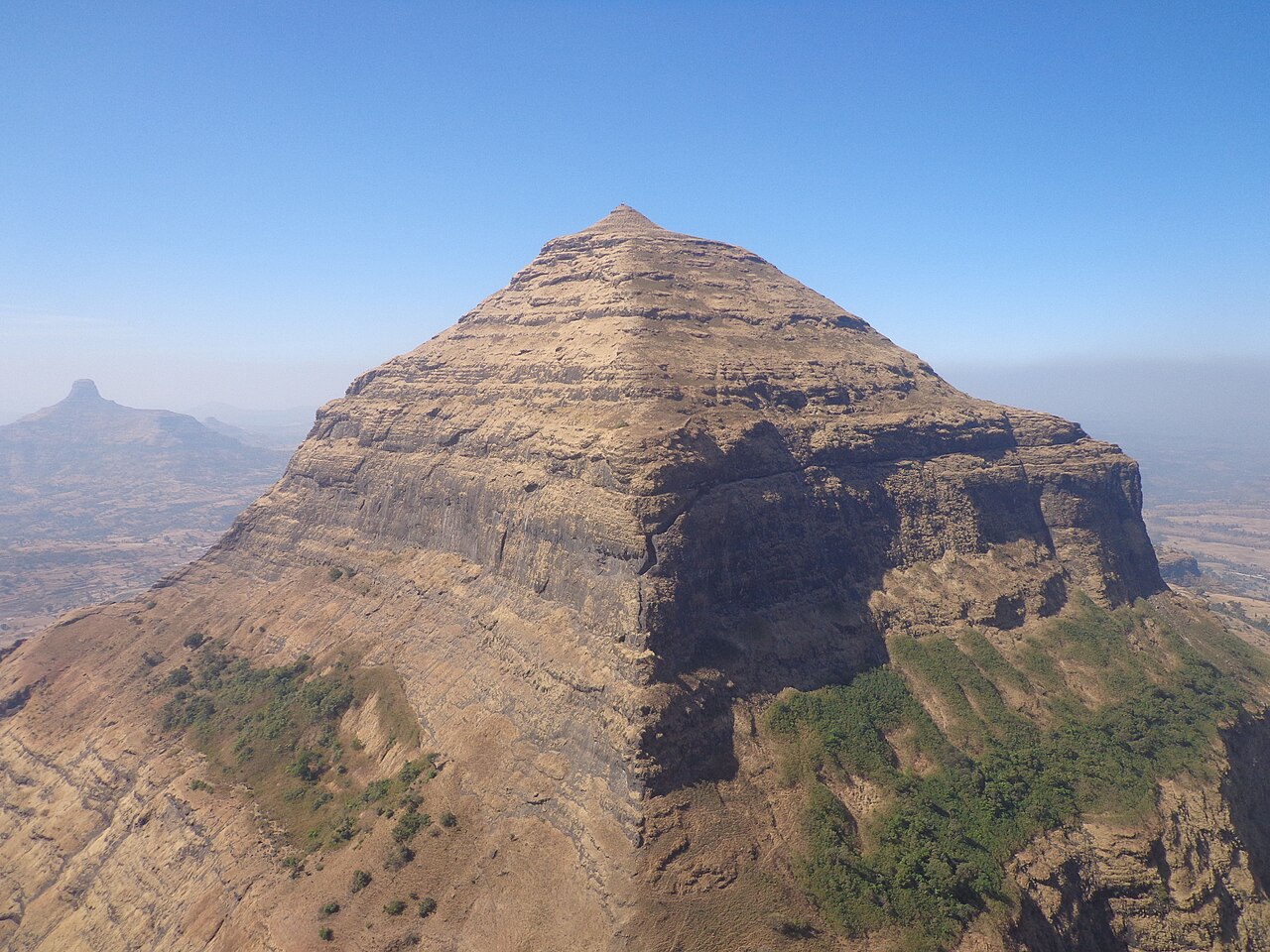
Laling Fort, also known locally as Laling Killa, is a historically significant bastioned fortress located in the Dhule district of Maharashtra, India. Perched atop Laling hill, approximately 9.65 kilometers south of Dhule city, this fort occupies a strategic position overlooking the surrounding landscape. The fort's elevated location provided a natural defensive advantage, making it a vital stronghold in the Khandesh region during the medieval period.
Historical significance and regional context
Laling Fort played an important role during the rule of the Faruqi dynasty, which governed the Khandesh region from the late 14th century to the early 17th century. The Faruqi kings were known for establishing a network of forts to secure their territory against rival sultanates and invading forces. Laling Fort was one such fortress that helped maintain control over the region's trade routes and local settlements.
The fort's history is intertwined with the broader political and military developments in western India during the late medieval period. It likely witnessed various sieges and skirmishes as power shifted among regional rulers, including the Mughals and the Marathas, who later expanded their influence in Maharashtra.
Architectural features and fortifications
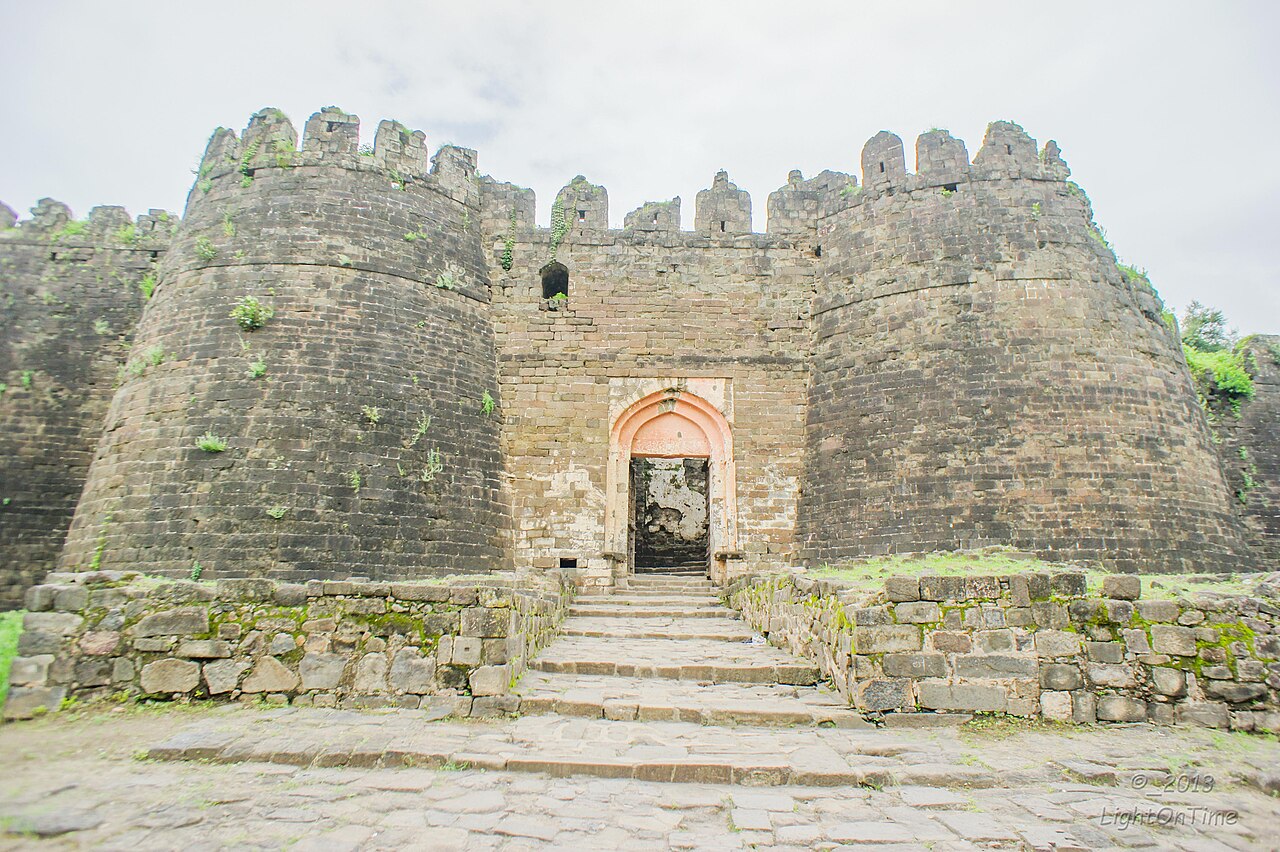
Laling Fort is classified as a bastioned fortress, a style characterized by angular bastions projecting outward from the main walls, designed to provide overlapping fields of fire and improved defense against artillery. This architectural approach became prominent in India during the late medieval and early modern periods as gunpowder weapons became widespread.
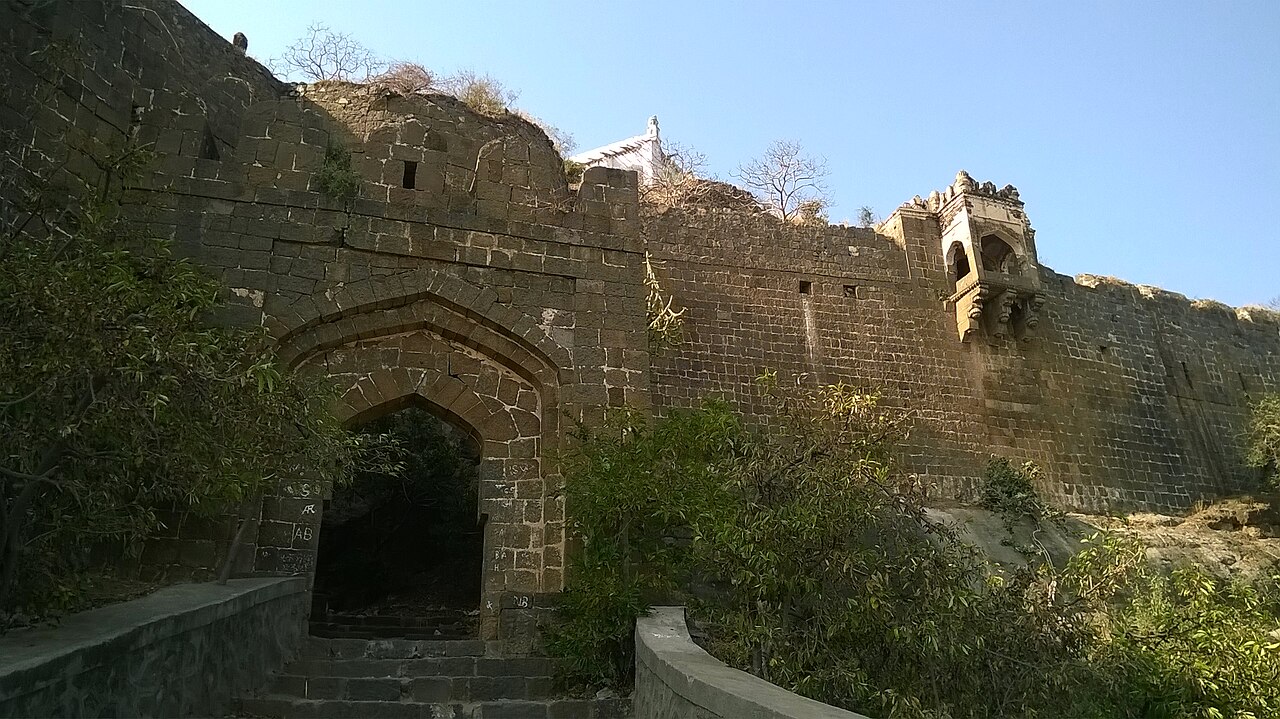
The fort's walls are constructed from locally sourced stone, shaped and fitted to create robust defensive barriers. The bastions at Laling Fort are strategically placed to cover the approaches to the fort, allowing defenders to repel attackers effectively. The elevated position on Laling hill further enhanced the fort's defensive capabilities, making direct assaults difficult.
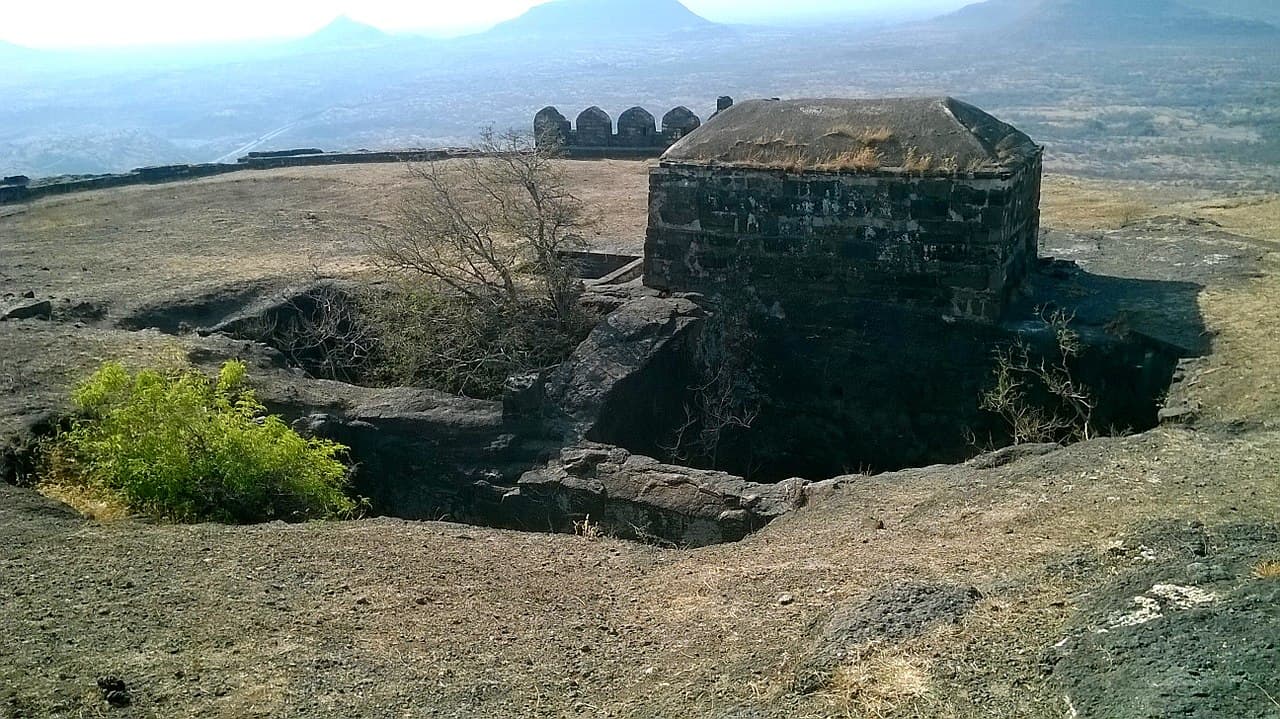
Within the fort, remnants of structures such as watchtowers, gates, and possibly living quarters can be found, though many are in a state of ruin. These features indicate the fort's function as both a military installation and a residence for its garrison and commanders.
Geographical setting and access
Situated in the western part of India, the fort's location on Laling hill offers commanding views over the surrounding terrain, including valleys and trade routes that were historically significant for commerce and military movements. The fort's position south of Dhule city places it within the broader network of forts that secured the Khandesh region.
Access to the fort today involves a trek up the hillside, which remains a popular activity for visitors interested in history and trekking. The natural landscape around the fort adds to its scenic and cultural appeal.
Current condition and preservation
Currently, Laling Fort is in a state best described as ruins. While substantial portions of the defensive walls and bastions remain visible, much of the internal architecture has deteriorated over time due to natural weathering and lack of extensive restoration efforts.
Despite its ruined state, the fort continues to attract historians, archaeologists, and tourists who value its historical importance and architectural features. Efforts to preserve and study the site contribute to a better understanding of the region's medieval military architecture and history.
Visiting Laling Fort
Visitors to Laling Fort can explore the remains of the bastioned walls and enjoy panoramic views from the hilltop. The site provides insight into the military strategies of the Faruqi dynasty and the architectural adaptations made to counter evolving warfare technologies.
The fort is accessible year-round, with the best visiting times being during the cooler months to avoid the intense heat of the Indian summer. Local guides may be available to provide historical context and assist with navigation of the terrain.
Frequently asked questions (FAQ)
- How do I get to Laling Fort?
- Laling Fort is located near Dhule in Maharashtra, India. You can reach the fort by taking a bus or hiring a taxi from Dhule, which is approximately 50 kilometers away. The roads are generally accessible, making it a convenient destination for visitors.
- What is the historical significance of Laling Fort?
- Laling Fort dates back to the 13th century and is known for its strategic location and historical importance during various dynasties. It served as a military stronghold and played a crucial role in the region's defense. The fort is also associated with the Maratha Empire, adding to its rich history.
- When was Laling Fort built?
- Laling Fort was constructed in the 13th century, showcasing the architectural prowess of the era. It has stood the test of time and reflects the military architecture of its period. The fort has witnessed numerous historical events, contributing to its legacy.
- Can I explore the fort on my own?
- Yes, visitors can explore Laling Fort independently, as there are no strict guided tours. However, it's advisable to carry a map or guidebook for better navigation. The fort's structures and surroundings offer a fascinating glimpse into its history.
- Why is Laling Fort popular among tourists?
- Laling Fort attracts tourists due to its stunning architecture, rich history, and picturesque views of the surrounding landscape. The fort offers an adventurous experience for trekkers and history enthusiasts alike. Additionally, its relatively lesser-known status adds to its charm, providing a peaceful visit.
- Is it possible to visit Laling Fort year-round?
- Yes, Laling Fort is open for visitors throughout the year. However, the best time to visit is between October and March when the weather is pleasant and ideal for exploring. Monsoon season can make the trek challenging due to slippery paths.
- What are the opening hours for Laling Fort?
- Laling Fort is typically open for visitors from sunrise to sunset. It's recommended to plan your visit during daylight hours to fully enjoy the fort and its surroundings. Make sure to check local guidelines for any changes in timings before your visit.
- Are there any ticket prices for visiting Laling Fort?
- No, there are currently no entry fees for visiting Laling Fort, making it an accessible destination for all travelers. However, donations for maintenance and preservation are appreciated. Always check for any updates regarding fees before your visit.
- What are some nearby attractions to Laling Fort?
- In addition to Laling Fort, visitors can explore nearby attractions such as the beautiful Panzan Lake and the historic town of Dhule. The region is rich in natural beauty and history, offering ample opportunities for sightseeing. Nearby temples and local markets also add to the cultural experience.
Photo gallery

Information
Loading map...
Visitor reviews
No reviews yet. Been here? Write the first review and help other travelers!
Write the first reviewVisited this castle? Share your experience
Your review helps other travelers and adds first-hand knowledge to our encyclopedia.