Saint-Maurice Castle
Saint-Maurice Castle stands as a remarkable example of late medieval military architecture in the Canton of Valais, Switzerland. Constructed beginning in 1476, the castle was strategically positioned in the narrow Rhone valley to control key transit routes and assert regional power. Its development spanned several decades, reflecting evolving defensive needs and architectural styles of the period.
Construction phases and architectural features
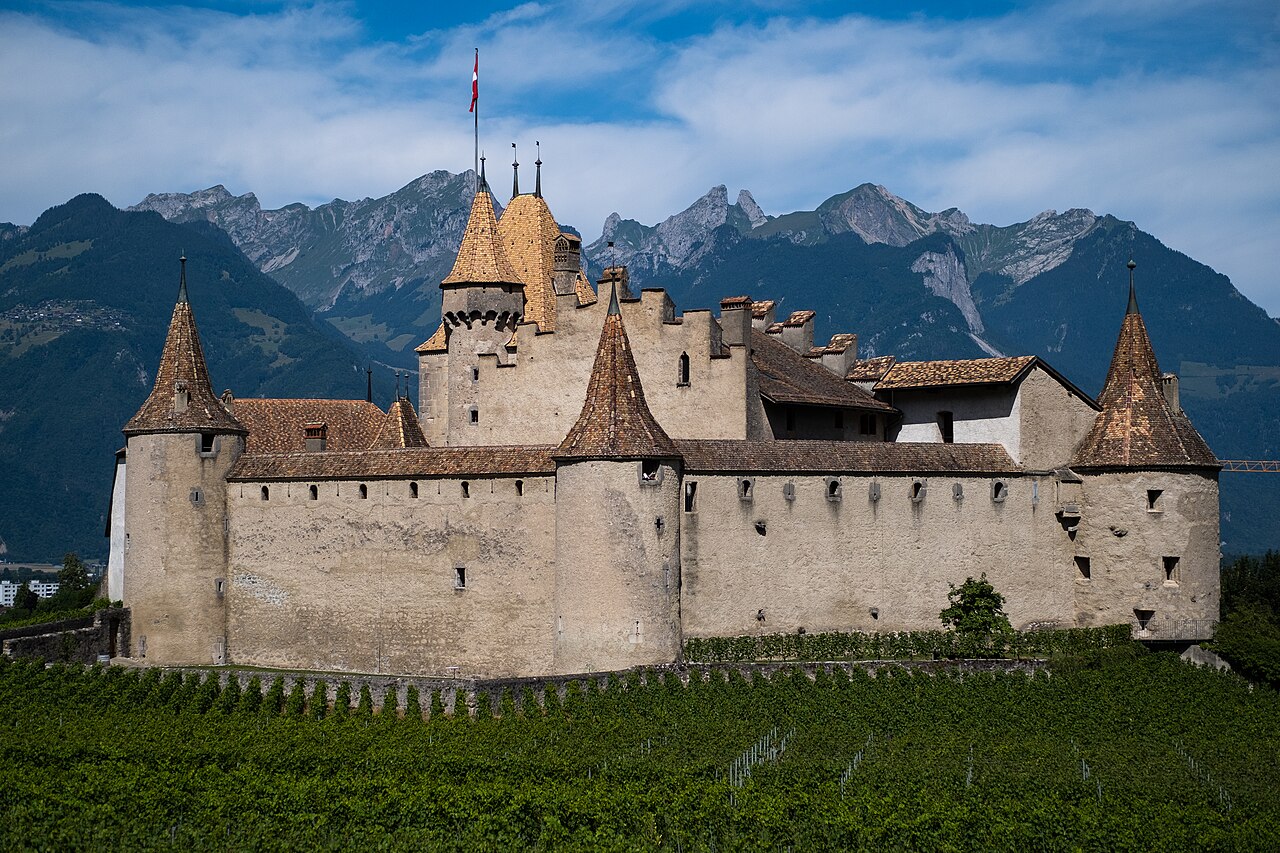
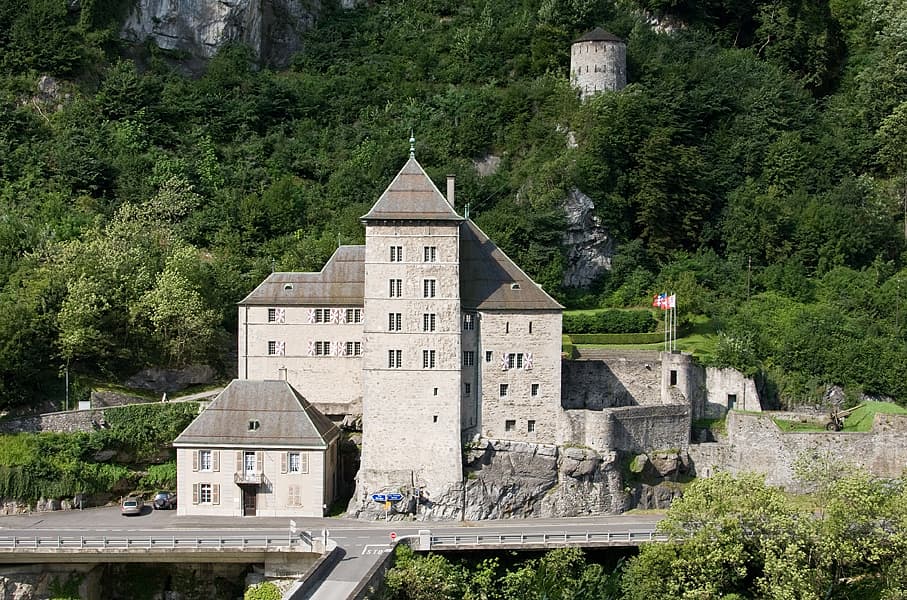
The initial phase of construction, between 1476 and 1482, focused on establishing a robust defensive core. Builders erected a prominent tower with fortified doors, designed to serve both as a lookout and a stronghold. This was soon complemented by a crenellated enclosure wall and multiple watchtowers that enhanced the castle’s defensive perimeter. These features are characteristic of late medieval fortifications, emphasizing protection against artillery and infantry attacks.
Following these defensive structures, the construction progressed to the main residential and administrative body of the castle. At the dawn of the 16th century, a significant retaining wall was added, reinforcing the castle’s hillside position and preventing erosion. This wall incorporated a new tower featuring a large ogival (pointed arch) door, a stylistic element typical of the Gothic architectural influence prevalent during the period.
Architectural style and layout
The castle’s design reflects a blend of practical military architecture with elements of Gothic style, particularly visible in the pointed arches and window tracery. The crenellations and battlements provided defensive cover for archers and artillery, while the towers allowed for comprehensive surveillance of the surrounding valley and approaches.
Historical significance and events
Saint-Maurice Castle played a central role in the governance and military control of the Valais region. It served as the governor’s headquarters, a guard and customs post, and a key stronghold overseeing the vital Rhone valley passage. The castle’s strategic importance is underscored by its repeated reconstruction and adaptive reuse over the centuries.
In 1693, a devastating fire engulfed both the town of Saint-Maurice and the castle, destroying the warehouse and a substantial quantity of stored gunpowder. The rapid and comprehensive rebuilding efforts that followed ensured the castle’s continued prominence as a regional seat of power.
Adaptive reuse through the centuries
Throughout the 18th and 19th centuries, the castle’s function evolved to meet changing social and military needs. It was repurposed as an orphanage, a nursery school for the elderly, a military school, a troop lodging, and even a prison. This versatility illustrates the castle’s robust construction and central role in community life.
During the 20th century, the castle’s military significance waned, and it became more accessible to the public. A major renovation in the 1970s transformed it into the Valais cantonal military museum, preserving and showcasing the region’s military heritage.
Current use and cultural importance
Today, Saint-Maurice Castle functions as a prestigious venue for receptions hosted by the Valais State Council. It also serves as an exhibition space dedicated to drawings, newspaper cartoons, and comic strips, reflecting a vibrant cultural dimension beyond its military past.
The castle’s historical and artistic significance is further highlighted by its association with the celebrated British painter J.M.W. Turner (1775–1851), who famously stopped to capture a romantic view of the castle during his travels.
Heritage status and preservation
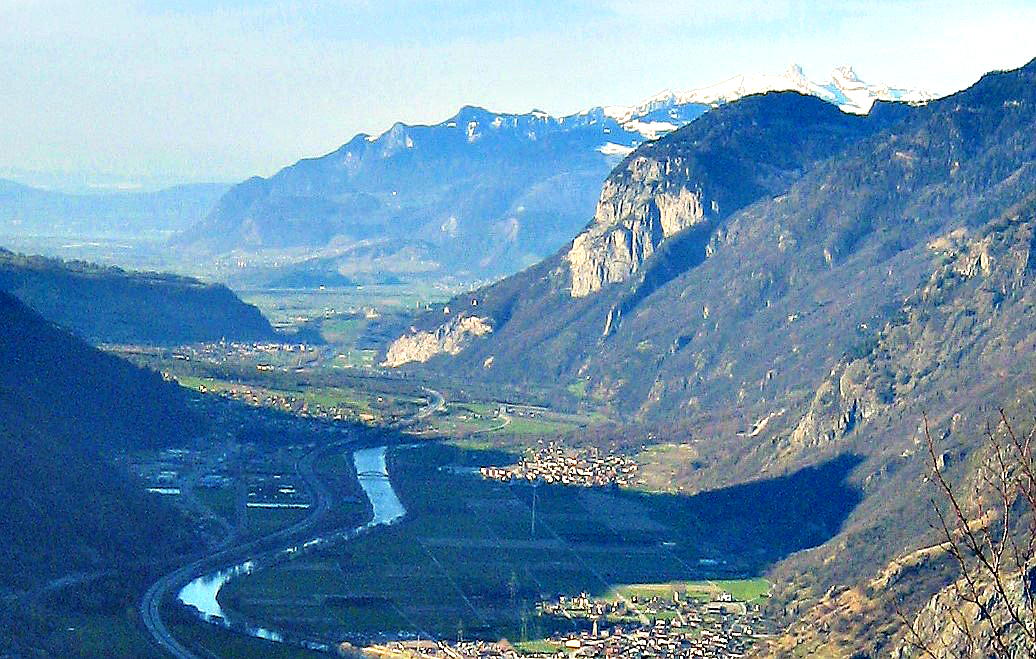
Recognized as a Swiss heritage site of national significance, Saint-Maurice Castle is well preserved and maintained. Its restored condition allows visitors to appreciate its architectural features and historical context fully. The castle’s location in the scenic Rhone valley enhances its appeal as a cultural landmark and tourist destination.
Visitor experience
Visitors to the castle can explore its fortified towers, crenellated walls, and exhibition spaces. The site offers insights into the military, social, and cultural history of Valais, making it an essential stop for those interested in Swiss heritage and medieval architecture.
In summary, Saint-Maurice Castle embodies centuries of history, architectural evolution, and cultural adaptation. From its origins as a strategic fortress in the late 15th century to its current role as a museum and cultural venue, the castle remains a symbol of the Valais region’s rich heritage.
Frequently asked questions (FAQ)
- How do I get to Saint-Maurice Castle?
- Saint-Maurice Castle is easily accessible by public transportation. You can take a train to Saint-Maurice station, which is just a short walk from the castle. Additionally, there are parking facilities nearby if you prefer to drive.
- What is the historical significance of Saint-Maurice Castle?
- Saint-Maurice Castle has a rich history dating back to the 12th century, serving as a strategic fortress during various conflicts. It was an important military stronghold that played a crucial role in the defense of the region. Today, the castle stands as a symbol of the area's medieval heritage.
- When was Saint-Maurice Castle built?
- Saint-Maurice Castle was originally constructed in the early 12th century, with significant renovations and expansions occurring over the centuries. Its architecture reflects the styles and military needs of the time, showcasing the evolution of castle design in Switzerland. The castle remains a testament to the medieval period in the region.
- Can I take a guided tour of the castle?
- Yes, guided tours of Saint-Maurice Castle are available and provide an in-depth look at its history and architecture. These tours are conducted by knowledgeable guides who share fascinating stories and insights about the castle. Reservations are recommended, especially during peak tourist seasons.
- Why is Saint-Maurice Castle considered an architectural gem?
- Saint-Maurice Castle is renowned for its impressive medieval architecture, featuring thick stone walls, a fortified tower, and beautiful views of the surrounding landscape. The castle's design reflects the defensive strategies of the time while showcasing artistic elements from various periods. Visitors often admire the blend of functionality and beauty in its structure.
- Is it possible to host events at the castle?
- Yes, Saint-Maurice Castle offers facilities for hosting various events, including weddings, corporate gatherings, and cultural events. The unique setting and historical ambiance make it a popular choice for special occasions. It is advisable to contact the castle's administration for details on availability and arrangements.
- What are the opening hours for Saint-Maurice Castle?
- Saint-Maurice Castle is open to visitors from April to October, typically from 10 AM to 5 PM. During the winter months, the castle may have limited access and specific opening days. Always check the castle's official website for the most current information regarding hours and any seasonal changes.
- What are the ticket prices for visiting the castle?
- Ticket prices for Saint-Maurice Castle are generally affordable, with discounts available for students and seniors. Children under a certain age may enter for free or at a reduced rate. It's best to check the castle's website for updated pricing and any special promotions.
- What is the best time to visit Saint-Maurice Castle?
- The best time to visit Saint-Maurice Castle is during the spring and early autumn when the weather is pleasant and the surrounding landscape is particularly beautiful. These seasons also coincide with various local events and festivals that enhance the visitor experience. Summer can be busy, so plan your visit accordingly to avoid crowds.
- Are there any nearby attractions to visit while in Saint-Maurice?
- Yes, there are several nearby attractions worth exploring, such as the scenic Rhône Valley and the picturesque town of Saint-Maurice itself. You can also enjoy hiking trails that offer stunning views of the Alps. Don't miss the chance to visit the local museums that further showcase the region's rich history.
Photo gallery

Photo by This file was provided to Wikimedia Commons by Roland Zumbühl of Picswiss as part of a cooperation project. If the direct link to the picture is not provided (URLs are subject to changes), you can find the picture starting from the canton of the subject: http://www.picswiss.ch/geo.html then the location.•CC BY-SA 3.0
Information
Address
route du Chablais 1
Loading map...
Visitor reviews
No reviews yet. Been here? Write the first review and help other travelers!
Write the first reviewVisited this castle? Share your experience
Your review helps other travelers and adds first-hand knowledge to our encyclopedia.