Saint Elisabeth Fortress
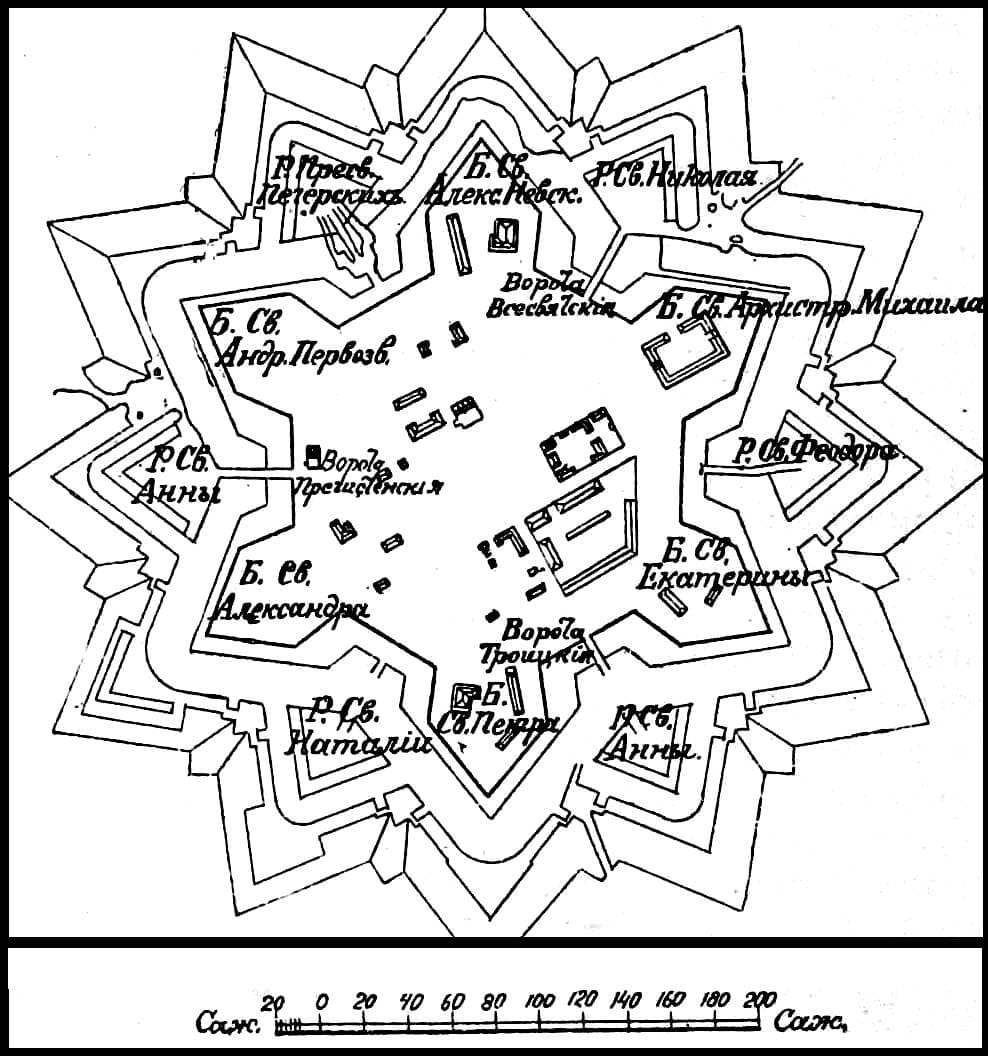
Saint Elisabeth Fortress, located in Kropyvnytskyi, central Ukraine, is a prominent example of a bastioned fortress from the 18th century. Known locally as the "earthworks," this fortress is distinguished by its unique six-pointed star layout, a design typical of the post-Renaissance military architecture aimed at maximizing defensive capabilities against artillery.
Historical context and construction
The fortress was constructed during the 18th century when the region was under the influence of the Russian Empire. Its creation was part of a broader strategic effort to fortify the empire's southern borders against incursions. The design reflects the military engineering principles developed in the post-Renaissance period, particularly the bastion system that allowed defenders to cover all approaches with overlapping fields of fire.
The fortress played a significant role in regional defense and administration, serving as a military stronghold and later becoming a symbol of the city itself. Its earthen ramparts and bastions were constructed primarily from soil and timber, which was a common practice in fortifications of this type and period, providing both strength and the ability to absorb cannon fire effectively.
Architectural features and layout
Saint Elisabeth Fortress is characterized by its star-shaped bastioned layout, featuring six bastions projecting outward from the main enclosure. This geometric design was intended to eliminate blind spots and enable defensive fire along the fortress walls, a hallmark of bastioned fortresses from the post-Renaissance era.
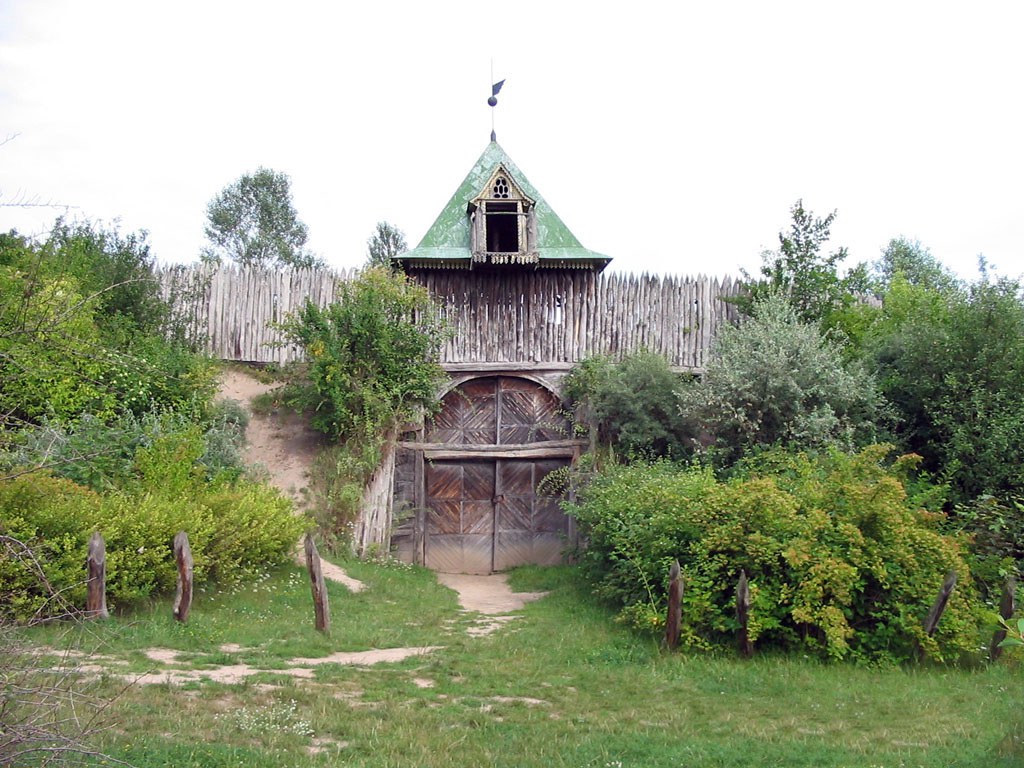
The fortress's walls are primarily composed of earthen ramparts, reinforced with wooden palisades and surrounded by a moat that added an extra layer of defense. The bastions are connected by curtain walls, creating a continuous defensive perimeter. Inside, the fortress contained various military buildings, storage facilities, and living quarters necessary for the garrison stationed there.
The use of earthworks rather than stone masonry reflects both the local availability of materials and the military engineering trends of the time, which favored such constructions for their resilience against artillery bombardment.
Role in local history and cultural significance
Over time, Saint Elisabeth Fortress became more than just a military installation; it evolved into a cultural and historical landmark for the city of Kropyvnytskyi. The fortress's distinctive shape and imposing presence have made it a symbol of the city's heritage and resilience.
Although its military importance declined with advances in warfare technology, the fortress grounds have been preserved as a historical site. The earthen walls and bastions remain visible, offering insight into 18th-century fortress design and the region's strategic history.
Preservation and current condition
Today, the fortress is recognized as a partially preserved historical monument. While the original military structures have not survived intact, the earthen ramparts and the characteristic star-shaped layout remain clearly identifiable. Efforts have been made to maintain the site as a cultural and tourist attraction, highlighting its architectural and historical importance.
The fortress's open grounds serve as a public space, allowing visitors to explore the earthworks and learn about the military engineering concepts that shaped its construction. Interpretive signage and guided tours help contextualize the fortress within the broader history of the region and its role in the defense strategies of the Russian Empire.
Architectural significance and military engineering
Saint Elisabeth Fortress exemplifies the principles of the bastioned fortress design, which emerged in Europe during the post-Renaissance period. This style was a response to the increased power of artillery, necessitating fortifications that could withstand cannon fire and provide overlapping defensive coverage.
The six-pointed star shape allowed defenders to cover all approaches with enfilading fire, reducing blind spots and making direct assaults costly for attackers. The earthen ramparts absorbed impacts better than stone walls, which could shatter under bombardment.
This fortress is an important example of how military architecture adapted to new technologies and threats in the 18th century, blending functional design with the natural landscape to create an effective defensive position.
Frequently asked questions (FAQ)
- What is the historical significance of Saint Elisabeth Fortress?
- Saint Elisabeth Fortress is a notable example of 17th-century military architecture in Ukraine. It played a crucial role in the defense against invasions and has witnessed numerous historical events, making it a key landmark for understanding the region's military history.
- When was Saint Elisabeth Fortress built?
- Construction of Saint Elisabeth Fortress began in 1685 and was completed in 1704. It was built under the direction of the Polish-Lithuanian Commonwealth to enhance the region's defenses.
- Can I visit Saint Elisabeth Fortress?
- Yes, Saint Elisabeth Fortress is open to visitors who wish to explore its historical significance and architectural features. Guided tours are often available, providing in-depth information about the fortress's history and design.
- What are the opening hours for Saint Elisabeth Fortress?
- Saint Elisabeth Fortress typically opens daily from 9 AM to 6 PM. However, it is advisable to check for any seasonal changes or special events that may affect these hours before your visit.
- Is it possible to access the fortress with a wheelchair?
- The accessibility of Saint Elisabeth Fortress may vary, as some areas may have uneven terrain and steps. It is recommended to check in advance for specific accessibility options and to plan your visit accordingly.
- What is the best time to visit Saint Elisabeth Fortress?
- The best time to visit Saint Elisabeth Fortress is during the spring and early fall when the weather is mild, making it comfortable for outdoor exploration. Additionally, these seasons see fewer tourists, allowing for a more relaxed experience.
- Are there any nearby attractions to visit along with Saint Elisabeth Fortress?
- Yes, there are several nearby attractions, including the beautiful architecture of the surrounding area and local museums that highlight the region's culture. Visitors can also explore parks and natural sites that enhance the historical experience.
- What are the ticket prices for visiting Saint Elisabeth Fortress?
- Ticket prices for Saint Elisabeth Fortress are generally affordable, with discounts available for students and seniors. It is advisable to check the official website or local tourism information for the latest pricing details before your visit.
Photo gallery

Photo by «ВЭС». (СПб; 1912—1913).•Public domain
Information
Loading map...
Visitor reviews
No reviews yet. Been here? Write the first review and help other travelers!
Write the first reviewVisited this castle? Share your experience
Your review helps other travelers and adds first-hand knowledge to our encyclopedia.