Castle Białej Cerkwi
Castle Białej Cerkwi, located in the city of Bila Tserkva in present-day Ukraine, stands as a significant historical monument reflecting the turbulent military and political landscape of Eastern Europe from the mid-16th century onward. Originally constructed around 1552 by the Polish-Lithuanian Commonwealth, the fortress was strategically established under the authority of Fryderyk Proński, the voivode of Kyiv, to defend the region against frequent and devastating Crimean Tatar raids. This hill castle, perched on what is now known as Castle Hill, utilized its elevated position to oversee and control vital transit routes, serving as a bulwark of security for the local population during a period marked by continuous conflict and shifting allegiances.
Historical significance and military role
Throughout the late 16th and 17th centuries, Castle Białej Cerkwi was a pivotal military hub within the Commonwealth's eastern frontier. Its strategic importance was underscored by its repeated involvement in the numerous Cossack uprisings that challenged Polish-Lithuanian authority. Notable Cossack leaders such as Kryshtof Kosynsky, Severyn Nalyvaiko, Semen Paliy, and Bohdan Khmelnytsky all played roles in the fortress's contested history, with the castle serving both as a defensive bastion and an operational base for Commonwealth forces. At times, the fortress housed up to two thousand soldiers and officers, highlighting its military capacity and the intensity of the conflicts fought over this region.
The year 1591 marked a significant episode when Cossack forces briefly seized the castle, illustrating the volatile control of the area. Later, in 1663, the fortress hosted a major military council attended by prominent figures such as King Jan Kazimierz, the future King Jan Sobieski, and the celebrated commander Stefan Czarniecki. This gathering underscored the castle's role as a center for military strategy during the ongoing wars that shaped the Commonwealth's fate.
Commanders like General Jan Stachórski, who led the fortress's defense from 1664 to 1668, further cemented its reputation as a key defensive site. However, the castle's military significance waned after the Second Partition of Poland in 1793, as the region came under Russian control. The fortress was eventually captured during the 1794 Kościuszko Uprising after a siege by Russian forces led by General Alexander Suvorov. Following this, Empress Catherine II of Russia ordered the demolition of the fortress, ending its centuries-long role as a military stronghold.
Architectural layout and fortifications
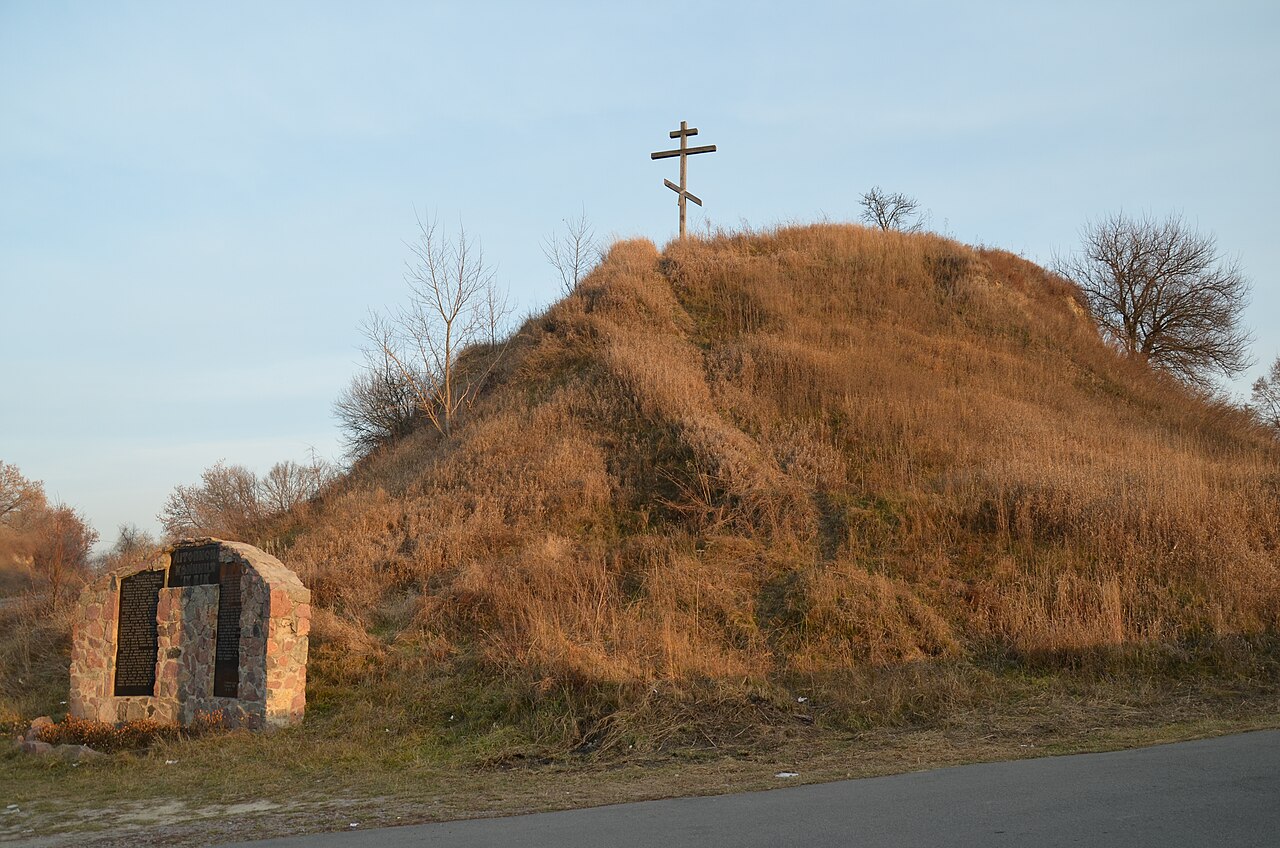
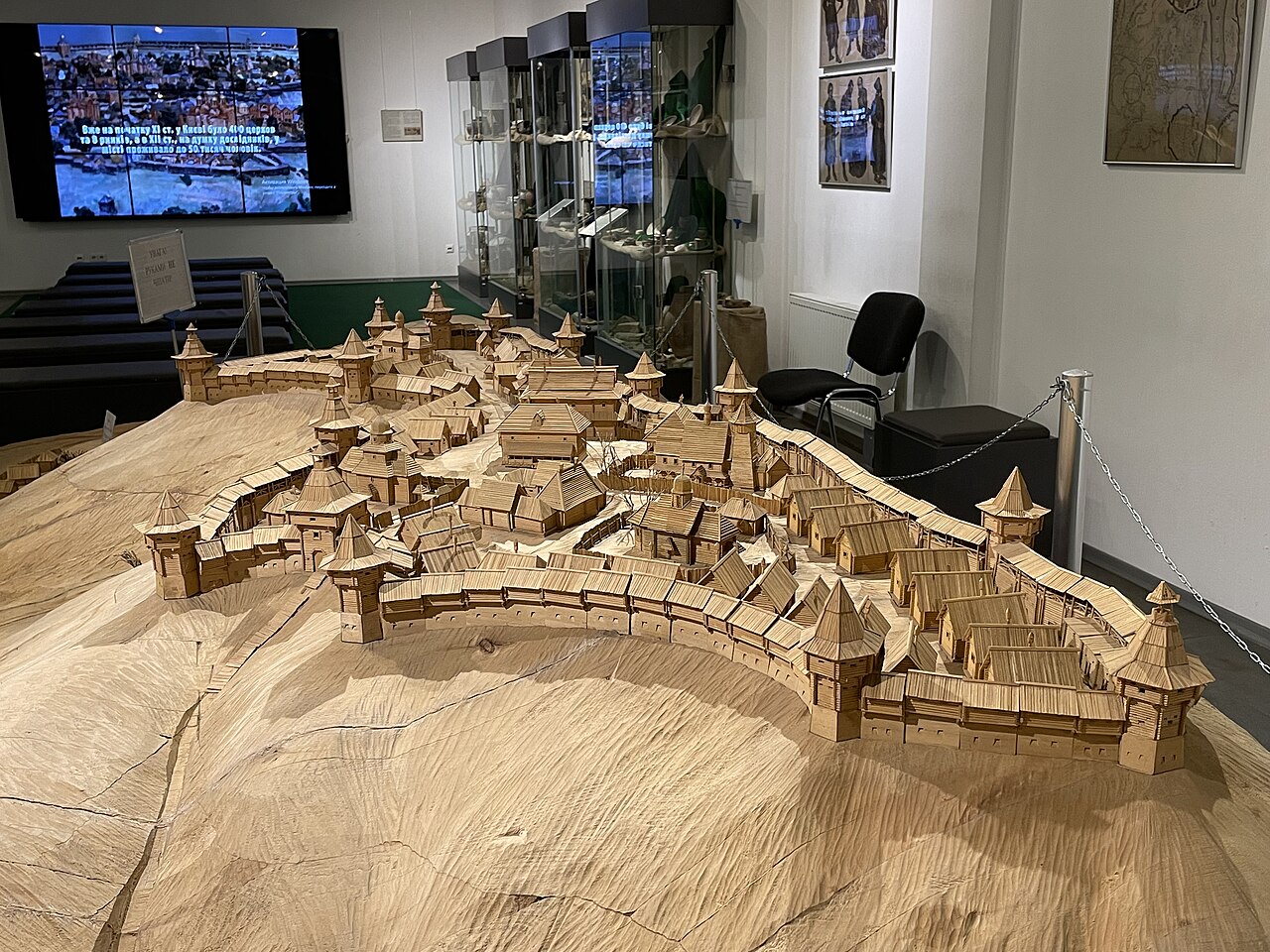
The fortress of Castle Białej Cerkwi was composed of two primary sections by the late 17th and 18th centuries: the Upper Castle and the Lower Castle. The Upper Castle was situated on the elevated terrain of Castle Hill, while the Lower Castle occupied the area now known as the Castle Lanes. Both sections were fortified with moats, a common defensive feature designed to impede attackers and protect the walls from siege engines.
The Upper Castle was distinguished by its four bastions, each bearing individual names. One of these bastions, the Commandant’s Bastion, now serves as the site of the Biała Cerkiew Local History Museum. Adjacent to this bastion once stood a Jesuit chapel, commemorated today by a cross marking its former location. Access between the Upper and Lower Castles was controlled by a drawbridge spanning a moat, enhancing the fortress’s layered defense system.
Historical records from a 1612 inspection detail a variety of structures within the fortress walls. These included a Catholic chapel, the starost’s manor house which functioned as the administrative center, stables, a kitchen, an artillery house (cekhauz) for weapons and ammunition storage, and a powder magazine. The fortress was also equipped with four corner towers, and by this time contained approximately thirty houses, indicating a small fortified community in addition to its military functions.
By 1765, the castle's defenses included twenty-five cannons, two mortars, and the four bastions surrounded by moats and the natural defense of the nearby Ros River. The fortifications were primarily constructed of wood reinforced with earthen ramparts, a deliberate design choice to better absorb the impact of artillery fire compared to stone walls alone. This construction technique reflects the evolving military architecture of the period, balancing resource availability with defensive needs.
Post-military transformation and later history
Following the fortress's dismantling in the late 18th century, the site underwent significant transformation. On the former Upper Castle grounds, the Branicki winter palace was constructed in the late 18th or early 19th century. This residence was built in a classical architectural style with Empire-style interiors, featuring eleven window axes and two floors raised on a stone foundation. The palace celebrated King Stanisław August Poniatowski with a sculpted bust displayed within its halls.
The palace complex included several outbuildings, such as a large outbuilding with a portico supported by eight columns, a treasury, a side wing, and a gate structure, marking a significant shift from military fortress to noble residence. Unfortunately, the Branicki palace was looted and set ablaze during the upheavals of the 1917 revolution, adding another layer of historical turmoil to the site.
Archaeological remains and cultural heritage
Despite the fortress's demolition, substantial remains of Castle Białej Cerkwi persisted into the mid-19th century, providing valuable insights into its original scale and complexity. The remnants of the fortifications, including moats and bastions, alongside the archaeological footprint of the Upper and Lower Castles, continue to inform understanding of 16th to 18th-century military architecture in the region.
Today, the site holds significant cultural and historical importance for Ukraine. The Biała Cerkiew Local History Museum, located at the former Commandant’s Bastion, preserves and exhibits artifacts and documentation related to the castle's rich past. The memorial cross marking the Jesuit chapel site and the surviving earthworks serve as tangible connections to the region’s layered history of defense, conflict, and noble residence.
Castle Białej Cerkwi exemplifies the evolution of a military fortress into a noble estate and ultimately a cultural heritage site, illustrating the dynamic history of Eastern Europe from the Renaissance through the modern era. Its story is intertwined with the broader narratives of Polish-Lithuanian Commonwealth military strategy, Cossack uprisings, Russian imperial expansion, and Ukrainian national heritage.
Frequently asked questions (FAQ)
- When was Castle Białej Cerkwi built and by whom?
- Castle Białej Cerkwi was built around 1552 by the Polish-Lithuanian Commonwealth as a defensive fortress against Crimean Tatar raids.
- What role did Castle Białej Cerkwi play during the Cossack uprisings?
- The castle was a key military stronghold during the Cossack uprisings, serving as a base for Polish-Lithuanian forces and being contested by Cossack leaders such as Bohdan Khmelnytsky.
- What remains of Castle Białej Cerkwi can visitors see today?
- Visitors can see the remains of the fortress's bastions, moats, and earthworks, as well as the site of the former Jesuit chapel marked by a memorial cross.
- What is the significance of the Branicki winter palace on the castle site?
- The Branicki winter palace was built on the site of the Upper Castle in the late 18th or early 19th century, showcasing classical architecture and Empire-style interiors before its destruction in 1917.
- Is Castle Białej Cerkwi accessible to the public?
- The site includes the Biała Cerkiew Local History Museum located in the Commandant’s Bastion, which is open to visitors interested in the castle's history and archaeological remains.
Information
Loading map...
Visitor reviews
No reviews yet. Been here? Write the first review and help other travelers!
Write the first reviewVisited this castle? Share your experience
Your review helps other travelers and adds first-hand knowledge to our encyclopedia.