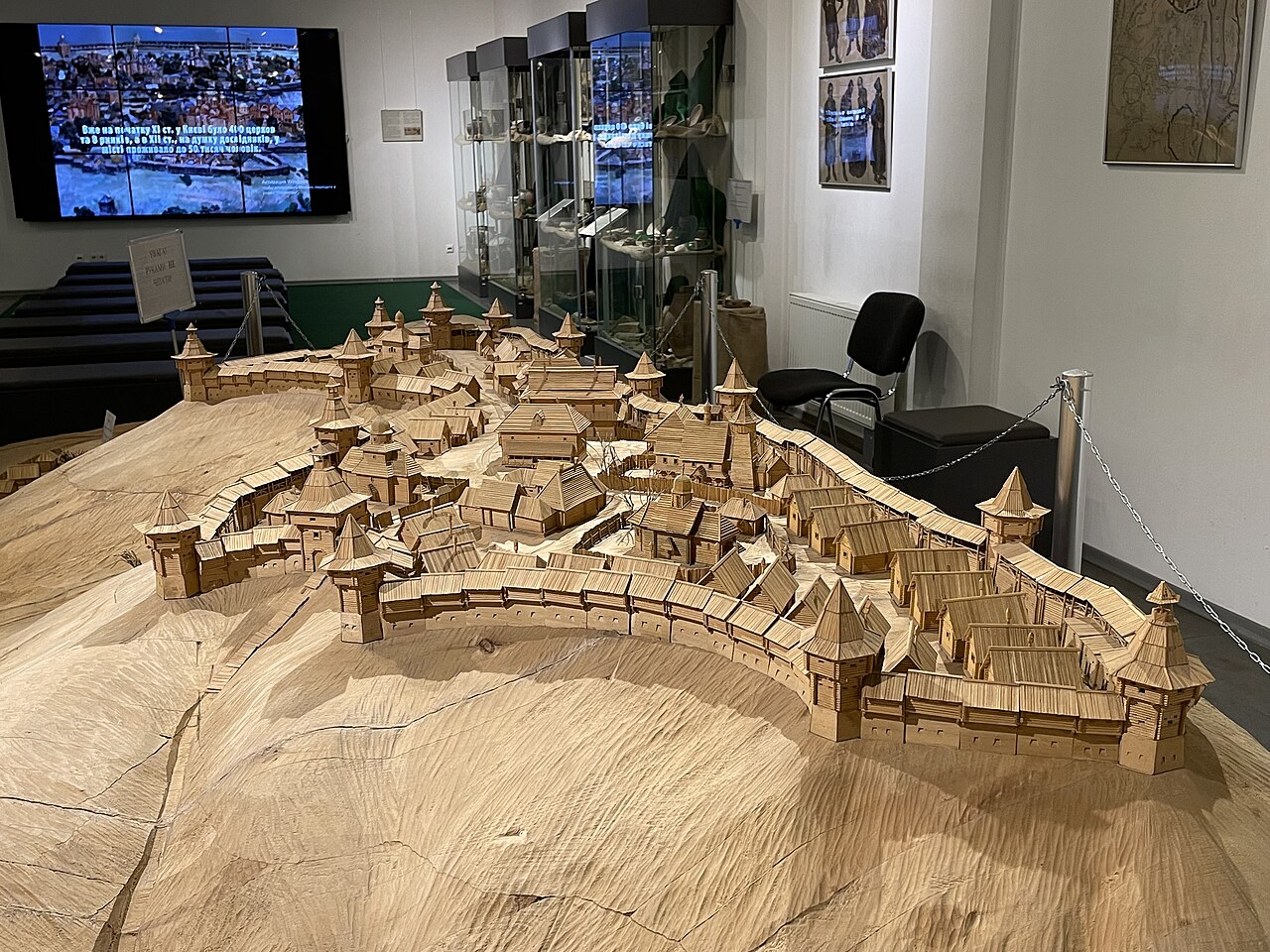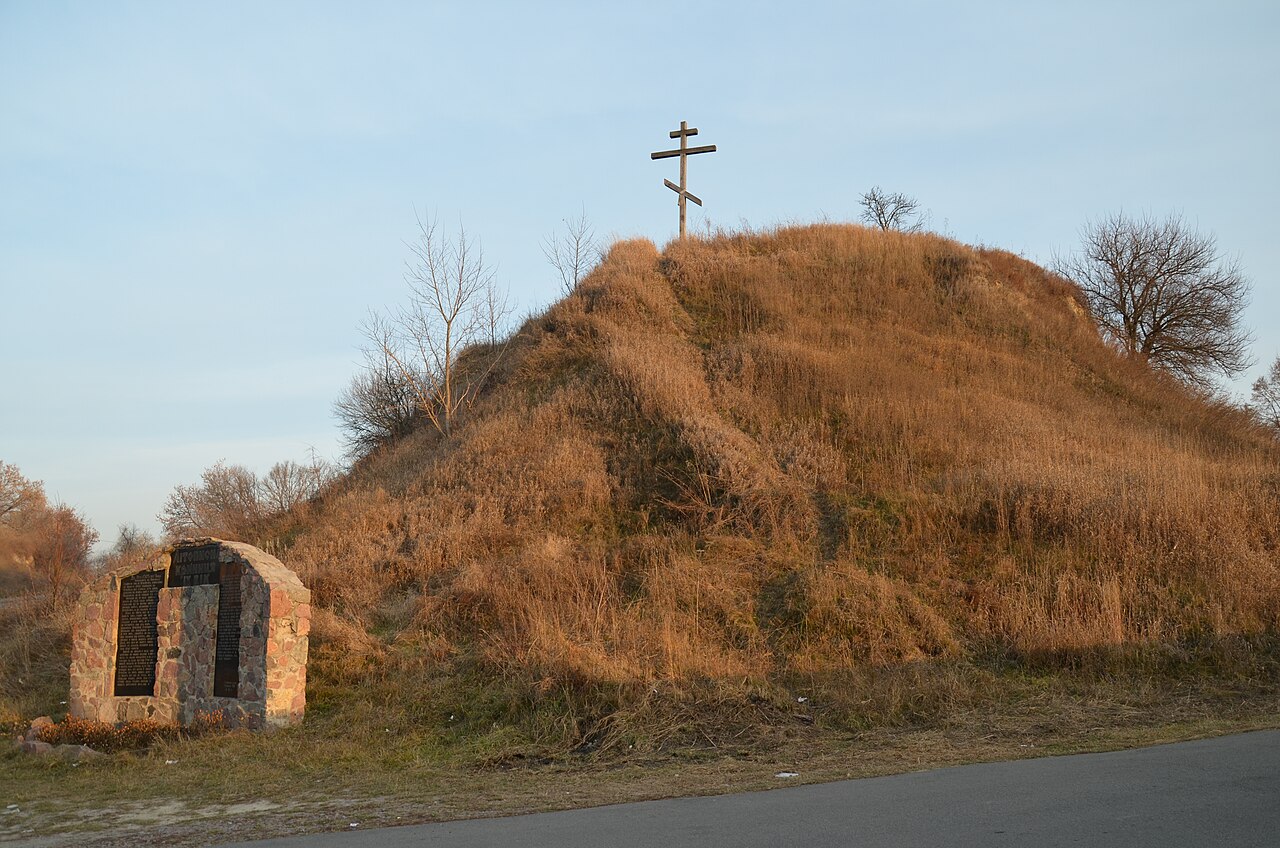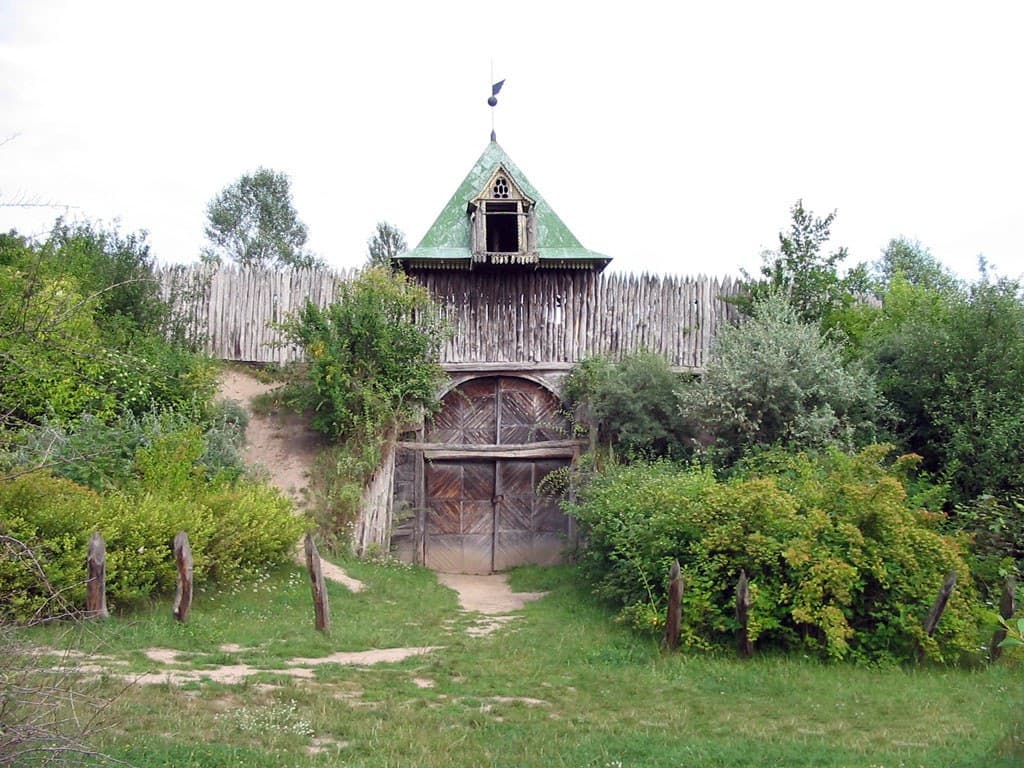
Cossack fortress in Pereiaslav-Khmelnytskyi — Ukraine castle

Cossack fortress in Pereiaslav-Khmelnytskyi

Cossack fortress in Pereiaslav-Khmelnytskyi
Renaissance (15th–17th c.)
The Cossack fortress in Pereiaslav-Khmelnytskyi is a significant example of a 16th-century bastioned fortress located in Ukraine, reflecting the military architectural advancements of the Renaissance period. This fortress played a crucial role in the defense strategies of the Cossacks, who were known for their military prowess and autonomy in the region during this era.

Constructed in the 16th century, the fortress exhibits typical features of Renaissance military architecture, including bastions designed to withstand artillery attacks and provide overlapping fields of fire. The design of the fortress incorporates thick defensive walls and angular bastions, which allowed defenders to cover all approaches effectively, a marked improvement over medieval fortifications.

Historical context and significance

The fortress was established during a period of intense military and political activity in Eastern Europe. The Cossacks, semi-autonomous warrior communities, needed fortified strongholds to protect their territories against invasions from neighboring powers such as the Polish-Lithuanian Commonwealth, the Ottoman Empire, and the Tsardom of Russia.

Pereiaslav-Khmelnytskyi, situated in central Ukraine, was a strategic location for controlling trade routes and regional influence. The fortress served not only as a military bastion but also as a center for administration and governance for the Cossack Hetmanate in this area.

Architectural features and layout

The fortress's design reflects the bastioned fortress style that became prevalent in Europe during the Renaissance. Its angular bastions are positioned to cover the curtain walls and adjacent bastions, eliminating blind spots. This allowed defenders to repel attackers more efficiently using firearms and cannons.

The walls were constructed from locally sourced stone and brick, materials chosen for their durability against siege weaponry. The fortress likely included essential internal structures such as armories, garrison quarters, command centers, and storage facilities to support prolonged defense.

Defensive innovations

The bastioned design of the fortress was a response to the evolving nature of warfare, particularly the rise of gunpowder artillery. Unlike earlier medieval castles with high vertical walls vulnerable to cannon fire, the fortress featured lower, thicker walls and angled bastions designed to deflect cannonballs and provide platforms for artillery.

This architectural approach enhanced the fortress's ability to withstand sieges and contributed to the military effectiveness of the Cossack defenders.

Role in Cossack military history

The fortress in Pereiaslav-Khmelnytskyi was a critical stronghold during the turbulent 16th and 17th centuries when the Cossacks frequently engaged in conflicts to maintain their autonomy and resist external domination.

It served as a base for military operations, a refuge for local populations during invasions, and a symbol of Cossack resilience. The fortress's presence helped secure the region and facilitated the Cossacks' ability to negotiate political and military alliances.

Preservation and current status

Today, the fortress remains a site of historical interest, though its physical condition varies. As a bastioned fortress from the Renaissance era, it provides valuable insights into the military architecture and regional history of Ukraine during a formative period.

Efforts to preserve and study the fortress contribute to understanding the Cossack heritage and the broader historical landscape of Eastern Europe.

Frequently asked questions (FAQ)

What is the historical significance of the Cossack fortress in Pereiaslav-Khmelnytskyi?
The Cossack fortress in Pereiaslav-Khmelnytskyi is a vital symbol of Ukrainian history, representing the strength and resilience of the Cossack community. Established in the 17th century, it played a key role in the defense against foreign invaders and served as a political center during the Cossack Hetmanate period.
When was the Cossack fortress built?
The Cossack fortress was constructed in the early 17th century, around the year 1630. It was strategically designed to protect the region and serve as a military stronghold for the Cossack army.
Can I visit the Cossack fortress?
Yes, visitors are welcome to explore the Cossack fortress and its surrounding grounds. Guided tours are often available, providing insights into the fortress's history and architecture.
What are the opening hours for the Cossack fortress?
The Cossack fortress typically opens to visitors from 9 AM to 6 PM daily, though hours may vary seasonally. It is advisable to check the official website or contact local tourism offices for the most current information.
Is it possible to access the fortress with limited mobility?
The Cossack fortress has some accessibility features, but due to its historical nature, certain areas may pose challenges for visitors with limited mobility. It’s recommended to plan ahead and inquire about accessible routes and assistance when you arrive.
What is the best time to visit the Cossack fortress?
The best time to visit the Cossack fortress is during the spring and early autumn months when the weather is mild and pleasant. This timing allows for a more enjoyable exploration of the fortress and its surroundings.
Are there any nearby attractions to visit?
Yes, Pereiaslav-Khmelnytskyi offers several nearby attractions, including the Museum of Folk Architecture and Life. Additionally, the city is rich in historical sites, making it a great destination for a full day of exploration.
What are the ticket prices for visiting the fortress?
Ticket prices for the Cossack fortress are generally affordable, with discounts often available for students and seniors. It’s a good idea to check for any special promotions or group rates when planning your visit.

Photo gallery

Cossack fortress in Pereiaslav-Khmelnytskyi
Click to view

Photo by Sergiy Klymenko•CC BY-SA 3.0

1 photo • Click any image to view in full screen

Information

Bastioned Fortress

Loading map...

Visitor reviews

No reviews yet. Been here? Write the first review and help other travelers!

Write the first review

Visited this castle? Share your experience

Your review helps other travelers and adds first-hand knowledge to our encyclopedia.
Write a review

(5/5)

0/2000 characters

Your review will be visible after admin approval

Nearby castles

79.9 km
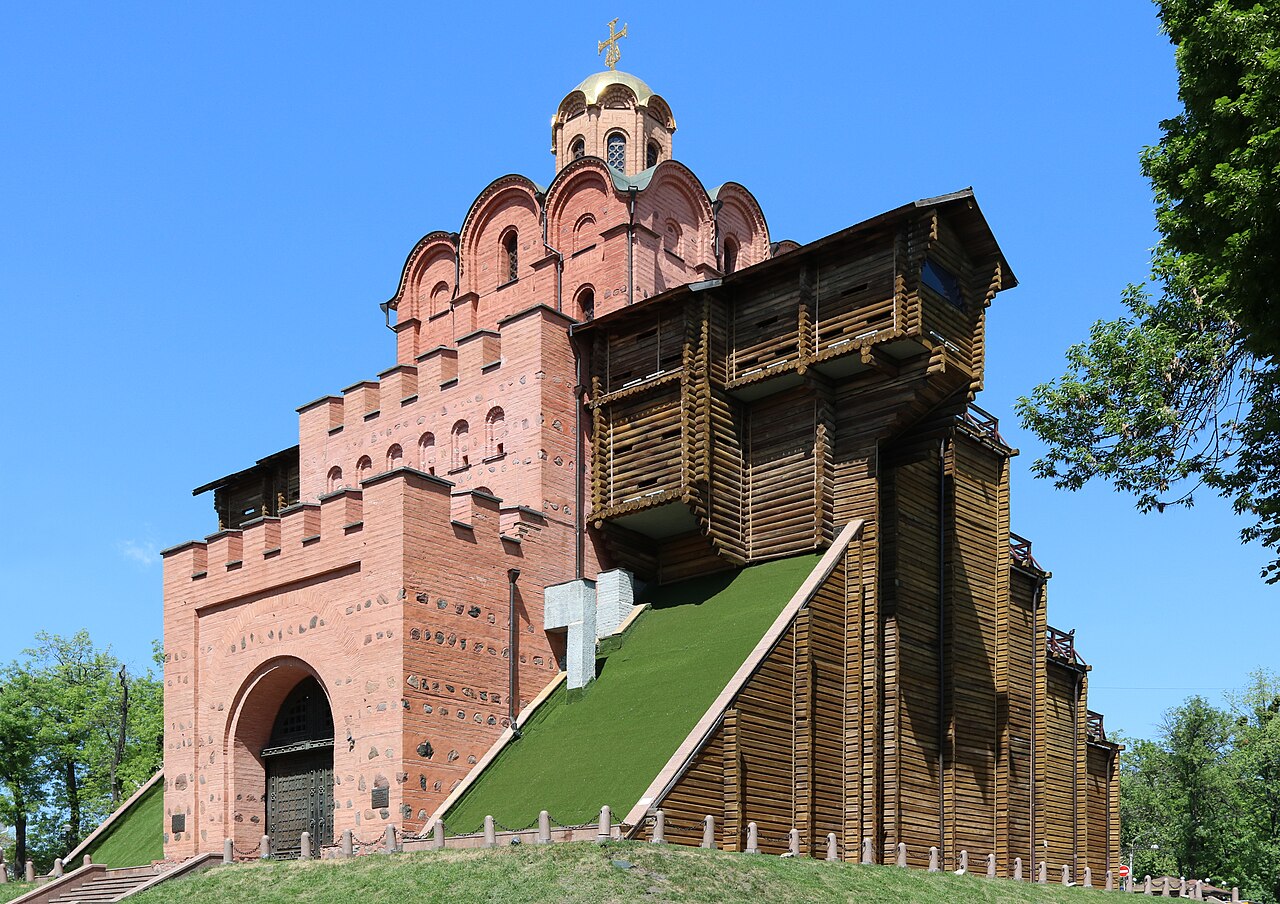
Golden Gate (Kyiv) — Ukraine castle

Golden Gate (Kyiv)

Kyiv, Ukraine

The Golden Gate of Kyiv (Ukrainian: Золоті ворота, romanized: Zoloti vorota) served as the principal fortified entrance to the city of Kyiv, the capital of the Kievan Rus', during the 11th century. Constructed as part of the city's extensive defensive walls, it was a critical element in protecting Kyiv against invasions and attacks in the High medieval period. The gate's name was likely inspired by the Golden Gate of Constantinople, reflecting the cultural and political connections between the Kievan Rus' and the Byzantine Empire. Historical context and significance Built in the 11th century under the reign of Yaroslav the Wise, the Golden Gate was a monumental symbol of Kyiv's stature as a major political and cultural center. It was part of a large-scale fortification system that included massive stone walls and bastions designed to repel invaders. The gate was not only a military structure but also a ceremonial entrance, emphasizing the city's importance and grandeur. Over the centuries, the original structure fell into disrepair and was dismantled during the Middle Ages, leaving only archaeological remains. Despite this, the gate's legacy endured in historical records and local tradition, symbolizing Kyiv's medieval heritage. Architectural features and design The original Golden Gate was a bastioned fortress gate, featuring thick defensive walls and towers that allowed defenders to control access to the city. The gate complex likely included a large central archway flanked by fortified towers and battlements. Its design combined practical military architecture with symbolic elements, possibly adorned with decorative features that reflected Byzantine influences. Unfortunately, no contemporary images or detailed descriptions of the original gate survive, which has led to various interpretations and reconstructions over time. The gate was constructed primarily from stone and brick, materials typical for major fortifications of the period. 20th-century reconstruction and modern use In 1982, the Soviet authorities undertook a complete reconstruction of the Golden Gate at the corner of Volodymyrska Street and Yaroslaviv Val Street. This reconstruction was controversial due to the lack of reliable historical evidence about the gate's original appearance, resulting in competing theories and designs. The rebuilt structure is a modern interpretation rather than an exact replica. Today, the reconstructed gate houses a branch of the National Reserve "Sophia of Kyiv" museum, which presents the history of the gate and the medieval city. The site has become a notable cultural landmark and tourist attraction. Additionally, the name "Zoloti Vorota" is used for a nearby theater and the Zoloti Vorota station of the Kyiv Metro, reflecting the gate's lasting significance in the city's identity. Preservation and cultural importance The Golden Gate of Kyiv remains an important symbol of the city's medieval past and its historical role in Eastern Europe. Despite its partial loss and reconstruction, it continues to attract visitors interested in the architectural and historical heritage of the Kievan Rus'. The site is protected as part of the National Reserve "Sophia of Kyiv", ensuring ongoing preservation efforts. Its designation as a bastioned fortress highlights its military architectural significance, while its cultural resonance endures through its name's use in local institutions and public transport.

High Medieval (11th–13th c.)
Details
80.9 km
Kyiv Castle — Ukraine castle

Kyiv Castle

Kyiv, Ukraine

Kyiv Castle (Ukrainian: Київський замок, romanized: Kyjivsjkyj zamok) was a prominent fortress located on Zamkova Hora (Castle Hill) in the historic city of Kyiv, Ukraine. Constructed in the 14th century, it served as the most powerful military stronghold in the Dnieper Ukraine region from the late medieval period through the first half of the 16th century. The castle played a critical role in the defense and administration of Kyiv during a turbulent era marked by frequent conflicts and shifting political control.The fortress was strategically positioned on a hill overlooking the city, which allowed for effective surveillance and defense against invaders. Its fortifications were primarily wooden, a common construction material of the time, supplemented by earthworks and defensive ditches. The castle complex included two main gates that controlled access and facilitated movement of troops and supplies.Architectural features and layoutKyiv Castle was a substantial complex comprising approximately 20 buildings within its walls. Among its notable features were several three-tiered watchtowers, which varied in number from 3 to 15 over different periods. These towers provided vantage points for lookouts to monitor the surrounding landscape and the approaches to the city.The fortress also contained between 1 and 4 deep wells, each approximately 60 meters deep, ensuring a reliable water supply during sieges. In addition to its defensive structures, the castle housed religious buildings reflecting the diverse spiritual life of the city. At its peak in 1552, the castle grounds included three Orthodox churches and one Catholic church, indicating the coexistence of different Christian denominations within the fortress.Historical significance and timelineThe castle was established in the late 14th century amid rising threats from neighboring powers and internal conflicts. It remained a key defensive installation through the 15th and 16th centuries, adapting to the evolving military technologies and political landscape of Eastern Europe.One remarkable feature of Kyiv Castle was its clock, which was the only one in the city until the 17th century. This clock not only marked time but also symbolized the castle's importance as a center of governance and urban life.Despite its strength, the castle eventually fell victim to the upheavals of the mid-17th century. It was destroyed during the military campaigns of Bohdan Khmelnytsky, the prominent Cossack leader who led uprisings against Polish rule and sought to establish autonomy for Ukrainian lands.Legacy and current stateToday, Kyiv Castle exists only as archaeological ruins on Zamkova Hora. Excavations and studies have revealed remnants of its wooden fortifications, foundations of buildings, and other artifacts that provide insight into its construction and use. The site is an important cultural and historical landmark, offering visitors a glimpse into the medieval defense systems and urban development of Kyiv.While no significant above-ground structures remain, the castle's footprint and archaeological findings contribute to understanding the city's past and its strategic military architecture. The ruins are accessible to the public, often visited by those interested in medieval history and the heritage of Kyiv.

Late Medieval (14th–15th c.)
Details
95.5 km
Belgorod Kievsky — Ukraine castle

Belgorod Kievsky

, Ukraine

Belgorod Kievsky, also known as Bilhorod Kyivskyi in Ukrainian, was a significant early medieval city-castle of Kievan Rus', strategically located on the right bank of the Irpin River. Founded in 991, it served as a vital defensive and administrative center along the important roadway connecting Kyiv with the western cities of Zhytomyr and Halych. The castle-city played a crucial role in protecting the western approaches to Kyiv and controlling trade routes in the region. Historical context and strategic importance Belgorod Kievsky was established during the reign of Vladimir the Great, a key ruler of Kievan Rus' who expanded and consolidated the state in the late 10th century. The city's foundation in 991 reflects the broader efforts to fortify the realm's borders and secure important communication lines. Positioned on the right bank of the Irpin River, Belgorod was a frontier fortress that guarded against incursions from nomadic tribes and hostile neighbors. Its location on the road between Kyiv and the western principalities made it a hub for military logistics and trade. The castle-city's fortifications were designed to withstand sieges and raids, reflecting the turbulent political and military environment of the period. Architectural features and urban layout The original fortifications of Belgorod Kievsky likely included earthen ramparts topped with wooden palisades, a common defensive technique in early medieval Eastern Europe. Archaeological excavations have revealed remnants of these earthworks, which formed a protective enclosure around the settlement. The fortifications enclosed an area that included residential quarters, workshops, and administrative buildings. Within the fortified area, there would have been a central citadel or kremlin serving as the seat of local authority and military command. Although no substantial stone structures survive, the layout suggests a planned settlement with streets and designated zones for different functions. Destruction and archaeological significance Belgorod Kievsky was destroyed during the Mongol invasions of the 13th century, a series of devastating raids that led to the collapse of many Kievan Rus' cities. The Tatar forces razed the settlement, leaving it in ruins. Over time, the site was abandoned and fell into obscurity, with only archaeological remains marking its historical presence. Today, the ruins of Belgorod Kievsky are located near the village of Bilohorodka in Kyiv Oblast, Ukraine. Archaeological investigations have uncovered artifacts and structural remains that provide valuable insights into the urban planning, defensive architecture, and daily life of an early medieval Eastern European city-castle. Cultural heritage and modern recognition Belgorod Kievsky is recognized as an important archaeological site that sheds light on the political and military history of Kievan Rus'. The site contributes to understanding the development of early medieval fortifications and urban centers in Eastern Europe. It also highlights the challenges faced by the Kievan state in defending its territories from external threats. While the castle-city itself remains in ruins, the site attracts historians, archaeologists, and visitors interested in the origins of Ukrainian statehood and medieval fortification techniques. Preservation efforts focus on protecting the archaeological remains and promoting awareness of the site's historical significance. Access and visitor information The ruins of Belgorod Kievsky are accessible near Bilohorodka, though facilities and visitor infrastructure are limited due to its status as an archaeological site rather than a fully restored castle. Visitors interested in medieval history and archaeology can explore the area, often accompanied by local guides or through organized tours focusing on Kievan Rus' heritage. Given the site's condition as ruins, visitors should prepare for outdoor exploration with appropriate footwear and weather considerations. The site offers a unique opportunity to connect with the early medieval history of Ukraine and the legacy of Kievan Rus'.

Early Medieval (5th–10th c.)
Details