Saint Agatha's Tower
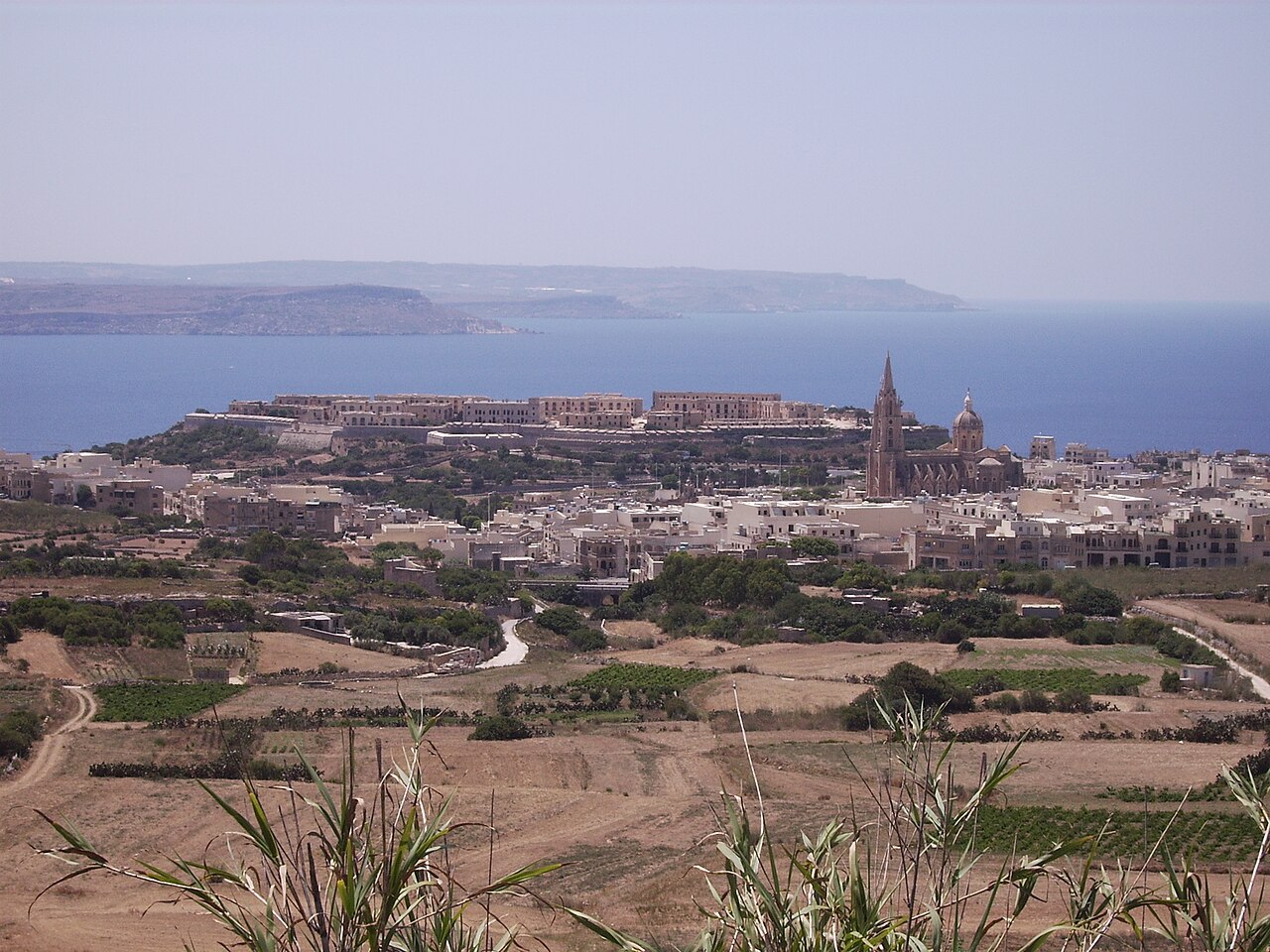
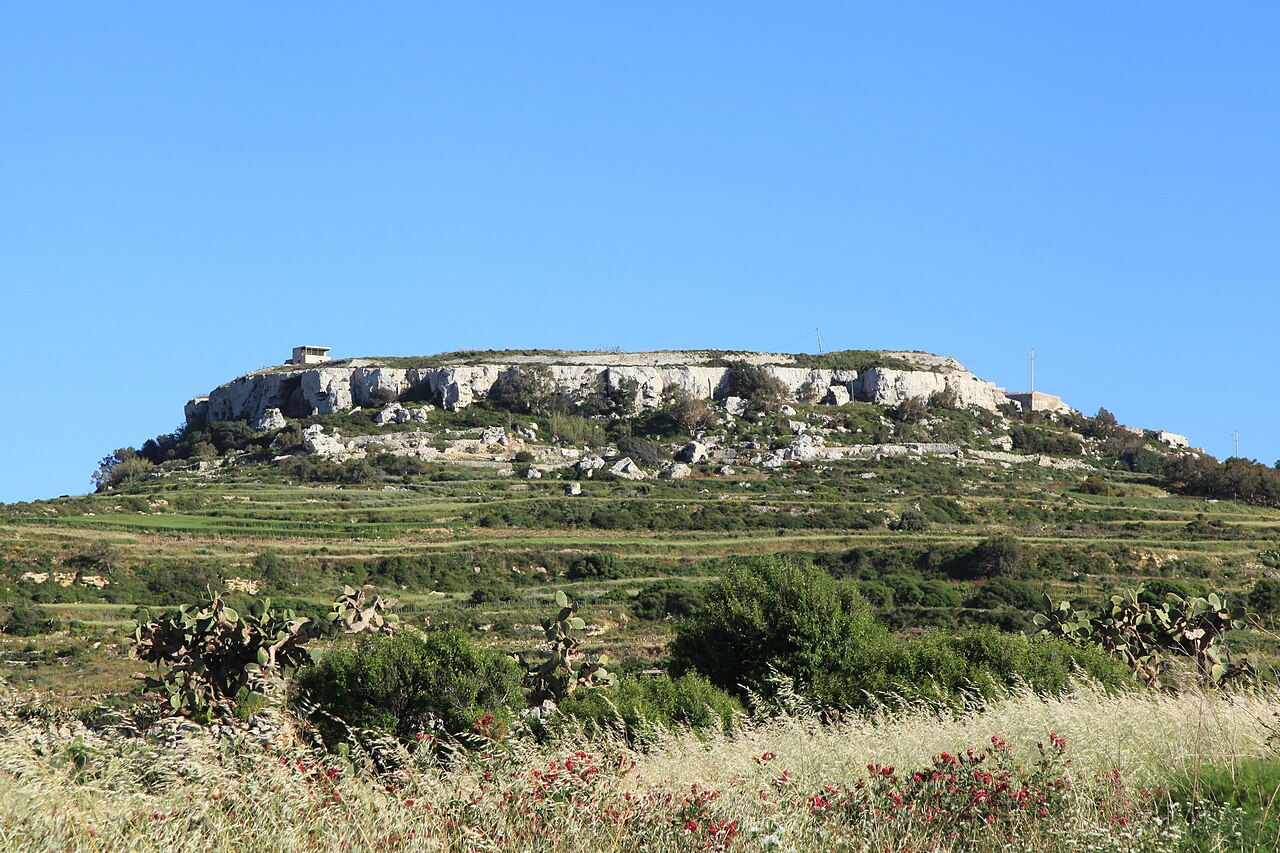
Saint Agatha's Tower, also known as the Red Tower, stands prominently on the crest of the Marfa ridge in l-Ahrax tal-Mellieha, overlooking the bay of Ghadira, a renowned nature reserve and bird sanctuary, as well as the strategic strait between the islands of Comino and Gozo. This imposing structure is a significant example of coastal fortifications built by the Knights of Malta during the 17th century.
The tower's name is believed to derive from a shallow alcove in the far wall of its second vaulted room, which housed a small chapel and altar dedicated to Saint Agatha. Its popular nickname, the "Red Tower," comes from its distinctive red paint, applied to make it easily recognizable by sentries stationed in nearby towns such as Naxxar and Old Town. This practical feature enhanced communication and defense coordination along the northern coast of Malta.
Historical context and construction
The tower was constructed between 1647 and 1649 under the reign of Grand Master Jean Paul Lascaris Castellar, a French leader known for his stern and unpopular rule. Unlike his predecessor, Grand Master Wignacourt, who personally financed several defensive towers, Lascaris funded the construction of his towers through Maltese taxes, which contributed to his unpopularity among the local population.
The design of Saint Agatha's Tower was the work of the military engineer Blaise Francoise, Conte de Pagan, assisted initially by Blondel des Croisettes. After their collaboration, Blondel des Croisettes continued to design additional towers independently. Other towers built during Lascaris's tenure include Ta' Lippija in Gnejna Bay, Ghajn Tuffieha Tower, Ta' Xutu Tower in Wied iz-Zurrieq, and Nadur Tower. While most of these towers are modest in size, Saint Agatha's Tower is notably larger and more robust.
The impetus for the tower's construction was the 1614 Ottoman fleet attack on Malta. During this raid, the only northern defense was the Wignacourt Tower, and the invading fleet bypassed it to land in Mellieha, which was left undefended. This event underscored the urgent need for a fortified tower in this strategic northern location.
Architectural features
Saint Agatha's Tower is a square-plan fortification with a distinctive splayed base approximately 3.5 meters high. From this base rise four corner towers with inclined curtain walls that give the impression of bastions, although these are not true bastions. The tower's external walls are about 4 meters thick, providing formidable protection against artillery and assault.
The tower consists of a single floor with two large barrel-vaulted rooms, accessed through a central door above the splayed base. Small windows punctuate the thick walls, allowing light and ventilation while maintaining defensive strength. A narrow corridor leads to the main rooms, with the innermost chamber containing the chapel dedicated to Saint Agatha.
A spiral stone staircase embedded in the wall leads to a flat roof, which served as a shooting platform and signaling station. This roof was used to communicate with other coastal towers at Selmun, Znuber, and Comino. The roof is surrounded by a two-foot parapet and features four corner turrets approximately 3 meters high.
Notably, under the tower lies a large water cistern with a capacity of about 42 cubic meters. Rainwater collected from the roof flowed through channels and pipes into this cistern, ensuring a reliable water supply for the garrison during sieges.
Defensive enhancements
In the 18th century, a low star-shaped entrenchment was added to the rear flanks of the tower, serving as a weapons platform and enhancing its defensive capabilities. The tower was equipped with cannons and manned continuously, reflecting its importance in Malta's coastal defense network.
Military significance and use
By 1722, the War Congregation mandated that Saint Agatha's Tower be armed with five guns and garrisoned by a four-man crew. It was one of only two towers on the island designated to be denied to enemy forces at all costs, alongside the San Luciano Tower in Marsaxlokk. These towers were provisioned to withstand sieges lasting up to 40 days, with ample ammunition and food supplies stored within.
During the British period, the tower continued to serve military purposes, later functioning as a radar station for the Armed Forces of Malta. This ongoing use underscores the tower's strategic location and robust construction.
Restoration and preservation
The tower underwent extensive restoration beginning in 1999, funded by private sponsors including the M. Demajo Group of Companies, Playmobil Malta Limited, and Toly Products Limited. The restoration addressed structural damage, particularly to the turrets, where eroded limestone blocks were replaced and one turret was partially rebuilt.
Vegetation was cleared from the walls, and corroded iron elements were removed. Following advice from the museum department, the tower was repainted in its traditional red color, restoring its iconic appearance. A new wooden spiral staircase was installed inside, replacing damaged original stone steps, and original flooring was rediscovered and restored in the roof turrets.
Modern plumbing and electrical systems were added, and openings were fitted with wooden doors and windows. The restoration was completed in 2001 and formally inaugurated by His Excellency Professor Guido de Marco, then President of Malta, marking a significant achievement in preserving Malta's cultural heritage.
Visitor experience and significance
Today, Saint Agatha's Tower stands as a well-preserved monument of Malta's rich military architecture and history. Its commanding views of the northern coastline and proximity to natural reserves make it a popular site for visitors interested in history, architecture, and nature.
The tower's robust design, historical role in coastal defense, and the story of its restoration contribute to its status as a treasured cultural landmark. It offers insights into the strategic military thinking of the Knights of Malta and the island's ongoing efforts to safeguard its heritage.
Frequently asked questions (FAQ)
- What is the historical significance of Saint Agatha's Tower?
- Saint Agatha's Tower, also known as the Red Tower, was built in the 17th century as a coastal defense structure. It played a crucial role in protecting Malta from invasions and pirates during its history, showcasing the strategic military architecture of the time.
- When was Saint Agatha's Tower built?
- Construction of Saint Agatha's Tower began in 1647 and was completed in 1650. It was commissioned by the Order of St. John to enhance the island's defensive capabilities against potential threats from the sea.
- Can I visit Saint Agatha's Tower?
- Yes, visitors are welcome to explore Saint Agatha's Tower. The tower is open to the public, allowing guests to appreciate its historical significance and stunning views of the surrounding area.
- What are the opening hours for Saint Agatha's Tower?
- Saint Agatha's Tower is typically open from 9:00 AM to 5:00 PM, but it’s advisable to check for any seasonal variations or special closures before planning your visit. The last admission is usually half an hour before closing time.
- Is there an entrance fee to visit Saint Agatha's Tower?
- Yes, there is a nominal entrance fee for adults, while children and seniors may receive discounts or free entry. The ticket prices contribute to the maintenance and preservation of this historical site.
- What is the best time to visit Saint Agatha's Tower?
- The best time to visit Saint Agatha's Tower is during the spring and fall months when the weather is pleasant and ideal for sightseeing. Visiting during weekdays may also help you avoid larger crowds.
- How do I get to Saint Agatha's Tower?
- Saint Agatha's Tower is accessible by car, public transport, or on foot. There are designated parking areas nearby, and several bus routes service the area, making it convenient for visitors to reach the tower.
- What nearby attractions should I consider when visiting Saint Agatha's Tower?
- While visiting Saint Agatha's Tower, you can also explore nearby attractions such as the beautiful beaches of Mellieha Bay and the historic village of Mellieha. Additionally, the Popeye Village theme park is a short drive away, offering family-friendly entertainment.
- Is Saint Agatha's Tower accessible for individuals with disabilities?
- Accessibility at Saint Agatha's Tower may be limited due to the historical nature of the structure. However, efforts have been made to accommodate visitors with mobility challenges, so it's best to inquire directly for specific accessibility options before your visit.
Information
Loading map...
Visitor reviews
No reviews yet. Been here? Write the first review and help other travelers!
Write the first reviewVisited this castle? Share your experience
Your review helps other travelers and adds first-hand knowledge to our encyclopedia.