Saddell Castle
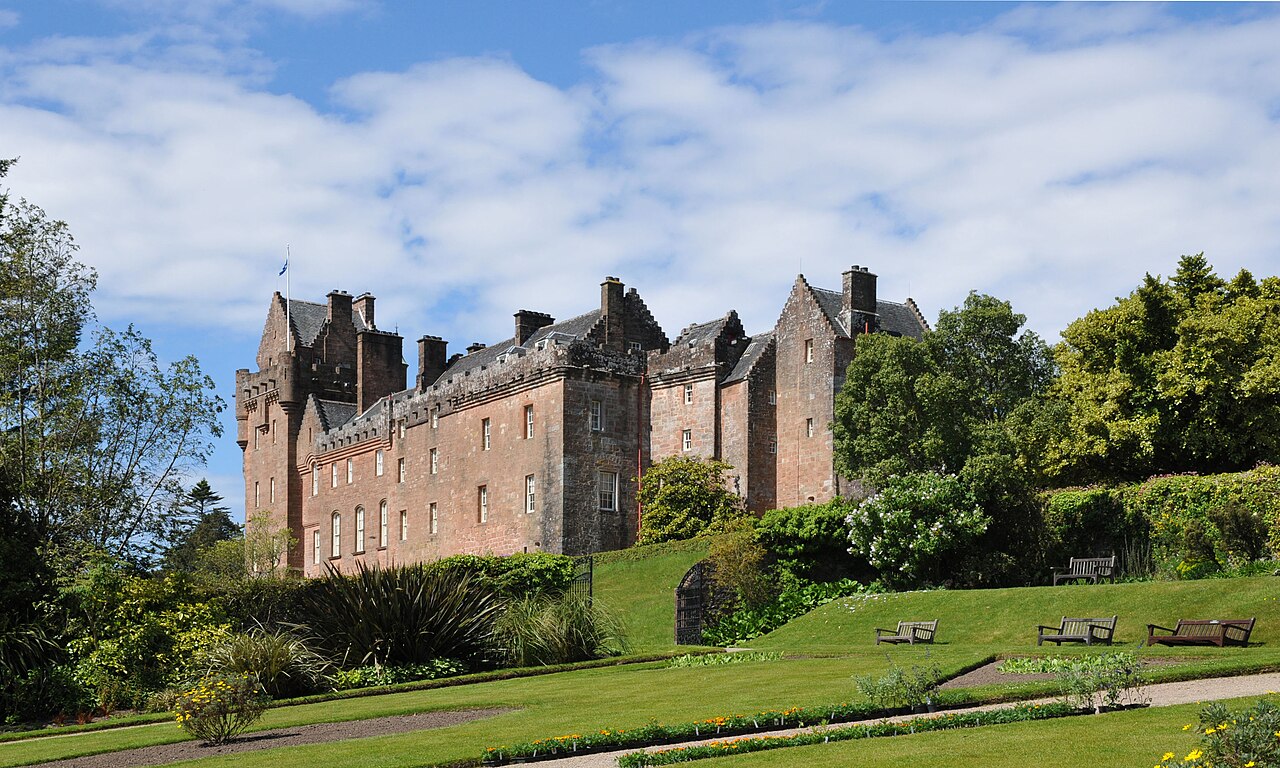
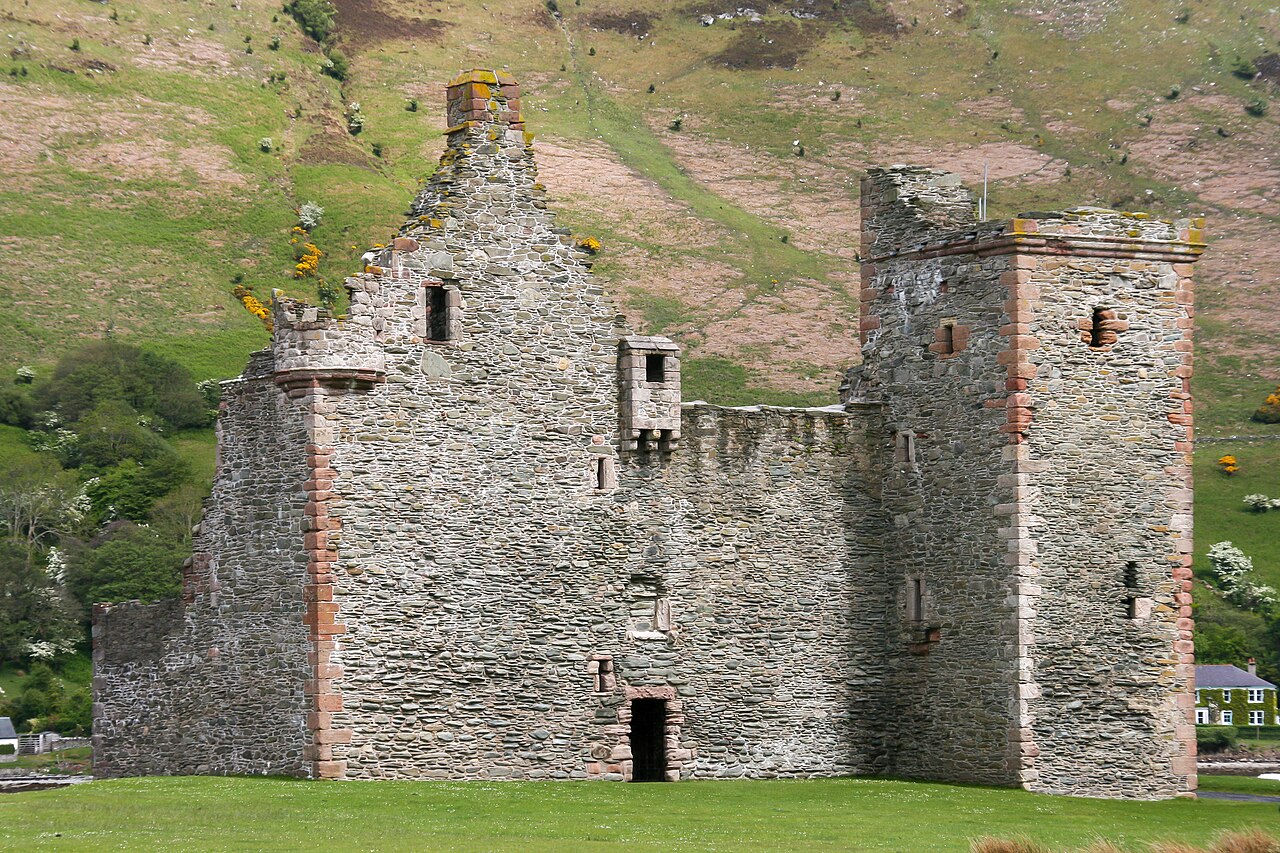
Saddell Castle is a significant example of a Renaissance period fortress located in Argyll and Bute, Scotland. Constructed between 1508 and 1512 by David Hamilton, Bishop of Argyll, the castle was built using stones from the ruins of Saddell Abbey. This strategic reuse of materials reflects the common practice of the time to repurpose ecclesiastical structures following the Reformation and other religious upheavals. The castle’s robust stone walls and defensive features embody the transitional architecture of the early 16th century, combining medieval fortification elements with Renaissance influences.
Architectural features and defensive design
The castle is characterized by its tower house design, typical of Scottish Renaissance castles, featuring thick stone walls and narrow windows designed for defense. One of the most notable architectural elements is the trapdoor in the main entrance passage, which was added during later enlargements. This trapdoor mechanism was a cunning defensive feature that allowed defenders to drop intruders into a dungeon with no exits, effectively neutralizing threats without direct combat. The castle’s layout includes a central courtyard surrounded by fortified walls, battlements, and living quarters, illustrating the dual role of such castles as both military strongholds and noble residences.
Historical ownership and clan significance
Originally built by Bishop David Hamilton, the castle changed hands several times, reflecting the turbulent political and clan dynamics of Scotland in the 16th century. In 1556, it was gifted to James Hamilton, 2nd Earl of Arran, by Bishop James Hamilton as payment for debts and taxes. Shortly thereafter, the castle was exchanged with James MacDonald, Chief of Clan MacDonald of Dunnyveg, in return for lands on the Isle of Arran. This exchange underscores the strategic importance of Saddell Castle within the network of clan territories and alliances.
In 1558, the castle was ransacked and burnt by Thomas Radclyffe, 3rd Earl of Sussex, acting under orders from Queen Mary I of England. This attack was a direct consequence of James MacDonald's involvement in Irish conflicts against English forces, illustrating the castle’s role in wider geopolitical struggles beyond Scotland. Despite this destruction, the castle was rebuilt and expanded, maintaining its status as a key stronghold for the MacDonalds.
By 1607, the lands of Clan Donald in Kintyre, including Saddell Castle, were transferred by King James VI to Archibald Campbell, 7th Earl of Argyll. This transfer marked a significant shift in regional power, as the Campbells were a dominant force in Argyll and played a central role in Scottish politics.
Decline and restoration
Following the construction of Saddell House around 1774, the castle gradually fell into disrepair. Saddell House represented a move toward more modern, comfortable living accommodations, signaling the decline of traditional fortified residences. Over time, the castle became a ruin, its defensive purpose obsolete in the changing political and social landscape.
The castle’s fortunes were revived in the 20th century when it was purchased and restored by the Landmark Trust. The restoration work preserved many of the castle’s original features while adapting it for contemporary use. Today, Saddell Castle operates as a self-catering holiday property, allowing visitors to experience its historic atmosphere firsthand. The Landmark Trust’s stewardship ensures the castle’s architectural and historical legacy is maintained for future generations.
Cultural and heritage importance
Saddell Castle stands as a testament to the complex history of Scottish clans and the architectural evolution from medieval fortifications to Renaissance residences. Its association with prominent figures such as the Hamiltons, MacDonalds, and Campbells highlights the castle’s role in the shifting alliances and conflicts that shaped the region. The castle’s preservation by the Landmark Trust contributes to Scotland’s rich heritage tourism, offering insights into Renaissance military architecture and clan history.
Visitors to Saddell Castle can explore its courtyards, battlements, dungeons, and living quarters, gaining a tangible connection to the lives of its former inhabitants and the turbulent events that unfolded within its walls. Its location in Argyll and Bute places it among a cluster of historic sites that reflect the diverse cultural landscape of western Scotland.
Frequently asked questions (FAQ)
- How do I visit Saddell Castle?
- Saddell Castle is managed by the Landmark Trust and is available for self-catering holiday rentals. Visitors can book stays online to experience the castle's historic ambiance.
- What is the historical significance of Saddell Castle?
- Saddell Castle played a key role in Scottish clan history, changing hands among the Hamiltons, MacDonalds, and Campbells, and was involved in 16th-century conflicts.
- When was Saddell Castle built?
- The castle was constructed between 1508 and 1512 by Bishop David Hamilton using stones from the ruined Saddell Abbey.
- Can I see the defensive features of Saddell Castle?
- Yes, visitors can observe the castle's defensive elements, including the unique trapdoor that leads to a dungeon with no exits, showcasing Renaissance military architecture.
- Why did Saddell Castle fall into disrepair?
- The castle declined after Saddell House was built around 1774, as the new residence offered more modern comforts, making the castle obsolete for habitation.
Information
Current owner
Landmark Trust
Loading map...
Visitor reviews
No reviews yet. Been here? Write the first review and help other travelers!
Write the first reviewVisited this castle? Share your experience
Your review helps other travelers and adds first-hand knowledge to our encyclopedia.