Sabayil Castle
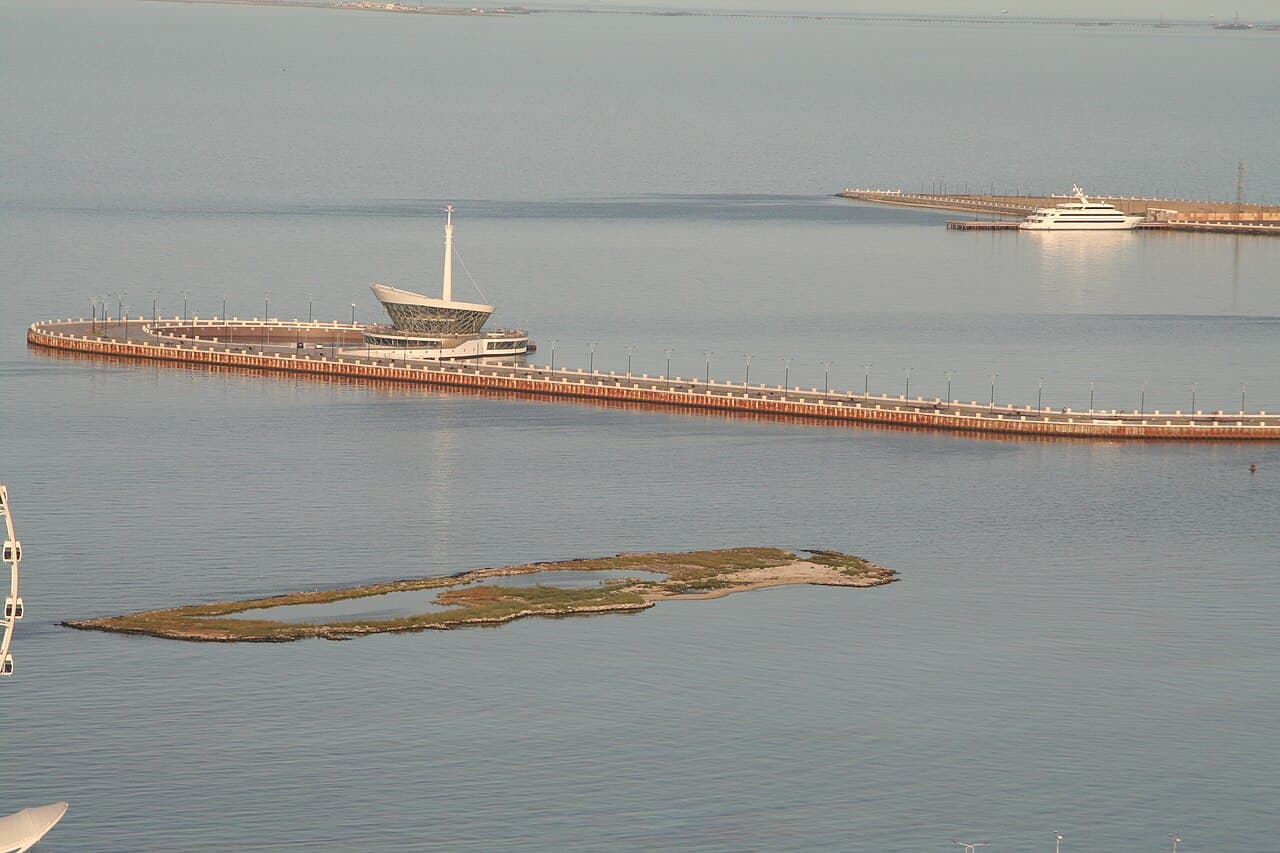
Sabayil Castle is a remarkable medieval fortress located on the coast of the Caspian Sea near Baku, Azerbaijan. This unique structure is partially submerged underwater, earning it the nickname the "Atlantis of the Caspian Sea". The castle's remains lie beneath the sea, offering a rare glimpse into the architectural and historical heritage of the 13th century in this region.
Historical context and significance
The castle is named after the surrounding area of Bayil, a district in Baku. Constructed during the High Medieval period, Sabayil Castle served multiple purposes throughout its history. Scholars and researchers have debated its original function, with interpretations ranging from a defensive fortress to an underground town, caravanserai, cloister, monastery, and even a custom house. Despite these varying views, the predominant consensus is that Sabayil Castle was primarily a defensive structure protecting the coastline and trade routes along the Caspian Sea.
Architectural features and construction
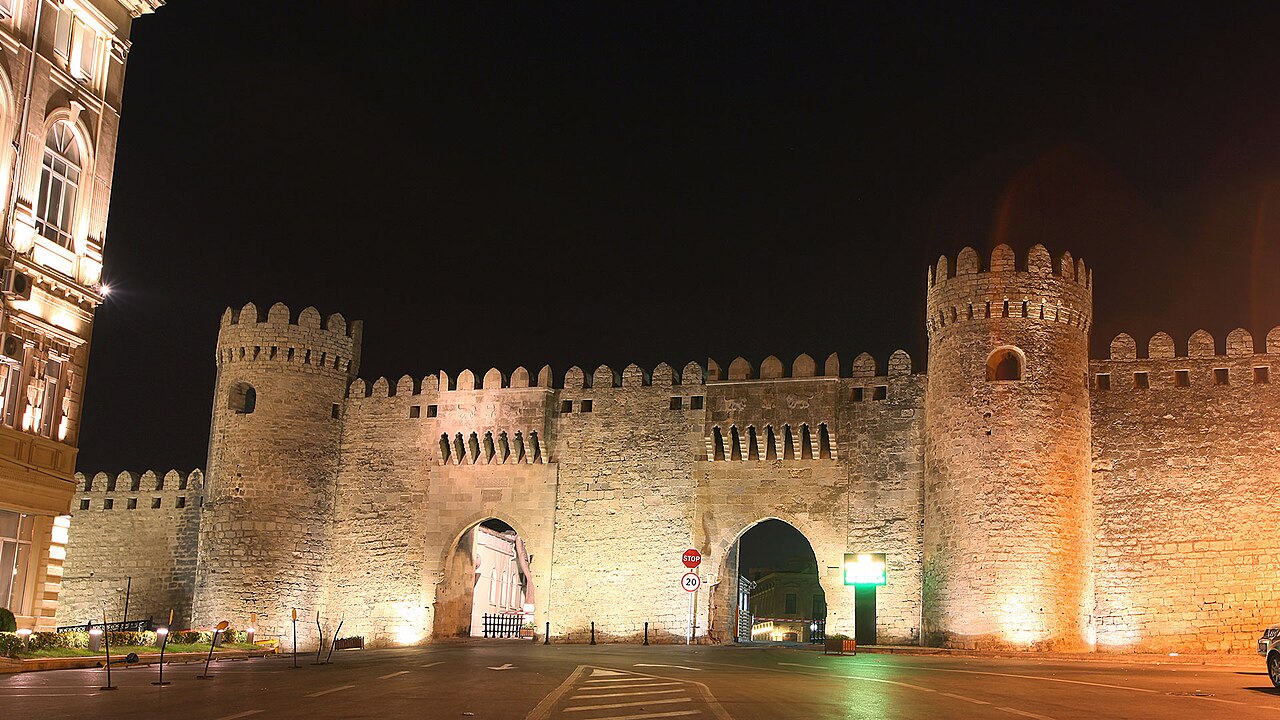
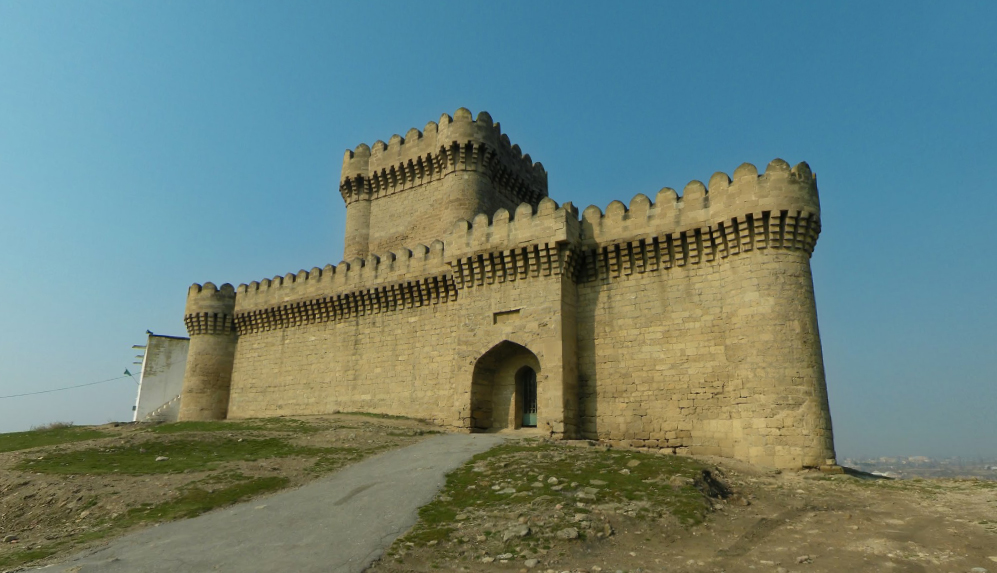
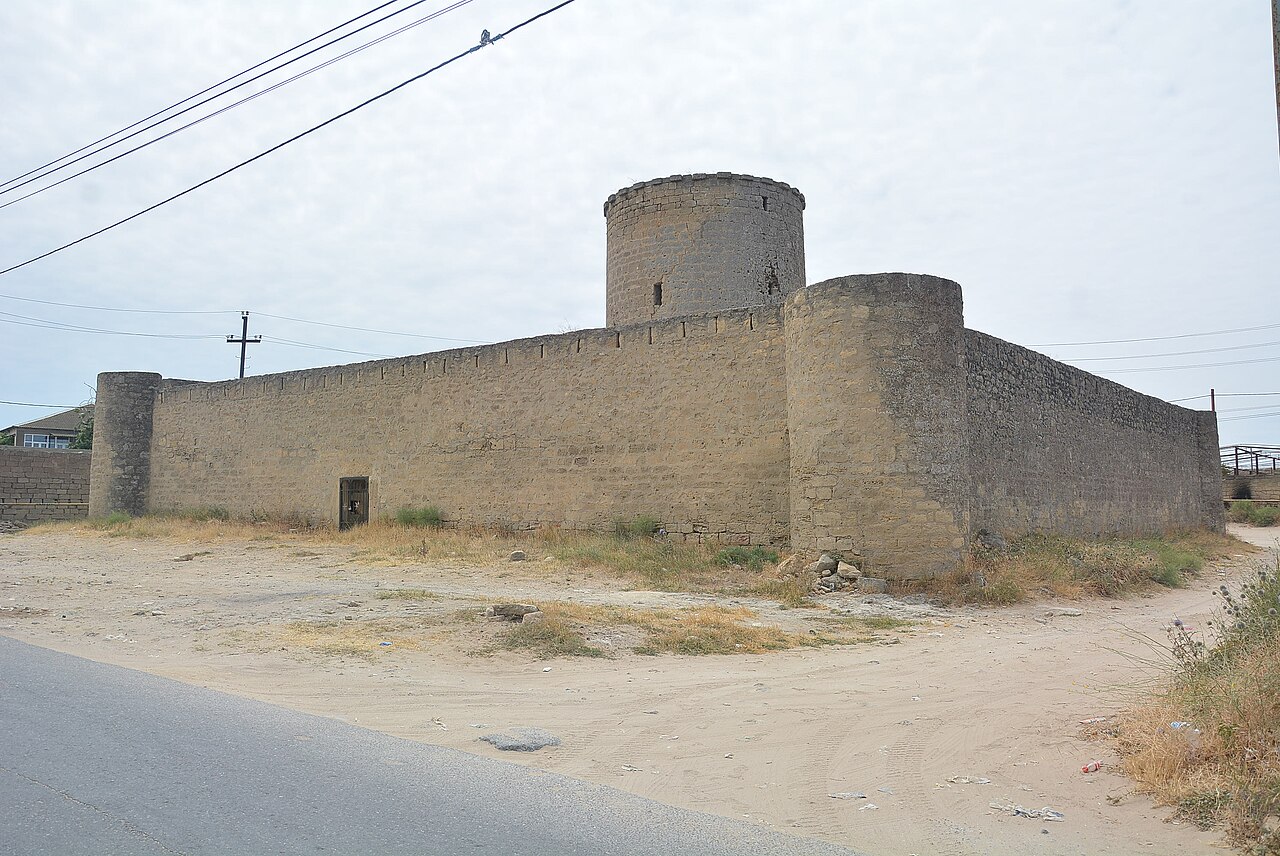
The castle was built on a hill near the shore, which originally allowed it to oversee maritime traffic and defend against naval threats. Its construction in the 13th century reflects typical High Medieval military architecture adapted to the local environment. The fortress featured robust stone walls, towers for surveillance, and fortified gates. Over time, rising water levels of the Caspian Sea led to partial submersion of the structure, which now lies mostly underwater.
Structural layout
While much of the castle is submerged, archaeological research has revealed parts of the fortification walls and foundations of various buildings within the complex. The layout suggests a well-planned defensive installation with inner courtyards and chambers. The presence of storage areas and living quarters indicates it was designed to sustain prolonged sieges or serve as a secure stopover for travelers and merchants.
Archaeological discoveries and research
Excavations and underwater archaeological studies have been conducted to better understand Sabayil Castle's history and function. These investigations uncovered artifacts such as pottery, coins, and tools, which help date the castle and provide insight into the daily life of its inhabitants. The castle's submersion has preserved many elements, making it an important site for studying medieval coastal fortifications in the Caspian region.
Challenges of preservation
The castle's underwater location poses significant challenges for preservation and public access. Saltwater erosion and shifting sediments threaten the integrity of the remaining structures. Efforts to document and protect the site continue, emphasizing the castle's cultural and historical value for Azerbaijan and the broader region.
Legacy and cultural importance
Sabayil Castle holds a prominent place in Azerbaijani heritage as a symbol of medieval maritime defense and architecture. Its mysterious submerged state captivates historians, archaeologists, and visitors alike. The castle is a testament to the strategic significance of the Caspian Sea coast during the medieval period and reflects the complex interactions of trade, defense, and settlement in the area.
Today, Sabayil Castle remains a subject of study and fascination, contributing to the understanding of medieval fortifications and the historical landscape of Azerbaijan. It is also a potential attraction for cultural tourism, offering a unique underwater archaeological site that connects the past with the present.
Frequently asked questions (FAQ)
- How do I visit Sabayil Castle?
- Sabayil Castle is partially submerged and not fully accessible for direct visits. Visitors can view it from the shore near Bayil district in Baku. Specialized tours or exhibitions may provide more information about the site.
- What is the historical significance of Sabayil Castle?
- Sabayil Castle was a medieval fortress built in the 13th century to protect the Caspian Sea coast. It played a role in maritime defense and trade control during the High Medieval period.
- Why is Sabayil Castle called the Atlantis of the Caspian Sea?
- The castle is called the Atlantis of the Caspian Sea because it is partially submerged underwater, resembling the legendary lost city of Atlantis. This unique feature makes it a fascinating archaeological site.
- Is Sabayil Castle accessible for underwater exploration?
- Underwater exploration of Sabayil Castle is limited and requires special permits and equipment. Archaeological dives have been conducted, but general tourist access is restricted due to preservation concerns.
- When was Sabayil Castle built?
- Sabayil Castle was constructed in the 13th century during the High Medieval period, reflecting the architectural and strategic needs of that time.
Photo gallery

Information
Loading map...
Visitor reviews
No reviews yet. Been here? Write the first review and help other travelers!
Write the first reviewVisited this castle? Share your experience
Your review helps other travelers and adds first-hand knowledge to our encyclopedia.