Ramana Tower
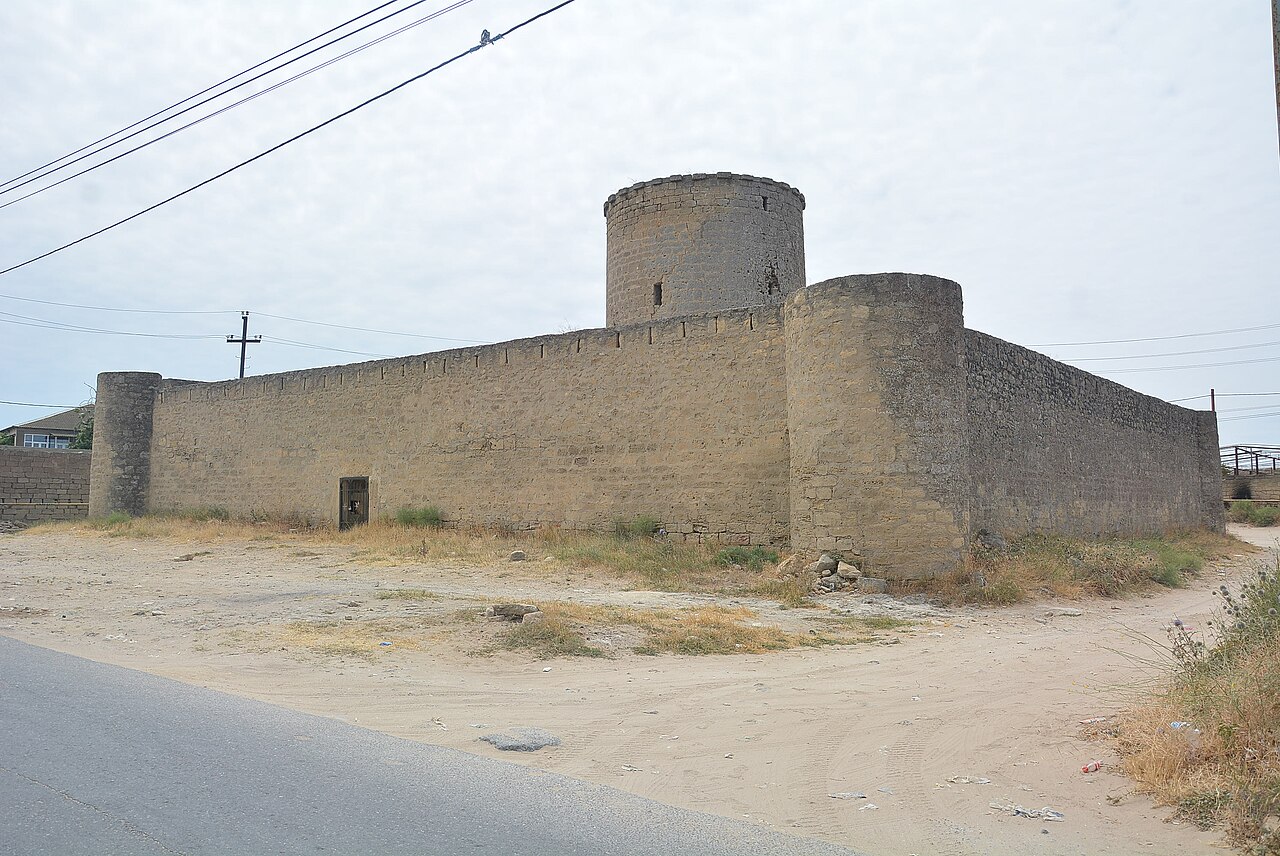
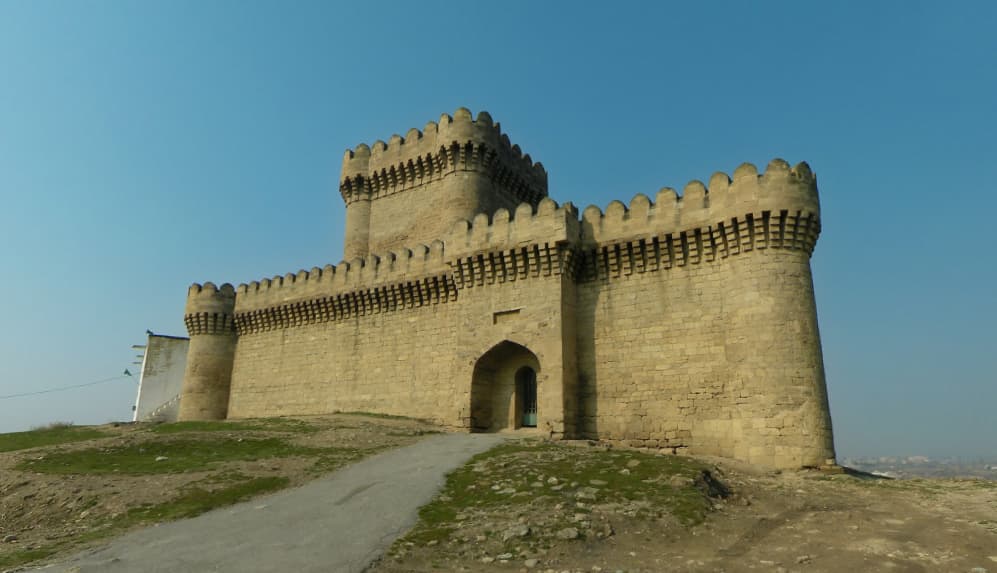
Ramana Tower stands as a remarkable example of medieval military architecture located in the village of Ramana, within the city of Baku, Azerbaijan. Dating back to the 12th century, this tower is constructed from white stone and reaches a height of approximately 15 meters. While the exact year of its construction remains uncertain, it is widely believed that the tower was erected as a defensive structure during the reign of the Shirvanshahs, the ruling dynasty of the region.
Architectural design and defensive features
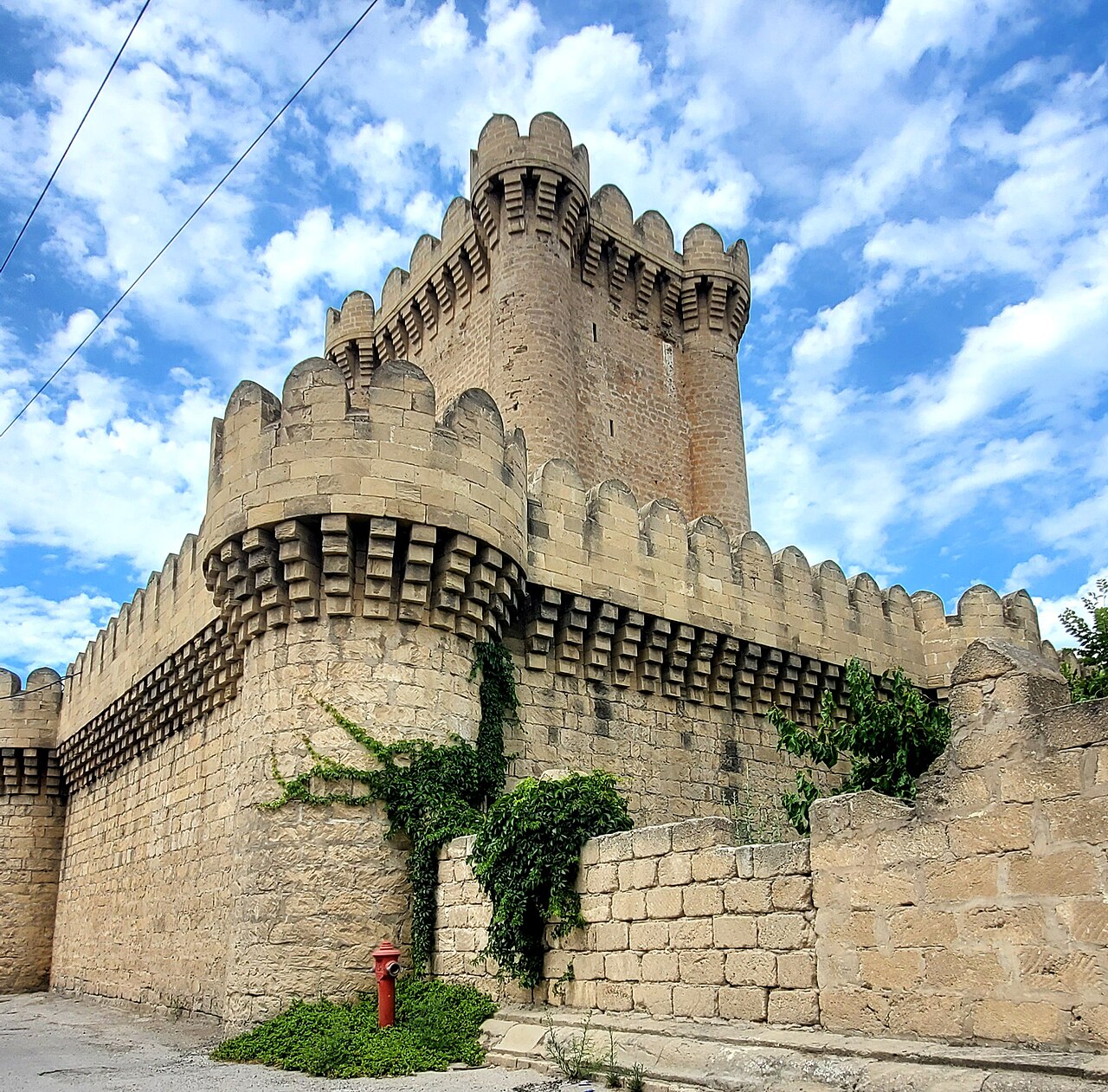
The tower's architecture reflects the strategic military needs of its time. Unlike other fortifications in the Absheron Peninsula, such as the Mardakan Castle, Ramana Tower is uniquely positioned directly on rocky outcrops, making the strong walls appear as a natural extension of the rocky slopes. This natural integration enhanced its defensive capabilities, making it difficult for attackers to breach the structure.
Ramana Tower features a rectangular plan and is characterized by robust walls typical of defensive towers in the region. The tower includes two staircases that provide access to its walls and battlements. One is a spiral staircase located inside the tower, leading to a corridor that extends approximately three meters beyond the tower’s main structure. The other is an external stone staircase from the garden area, allowing visitors to ascend to the tower walls and enjoy panoramic views of the surrounding countryside.
Unlike many other Absheron towers where entrances are elevated for defensive advantage, Ramana Tower’s entrance with the spiral staircase is at ground level, a feature that distinguishes it from similar fortifications. The tower also contains windows strategically placed for surveillance and defense, penetrating all layers of the walls.
Structural elements and materials
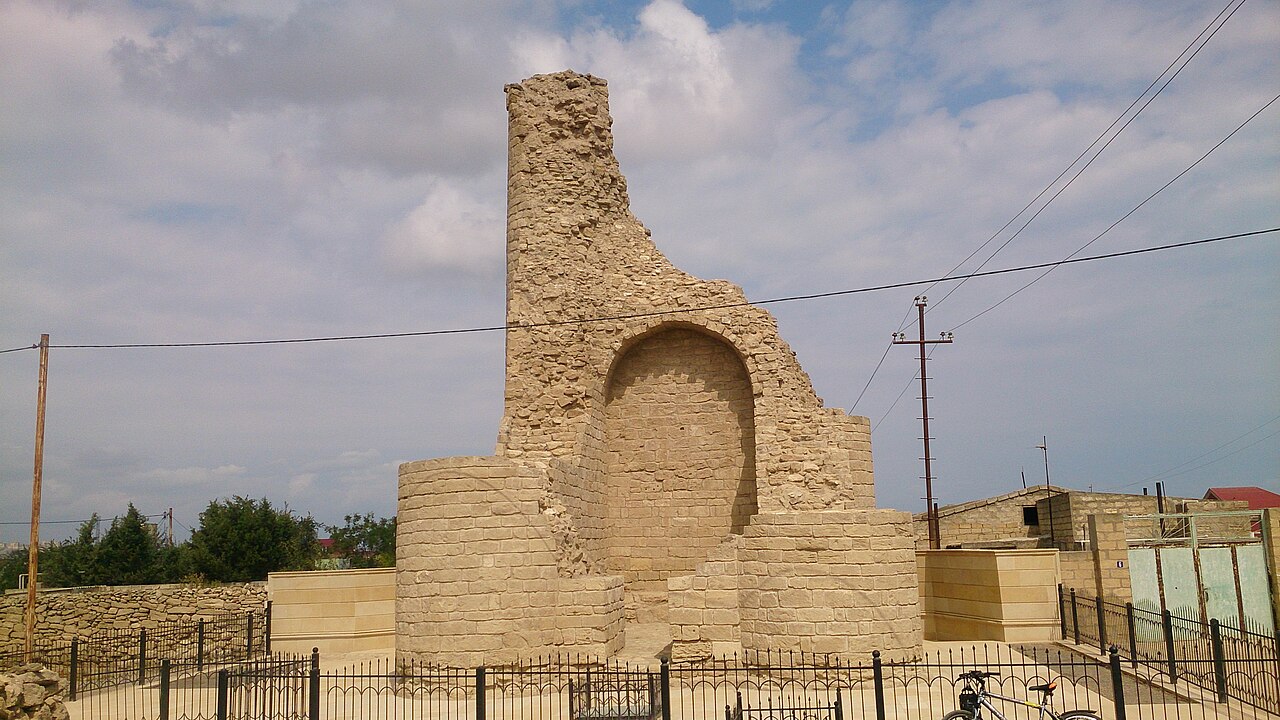
The tower is built primarily from white limestone, a common material in the region, known for its durability and aesthetic appeal. The walls are thick and sturdy, designed to withstand sieges and attacks. An arch is present in the eastern wall, adding to the structural integrity and possibly serving as an architectural element for defense or light.
Historical context and significance
Ramana Tower was likely constructed as part of a network of defensive structures commissioned by the Shirvanshahs to protect their territory from invasions and raids during the medieval period. The Shirvanshahs ruled the region from the 9th to the 16th centuries, and their architectural legacy includes many fortresses and castles across Azerbaijan.
The tower’s design and location suggest it was not only a military installation but also a watchtower, providing early warnings of approaching enemies. Its position atop rocky terrain allowed for extensive visibility over the surrounding landscape, an essential feature for defense in the era before modern surveillance.
Comparison with other Absheron towers
While Ramana Tower shares architectural similarities with other towers in the Absheron region, such as Mardakan Castle, it is distinguished by its picturesque setting and the prominence of its tower. Unlike many regional towers that feature decorative elements, Ramana Tower is notable for its austere and functional design, reflecting a focus on military utility over ornamentation.
The tower’s lack of decorative design and stylistic elements aligns it more closely with the 14th century military architectural tradition, despite its earlier origins. This suggests that the tower may have undergone modifications or restorations during that period, adapting to evolving defensive needs.
Visitor experience and current status
Today, Ramana Tower remains a well-preserved example of medieval defensive architecture in Azerbaijan. Visitors can ascend the internal spiral staircase or the external stone stairs to explore the battlements and enjoy sweeping views of the Absheron Peninsula. The tower offers a tangible connection to the region’s rich history and the strategic importance of its fortifications.
The tower’s location on rocky terrain and its integration with the natural landscape make it a unique attraction for those interested in military architecture and Azerbaijani heritage. Its preservation allows for educational opportunities and cultural tourism, highlighting the historical significance of the Shirvanshahs’ reign and their architectural contributions.
Frequently asked questions (FAQ)
- How do I get to Ramana Tower in Baku?
- Ramana Tower is located in the village of Ramana, within Baku, Azerbaijan. Visitors can reach the tower by car or local transport from central Baku, with clear signage directing to the site.
- What is the historical significance of Ramana Tower?
- Ramana Tower was built in the 12th century as a defensive structure during the reign of the Shirvanshahs. It served as a watchtower and fortification to protect the region from invasions.
- Can visitors climb Ramana Tower?
- Yes, visitors can climb Ramana Tower using two staircases: an internal spiral staircase and an external stone staircase from the garden, both leading to the battlements.
- What architectural style is Ramana Tower built in?
- Ramana Tower features a mixed architectural style typical of Absheron defensive towers, combining functional military design with natural integration into rocky terrain.
- Is there an entrance fee to visit Ramana Tower?
- Visiting Ramana Tower is generally free of charge, making it accessible to tourists and history enthusiasts interested in Azerbaijani heritage.
Photo gallery

Information
Loading map...
Visitor reviews
No reviews yet. Been here? Write the first review and help other travelers!
Write the first reviewVisited this castle? Share your experience
Your review helps other travelers and adds first-hand knowledge to our encyclopedia.