Baku Fortress
Baku fortress, located in the historic heart of Azerbaijan's capital city, stands as a remarkable testament to centuries of defensive architecture and urban development. Known locally as Icheri Sheher or the Old City, this ancient fortress complex has played a pivotal role in protecting the city from numerous invasions and shaping its unique cultural identity. Situated on a high hill overlooking the Caspian Sea and surrounded by the Caucasus Mountains, the fortress's strategic location allowed it to control maritime and land routes effectively.
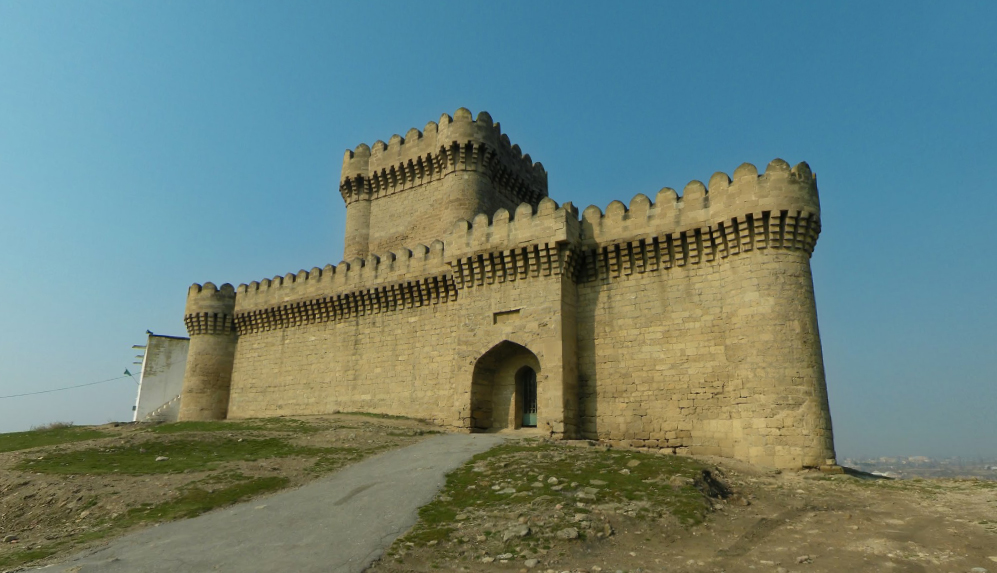
The fortress's design reflects the complex military and urban planning of medieval times. Its triple row of walls, including the iconic Maiden Tower, and numerous fortification structures created a formidable barrier against invaders. The walls, varying in height and thickness, were complemented by deep moats and ditches filled with ground water during times of siege, enhancing the fortress's defensive capabilities. The urban fabric within the fortress walls was intentionally labyrinthine, featuring narrow winding streets and geometric layouts that facilitated defense and control.
Historical background and significance
The origins of Baku fortress are shrouded in antiquity, with some scholars linking the city to the ancient Albanian settlements mentioned by Ptolemy. While the exact date of the fortress's initial construction is uncertain, inscriptions suggest significant development occurred during the reign of Shirvanshah Manuchehr III in the 12th century. However, archaeological and historical evidence indicates that defensive works existed in the area well before this period.
Throughout the medieval era, Baku fortress served as the nucleus of the city, embodying its political and military power. The fortress's walls enclosed a compact urban area that functioned both as a residential quarter and a military stronghold. The fortress's resilience was tested during various conflicts, including the 1826 defense against invading forces after the Khanate of Baku was annexed by the Russian Empire in 1806.
Architectural features and urban layout
Walls, towers, and gates
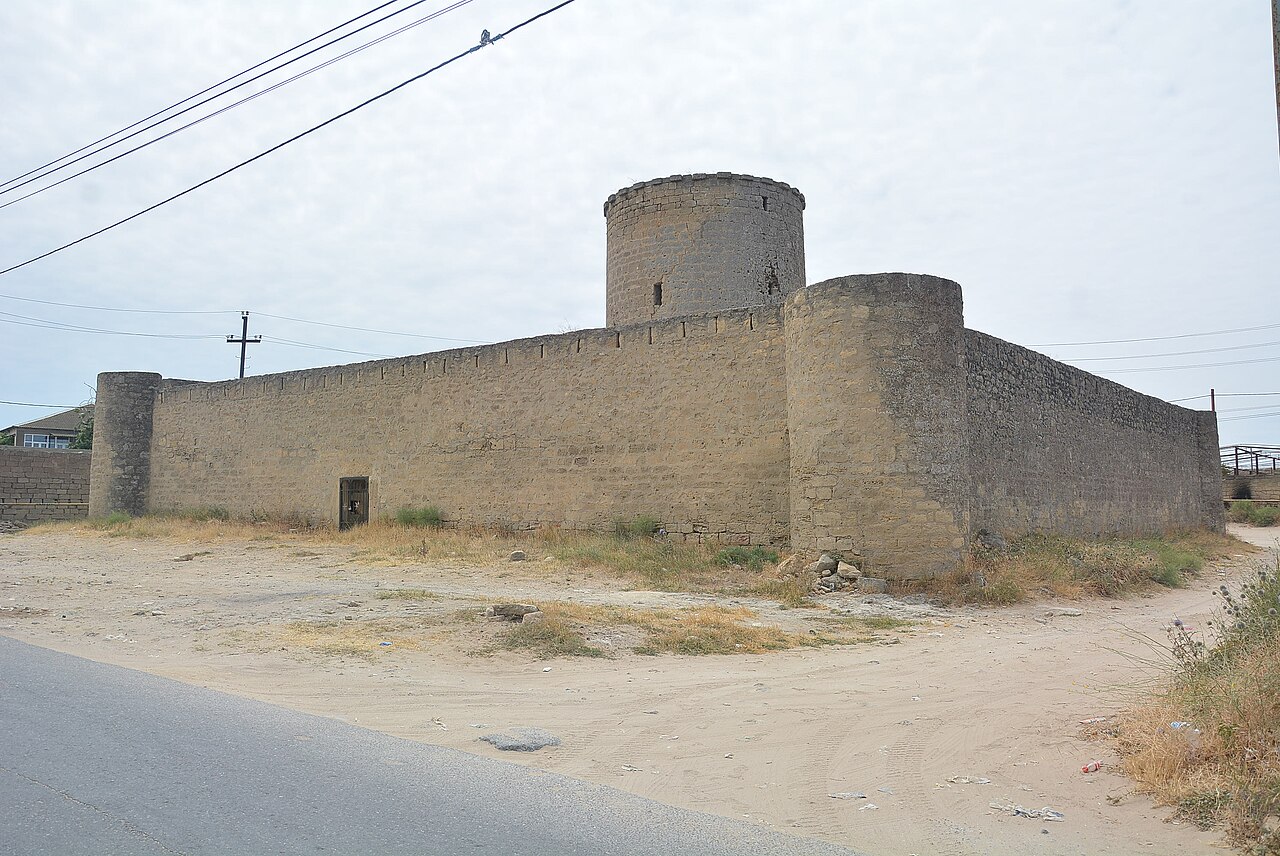
The fortress's walls were constructed with strategic variation: the inner walls were high and thick, designed to withstand assaults, while the outer walls were lower and supplemented by moats. The inner walls, attributed to Manuchekhr II, remain largely preserved and showcase the medieval builders' skill in utilizing local rock formations and terrain relief. The outer walls, built under the governance of Zufuqar-Khan in 1608-1609, were surrounded by a deep moat that could be flooded, adding an extra layer of defense.
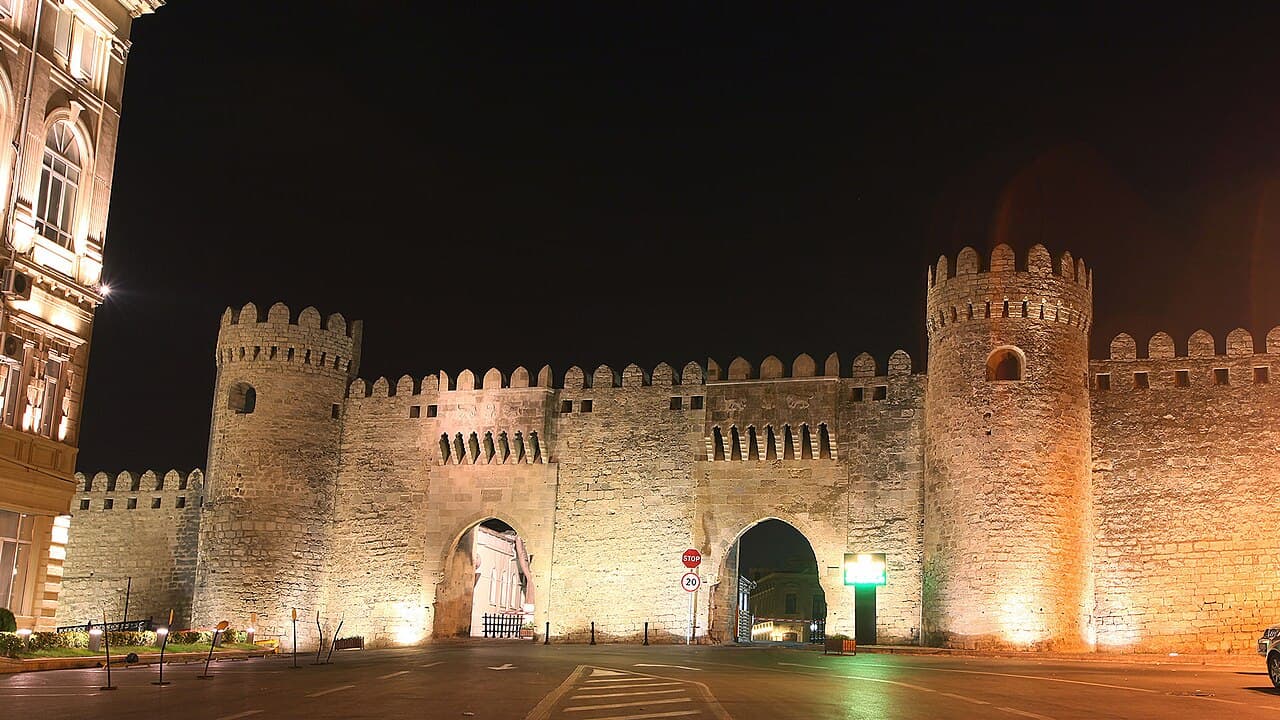
Among the fortress's most notable features is the Maiden Tower, a cylindrical stone tower whose exact original purpose remains debated but is widely regarded as a key defensive and symbolic structure. The fortress also included numerous other towers and gates, including the Gosha Gala Gapysy or "dual gate," constructed in the late 19th century near the northern entrance. This gate is distinguished by its ornate decorations and plastic arts, reflecting a blend of medieval and later architectural influences.
Urban design and defensive strategy
The fortress's internal urban design was deliberately complex. The streets narrowed and twisted, creating a labyrinthine environment that hindered enemy movements and allowed residents to participate actively in the city's defense. Large squares and open spaces were interspersed with narrow alleys, facilitating communication and troop movements within the fortress walls.
The buildings themselves were constructed with defensive considerations, often featuring thick walls and limited openings. The fortress's location on a hill and the use of natural rock formations enhanced its defensive posture, allowing defenders to monitor and repel attacks effectively.
Later developments and preservation
As Baku grew rapidly in the 19th and early 20th centuries due to the burgeoning oil industry, the medieval fortress became insufficient to contain the expanding population. By the late 19th century, the outer walls facing the sea were dismantled to accommodate urban growth, with their stones repurposed to reinforce the inner walls. This transformation marked a shift from a purely defensive stronghold to a historic and cultural monument within a modernizing city.
Today, the fortress and the Old City remain a vibrant part of Baku, preserving the medieval character amidst the modern metropolis. The walls, towers, narrow alleys, and historic buildings offer a glimpse into the city's rich past and its architectural heritage. The fortress is recognized as a symbol of Baku's resilience, dignity, and cultural significance, attracting visitors who seek to experience its unique blend of history and urban charm.
Cultural and historical importance
Baku fortress is not only a military relic but also a cultural emblem that reflects the city's historical evolution and its role as a crossroads of civilizations. The fortress's survival through centuries of conflict and change underscores its importance as a heritage site. It embodies the architectural ingenuity and strategic acumen of its builders, as well as the enduring spirit of Baku's inhabitants.
Visitors today can explore the fortress's maze-like streets, admire the Maiden Tower, and appreciate the intricate blend of defensive and residential architecture that characterizes this ancient city within a city. The fortress stands as a living monument to Azerbaijan's medieval past and its continuing legacy in the modern era.
Frequently asked questions (FAQ)
- How do I visit Baku fortress and what are the opening hours?
- Baku fortress is located in the Old City of Baku and is open to visitors year-round. The typical visiting hours are from 9:00 AM to 6:00 PM daily, allowing ample time to explore the historic walls, towers, and streets.
- What is the historical significance of the Maiden Tower within Baku fortress?
- The Maiden Tower is one of the most iconic structures within Baku fortress, serving as both a defensive stronghold and a symbol of the city's heritage. Its exact origins are debated, but it remains a focal point of medieval architecture and cultural identity.
- Can I explore the underground passages and tunnels in Baku fortress?
- Some parts of Baku fortress include underground roads and passages that were used for defense and communication. While not all are accessible to the public, guided tours may offer limited access to certain sections.
- Why were the outer walls of Baku fortress dismantled?
- The outer walls were dismantled in the late 19th century to accommodate the rapid urban expansion of Baku driven by the oil boom. Stones from the outer walls were reused to reinforce the inner walls of the fortress.
- Is Baku fortress accessible for people with mobility issues?
- Due to the fortress's medieval layout with narrow, uneven streets and stairs, accessibility can be challenging for visitors with mobility issues. However, some areas are more accessible, and assistance can be arranged upon request.
Photo gallery

Information
Loading map...
Visitor reviews
No reviews yet. Been here? Write the first review and help other travelers!
Write the first reviewVisited this castle? Share your experience
Your review helps other travelers and adds first-hand knowledge to our encyclopedia.