Ryczów
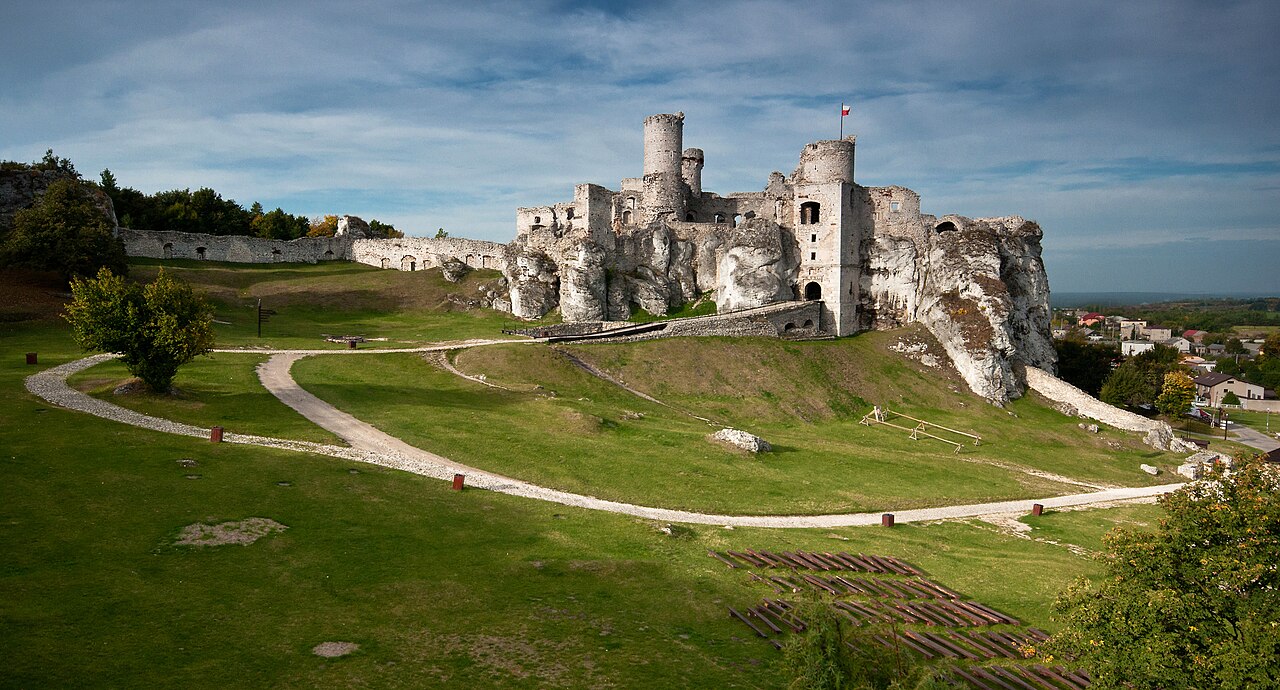
Ryczów Castle is a striking example of a late medieval hill castle situated on a high Jurassic rock formation near the village of Ryczów in Poland. The castle's ruins, perched on a steep and isolated rock, represent a modest but strategically significant defensive outpost likely established in the 14th century. This fortress was probably constructed during the reign of King Casimir III the Great as part of a network of border defenses along the Polish-Czech frontier. Despite the absence of detailed historical records about its founders or original architects, the castle’s remains provide valuable insight into the military and residential architecture of the period.
Location and strategic importance
Ryczów Castle occupies a commanding position atop a high Jurassic limestone rock, which naturally fortified the site and made it difficult to access. Its location away from major tourist routes contributes to its secluded and somewhat mysterious atmosphere. The castle’s placement was likely chosen to monitor and control movement along the border region, serving as a watchpoint and refuge for border guards during times of conflict. The surrounding landscape, characterized by rugged rock formations and forested areas, enhanced its defensive capabilities.
Architectural features and layout
Fortification design
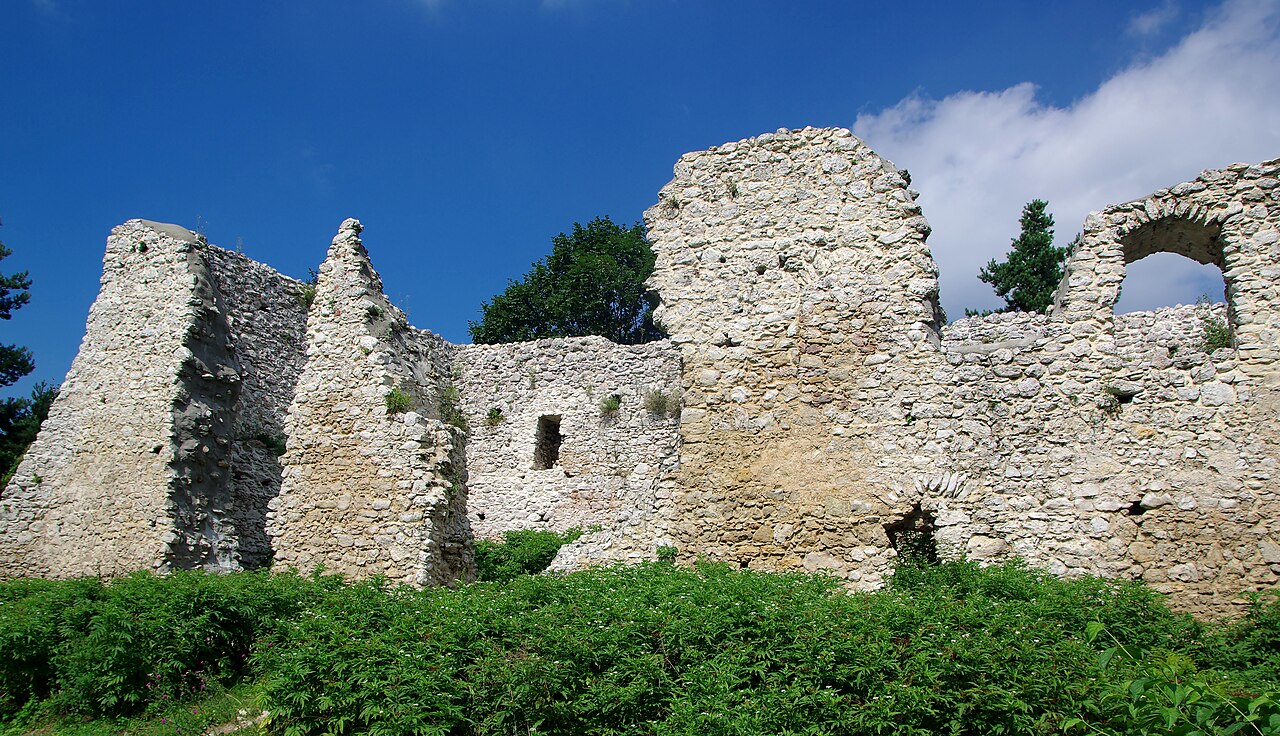
The castle was built using rough-hewn stone masonry, forming walls arranged in a polygonal plan approximating a trapezoid. This irregular shape adapted to the natural contours of the rock summit, maximizing the use of the available space for defense and habitation. The walls that remain today are relatively low but have been stabilized and supplemented to preserve the ruins.
Residential and defensive structures
At the core of the castle was a residential building or guardhouse designed to accommodate the garrison stationed there. Originally, the castle featured a tall defensive tower (baszta), whose remnants were visible until several decades ago, indicating the castle's role as a lookout and stronghold. The tower would have provided vantage points for surveillance and defense against attackers.
Surrounding defenses
Below the rock, faint traces of earthworks such as embankments and a moat have been identified. These features likely enclosed the entire defensive complex, adding layers of protection beyond the natural rock barrier. Although these earthworks are poorly preserved, they hint at a more extensive fortification system that complemented the stone castle above.
Historical context and significance
Ryczów Castle’s probable construction during the reign of King Casimir III the Great places it within a period of significant fortification efforts in the Kingdom of Poland. Casimir III is known for strengthening the country's borders and building numerous castles to secure territories and trade routes. While Ryczów was not a large or elaborate fortress, its role as a border guard post was crucial in maintaining regional security.
The lack of comprehensive historical documentation means that much of the castle’s story remains speculative. However, the architectural remnants and strategic location provide clues about its function and importance. The castle likely served as a small garrison point and refuge for soldiers tasked with border surveillance and defense against incursions.
Preservation and current condition
Today, Ryczów Castle exists primarily as ruins, with only low sections of the original walls remaining. These ruins have been secured and supplemented to prevent further deterioration, allowing visitors to appreciate the castle’s historical footprint. The site’s rugged terrain and limited accessibility have helped preserve its remains from extensive modern disturbance.
Visitors to Ryczów can explore the castle ruins and enjoy panoramic views of the surrounding Jurassic landscape. The site offers a glimpse into medieval defensive architecture adapted to natural rock formations and the challenges of border defense in the Middle Ages.
Visiting Ryczów Castle
Although off the beaten path, the castle ruins are accessible to those interested in medieval history and architecture. The site is ideal for hikers and history enthusiasts who appreciate exploring less frequented heritage locations. Visitors should prepare for uneven terrain and limited facilities, as the castle is preserved mainly as an archaeological site.
Nearby natural attractions and the scenic Jura Krakowsko-Częstochowska region enhance the visitor experience, making Ryczów Castle a worthwhile destination for cultural tourism combined with outdoor activities.
Frequently asked questions (FAQ)
- When was Ryczów Castle built and for what purpose?
- Ryczów Castle was likely built in the 14th century during the reign of King Casimir III the Great to serve as a defensive outpost guarding the Polish-Czech border.
- What remains of Ryczów Castle can visitors see today?
- Visitors can see low sections of stone walls arranged in a trapezoidal plan on a high Jurassic rock, along with traces of earthworks like moats and embankments around the site.
- Is Ryczów Castle easily accessible to tourists?
- The castle is located on a steep and isolated rock formation, making access somewhat challenging. It is best suited for visitors prepared for hiking and exploring rugged terrain.
- What architectural features characterized Ryczów Castle?
- Ryczów Castle featured rough-hewn stone walls, a polygonal trapezoidal layout, a residential building or guardhouse, and originally a tall defensive tower that served as a lookout.
- Why is Ryczów Castle historically significant?
- Although small, Ryczów Castle played a key role as a border guard post during the late medieval period, contributing to the security of the Polish-Czech frontier under King Casimir III the Great.
Information
Loading map...
Visitor reviews
No reviews yet. Been here? Write the first review and help other travelers!
Write the first reviewVisited this castle? Share your experience
Your review helps other travelers and adds first-hand knowledge to our encyclopedia.