Rożnów
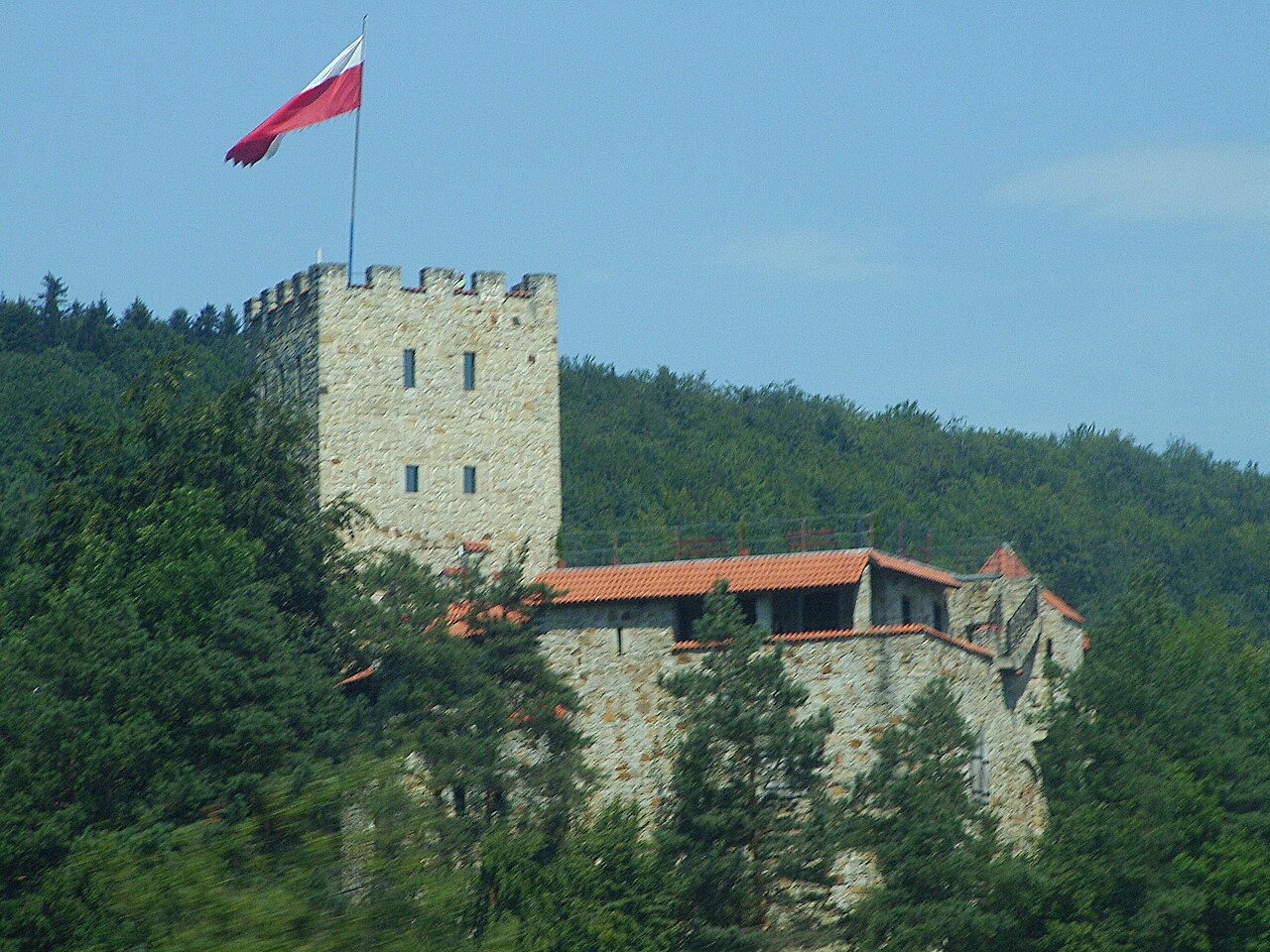
Rożnów Castle is a historically significant medieval stronghold located in the picturesque resort town of Rożnów, Poland, overlooking the Rożnowskie Lake. The site is notable for the remains of two distinct fortifications: a 15th-century hill castle and an adjacent early modern bastion fortress. These ruins highlight the evolution of military architecture from the late medieval period into the Renaissance era, reflecting changing defensive strategies and noble ownership.
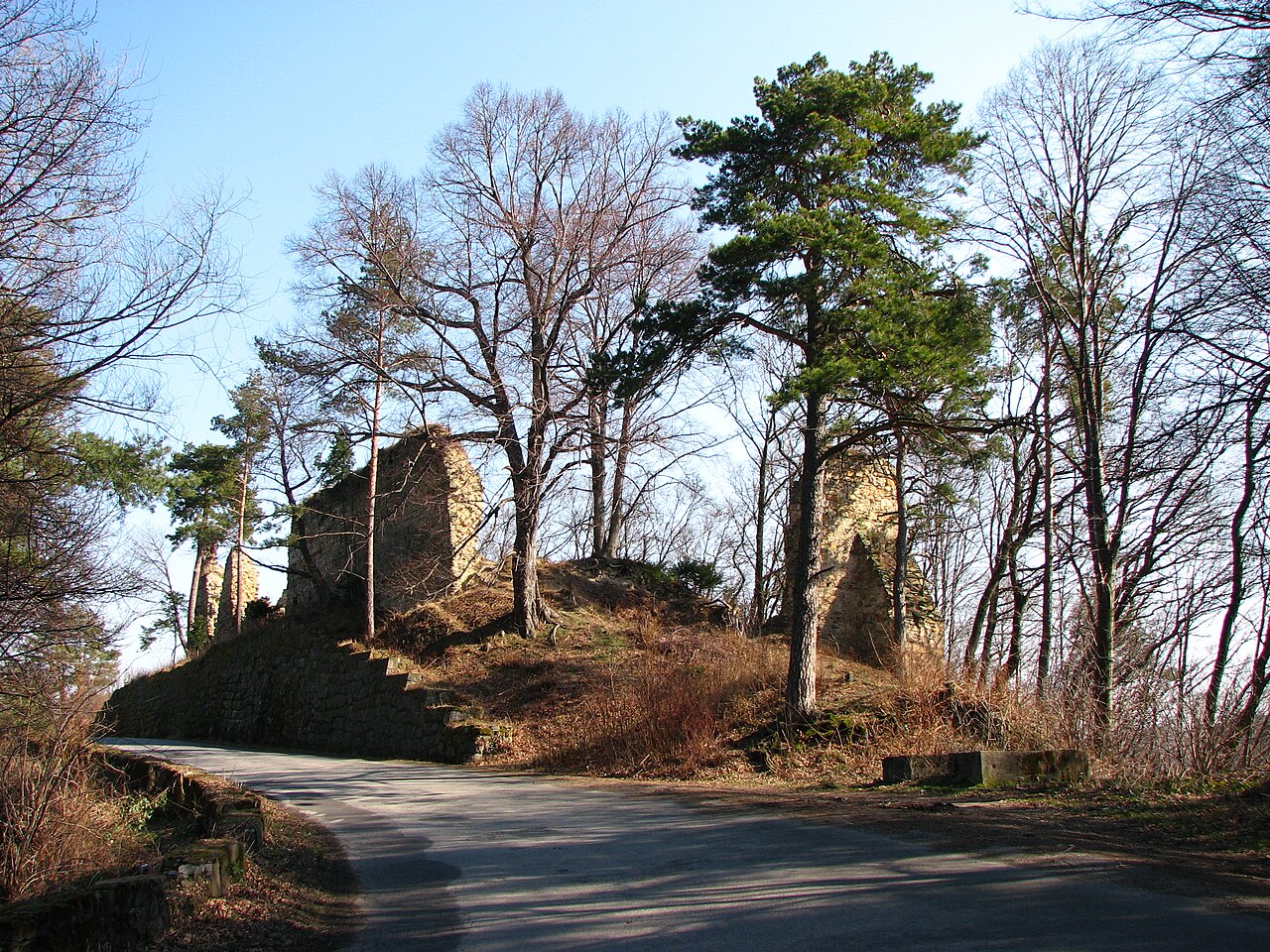
The original castle was constructed between 1350 and 1370 by the noble Rożen family, possibly on the site of an earlier 13th-century fortification attributed to the Gryfit knights. This stone castle was built on a rectangular plan measuring approximately 44 by 20 meters, strategically positioned on a steep promontory formed by a bend in the Dunajec River. The castle's location on a hill with natural defensive advantages was further enhanced by a trench cutting across the ridge on both sides, isolating the stronghold.
Architectural features of the medieval hill castle
The castle was designed primarily as a knightly residence and defensive fortress, typical of late medieval Polish hill castles. Its robust stone walls enclosed a courtyard, with remnants of interior structures surviving up to window height in some areas. The layout reflects a focus on defense combined with residential needs, including living quarters and service buildings within the enclosure.
Ownership of the castle passed through several prominent families. In 1426, it was purchased by the renowned knight Zawisza Czarny of Grabów, a figure celebrated in Polish history for his chivalry and military prowess. Subsequently, it belonged to the Wydżga family before passing to the influential Tarnowski family in the latter half of the 15th century.
The decline of the medieval castle and rise of the bastion fortress
By the mid-16th century, the castle's strategic importance diminished. Jan Tarnowski, the Great Crown Hetman and a noted military theorist, initiated the construction of a new, modern fortification near the Dunajec River valley. This new fortress was among the first examples of Renaissance bastion fortifications in Poland, incorporating innovations inspired by Italian military architecture.
As Tarnowski focused on building the new bastion fortress, the original hill castle was abandoned and rapidly fell into ruin. Today, only faint traces of the perimeter walls and some internal structures remain, providing valuable archaeological insights into medieval defensive architecture.
The bastion fortress: an early modern military innovation
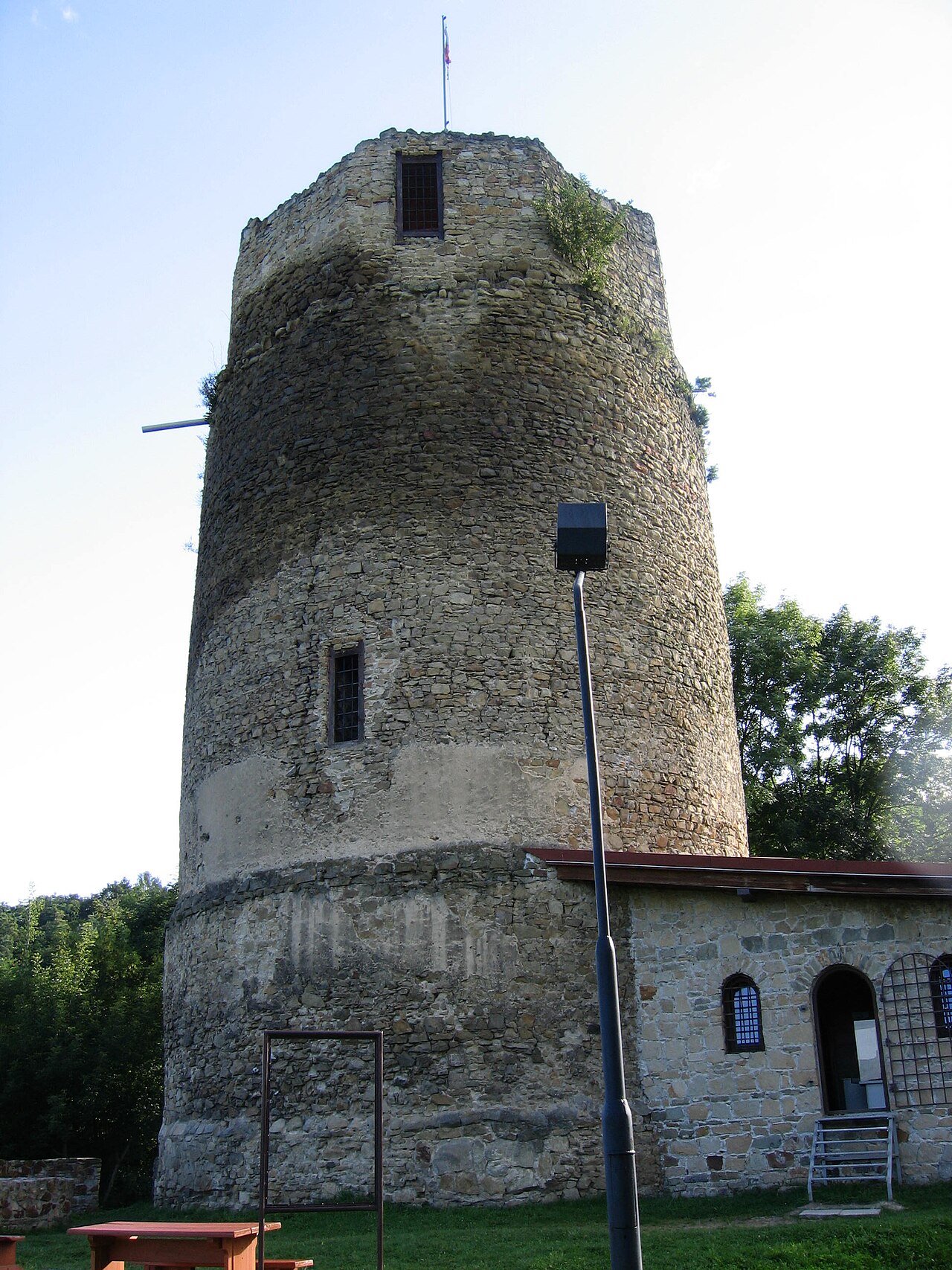
The bastion fortress, started before 1568 by Jan Tarnowski, represents a pioneering adaptation of star fort principles to Polish terrain. The key surviving element is a stone bastion constructed on a pentagonal plan with a 30-meter axis. Its walls, approximately three meters thick, featured gun ports on two levels for artillery defense.
Access to the upper firing positions was provided by an internal wooden gallery, a unique feature that allowed defenders to move safely while maintaining a continuous line of fire. The bastion was likely earth-covered to absorb cannon fire, a technique advanced for its time.
Complementing the bastion was a two-story gatehouse positioned at the bottom of a ravine used as a moat. The entrance was situated seven meters above the base level, enhancing defense against attackers. Curtain walls connected these structures, enclosing a courtyard that once housed a wooden circular castle, now lost.
Later history and current condition
Over the centuries, the Rożnów site changed hands among various noble families, with the Stadnicki family owning it from 1745. In the early 19th century, the bastion was repurposed to house a distillery, reflecting changing uses of the site beyond military purposes.
Today, the Rożnów fortifications are ruins that suffer from neglect and lack of preservation efforts. Despite this, the site remains a valuable cultural and historical landmark, embodying the transition from medieval to early modern fortification techniques in Poland. Its location near the scenic Dunajec River and Rożnowskie Lake offers potential for tourism development and educational initiatives.
Significance in Polish military architecture
Rożnów's dual fortifications exemplify the architectural and strategic evolution from medieval hill castles to Renaissance bastioned fortresses. The site provides rare physical evidence of early adoption of Italian-style bastions in Poland, highlighting Jan Tarnowski's role as a military innovator. The ruins offer insights into the adaptation of European military trends within the Polish context during a period of significant technological change.
Preserving and studying Rożnów is crucial for understanding Poland's feudal history, noble lineage, and the development of fortification architecture. It stands as a testament to the region's historical importance and the ingenuity of its builders.
Frequently asked questions (FAQ)
- How do I get to Rożnów Castle?
- Rożnów Castle is located in Rożnów, Poland, and is accessible by car or public transport. The nearest major city is Nowy Sącz, from which you can take a local bus or drive to the castle. Make sure to check local transport schedules for the most convenient routes.
- What is the historical significance of Rożnów Castle?
- Rożnów Castle dates back to the 14th century and played a crucial role in the defense of the region during various conflicts. Its rich history is intertwined with the noble families that inhabited it, particularly the Górka family. Today, it stands as a testament to Poland's medieval architecture and historical resilience.
- When was Rożnów Castle built?
- Construction of Rożnów Castle began in the 14th century, with significant modifications and expansions occurring over the years. The castle's architecture reflects various styles that evolved during its long history. Although much of it is in ruins today, remnants of its original structure can still be observed.
- Can I visit Rożnów Castle year-round?
- Yes, Rożnów Castle is open to visitors throughout the year, though certain areas may be restricted during the winter months due to weather conditions. It's recommended to check for any seasonal events or guided tours that may be available. Always verify current visiting hours before planning your trip.
- Why is Rożnów Castle a popular tourist destination?
- Rożnów Castle attracts visitors due to its stunning views of the surrounding landscape and its historical importance. The castle ruins offer a glimpse into Poland's medieval past, making it a fascinating site for history buffs and photographers alike. Additionally, its proximity to natural attractions enhances its appeal.
- Is it possible to take guided tours of Rożnów Castle?
- Yes, guided tours of Rożnów Castle are available, providing visitors with insights into its history and architecture. These tours typically cover the main features of the castle and share intriguing stories from its past. It's advisable to book in advance, especially during peak tourist seasons.
- What are the ticket prices for visiting Rożnów Castle?
- Ticket prices for Rożnów Castle are generally affordable, making it accessible for visitors of all ages. Discounts may be available for students, seniors, and groups. Check the official website or local tourism offices for the most current pricing information.
- What are the opening hours of Rożnów Castle?
- Rożnów Castle typically opens to visitors from early morning until late afternoon, but hours may vary by season. It is recommended to check the official schedule before your visit to ensure you have ample time to explore the site. Special events may influence the opening hours, so plan accordingly.
- What are some nearby attractions to Rożnów Castle?
- Nearby attractions include the picturesque Rożnów Lake, perfect for outdoor activities and relaxation. Additionally, the charming town of Rożnów offers local shops and eateries where you can experience Polish culture. Exploring these nearby sites can enhance your visit to the castle.
Information
Loading map...
Visitor reviews
No reviews yet. Been here? Write the first review and help other travelers!
Write the first reviewVisited this castle? Share your experience
Your review helps other travelers and adds first-hand knowledge to our encyclopedia.