Roudnice Castle
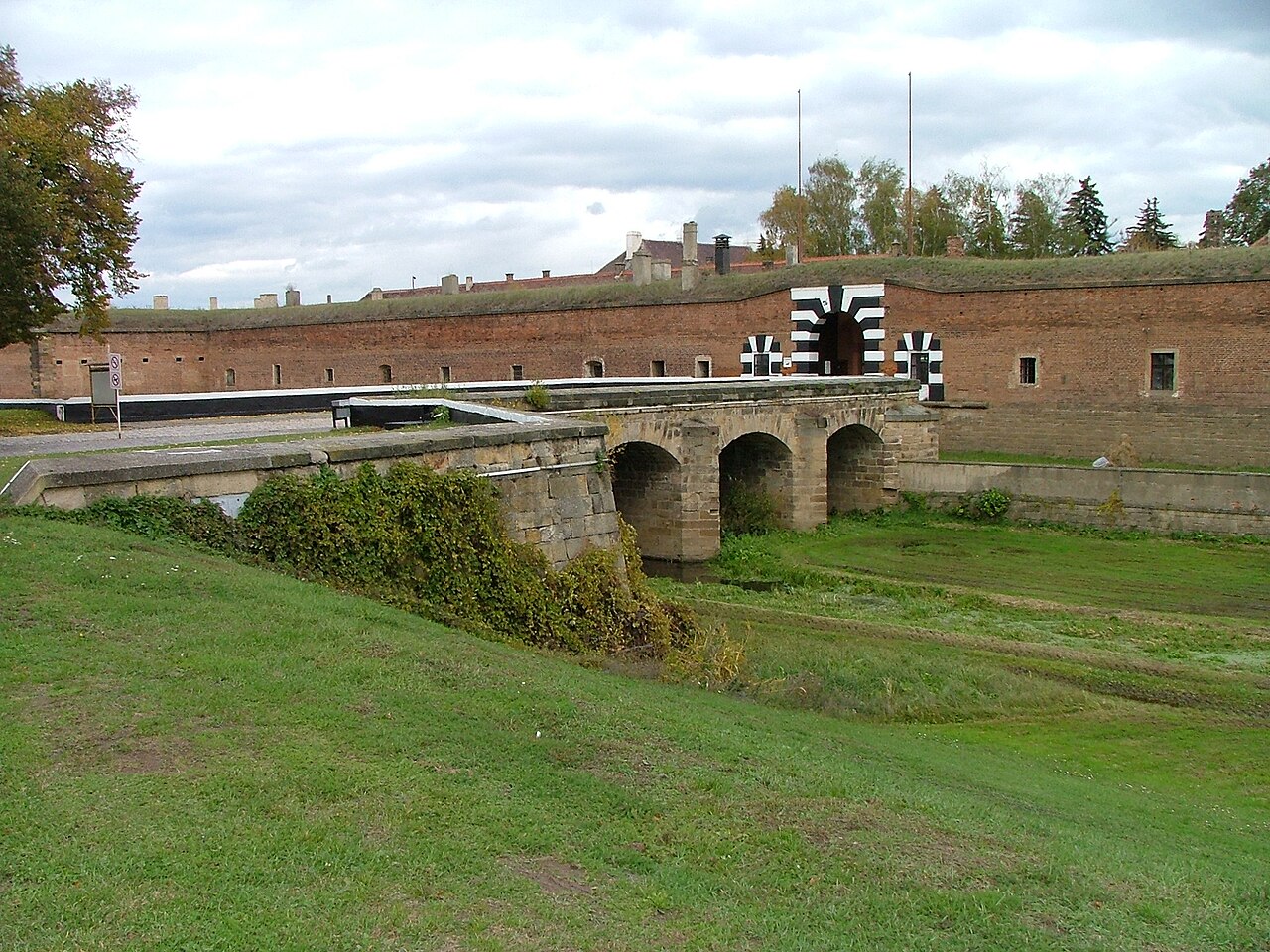
Roudnice Castle stands as a significant historical monument in Roudnice nad Labem, Czechia, with origins tracing back to the 12th century. Founded by Bishop Jindřich Břetislav, nephew of King Vladislav I, the castle was strategically built to guard a vital trade route along the Elbe River connecting Prague to Upper Lusatia. Its initial construction featured robust fortified walls up to two meters thick and watchtowers at each corner, forming a defensive perimeter that included several farm buildings within the complex.
Medieval origins and gothic transformation
Originally constructed as a Romanesque fortress, the castle underwent significant changes in the mid-14th century, when it was rebuilt in the Gothic style. This transformation not only enhanced its defensive capabilities but also elevated its status to a favored summer residence for the Prague bishops. The castle's religious significance is underscored by the fact that Jan Hus, a pivotal figure in Czech religious history, was reportedly ordained as a priest within its walls. This period marked the castle's dual role as both a religious center and a military stronghold.
Ownership changes and political significance
In 1421, the castle changed hands when the Catholic Church sold it to Jan Smiřický, who undertook further renovations. The castle's strategic importance continued to be evident when King George of Poděbrady captured it in 1467. Subsequently, it passed to William Rožumberk, the Supreme Burgrave and one of Bohemia's wealthiest nobles. The castle later became part of the Lobkowicz family possessions through the marriage of Rožumberk's widow, Polyxena Pernštejn, to Zdenek Vojtěch of Lobkowicz, Chancellor of the Czech Kingdom and the first Prince Lobkowicz.
Baroque transformation and cultural heritage
In 1652, Václav Eusebius, the 2nd Prince Lobkowicz, initiated an ambitious project to convert the medieval fortress into an early Baroque palace. This transformation included extensive architectural modifications that reflected the Baroque style's emphasis on grandeur and artistic detail. From 1657 until the Second World War, the castle housed the renowned Lobkowicz Collection's library, which became known as the Roudnice Lobkowicz Library. This collection is a testament to the castle's role as a cultural and intellectual center over several centuries.
Architectural features and visitor experience
Today, visitors to Roudnice Castle can explore a variety of historically and architecturally significant areas. The basic tour includes the courtyard, the castle chapel with its prědsálím (anteroom), and detailed information about the Lobkowicz family. Visitors also tour the Romanesque castle foundations visible from the courtyard and can enjoy a panoramic view from the castle balcony.
The wine tasting tour offers an immersive experience that includes a presentation of the original Romanesque castle foundations from the 12th century, along with insights into the town, the castle's history, and its winery traditions. This tour highlights the castle's longstanding connection to regional viticulture and its role in local cultural heritage.
Historical context and regional importance
Roudnice Castle's location on the Elbe River was crucial for controlling trade and military movements between Prague and northern regions. Its evolution from a medieval fortress to a Baroque palace mirrors broader historical shifts in Bohemia, reflecting changes in political power, religious influence, and architectural trends. The castle's association with prominent figures such as Bishop Jindřich Břetislav, Jan Hus, King George of Poděbrady, and the Lobkowicz family underscores its importance in Czech history.
Architectural evolution
The castle's architectural journey began with its Romanesque origins characterized by thick defensive walls and simple, sturdy construction. The Gothic rebuilding introduced pointed arches, taller structures, and more elaborate fortifications. The Baroque renovation in the 17th century added decorative elements, larger windows, and a more palatial layout, transforming the fortress into a residence suited for nobility.
Preservation and current condition
Roudnice Castle today is well preserved and open to the public, allowing visitors to experience its layered history firsthand. The castle's preservation efforts have maintained its structural integrity and historical features, ensuring that both the medieval and Baroque elements remain visible and accessible.
Frequently asked questions (FAQ)
- How do I get to Roudnice Castle?
- Roudnice Castle is easily accessible by public transport, with regular bus and train services from nearby cities. If you are driving, the castle is located near the D8 motorway, and there is parking available on-site.
- What is the historical significance of Roudnice Castle?
- Roudnice Castle, originally built in the 13th century, has a rich history that reflects the architectural styles of various periods. It served as a royal residence and played a crucial role in the region's political history, making it a fascinating site for history enthusiasts.
- When was Roudnice Castle built?
- Construction of Roudnice Castle began in the early 13th century, with significant renovations and expansions occurring in the following centuries. The castle showcases a blend of Gothic and Renaissance architectural elements that highlight its long-standing historical importance.
- Can I take a guided tour of Roudnice Castle?
- Yes, guided tours are available at Roudnice Castle, providing visitors with an in-depth look at its history and architecture. These tours are typically offered in multiple languages and are a great way to enhance your visit.
- Why is Roudnice Castle a popular tourist destination?
- Roudnice Castle attracts visitors due to its stunning architecture, rich history, and beautiful surroundings, including picturesque gardens. Its proximity to other attractions in the region also makes it a convenient stop for tourists exploring Czechia.
- Is it possible to visit Roudnice Castle year-round?
- Yes, Roudnice Castle is open for visitors throughout the year, although opening hours may vary seasonally. It's advisable to check the official website for the latest information on visiting hours and any special events.
- What are the ticket prices for Roudnice Castle?
- Ticket prices for Roudnice Castle are generally affordable, with discounts available for students and seniors. Group rates may also apply, so it's worth checking in advance if you plan to visit with a larger party.
- What is the best time to visit Roudnice Castle?
- The best time to visit Roudnice Castle is during the spring and early autumn when the weather is mild and the gardens are in full bloom. Additionally, visiting during weekdays can help you avoid larger crowds, allowing for a more enjoyable experience.
- Are there any nearby attractions to Roudnice Castle?
- Yes, there are several nearby attractions, including the historic town of Roudnice nad Labem and the scenic Elbe River. Visitors can also explore other castles and nature parks in the region, making it a perfect destination for a day trip.
Information
Loading map...
Visitor reviews
No reviews yet. Been here? Write the first review and help other travelers!
Write the first reviewVisited this castle? Share your experience
Your review helps other travelers and adds first-hand knowledge to our encyclopedia.