Rock of Cashel
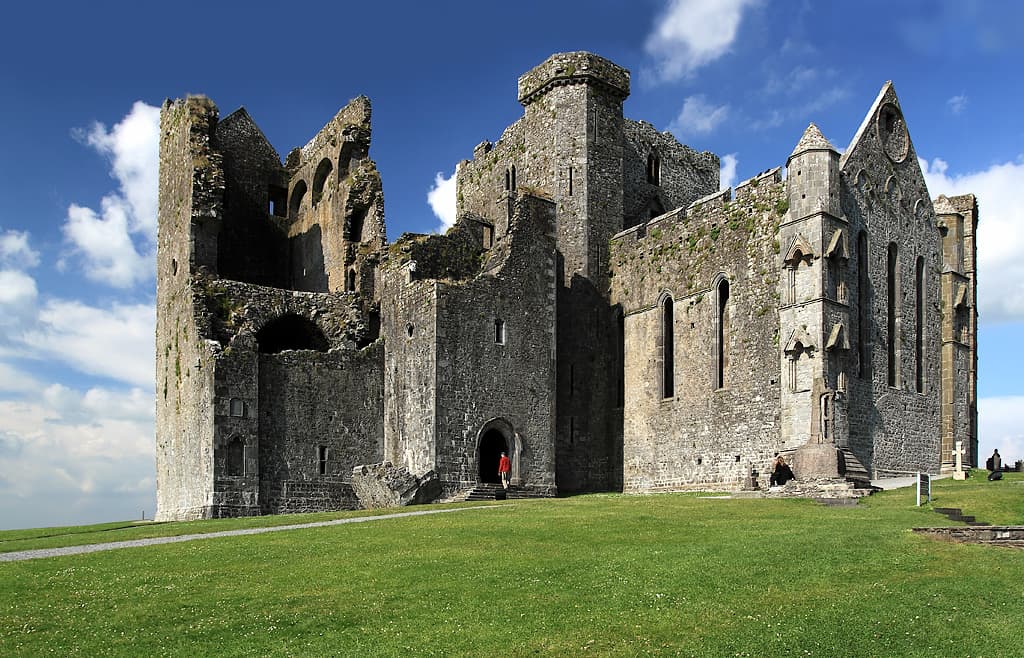
The Rock of Cashel, also known as Cashel of the Kings and St. Patrick's Rock, is a striking historical complex perched atop a limestone outcrop in County Tipperary, Ireland. This site served as the traditional seat of the kings of Munster before becoming an important ecclesiastical center in medieval Ireland. The hill castle dominates the surrounding plain, offering commanding views and a strategic defensive position that contributed to its historical significance.
Historical background and significance
The origins of the Rock of Cashel date back to the early medieval period, but its most prominent structures were built during the 12th century, placing it firmly in the High Medieval period. It was originally the royal fortress of the Munster kings, symbolizing their power and authority. According to tradition, it is also associated with St. Patrick, who is said to have visited and converted King Aengus of Munster here in the 5th century, marking the beginning of Christian influence in the region.
By the 12th century, the Rock transitioned from a royal seat to a major religious center when it became the seat of the Archbishop of Cashel. This transformation is reflected in the construction of significant ecclesiastical buildings, including a cathedral, a round tower, and a chapel, which illustrate the site's dual role as both a fortress and a religious complex.
Architectural features and layout
The cathedral and religious buildings
The centerpiece of the Rock of Cashel is the 12th-century cathedral, an impressive example of Romanesque and early Gothic architectural styles. The cathedral features a large nave and choir, with pointed arches and intricate stone carvings that demonstrate the transition from Romanesque solidity to Gothic verticality and lightness. The chapel of King Cormac, attached to the cathedral, is renowned for its well-preserved frescoes and distinctive stone vaulting, showcasing exceptional craftsmanship from the period.
The round tower and defensive structures
The site includes a round tower dating from the 12th century, which served as a bell tower and a place of refuge during attacks. The tower's height and thick walls emphasize the defensive purpose of the complex. Surrounding the cathedral and other buildings are remnants of fortified walls and battlements, underscoring the site's role as a hill castle with military functions alongside its religious importance.
Artistic and cultural importance
The Rock of Cashel is notable for its rich collection of medieval art and architecture. The Romanesque carvings and the early Gothic elements reflect the artistic trends of 12th-century Ireland. The site also contains the Cross of the Scriptures, a high cross with detailed biblical carvings, symbolizing the fusion of religious devotion and artistic expression.
As a historic site, the Rock of Cashel has inspired numerous legends and folklore, enhancing its cultural significance. It remains a powerful symbol of Irish heritage, representing the intersection of royal authority and ecclesiastical power.
Preservation and visitor experience
Today, the Rock of Cashel is well preserved and managed as a major tourist attraction. Visitors can explore the extensive ruins, including the cathedral, chapel, round tower, and defensive walls. The site offers informative displays and guided tours that explain its historical context and architectural features.
Its elevated position provides panoramic views of the surrounding Tipperary countryside, adding to the visitor experience. The Rock of Cashel is accessible year-round, with facilities to accommodate tourists and educational groups.
Frequently asked questions (FAQ)
- How do I get to the Rock of Cashel?
- The Rock of Cashel is located in County Tipperary, Ireland, and is easily accessible by car or public transport. If you're driving, there is ample parking available nearby. For public transport, buses regularly run from major cities like Dublin and Cork to Cashel.
- What is the historical significance of the Rock of Cashel?
- The Rock of Cashel, also known as St. Patrick's Rock, is a site of great historical importance, believed to be the place where St. Patrick converted the King of Munster to Christianity in the 5th century. The site features remarkable medieval architecture and has been a symbol of Irish heritage for centuries.
- When was the Rock of Cashel built?
- The structures at the Rock of Cashel date back to the 12th century, with the round tower, Cormac's Chapel, and the cathedral being some of the most notable features. The site has undergone various renovations over the years, preserving its historical integrity while showcasing its stunning architecture.
- Can I take guided tours of the Rock of Cashel?
- Yes, guided tours are available at the Rock of Cashel, providing visitors with in-depth knowledge of its history and architecture. The tours are led by knowledgeable guides who share fascinating stories about the site’s significance and its legends.
- Why is the Rock of Cashel a popular tourist destination?
- The Rock of Cashel attracts visitors due to its breathtaking views, rich history, and impressive architecture. It is one of Ireland's most iconic landmarks, offering a unique glimpse into the country's past, making it a must-visit for history enthusiasts and tourists alike.
- Is it possible to visit the Rock of Cashel year-round?
- Yes, the Rock of Cashel is open year-round, but it is advisable to check specific opening times as they may vary by season. The site is particularly busy during the summer months, so visiting in the shoulder seasons of spring or autumn may provide a more tranquil experience.
- What are the ticket prices for visiting the Rock of Cashel?
- As of 2023, ticket prices for adults are around €8, while concessions are available for students and seniors. Children under 12 can enter for free, but all visitors must pay for guided tours if they choose to join one.
- What are the opening hours for the Rock of Cashel?
- The Rock of Cashel generally opens at 9:00 AM and closes at 5:30 PM, but these hours may vary seasonally. It is recommended to check the official website for the most up-to-date hours before your visit.
- What nearby attractions can I visit after the Rock of Cashel?
- After visiting the Rock of Cashel, you can explore the nearby town of Cashel, which offers charming shops and eateries. Additionally, the Hore Abbey and the beautiful landscapes of the Tipperary countryside are just a short walk away, providing further opportunities for exploration.
Photo gallery

Information
Loading map...
Visitor reviews
No reviews yet. Been here? Write the first review and help other travelers!
Write the first reviewVisited this castle? Share your experience
Your review helps other travelers and adds first-hand knowledge to our encyclopedia.