Rocca Abbaziale of Subiaco
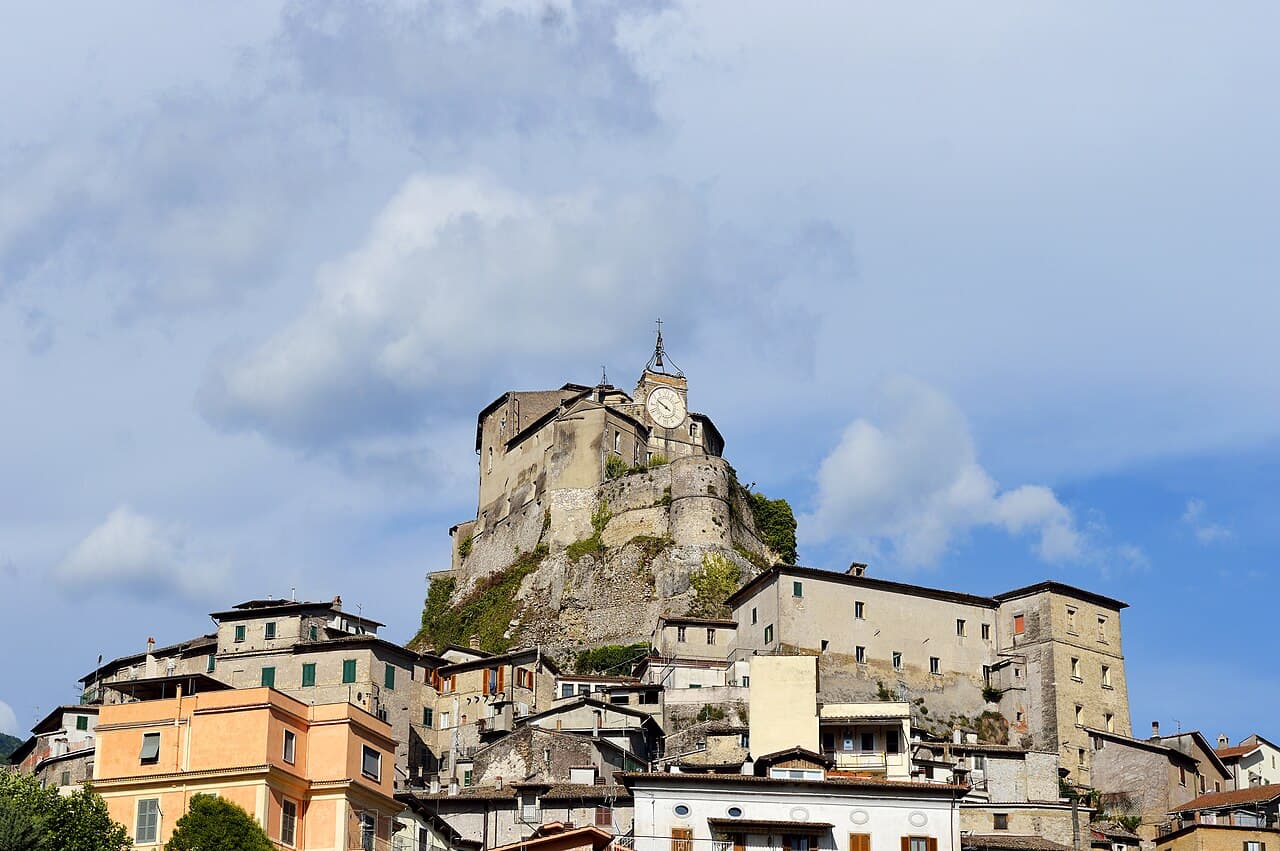
Rocca Abbaziale of Subiaco stands as a remarkable testament to the layered history of medieval and ecclesiastical architecture in Italy. Perched strategically on a promontory overlooking the upper valley of the Aniene River, this hill castle was originally constructed in the late 11th century by the religious community of the Abbey of Santa Scolastica. Its primary purpose was to serve as a fortified stronghold to protect the abbey’s extensive territorial holdings, a role it fulfilled through centuries of political and religious upheaval.
The fortress was built between 1073 and 1077 under the direction of Abbot Giovanni V, who oversaw the creation of a complex defensive system including stone walls, prison cells, a watchtower, residential quarters, and a small chapel dedicated to St. Thomas. The castle’s original military function is evident in its robust design, commanding panoramic views that enabled control over the surrounding territory and river valley below.
Medieval origins and early architecture
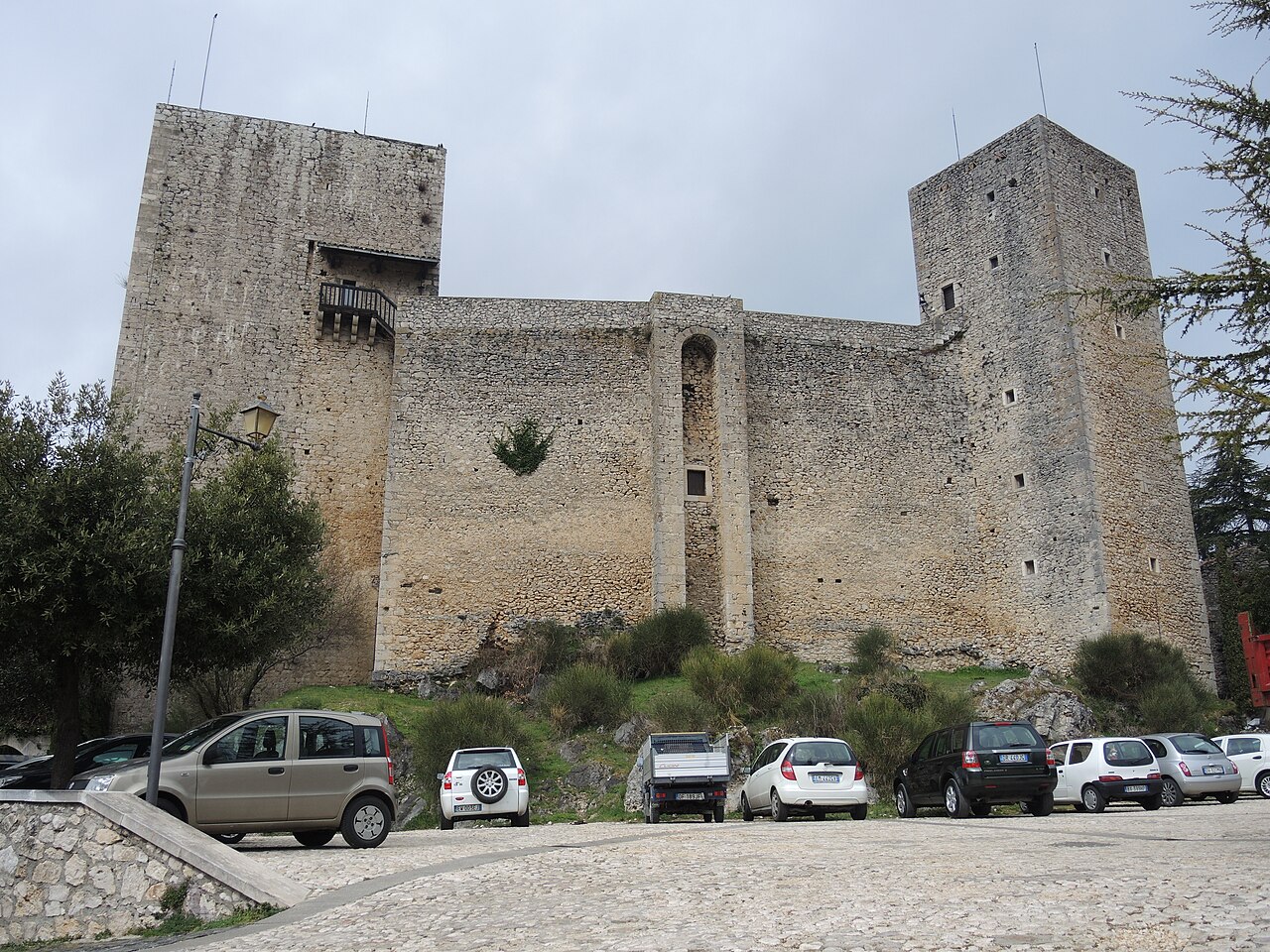
The core of the Rocca Abbaziale is its 11th-century military tower, a formidable stone structure that formed the nucleus of the fortress. This tower was integrated with a chapel, a feature that underscored the castle’s dual role as both a defensive and religious site. Surrounding the tower was a sophisticated triple system of stone walls, creating multiple layers of defense that were advanced for their time. These walls enclosed the complex and provided protection against both external attacks and internal unrest.
During this period, the castle functioned primarily as a bastion for the abbey’s interests, guarding the strategic route along the Aniene River and the settlements clustered along its banks. The presence of prison cells indicates the Rocca’s role in enforcing ecclesiastical and territorial authority. The fortress also included residential spaces for the monks and guards, reflecting a self-contained community prepared for siege or conflict.
Damage, abandonment, and papal intervention
The Rocca suffered significant damage during the devastating 1349 earthquake, an event that severely compromised its defensive capabilities. Following the earthquake, the fortress was abandoned and fell into disrepair. Looting and destruction by local inhabitants exacerbated its decline, leading to a prolonged period during which the Rocca remained uninhabited and neglected.
In the mid-15th century, the papacy asserted direct control over the abbey’s patrimony, instituting a system of cardinal commendatories to oversee the temporal administration. This shift marked a new phase in the Rocca’s history, transitioning from monastic to noble governance. Pope Callixtus III formalized this arrangement in 1456, and restoration efforts soon followed.
The borgia era and architectural expansion
A pivotal figure in the Rocca’s development was Cardinal Rodrigo Borgia, later Pope Alexander VI, who undertook significant expansions in the late 15th century. Between 1476 and the early 1490s, Borgia added a prominent eastern quadrangular bastion to the fortress, enhancing its military architecture with innovative defensive features known as "trabocchetti". These small openings allowed defenders to repel attackers more effectively, demonstrating advances in fortification design during the Renaissance.
The Borgia period is also notable for its personal history, as it is believed that Rodrigo Borgia’s children with his mistress Vannozza Cattanei—including the infamous Cesare, Giovanni, and Lucrezia Borgia—were born at the Rocca. This association adds a layer of intrigue and cultural significance to the site, linking it to one of Italy’s most powerful and controversial families.
Colonna family stewardship and later transformations
After Rodrigo Borgia ascended to the papacy in 1492, ownership of the Rocca was transferred to Cardinal Giovanni Colonna. The Colonna family governed the territory for over a century, maintaining the fortress as a symbol of noble power. During their tenure, the Rocca evolved from a purely military installation to a residence reflecting the status and tastes of its aristocratic owners.
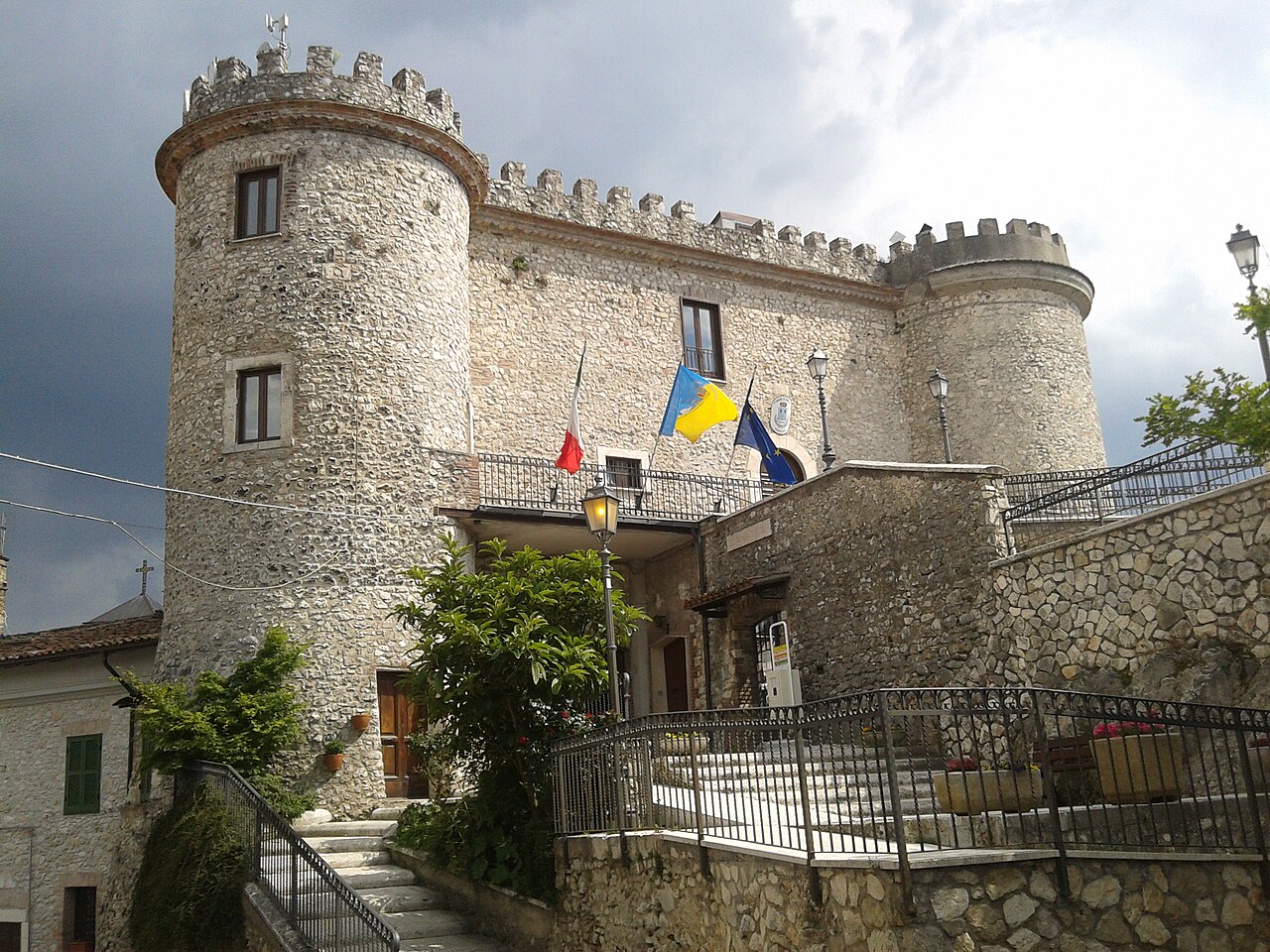
In the late 18th century, under the direction of Pope Pius VI, the Rocca underwent a major transformation led by architect Pietro Camporese. This renovation converted the medieval fortress into a modern palace suitable for the residence of the commendatory abbot. Key changes included the removal of prison cells, the lowering of the Borgia tower’s height, and the addition of refined architectural elements such as a grand entrance portal accessed by a double staircase. The portal prominently displays the Braschi family coat of arms, patrons closely associated with Pope Pius VI.
Artistic heritage and interior decoration
The Rocca Abbaziale is renowned for its rich artistic decoration, which spans several centuries and styles. The first floor of the Borgia tower features mid-16th-century frescoes executed in a grotesque style linked to the circle of Perin del Vaga. These frescoes incorporate intricate floral and fantastical motifs characteristic of Renaissance ornamentation, showcasing the artistic tastes of the period.
On the second floor, late 18th-century tempera murals by Liborio Coccetti depict local villages under the abbey’s administration and ethnographic scenes of rural life. These paintings provide valuable visual documentation of the cultural and social environment surrounding the Rocca during the 1700s.
Notable rooms and symbolic decoration
- Sala della Commenda: This hall is adorned with panoramic depictions of local villages, reflecting the abbey’s territorial reach and influence.
- Sala dei Continenti: A rhomboid-shaped room decorated with rococo grotesques representing the four continents as understood in the 18th century, symbolizing the global aspirations of the church.
- Sala del Trono: The throne room used for formal occasions, embodying the Rocca’s role as a seat of ecclesiastical authority.
- Personal apartments: These chambers include a preserved alcove framed by decorative frescoes from the late 1700s, offering insight into the living quarters of the commendatory abbot.
Heraldry and cultural significance
The Rocca Abbaziale preserves heraldic symbols from its various noble owners, most notably the Colonna family emblem, which commemorates their long stewardship. Frescoes depicting Pope Pius VI and zodiac motifs further enrich the site’s symbolic landscape, linking the castle’s history to religious leadership and cosmological themes.
Today, the Rocca stands as a well-preserved monument reflecting the evolution of defensive architecture into a refined ecclesiastical palace. Its layered history, architectural innovations, and rich artistic heritage make it a significant cultural landmark in the Lazio region of Italy.
Visiting the rocca abbaziale
Visitors to the Rocca Abbaziale can explore its extensive fortifications, elegant palace interiors, and remarkable frescoes that span centuries of artistic tradition. The site offers a unique glimpse into the complex history of religious and noble power in medieval and early modern Italy. Its commanding position overlooking the Aniene Valley provides stunning views and a tangible connection to the strategic importance of hill castles in Italian history.
Frequently asked questions (FAQ)
- How do I get to Rocca Abbaziale of Subiaco?
- You can reach Rocca Abbaziale of Subiaco by taking the train to Subiaco from Rome, followed by a short walk to the castle. The scenic route offers beautiful views of the surrounding countryside. Additionally, local buses are available for easier access.
- What is the historical significance of Rocca Abbaziale?
- Rocca Abbaziale is a historic fortress that dates back to the 13th century, symbolizing the power of the Abbey of St. Scholastica. It played a crucial role in the defense of the area during the Middle Ages and has witnessed many historical events. Today, it stands as a testament to the rich heritage of Subiaco.
- When was Rocca Abbaziale built?
- The construction of Rocca Abbaziale began in the early 13th century, specifically around the year 1200. It was built as a fortress to protect the nearby abbey and has undergone various renovations over the centuries. Its architecture reflects the medieval era's military needs and artistic styles.
- Can I take guided tours of the castle?
- Yes, guided tours are available at Rocca Abbaziale, providing visitors with in-depth knowledge of its history and architecture. These tours typically last about an hour and are conducted in multiple languages. It's advisable to book in advance, especially during peak tourist seasons.
- Why is Rocca Abbaziale a popular tourist destination?
- Rocca Abbaziale attracts visitors for its stunning medieval architecture, breathtaking views, and rich historical background. It is also known for its serene atmosphere, making it a perfect spot for those seeking both history and tranquility. The castle's proximity to other attractions in Subiaco adds to its appeal.
- Is it possible to visit Rocca Abbaziale with children?
- Yes, Rocca Abbaziale is family-friendly and offers a fascinating experience for children and adults alike. The castle's open spaces allow children to explore safely while learning about history. It’s recommended to keep an eye on younger children as some areas have steep steps.
- What are the opening hours of Rocca Abbaziale?
- Rocca Abbaziale is typically open to visitors from 10 AM to 6 PM, with extended hours during the summer months. However, it is closed on Mondays, so plan your visit accordingly. Always check the official website for any seasonal changes to the hours.
- What are the ticket prices for Rocca Abbaziale?
- Ticket prices for Rocca Abbaziale are usually around €5 for adults, with discounts available for students and seniors. Children under 12 may enter for free. It's advisable to purchase tickets in advance during busy seasons to avoid long lines.
- What are some nearby attractions to visit?
- Nearby attractions include the beautiful Monastery of St. Scholastica and the picturesque town of Subiaco itself, known for its charming streets and local cuisine. Additionally, you can explore the natural beauty of the surrounding Parco Naturale Regionale dei Monti Simbruini. Make a day of exploring both the history and nature of the area!
Photo gallery

Information
Website
Visit websiteSources & official resources
Verify the information above using these authoritative references.
Loading map...
Visitor reviews
No reviews yet. Been here? Write the first review and help other travelers!
Write the first reviewVisited this castle? Share your experience
Your review helps other travelers and adds first-hand knowledge to our encyclopedia.